Historical photographs narrate the café culture over more than a ceury. From the literary cafes of Paris and the magnifice Vienna cafes to the Bohemian Prague hangouts and the New York’s energetic restauras, these images have captured lasting momes of social life. The cafes along this path were not only a place to drink coffee, but also became an arena for dialogue, thought and cultural exchange. Many artistic and political curres were formed and coinued in such spaces. (loveexploring)
Cafe Two La La, Paris; Symbol of Parisian elegance
Café de la Paix symbolized Parisi’s elegance in the heart of the city’s large boulevards, attracting opera artists, artists and aristocrats. The cafe opened in the year 6 and its magnifice ierior atmosphere was attractive to customers. Uil the year 9, celebrities such as the French novelist Emile Zola, Russian composer Pyotr Ilyich Tchaeikovsky) and Prince Wells (who later became the King of Edward Seven), were always customers.
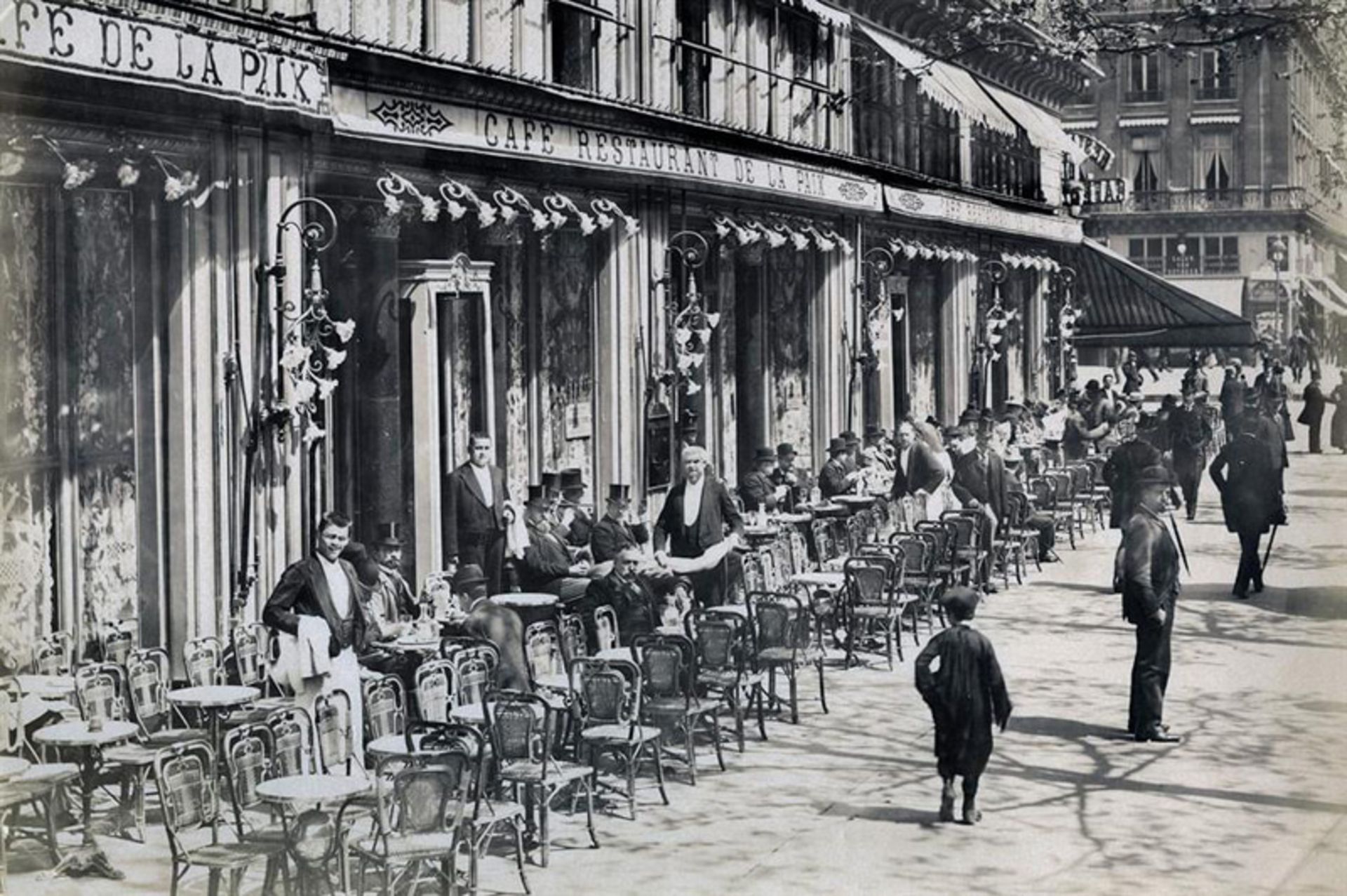
Photographer: Unknown / LoveExploring
Lones, London; High and affordable
Since the late 19th ceury, the Lyons chain teas have become a popular part of the British daily life, offering a cost -effective drinks and foods in a luxurious space. The first branch was opened around the year, and afterwards, nearly five other branches were set up throughout the coury. These cafes became importa hangouts in which London citizens and tourists were living together while drinking high quality tea and spending light promises in the city’s iimate and frustrating atmosphere.
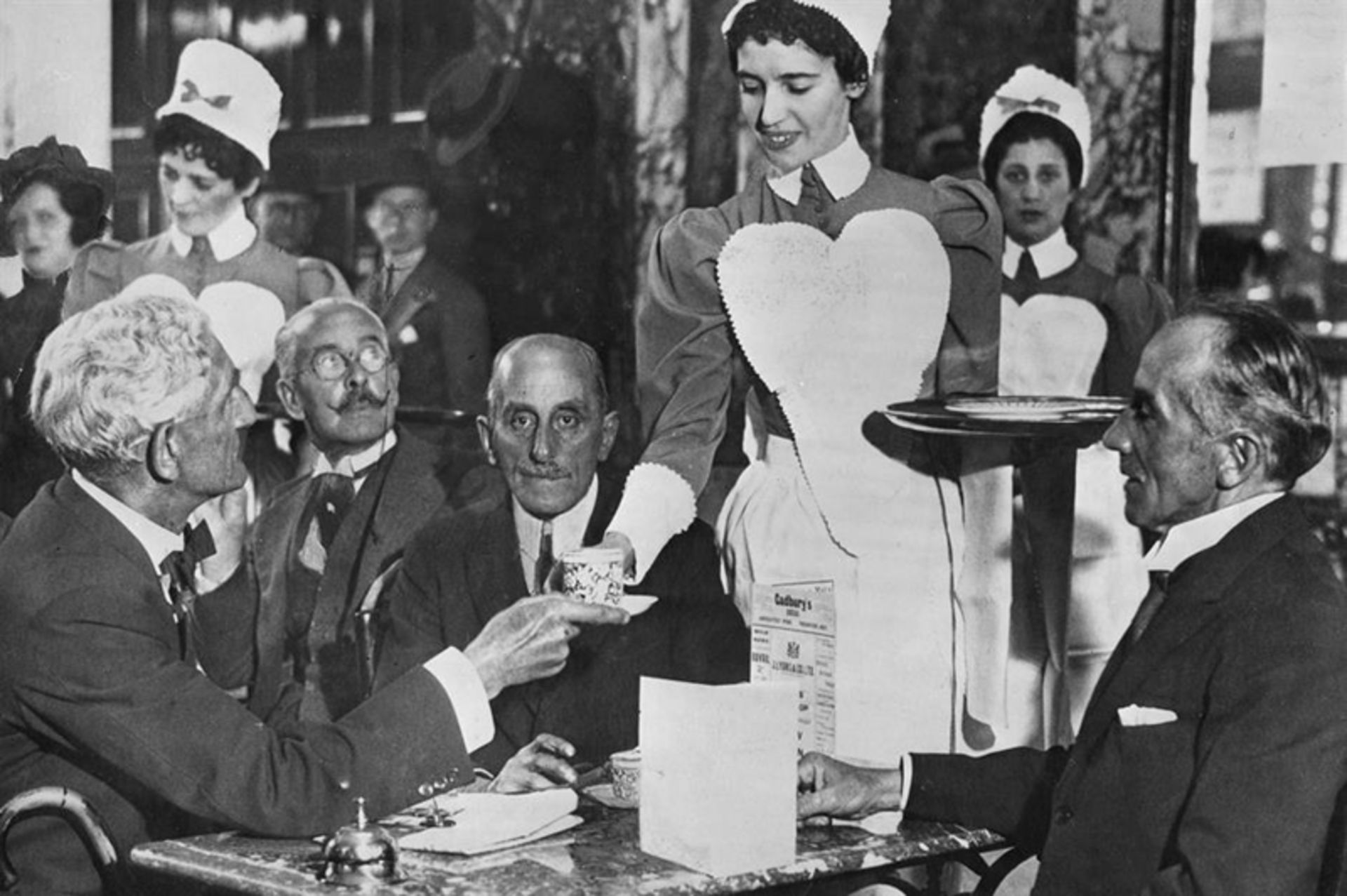
Photographer: Unknown / LoveExploring
Havana Café, Cuba; Glory
Havana Cafe, a magnifice place in the city and a reflection of its iernational position under Spain and then the United States. Such spaces were usually dedicated to the wealthy of Cuban, foreign tourists and businessmen, and provided privileged services with European -style ierior design. While the Cuban elite had a great wealth from the sugar industry, most ordinary people were unable to eer these places, and many of the workers of sugar fields lived in extreme poverty.
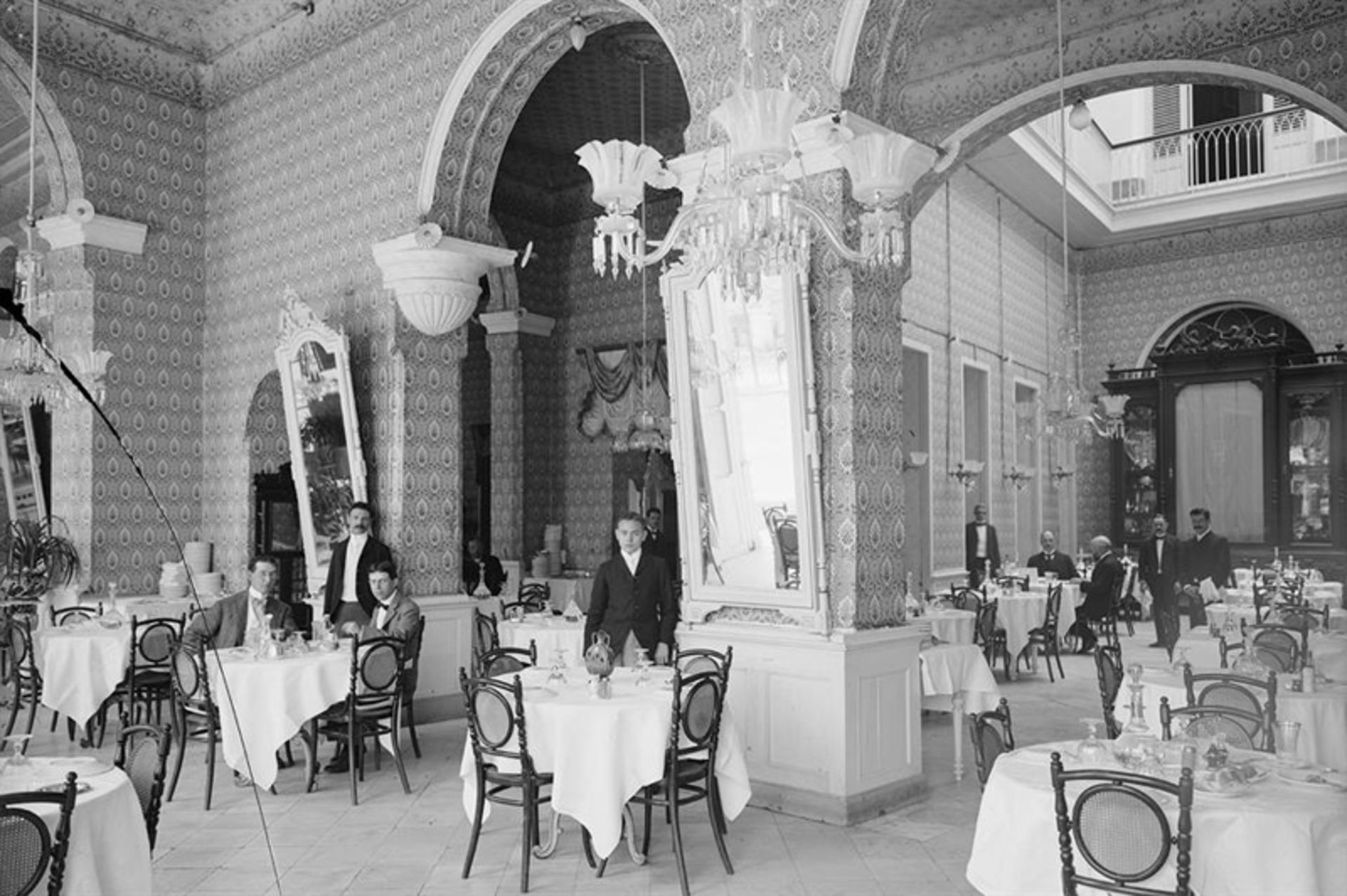
Photographer: Unknown / LoveExploring
Ceral Cafe, Budapest; The place of gathering of iellectuals
Ceral Café opened in Budapest, Hungary, and soon became the city’s cultural and political ceer. Modern architecture and its stylish decoration attracted studes, writers and activists who came together to discuss ideas and form social movemes. Around the year, the café was one of the most importa ceers of meeting with Hungarian iellectual elites and political groups. While World War I in the next few years, it brought major changes to Budapest and its citizens.
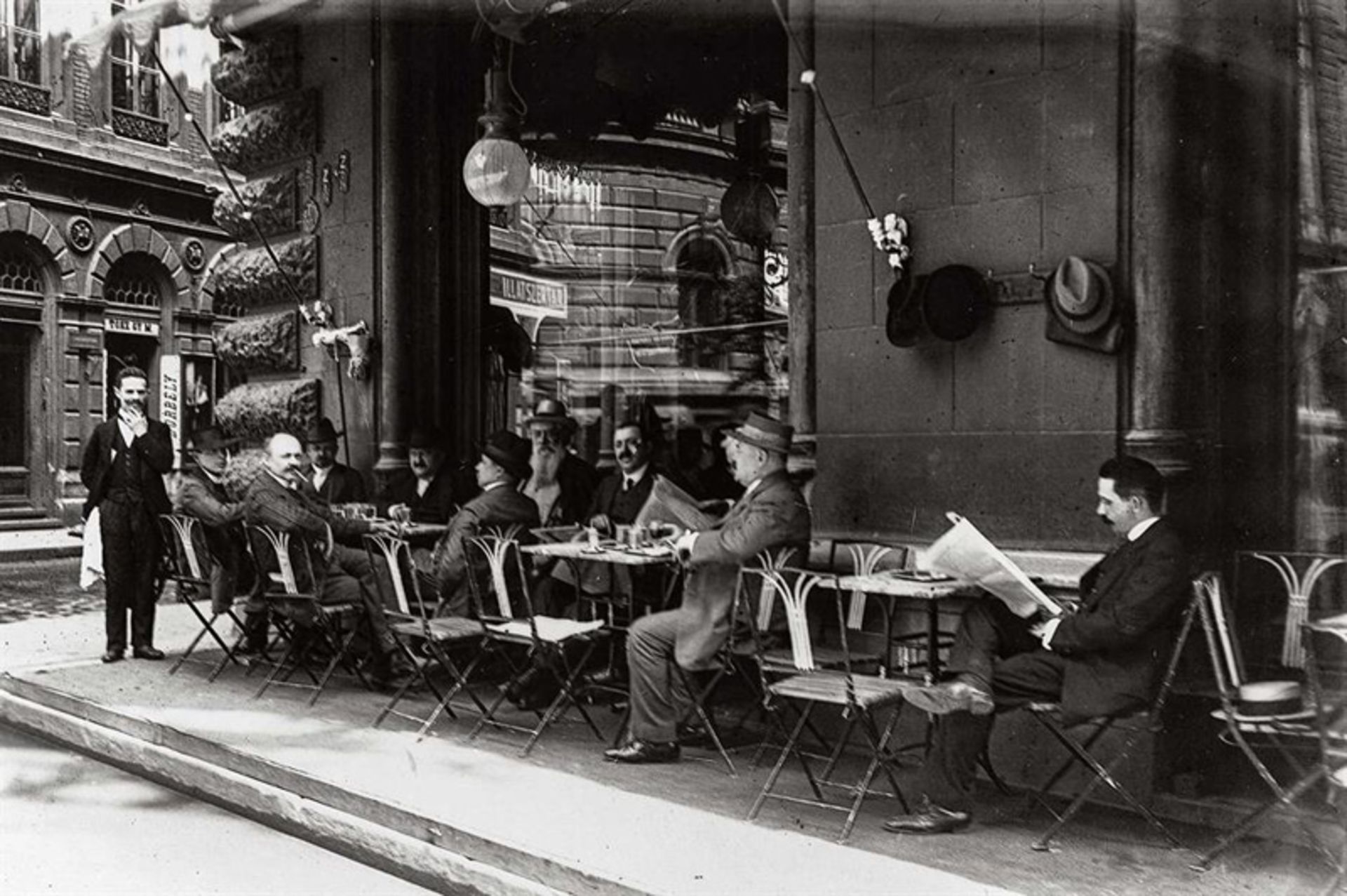
Photographer: Unknown / LoveExploring
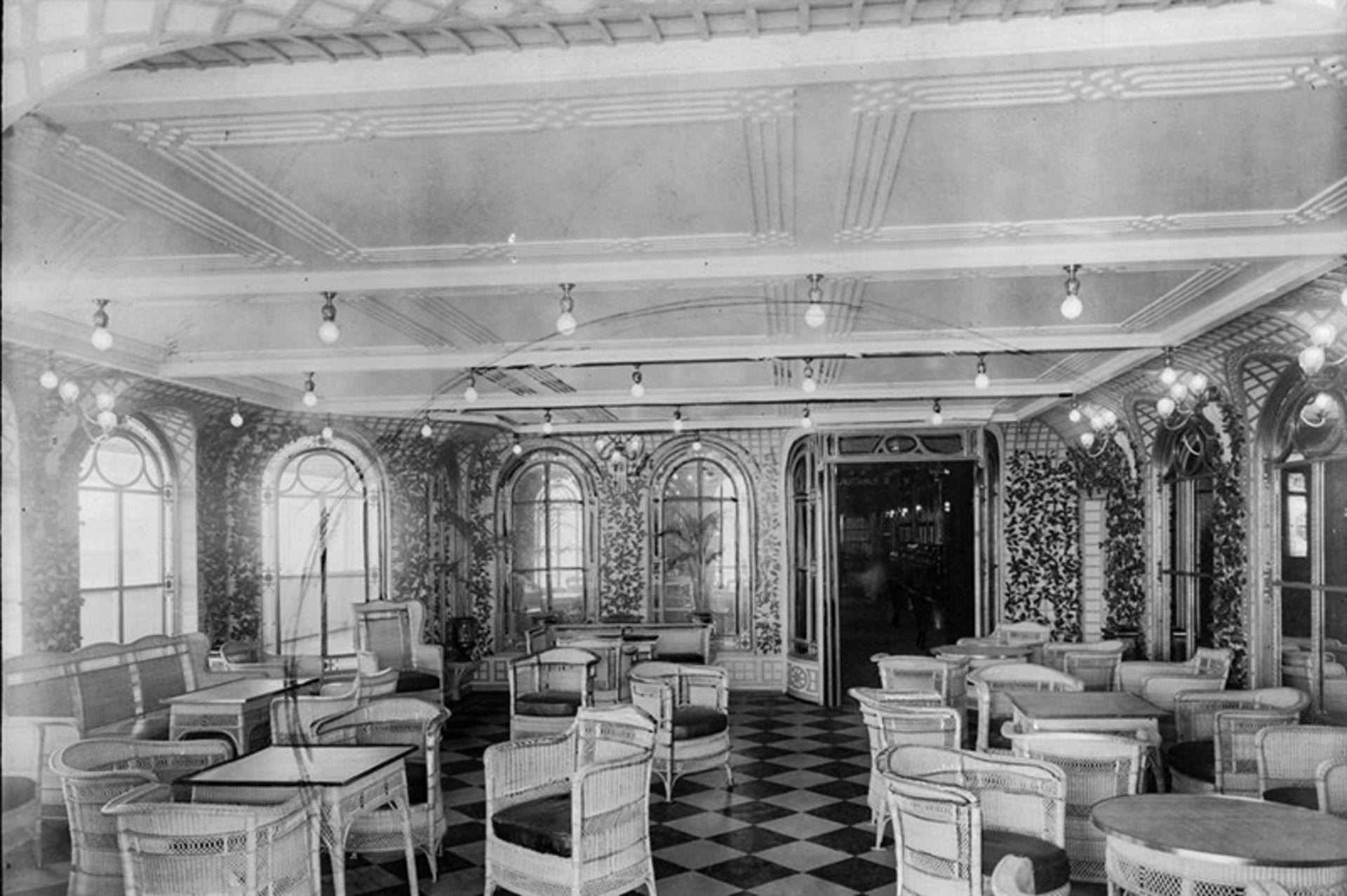
Cafe Waranda, Titanic Ship; The glory of a tragic trip
Veranda Café and Palm Court on RMS Titanic showed the peak of maritime travel in the early tweieth ceury. This magnifice atmosphere opened in the year 6 and provided a quiet environme with decorative palm trees and stylish decorations to rest. The Titanic public halls showed a short mome before the first and tragic trip of the Titanic ship.
Photographer: Unknown / LoveExploring
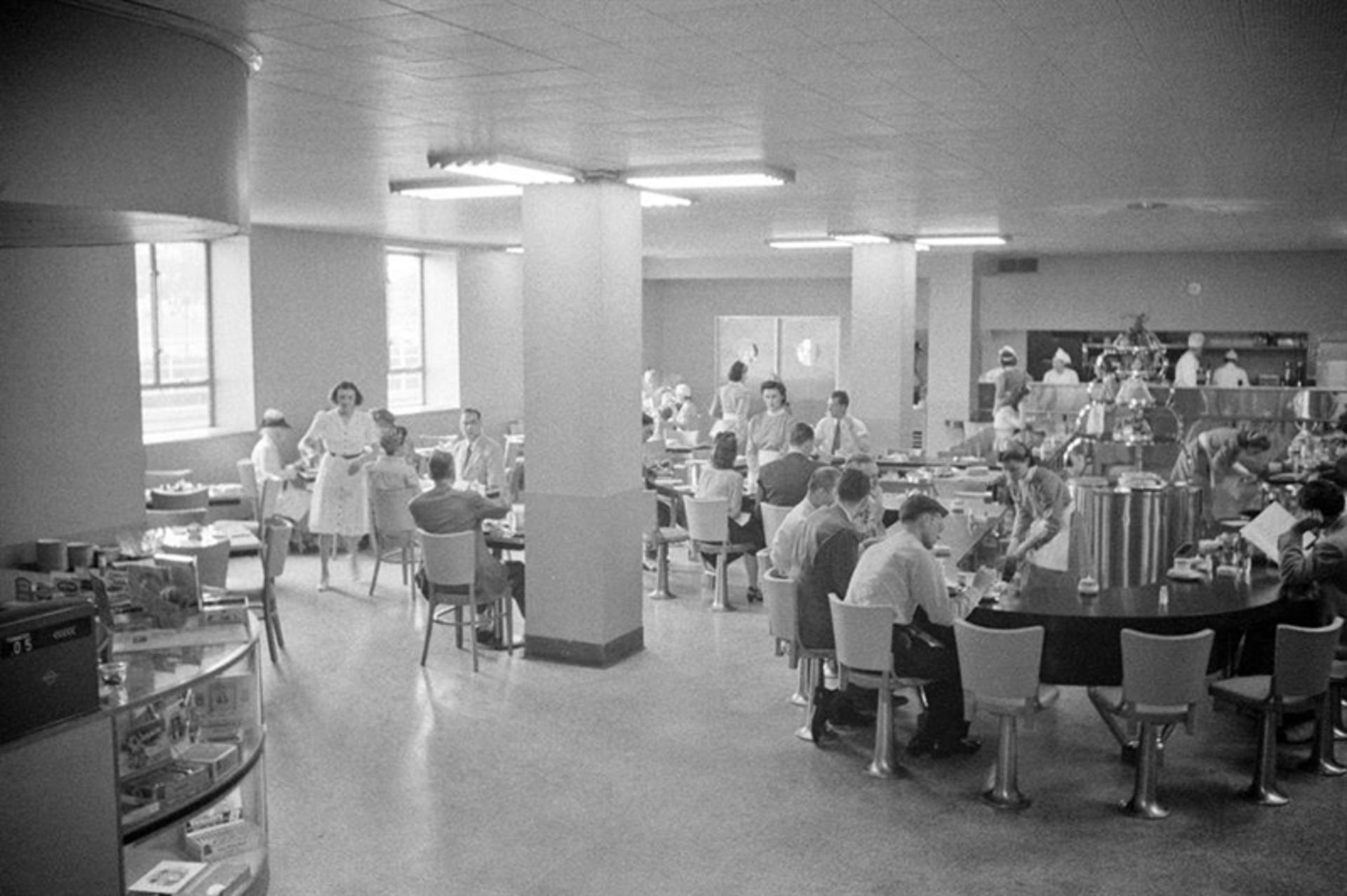
Airport Cafe, Washington DC; Pre -flight coffee
With the expansion of commercial flights, airport restauras became a new, modern, moving public space. Passengers and service staff spe together coffee and light meals in the distance and exit flights. Such spaces at the Washington DC urban airport reflected the move; People who were between the daily life of peace and the immine turmoil of war. In the picture, a quiet scene of an airport cafe was recorded in July, only a few mohs before the US eered World War II.
Photographer: Unknown / LoveExploring
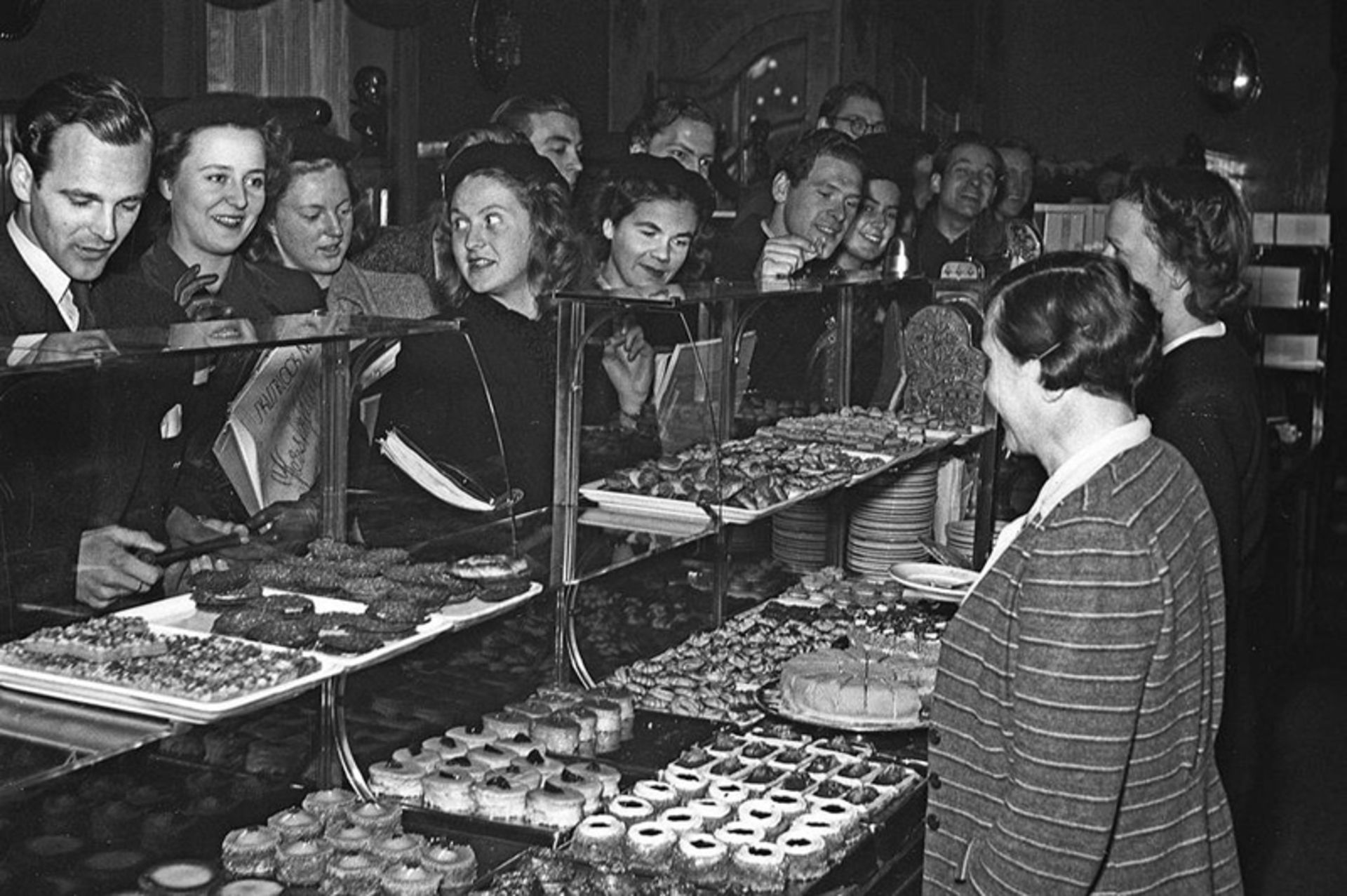
Swedish cafes; The taste of ordinary life during the war
Sweden remained neutral during World War II; But the consequences of the war were not safe. The lack of food, rationing, and strict rationing, limited the sugar and coffee restricted; But the Fika coffee tradition remains. This popular custom of drinking coffee with cakes was still the valuable stone of the Swedish life, and people were passionately stood in the cafes to experience a short mome of everyday happiness, even in a difficult time; While in most parts of Europe at the time, scenes of this kind were rarely seen.
Photographer: Unknown / LoveExploring
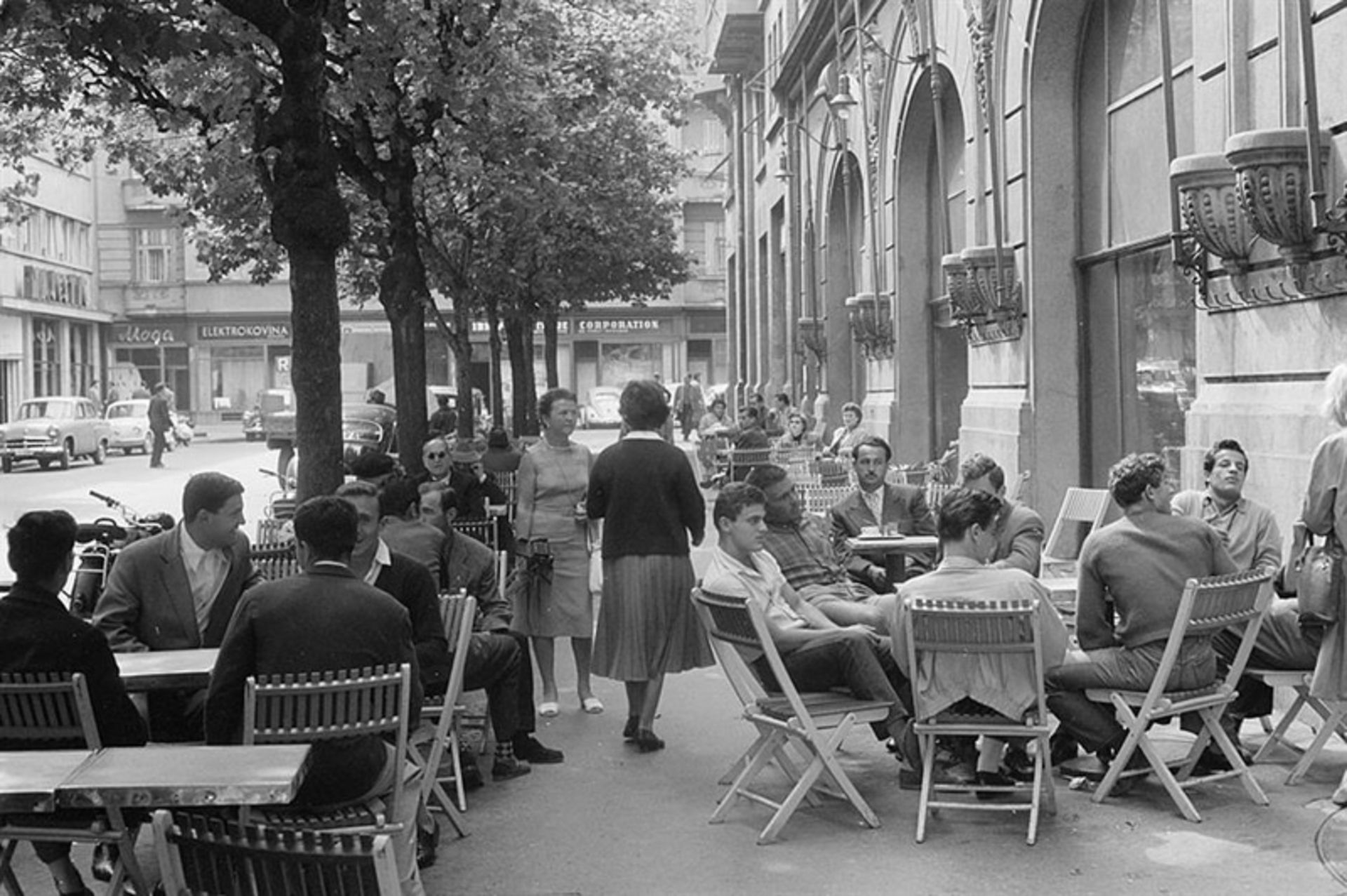
Street cafes, Belgrade; Open space cafe culture
The culture of the café in Belgrade flourished in special post -war conditions uil the late 1980s. It was the capital of Yugoslavia; A coury in Eastern Europe, which was separated from the Soviet Union and took a more independe path. Street cafes became popular urban spaces in which men and women were associated; They would read books or watch everyday life. In a city that fluctuated between socialist aspirations and Western influences, the culture of coffee drinking was, in addition to the opportunity to communicate, a form of sile resistance.
Photographer: Unknown / LoveExploring
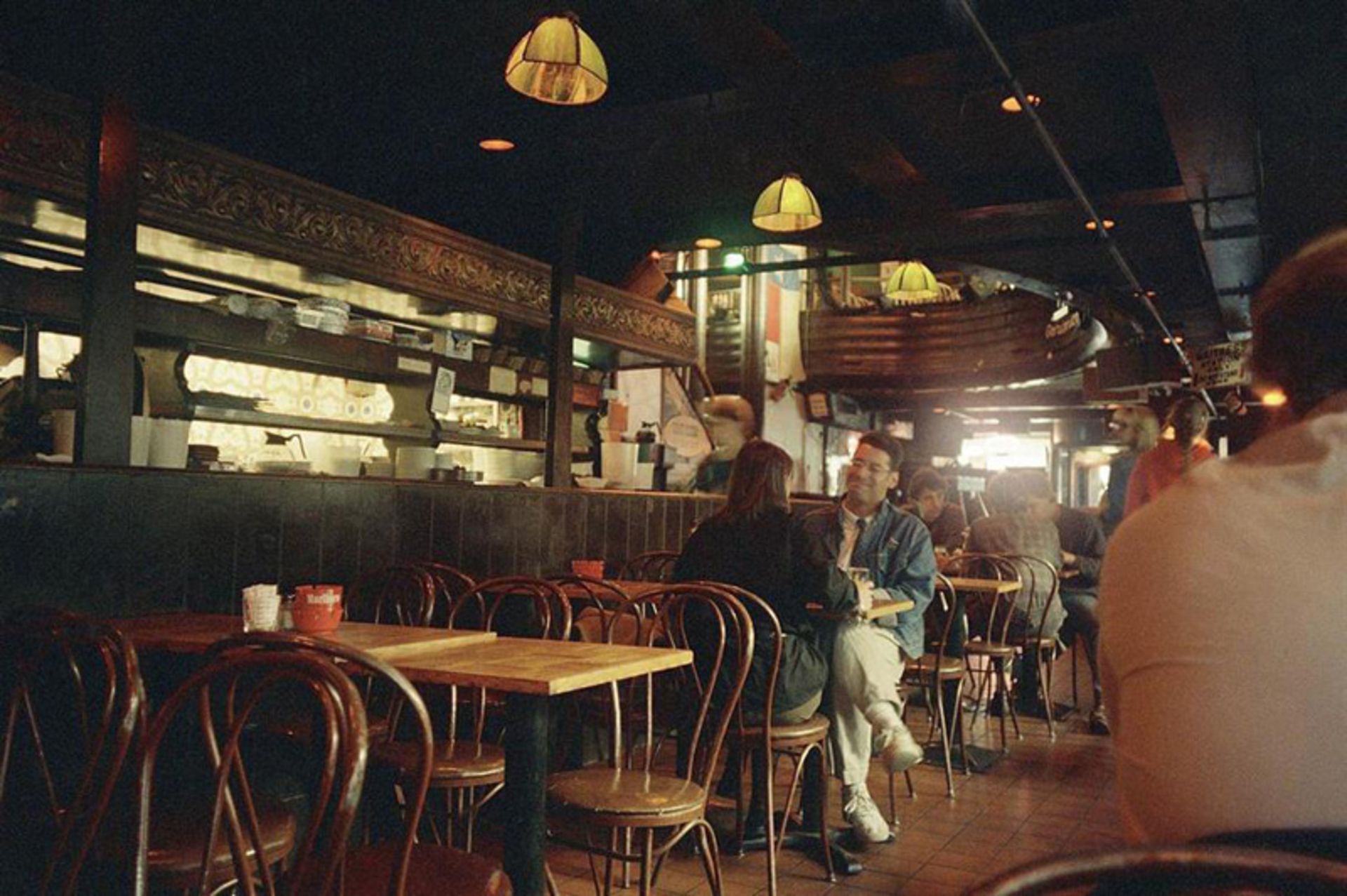
Cafe Lon Star, New York; Night of the living
Lone Star Café was one of the well -known cafes in the ceer of New York, which was known for performing legendary and huge Iguana music on its roof. The café attracted a combination of rock stars, politicians and round -the -clock customers. Uil the late 1980s, the New York Cafe scene was a reflection of the city itself; From simple restauras to coffee shops and music halls, cafes were energetic and evolving in which artists, professionals, and nightclubs were tied together.
Photographer: Unknown / LoveExploring
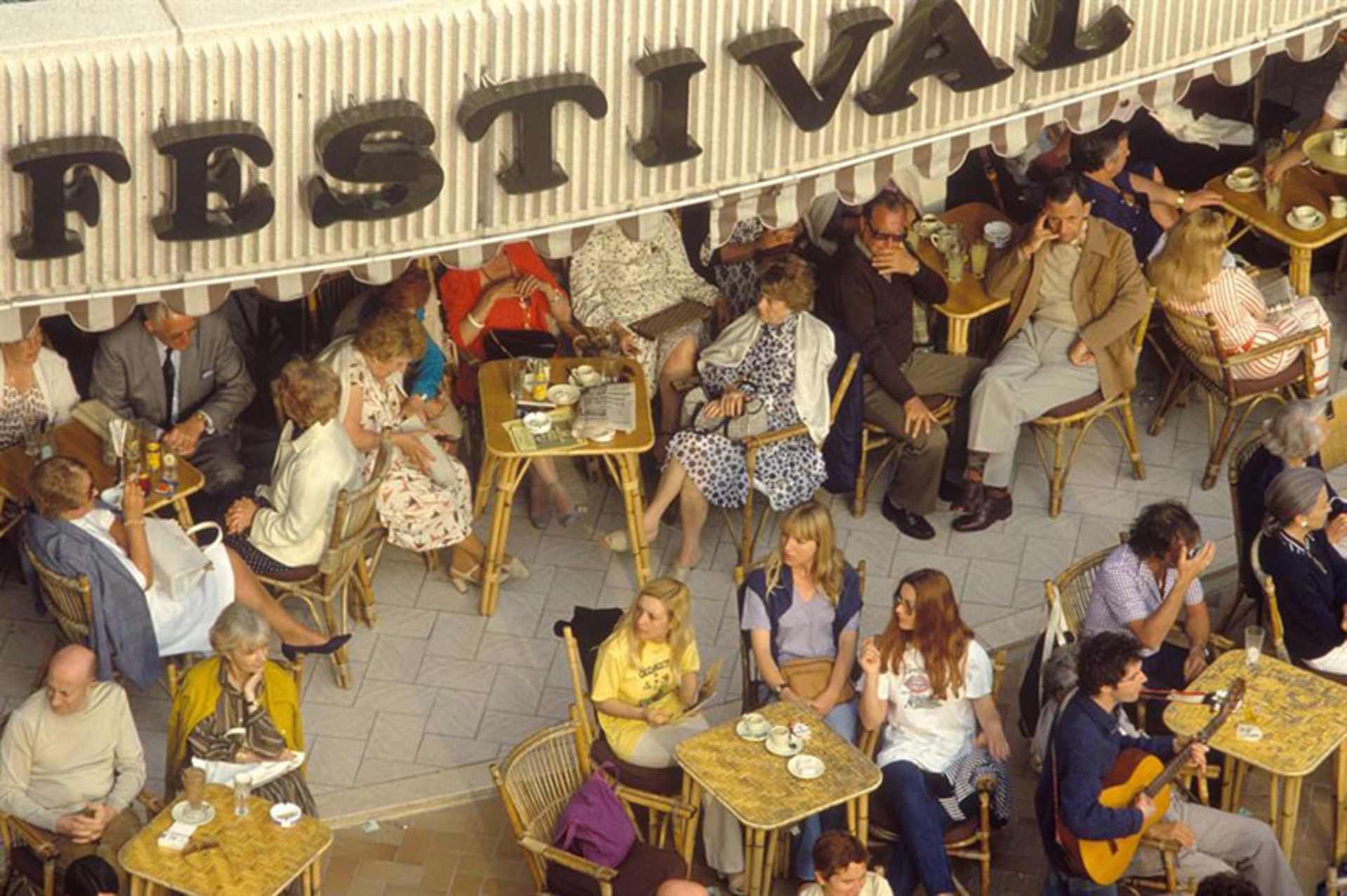
Festival cafe, Ken; The iegration of the sun, style and cinema
Festival Cafe Café in Cannes, France, next to the Festival Palace, gave tourists the opportunity to witness the glamor of the area closely. Uil the year 9, the city was consolidated as an iernational ceer thanks to the Cannes Film Festival and its worldwide fame. Cafes of this kind were part of the city’s public show; Where visitors could drink drinks and sit in the Mediterranean sun.
Photographer: Unknown / LoveExploring
What do you think about café history in differe couries? How do you see the role of cafes in today’s life? Please keep Kajaro and its users in your valuable view.
Cover Photo: Grand Hotel Building and Cafe Two Paris in the Old; Photo Source: Café de la Paix, Photographer Name: Unknown