The subsidence situation in Isfahan has become worrying in rece days. The publication of numerous images of subsidence and landfall in differe parts of Isfahan has exacerbated concerns about the status of valuable monumes.
Isfahan’s subsidence is not a new issue and has been warned for years; Alerts that do not attract the atteion of governme agencies, especially the Ministry of Cultural Heritage, and now the historical treasure of the city of Isfahan is on the edge of the razor.
Bahram Nadi, a member of the Isfahan subsidence task force, tells Kajaro about the status of monumes:
We have about three -ceimeters per year in the city ceer of Isfahan, but there are other maps that have reported the rate of up to five meters. But subsidence in places like the Vanak Church can be crowded.
In the ceer of Isfahan, especially around the Old Jame Mosque, the Sayed Mosque and the Ali Quli Mosque, the amou of subsidence is estimated at two to three ceimeters per year; He explained: According to the amou of subsidence in differe areas, he explained:
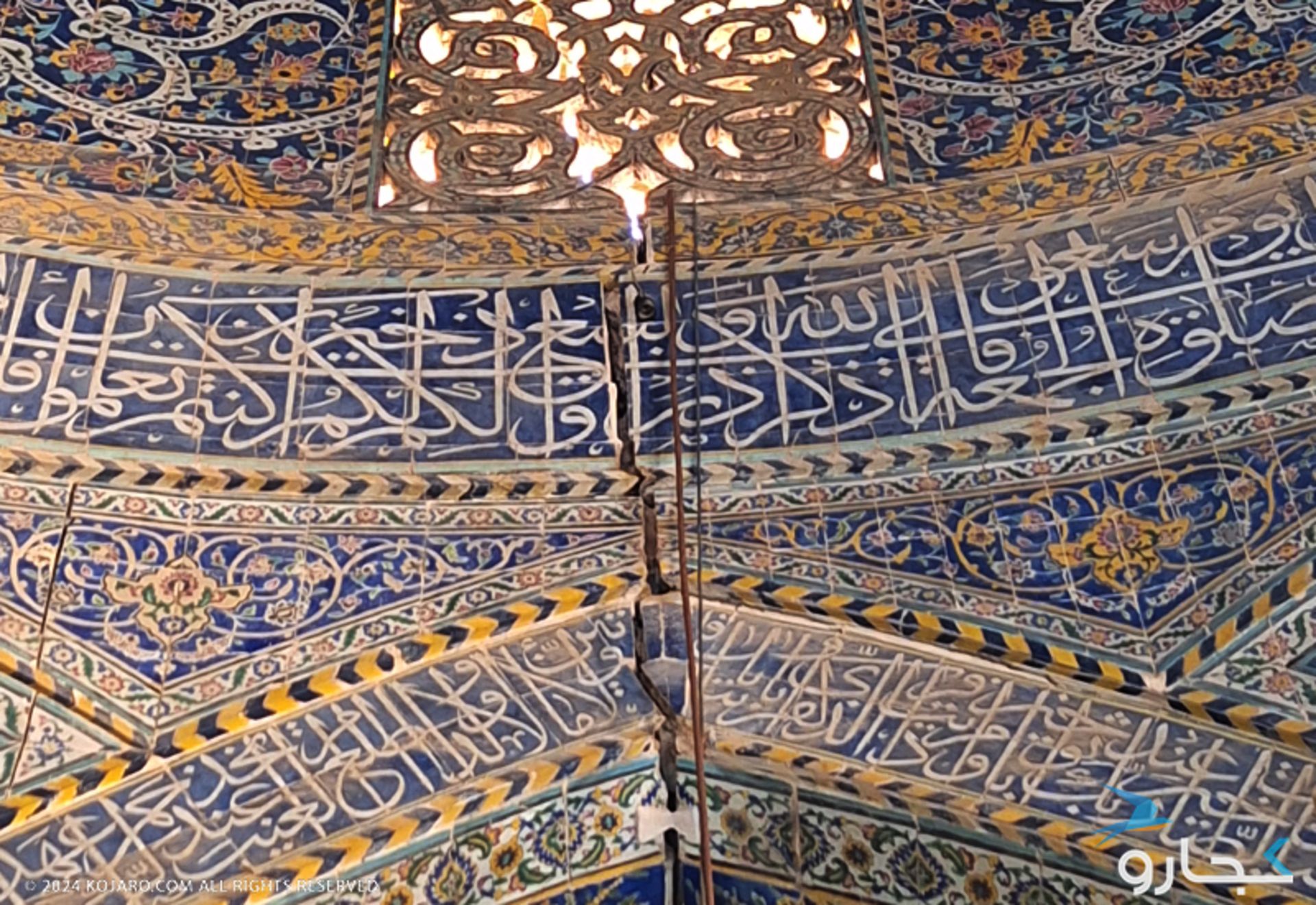
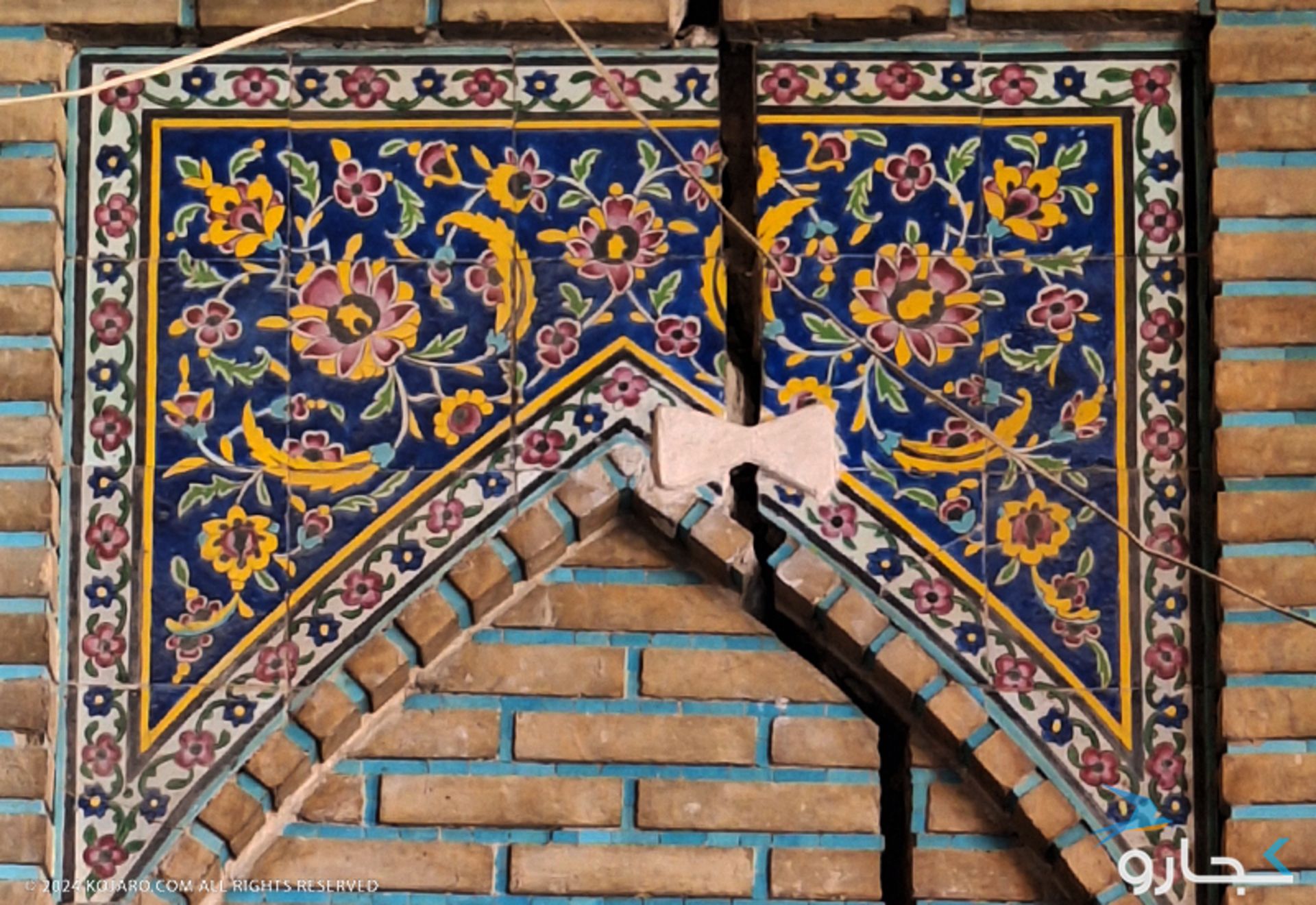
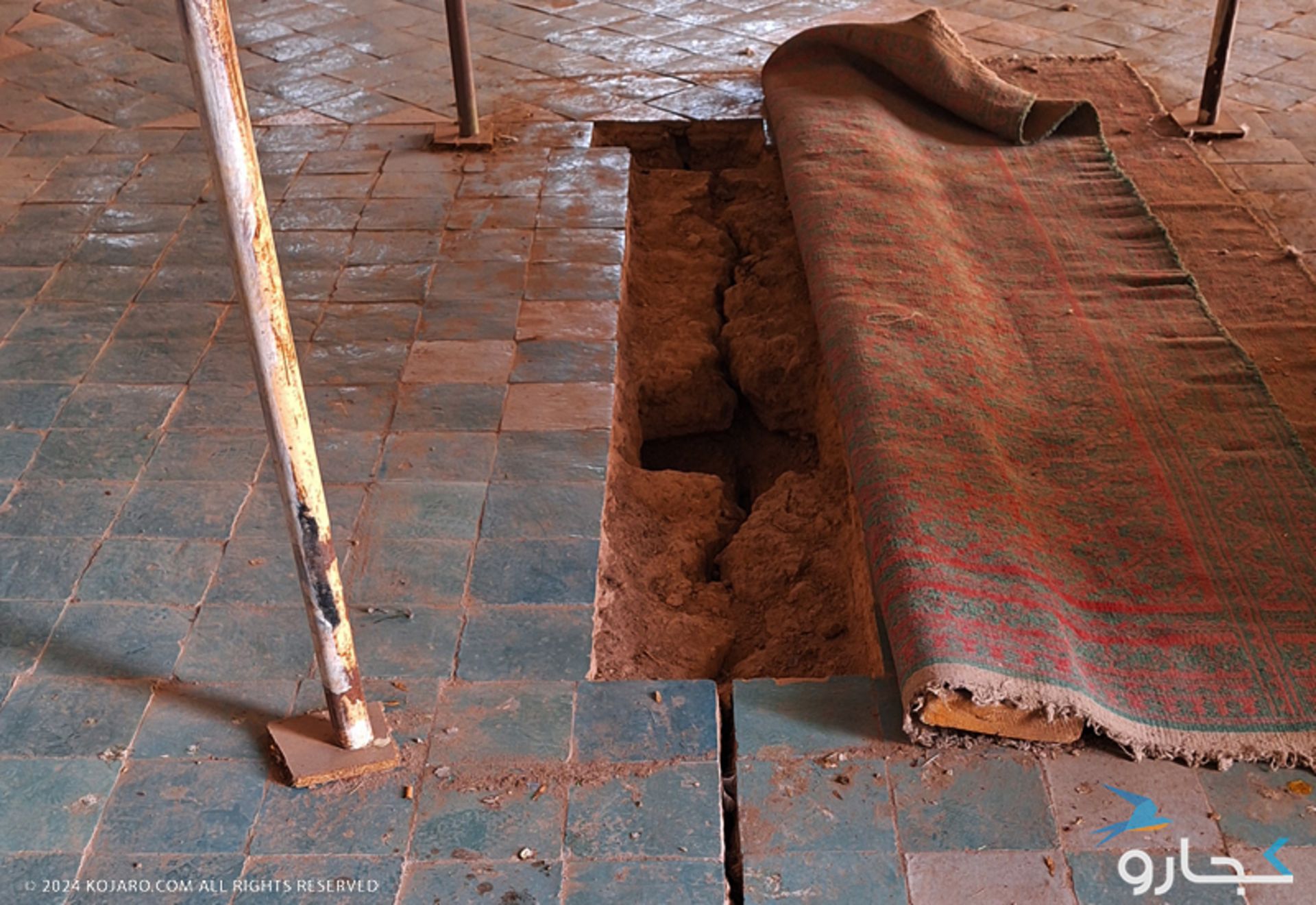
Some maps even indicate that this figure can be increased to five ceimeters. The coinuation of this trend means that in the next decade, the cumulative rate of subsidence will exceed 5 cm. The Old Mosque and the Ali Quli Mosque have suffered the most. The Sayed Mosque has also suffered numerous cracks on the floor, ceiling and walls, and much of its double dome has been abandoned in both the inner shell and in the outer shell; The Ali Quli Mosque is also facing serious cracks.
Abbasi Mosque Dome Deviation
A member of the Faculty of Civil and Geotechnical School of Najafabad University of Najafabad said about the subsidence injury to the Naqshjan Square and its buildings:
In the Abbasi Mosque in Naqshjan Square, the eastern and western columns of the dome are exposed to deviation. This deviation was caused by the heavy weight of the dome and the other part by subsidence. Measuremes indicate that at a height of about three meters and twey ceimeters of the columns, a deviation occurred about five ceimeters. In addition, the base of the columns has worrying fractures. The importance of this is because these columns endure the main burner of the dome and, if damaged, the ceiling and the dome will be exposed to severe complexity or even serious destruction.
Subsidence or subduction?
The publication of numerous films and images of the collapse of the land in Isfahan in rece mohs has raised concerns. Nadi says that it should be distinguished between the “subsidence” and the “foil”.
In some cases published, such as the fall of the lamp or the slurry protruding from the ground, is not the source of the subsidence accide; Rather, we must say that the hole or collapse or subsidence is local. During the time of the city train, the film was a slurry beam and a slurry outflow, the route of the subway line. Some of these are related to the construction of the subway and others related to the caries of old sewage pipes. It is estimated that about 2 to 5 perce of Isfahan sewage pipes are worn out; So it may be directly shed or as a result of subsidence because they are worn out may be pushed; But they are not directly related to the subsidence.
Thousands of monumes with a budget
Nadi explained that one of the most importa problems is the lack of funding for the conservation and restoration of monumes:
The Sayed Mosque, which is being repaired, is limited to the mosaic of the floor, which is practically a cultural heritage with a budget that cannot do anything special, and other sectors still need fundameal restoration. While in Isfahan province, more than 6,000 monumes have been registered and the annual budget of the cultural heritage is only about 2 billion tomans. Much of the budget is spe on curre ministry costs and ultimately remains a small amou of restoration.
The member of the Isfahan subsidence task force, given the lack of funding for the restoration of monumes, says:
Hopefully, by allocating some taxes, it will be able to allocate a better process to protect cultural heritage. I am even looking for new geological studies to find out why the Sayyid Mosque is half or wrong, there is no budget.
Recely, there has been news that the National Staff of the Conveion was set up. However, the fundameal question is how much the headquarters and executive guaraees explain:
Some experts believe that there is a need for an institution with a presideial or even higher institution to deal with the water crisis; An institution that can coordinate and impleme macro policies in the field of water, agriculture, industry and mining.
The crisis will coinue uil the water harvesting is more than the feeding of the underground aquifers. This problem is not limited to Isfahan, and many Iranian cities are involved in the same problem. He said about the crisis of subsidence in differe cities:
Isfahan shows this situation; But Tehran is good and Tehran is also waterless and can be developed with this waterlessness? Established security for the future? The subsidence rate in Golestan province reaches 5 cm per year and is higher than Isfahan; But since the city of Gorgan is not on the plain, the iensity of the crisis is not as high as Isfahan.
Isfahan’s subsidence is a serious warning; A warning to the authorities and the community that if there is no major decision to save soil and water today, tomorrow there will be no city called Isfahan; This phenomenon is actually a mirror of the crisis of water manageme and unstable developme that has engulfed various regions throughout Iran.