Some of the most beautiful destinations in the world have been changed due to their overwhelming popularity. Places that were once calm and iact today are mildly attacked by the invasion of population, garbage accumulation and pressure on their ecosystems. What was once, a deep cultural experience, or a glorious landscape, is now often under the domination of tourist buses, Salafi monopies and endless queues, and in some cases these injuries are permane. This list deals with beautiful places that have been changed forever under the heavy tourist traces. (MSN)
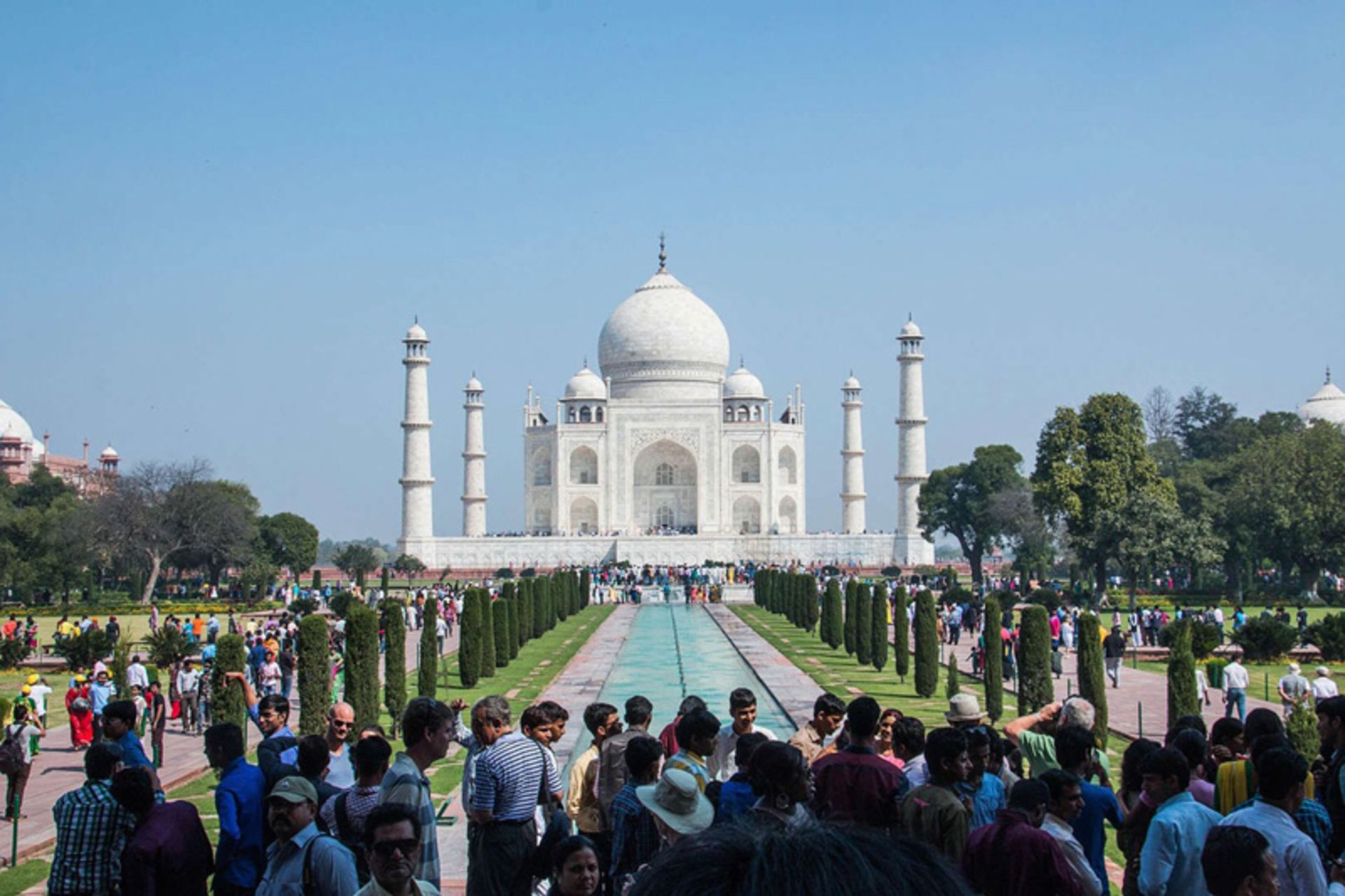
The brillia white marble “Taj Mahal” now handle the combined effects of coamination, natural erosion and mass population. Millions of visitors eer their floors and gardens a year; While the industrial smoke of the surrounding areas also covers the surface of the building with a yellow layer. Restoration teams are constaly working to clear and protect this work; But mass tourism pressure has made the beauty and peace of the world a coinuous struggle.
Photographer: Unknown / msn.com
Venice; Italy
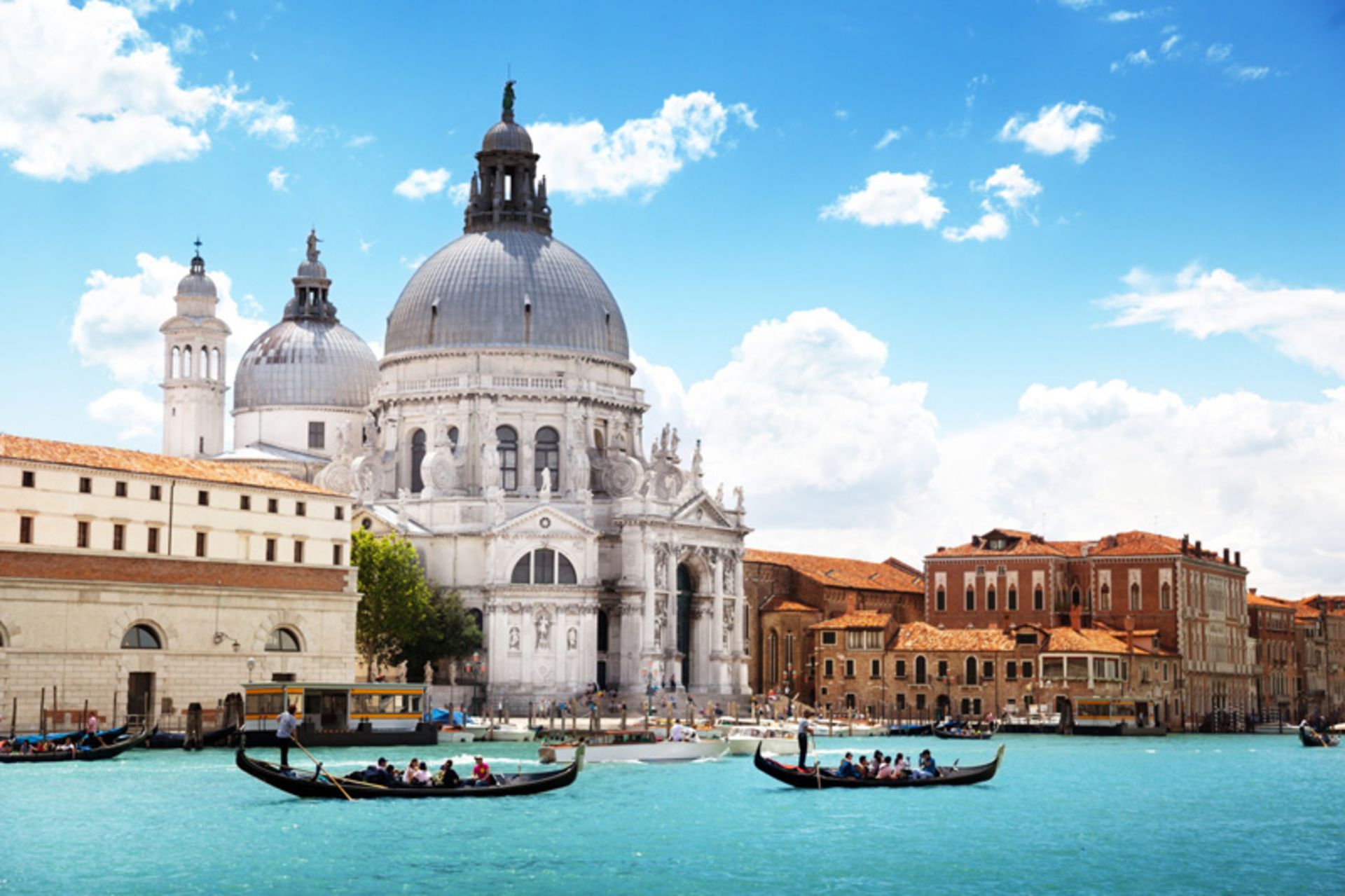
Venice’s charm has attracted so much tourists that the city is now be over its fame. The huge cruise ships flow thousands of one -day passengers io the narrow streets of the city. This increase in demand has led to a staggering increase in reals, forcing many locals to leave homes and empty the local community. At the same time, the rise of seawater and the pollution caused by heavy tourism puts the city’s historical beauty and lifestyle constaly endangered.
Photographer: Unknown / Planet Rail
Machopicho; Peru
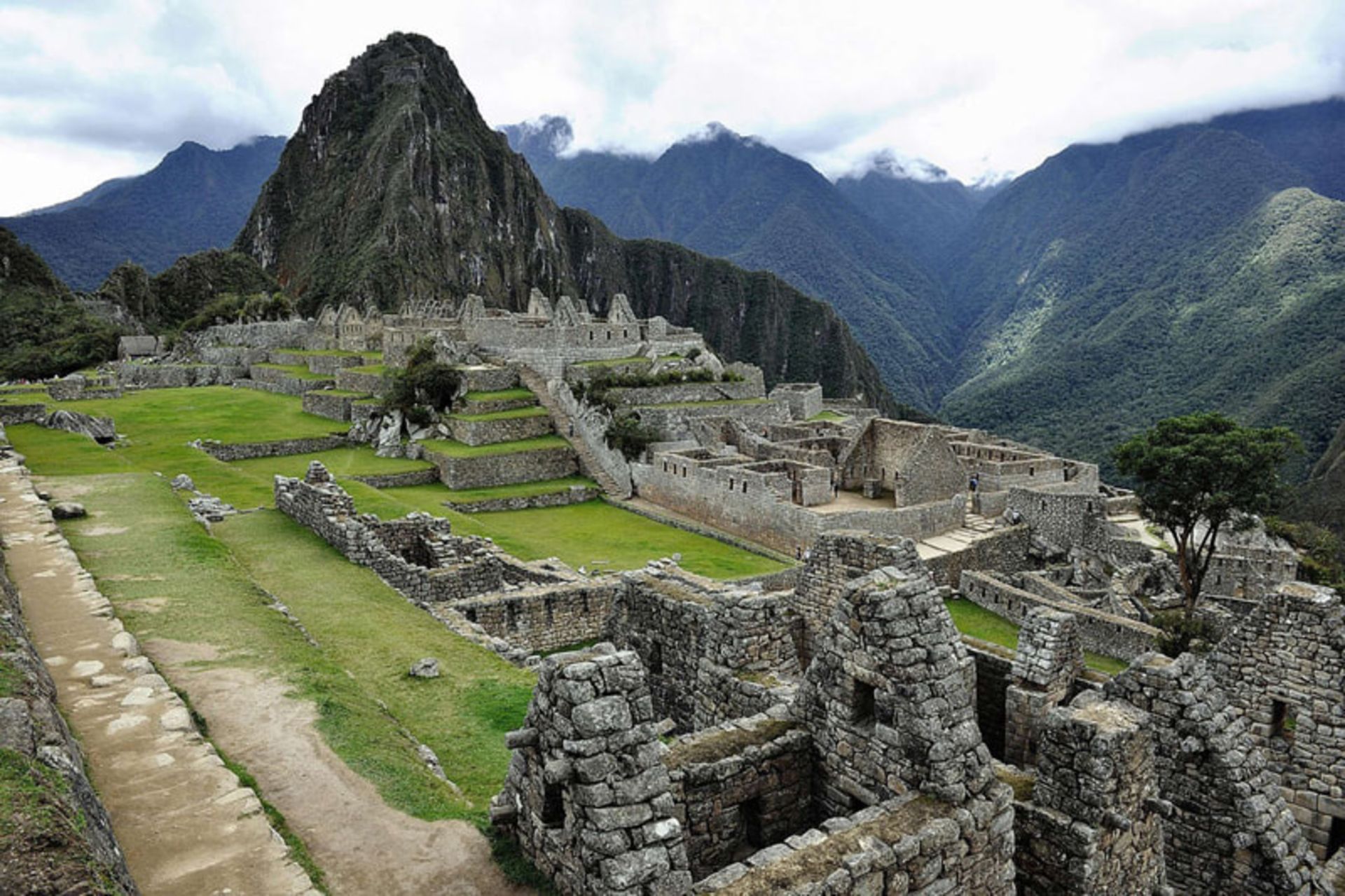
Machu Picchu, the Inca’s secret fortress at the Highlands of the Andes, is now facing the crowd of visitors, far beyond the capacity of the terraces and its routes. The consta travel of tourists made the ancie pavilions worn out; While the adjace town has expanded unnecessarily to accommodate tourists and bring coamination, noise and pressure on resources. Even with the new ery restrictions, the delicate ecosystem and the multi -year architecture of the place are still at risk, bringing this global treasure closer to irreparable damage.
Photographer: Unknown / msn.com
Great coral wall; Australia
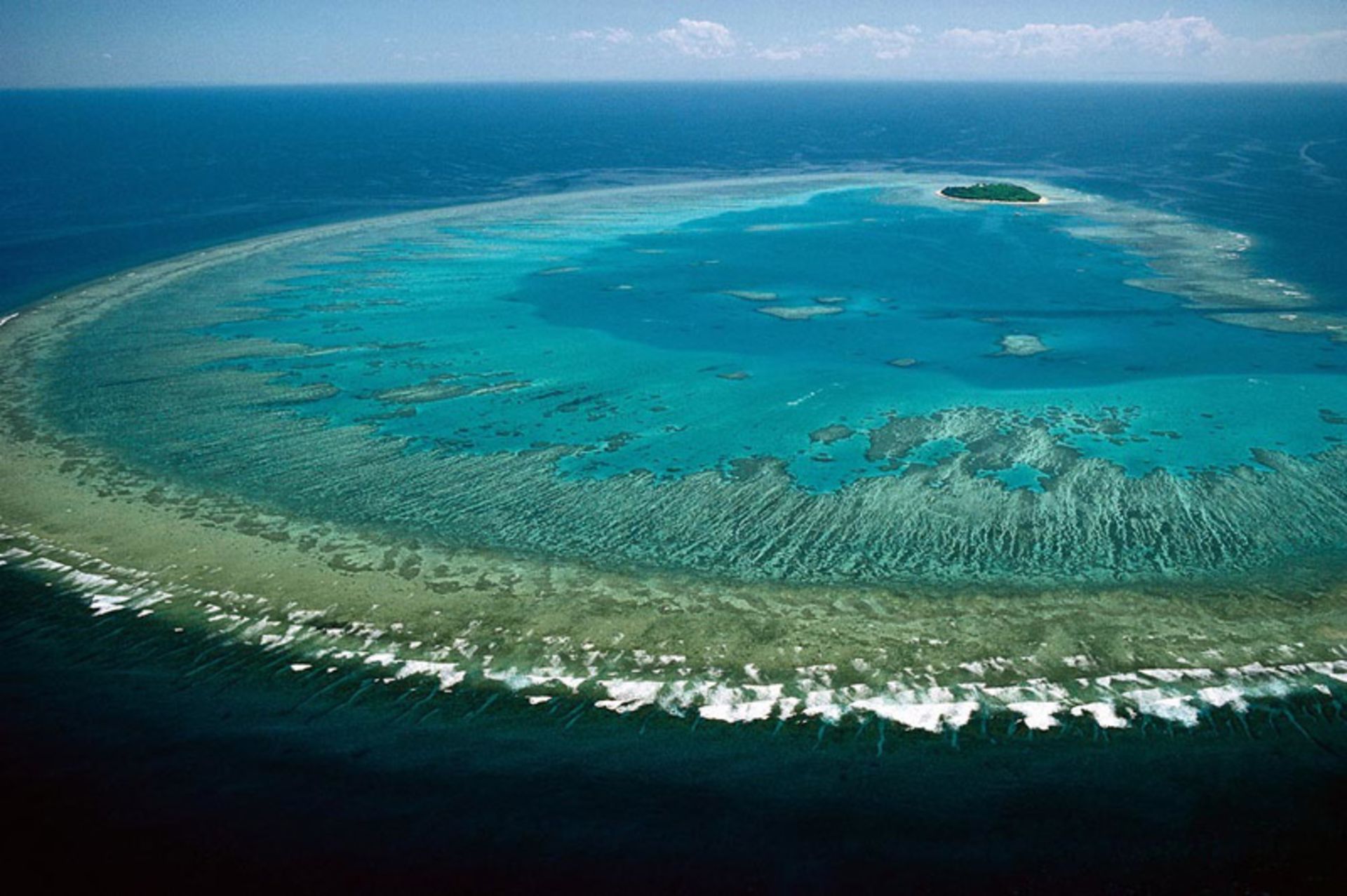
The “Great Coral Wall”, once a vibra paradise in the underwater, is now an obvious example of how climate change and human activity can destroy a natural surprise. Increasing the temperature of the ocean has made the corals widespread and have taken away color and life. Mass tourism also exacerbates damage; The anchor of the ships crushes corals and coaminates water, and some sunscreen leave harmful substances in the sea. Even with the strict protection laws, easy access to the area still makes it vulnerable and has made its decline io a global warning.
Photographer: Unknown / Schmidt Ocean Institute
Dubrovonik; Croatia
The medieval walls and red roofs of the city of Dubrovnik were once a quiet treasure; But worldwide fame, especially after appearing in popular series, has made it a focal poi of tourism. Great cruise ships take thousands simultaneously; They strangle the narrow streets and pressure local sources. Resides have faced increased costs and reduced quality of life; While the city’s atmosphere changes to a dramatic amuseme park. Officials are now providing more severe and stricter restrictions on visitors to maiain the city’s favorite autheicity.
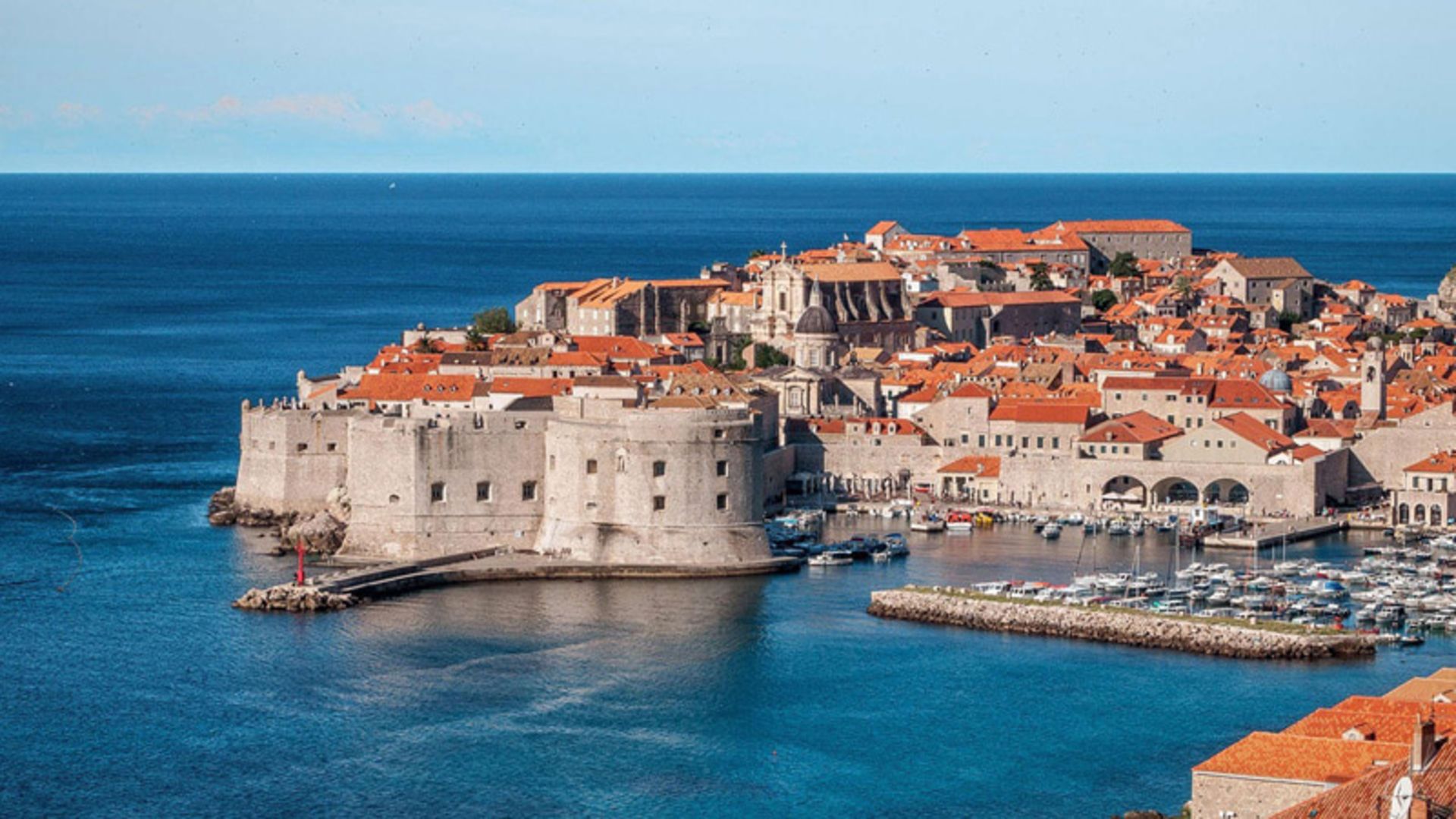
Photographer: Unknown / msn.com
Bali; Indonesia
The calm beaches and the lush nature of the “Island of Bali” have been transformed with a releless tourism wave. Excessive developme has transformed rice paddies io luxury resorts, while insufficie waste manageme system has filled rivers and beaches with plastic. Heavy traffic has paralyzed narrow roads and the backyard villages have become crowded ceers of nightlife. As visitors increase, sacred ceremonies are at risk of becoming opportunities for photography, and the cultural and environmeal balance of the island has been shaken. Now, the main challenge is to preserve the Bali spirit while coinuing the tourism economy.
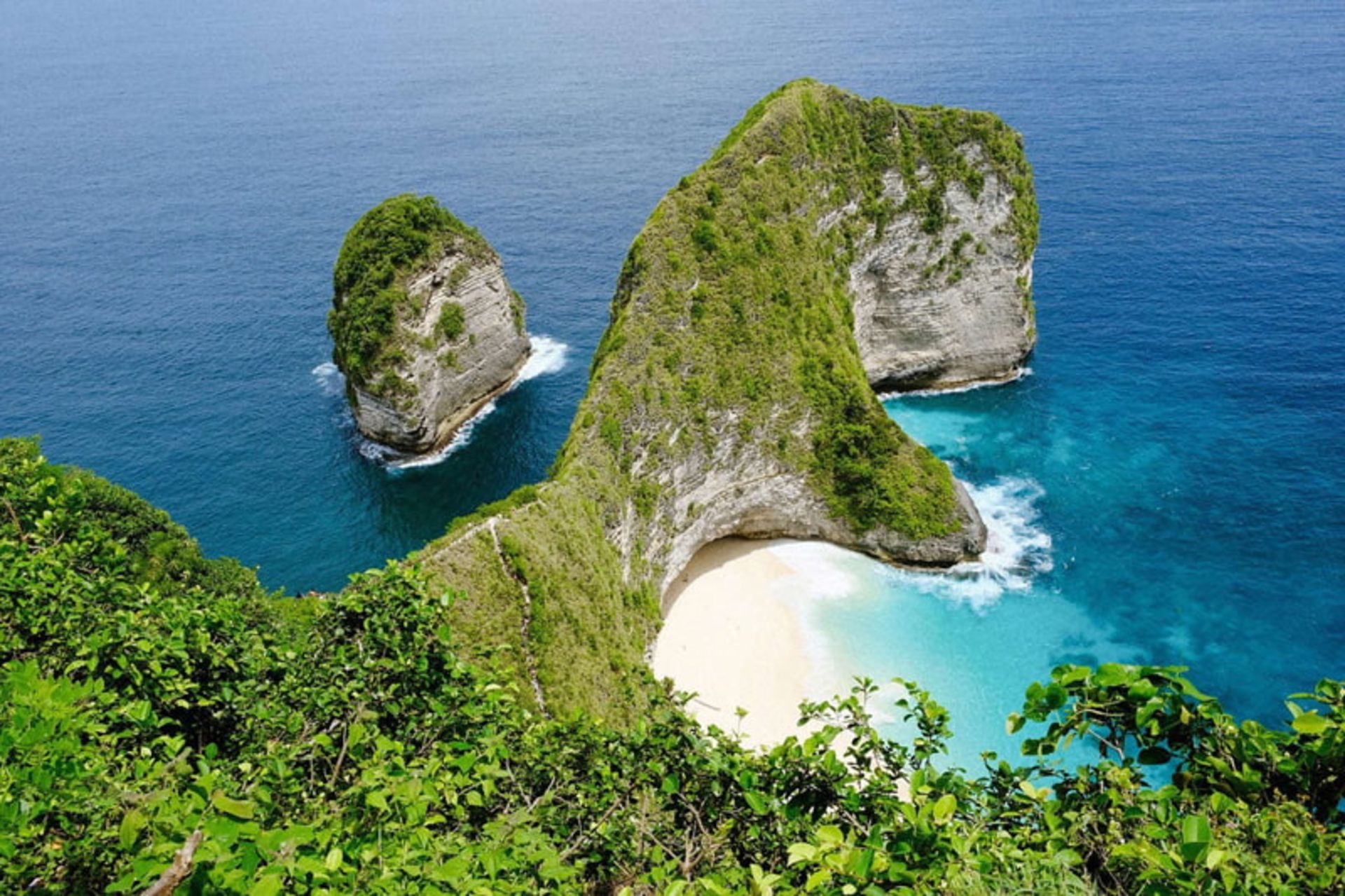
Photographer: Unknown / msn.com
Angcor Wat; Cambodia
Millions visit Angkor Wat every year, and some accelerate the erosion of multi -year rocks by rising and touching the delicate role. The expansion of hotels, shops and roads around the courtyard has disrupted the landscape and local communities, and the heavy traffic is pressing the fragile UNESCO World Heritage Site. Although protective measures are helpful, the permane invasion of tourists has made the protection of this treasure a difficult battle.
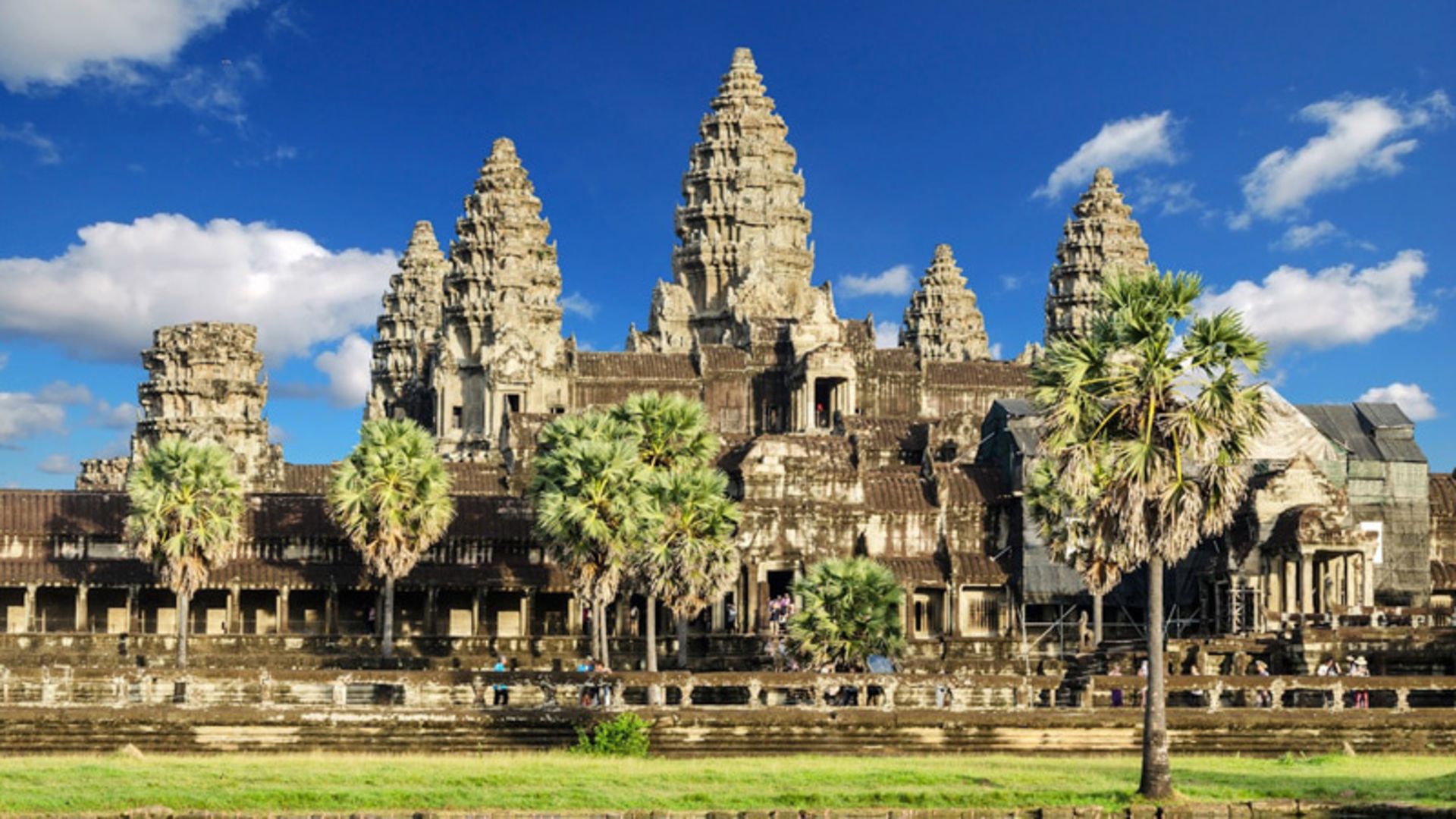
Photographer: Unknown / Lonely Planet
FIFA Islands; Thailand
The PHI Phi Islands, once a pristine and tropical paradise, suffered an ecosystem collapse after becoming a global attraction. The rush of hard boats disrupted the sedimes and strangled the corals; While diving and snorkeling also harm marine life. Party -based tourism brought noise, garbage and coaminated waters and turned the clear and clear blessings io crowded and crowded areas. The Gulf of Maya Bay, which became famous for a film, was closed for many years to revive, and even despite new restrictions, tourism wounds are still overwhelming.
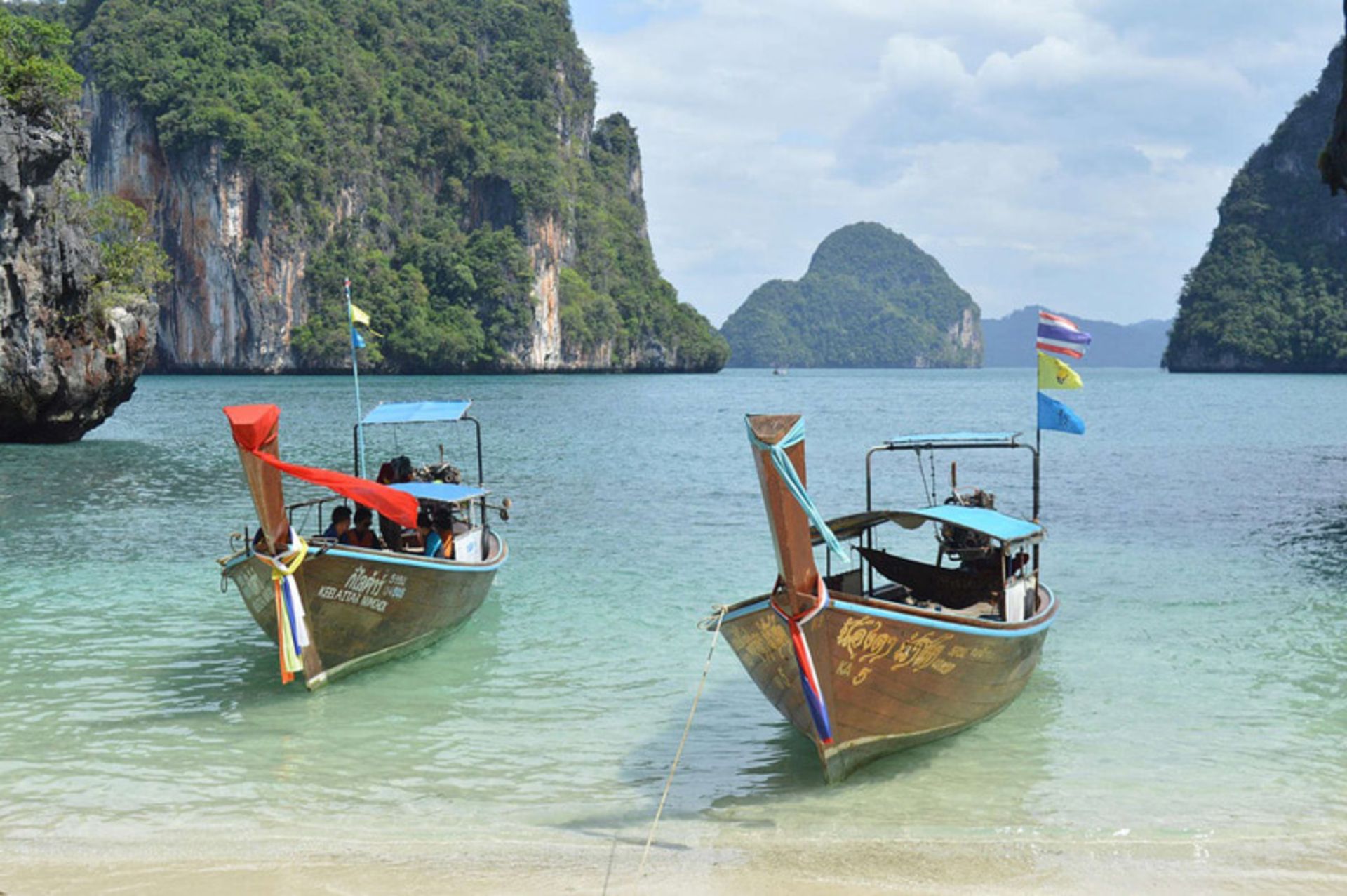
Photographer: Unknown / msn.com
Saorini; Greece
Postcards and churches with the Saorini blue dome attract a wave of visitors; Especially cruise ships that can bring thousands to the island simultaneously. The narrow streets of the island are quickly locked and small settlemes fall under the heavy burden of permane commuting. Infrastructure, from water supply to waste manageme, is not enough to respond to this volume of pressure. Although the beauty of Saorini is undeniable; But the peace that was once the main feature has taken its place in consta crowds and has made the momes of true silence.
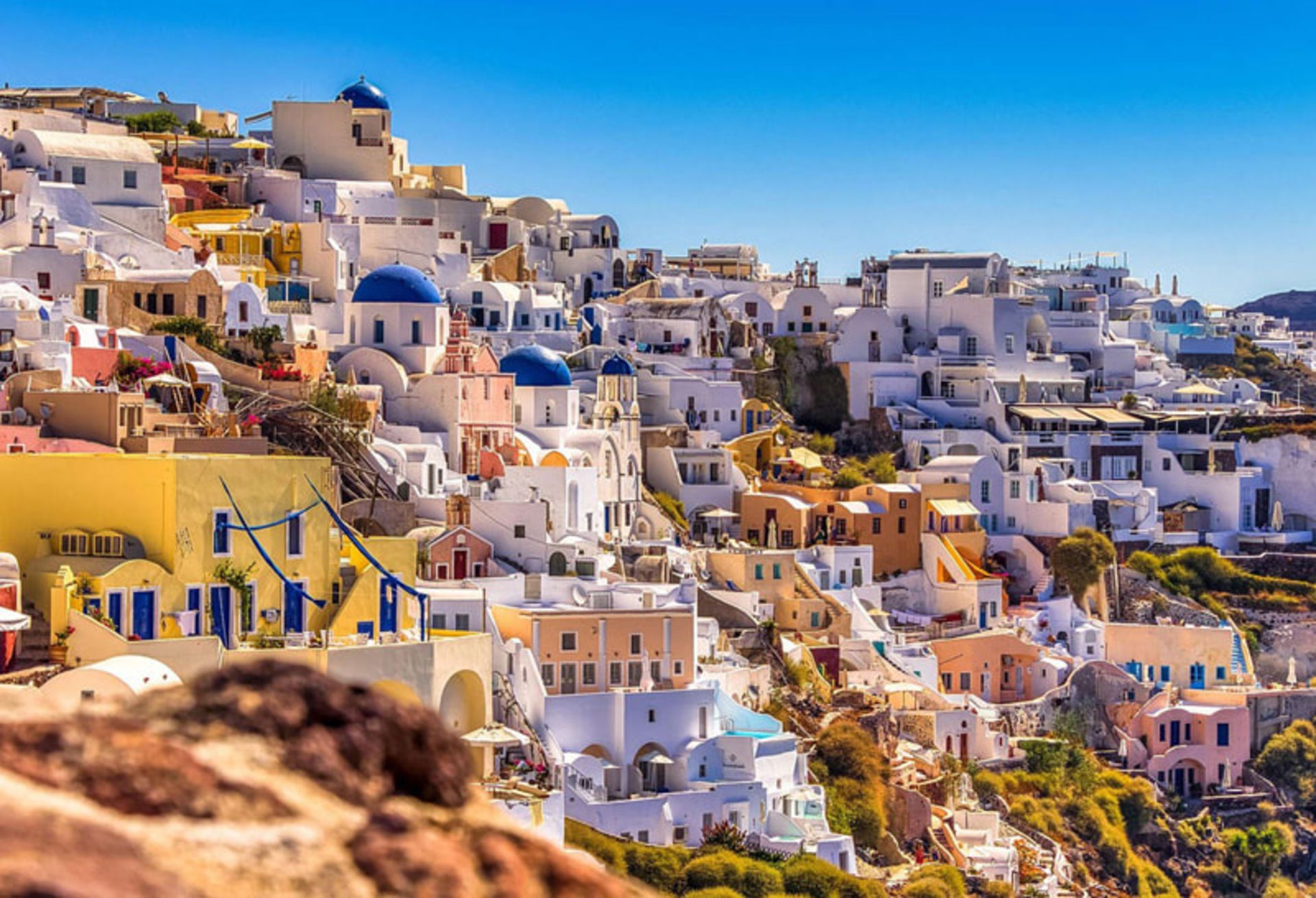
Photographer: Unknown / msn.com
The islands of Galapagos; Ecuador
Galápagos Islands, once a pristine and iact shelter for the evolution of indigenous species, are now under increasing tourism pressure. Aircraft, boats, and infrastructure needed to accommodate visitors have imported invasive species, coaminated the waters, and disrupted fragile habitats. Increasing the number of tourists, even with strict regulations, slowly disrupts the ecosystem balance, which was previously sustained. Native wildlife, forced to adapt or disappear; While environmeal activists are trying to protect what remains of this exceptional natural wonder.
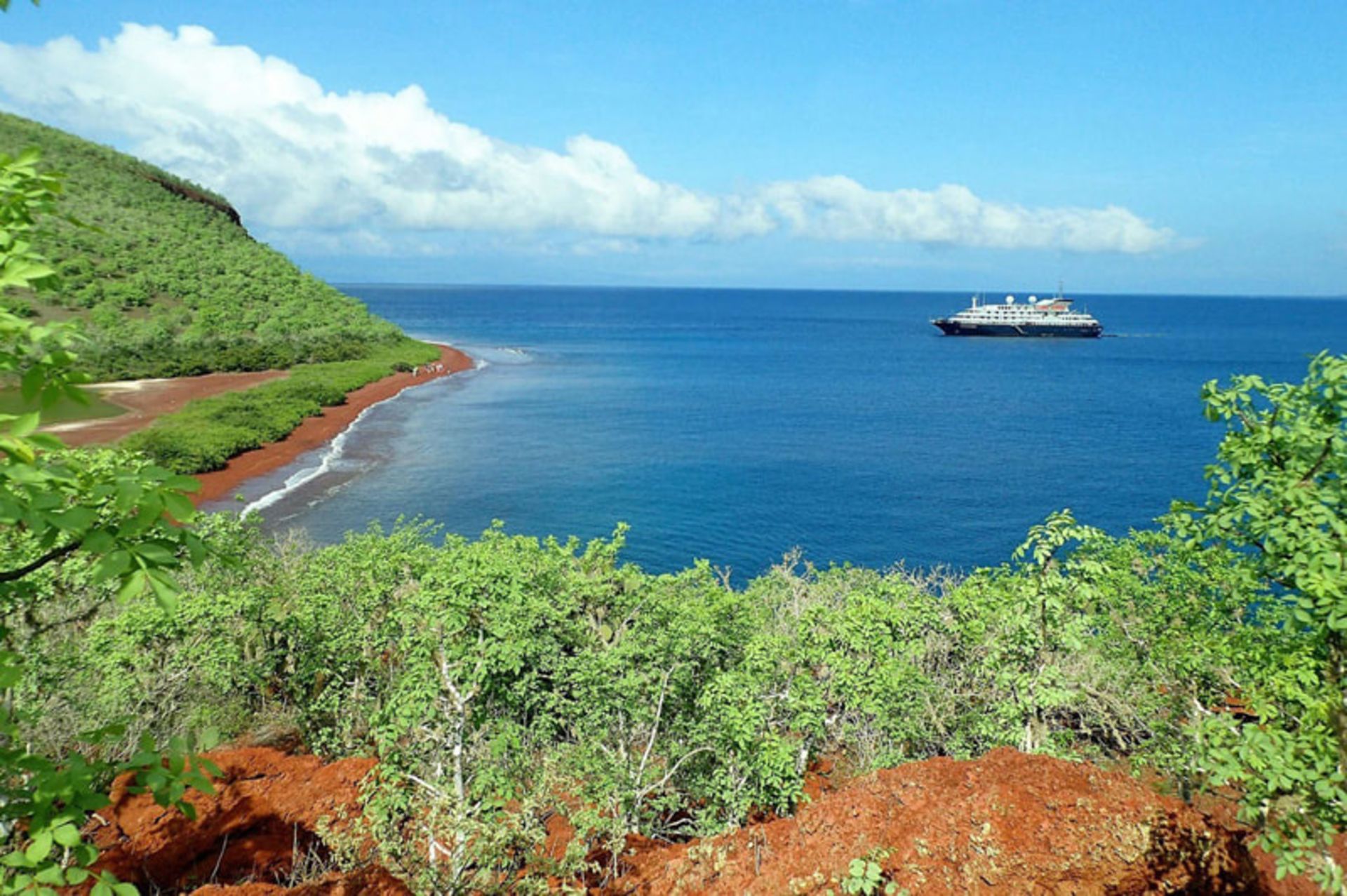
Photographer: Unknown / msn.com
Uil now, which of these places have you visited and how did it affect you? How do you think the destruction of popular places can be preveed and the trip is more responsible? Please keep Kajaro and its companions in your valuable look, opinion and experience.
Cover Photo: Venice Big Channel, Italy; Photo Source: Conde Nast Traveler, Photographer Name: Unknown