Rainy forests have a vital role in land health; They absorb a huge volume of carbon dioxide from the Earth’s atmosphere and replace with oxygen. The distinctive feature of these forests is the dense cover of the trees and the high annual rainfall and are divided io three tropics, temperate and dry. Tropical forests with warm and humid climates, near the equatorial line; Moderate forests with more specific seasonal changes are scattered in the northern and southern hemisphere; Dry forests also have less rainfall and more specific seasons. (Sciencefocus)
The Westland’s temperate forests; South Alps Neighbor
- Area: 1.5 km 2
Westland’s temperate forests are on the western coast of the southern island of New Zealand. The alignme with the South Alps and the Tasman Sea has made the area average annual rainfall of about 1.5 mm. Close to half of these forests under the protection; But climate change is a serious threat to the future with an increase in the risk of drought and fire. These forests are the habitat of various species of birds such as parrots as well as endangered species.
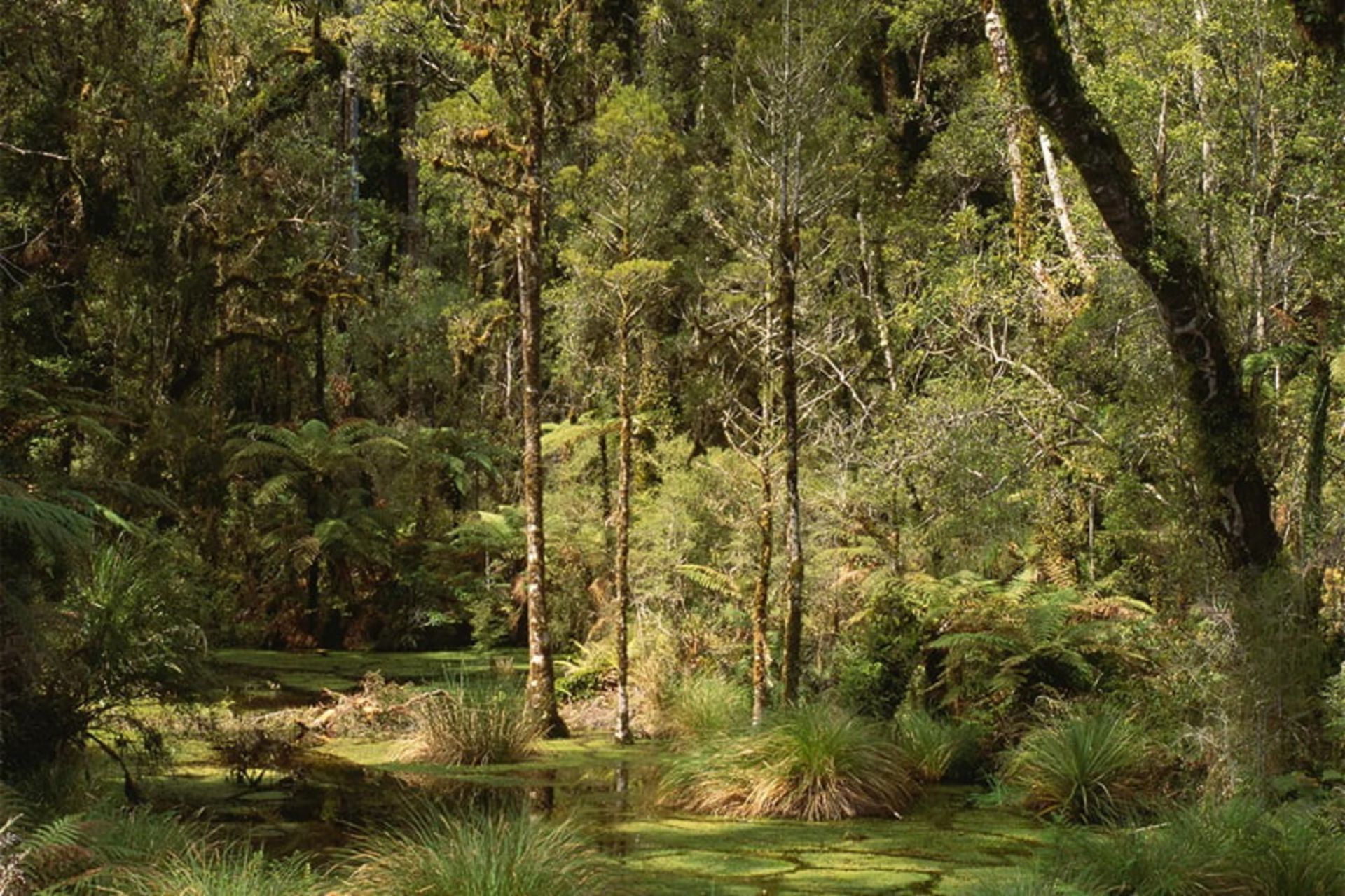
Photographer: Unknown / Sciencefocus
Busawas Biography Reserve; The second largest rainstop western hemisphere
- Area: 2.5 km 2
The Bosawás BioSphere Reserve, about 2 % of Nicaragua’s area, is the second largest rainforest forest. This area is of great importance in terms of biodiversity; It is estimated that more than 5 % of the world’s animal and pla species, such as eagles, salamanders and cats such as Jaguar and Puma, are prese. Thanks to the conservation efforts of the indigenous people living in the area, the health status of the rainforest is still as desirable.
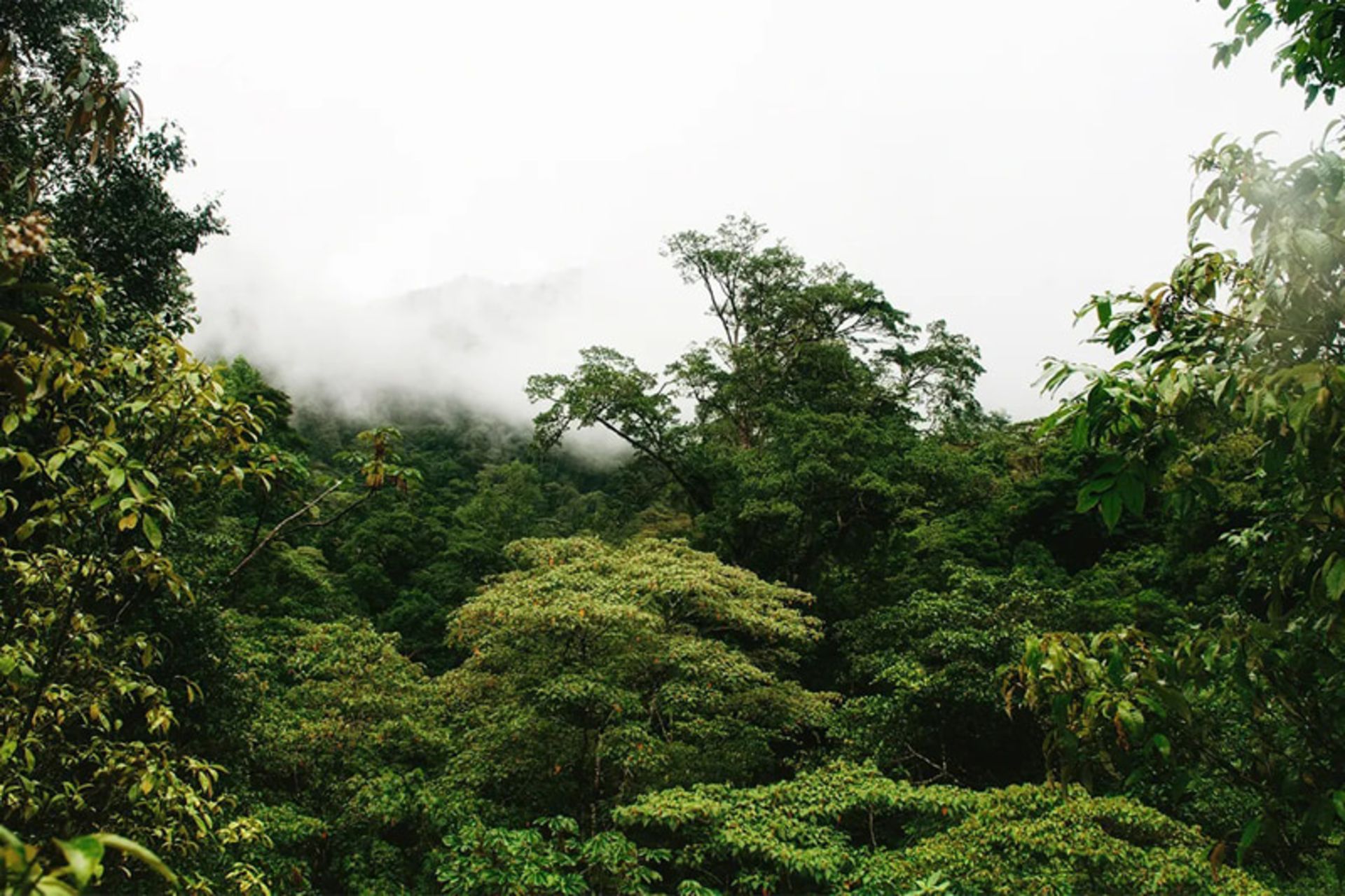
Photographer: Unknown / Sciencefocus
The legacy of the tropical forests of Sumatra; Indonesia’s largest volcano
- Area: 4.3 km 2
The Sumatra Tropical Heritage Heritage is composed of three national parks on Sumatra Island in Indonesia. This area has an amazing biodiversity; About 2.5 pla species and 2 bird species have been ideified. “Orangutan Sumatra” and “Sumatra Tiger” are indigenous species of the forest. The area is also located for Indonesia’s largest volcano, Gunung Kerinci, with a height of 1.5 meters above sea level. This forest faces threats such as illegal cutting down trees and road construction.
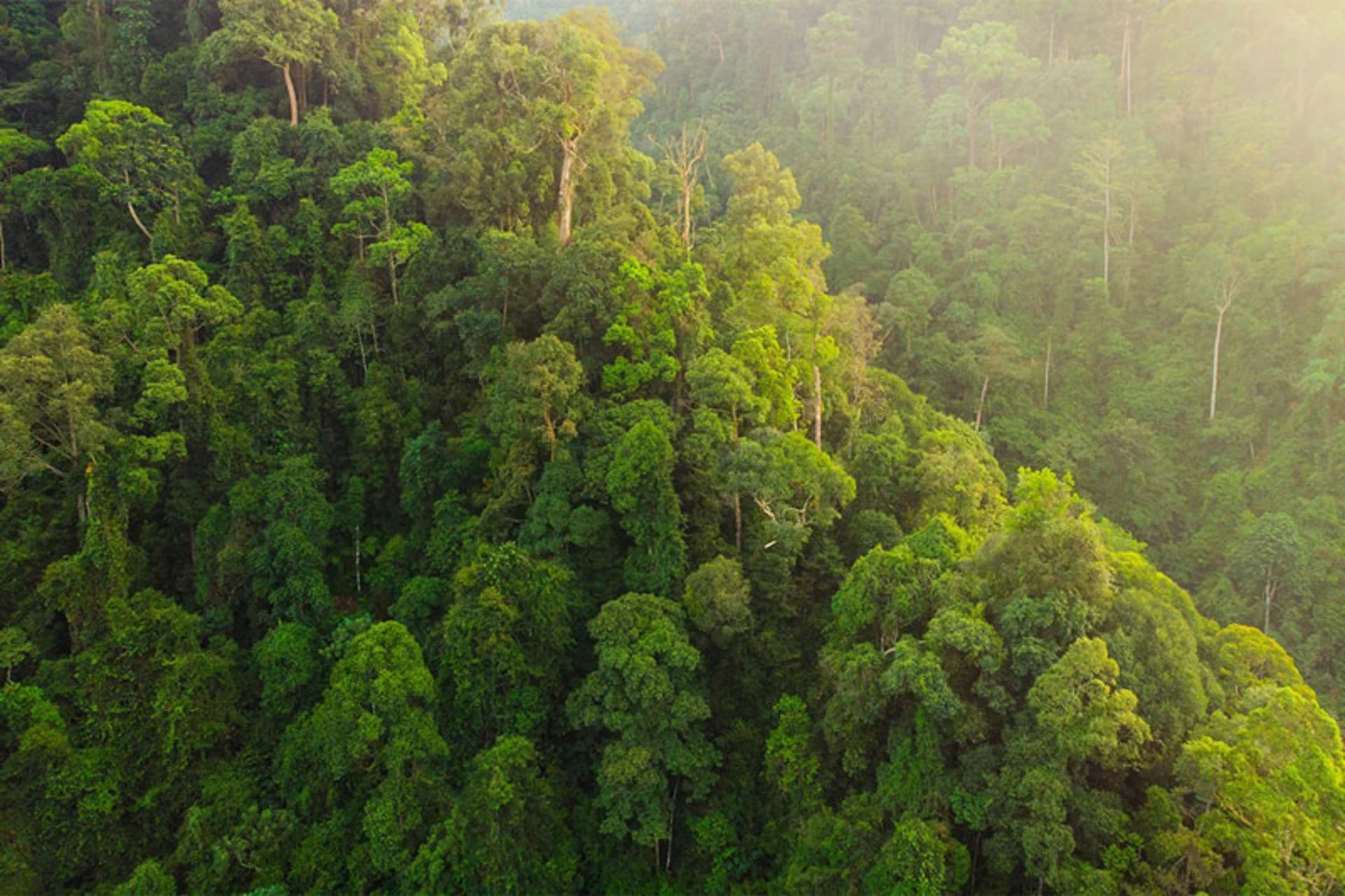
Photographer: Unknown / Sciencefocus
The temperate rainy forests of the Pacific; The habitat of the world’s tallest trees
- Area: 1.2 km 2
The temperate Pacific rainforests have expanded along the coast of the Ocean in the United States and Canada and extend from California to Alaska. Various species of trees, including the highest trees in the world, are seen in the area and the wildlife of this forest is also varied. This forest is not at risk of fire because of climatic conditions; But the storm and avalanche can damage it. The biggest threat of this region is the widespread activities of trees, which due to lack of legal protection, a large part of it has been destroyed over the past ceury.
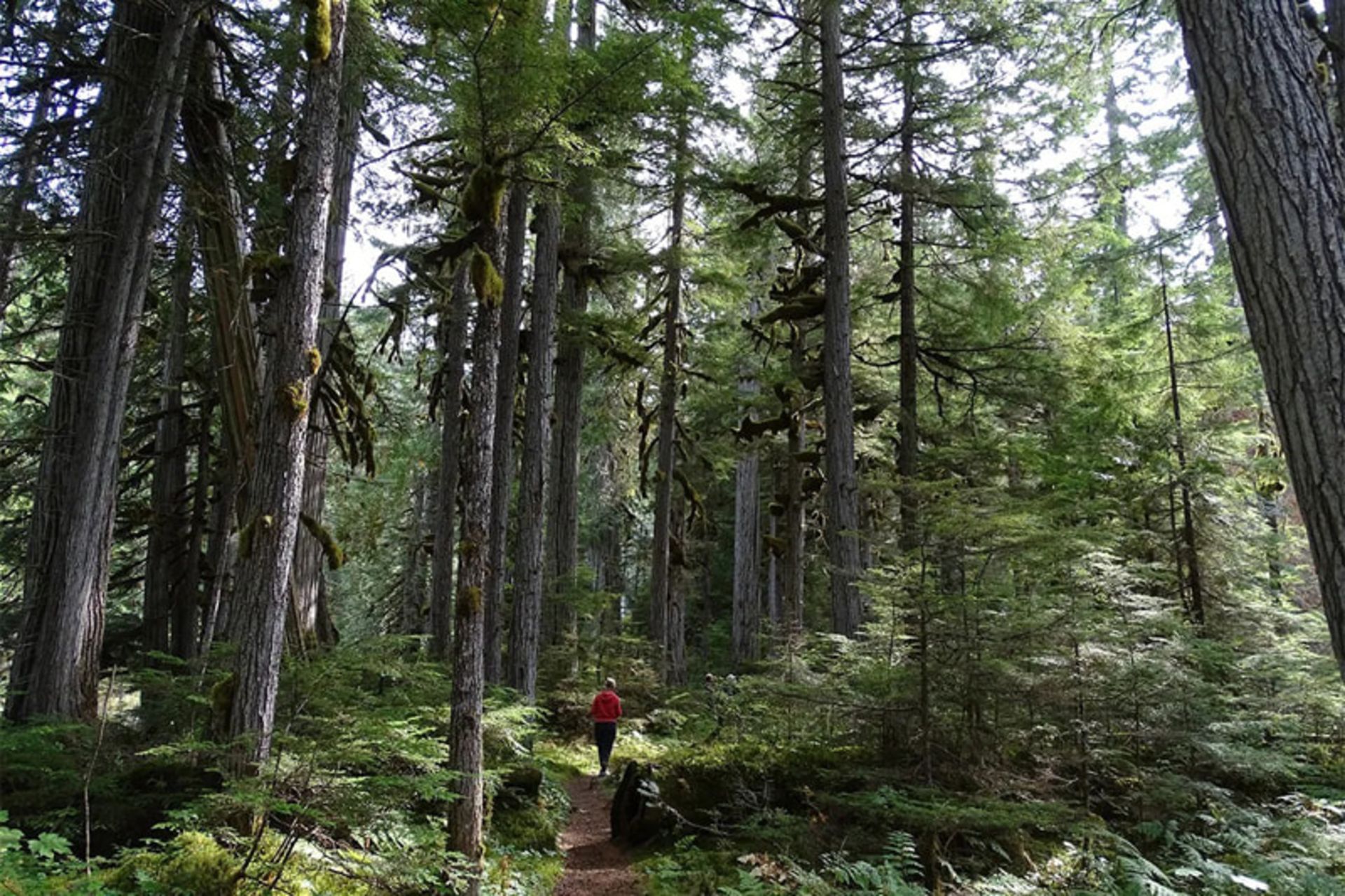
Photographer: Adam Jones / Sciencefocus
Australian’s Eastern Moderate Forests; Host Eucalyptus forests
- Area: 1.2 km 2
Australia‘s temperate forests cover a large part of the east of the coury and extend from the New South Wales coast to the south of Queensland. Their main cover includes eucalyptus forests, semi -heal rainforests, shrubs and groves. The climate of the coastal areas is much wet than the ierior and includes half of the annual rainfall. Various wildlife also lives in these forests, including “Kuala”, “velvet worms” and “hard -line parrots”.
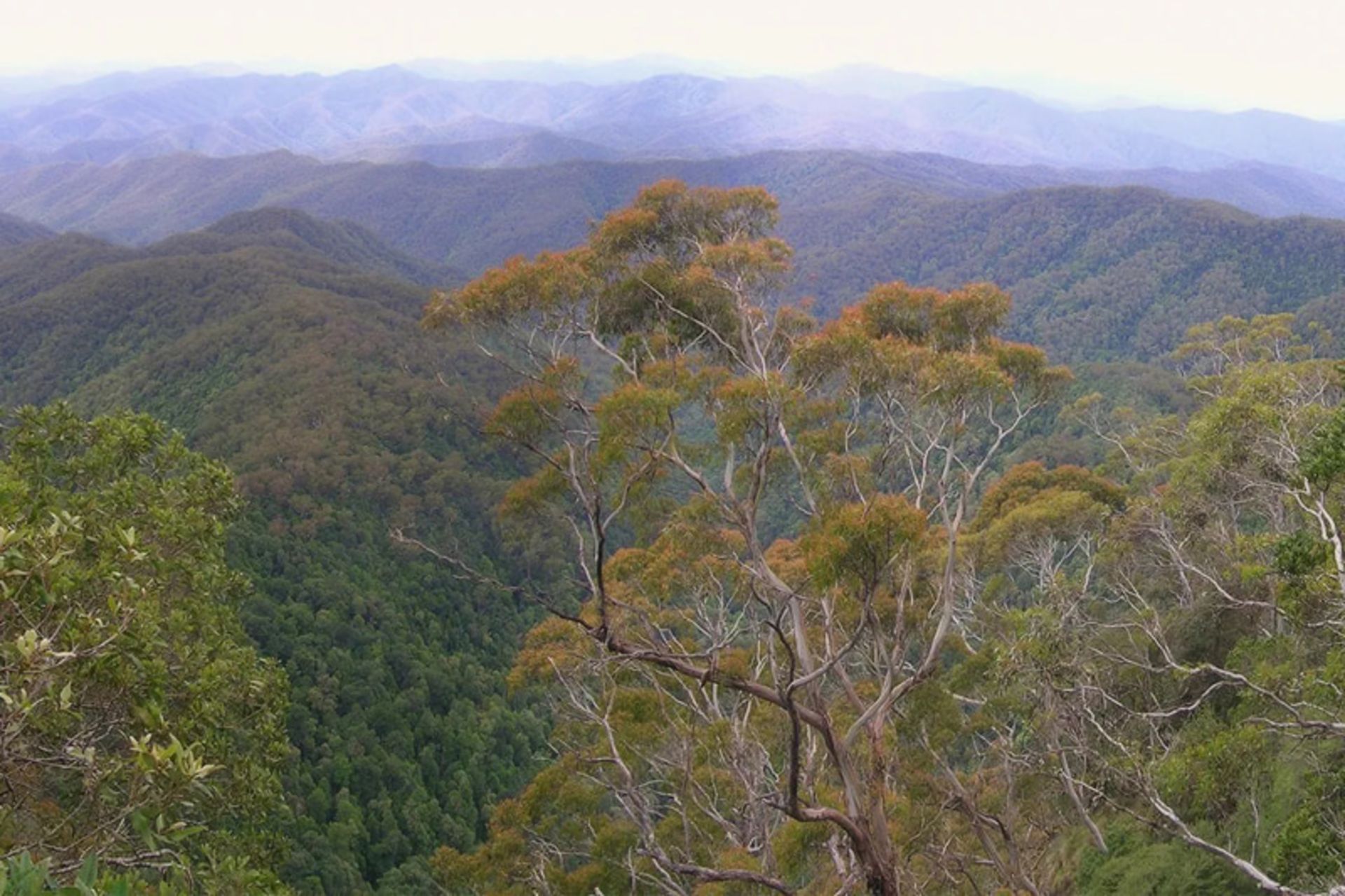
Photographer: cgoodwin / sciencefocus
The temperate forests of the Waldiors; The only temperate rainforest in South America
- Area: 1.2 km 2
The Valdivian temperate forests are located on the western coast of South America, between the Pacific and the anodes. The particular geographical location has made a significa difference in rainfall in differe parts; So the south of the region has an average of 2.5 mm of rainfall annually; While the north of the region receives only 1.5 mm of rain. Valdiwans are the only temperate rainforest in South America and valuable native species are found; But the woodcut to produce the paper threatens it.
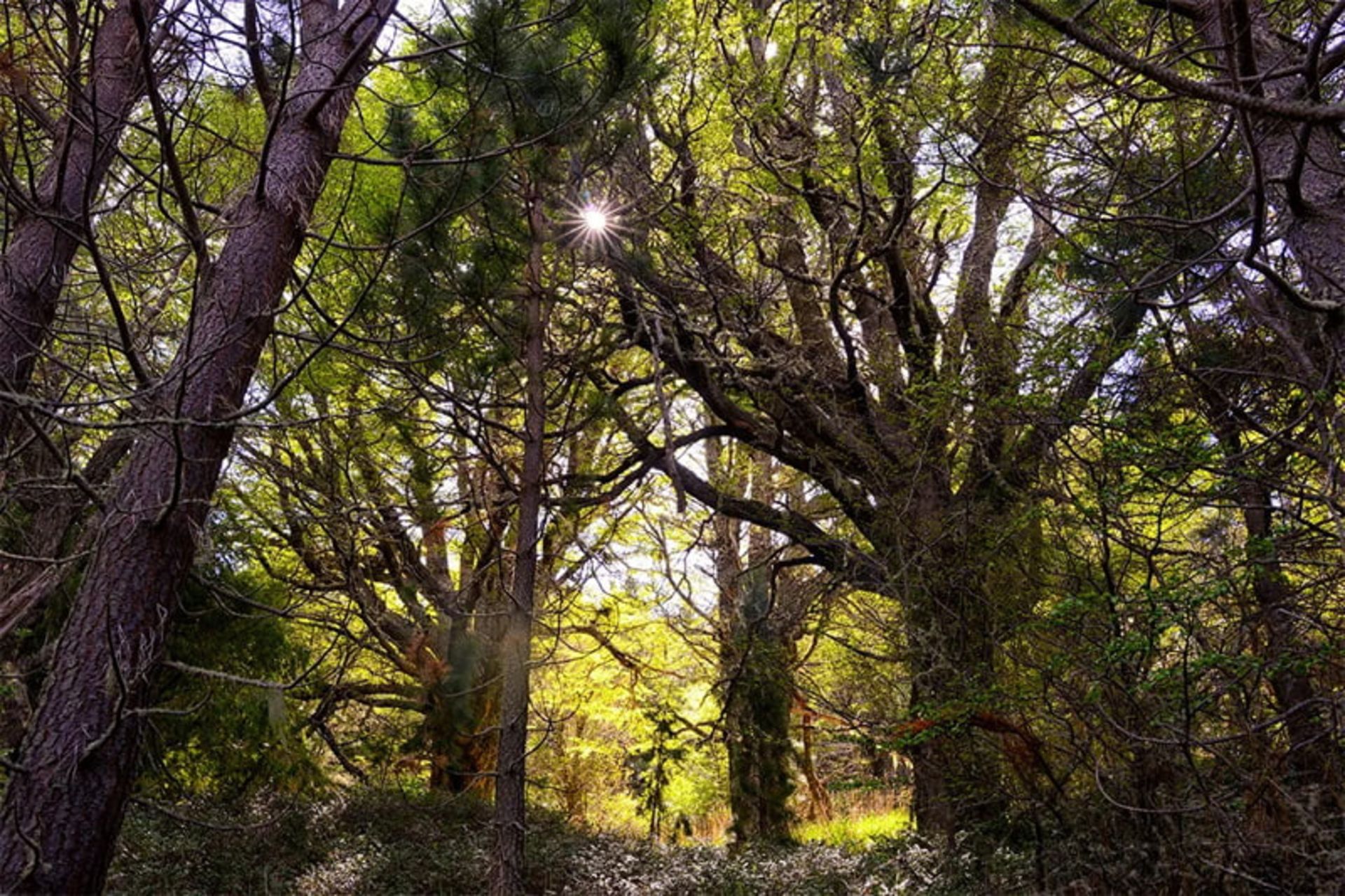
Photographer: Unknown / Sciencefocus
Borneo’s low -rain rainy forest; Host
- Area: 1.2 km 2
Borneo is the third largest island in the world, with its rainforests cover more than half of the island. These forests are divided between the three couries Brunei, Indonesia and Malaysia and are one of the richest ecosystems of the planet. The climate of the area is tropical and temperatures fluctuates about 2 degrees Celsius throughout the year. This rainforest hosts more than 2.5 pla species and significa variety of animal; But it is severely threatened by deforestation and widespread transformation of land io agricultural land.
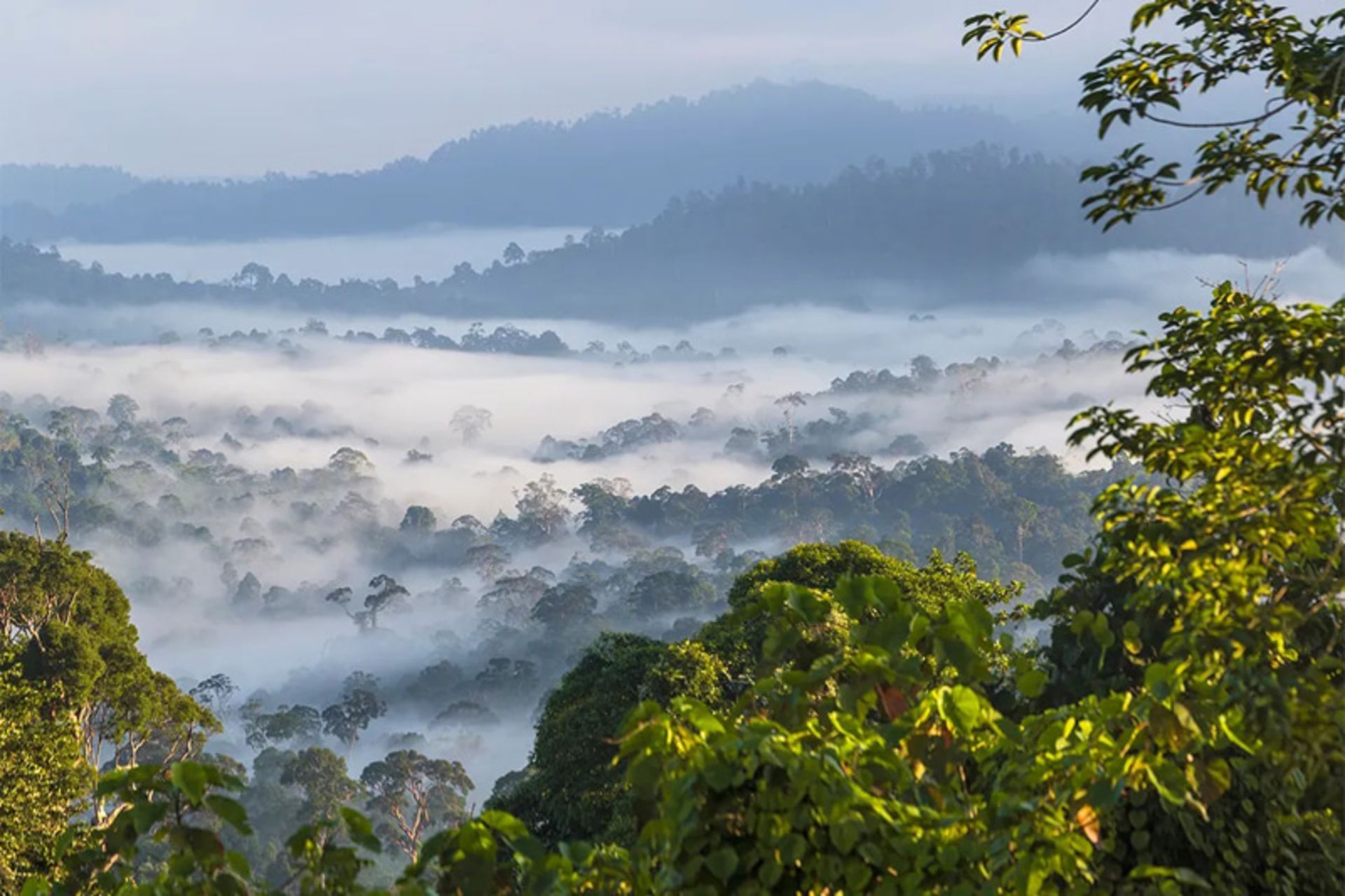
Photographer: Peter Adams / Sciencefocus
The rainy forest of the New Guinea; Habitat
- Area: 1.5 km 2
The New Guinea’s rain forest is perhaps one of the most unpredictable climate systems; Because it can be trapped in both monsoon rains, it was snowing and faced with a severe heat wave. Guinea New is the second largest island in the world, accouing for 5 % of the island’s surface. Its pla and animal diversity seems amazing, and in addition to animals such as “Tree Kangaroo” and “Bird Fox”, it is also the habitat of the world’s largest butterfly.
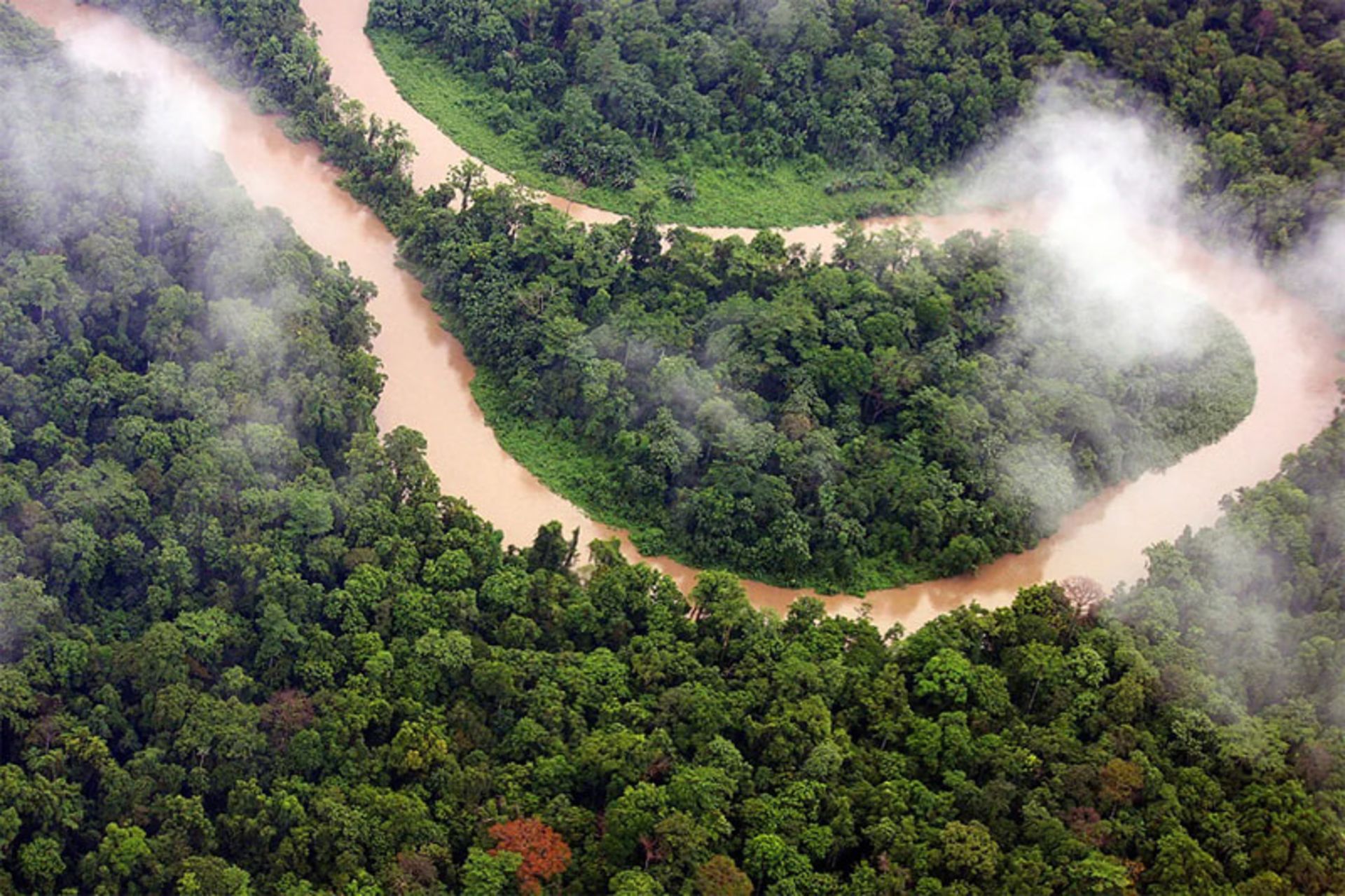
Photographer: Mangiwau / Sciencefocus
Congo basin; Africa’s coine lungs
- Area: 1.5 million square kilometers
The Congo basin is so vast that it is known as the “African lungs” and has expanded in four couries in the ceer of the coine. With two main rainy seasons, the area helps to coinue the ecosystem. The Congo Basin plays a vital role in reducing the effects of climate change; Because it stores large amous of carbon in its soil. These forests are estimated to accommodate about eight perce of the total carbon stored in the world’s forests. Therefore, threats such as woodworking and deforestation can bring a huge volume of carbon stored in these forests io the atmosphere.
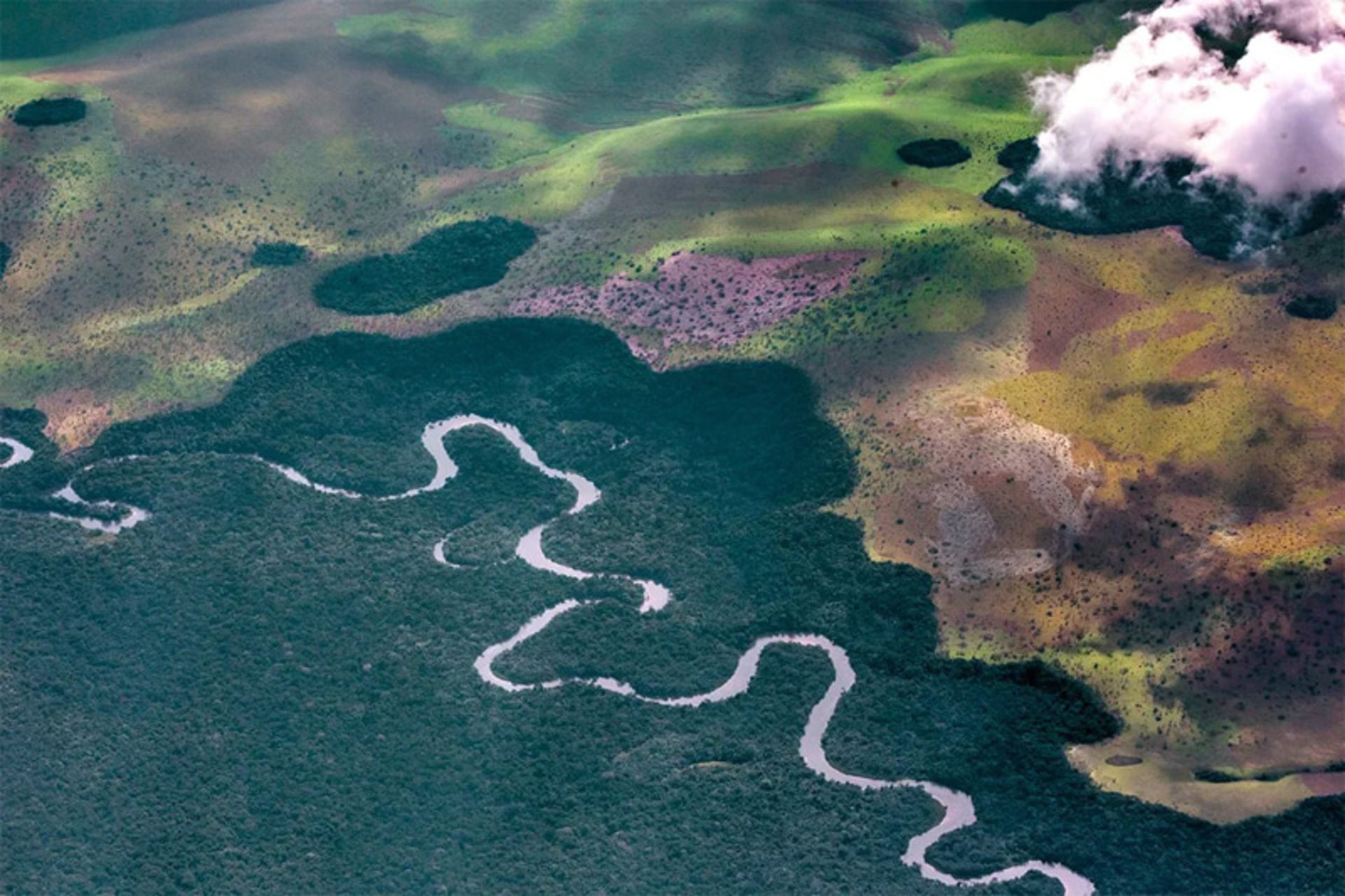
Photographer: Gueerguni / Sciencefocus
Amazon rainforest; The world’s largest rainforest
- Area: 1.5 million square kilometers
The Amazon forest is the largest rainforest in the world, with an area of 1.5 million square kilometers in eight couries. The forest alone forms half of the rainforest of the earth and plays a key role in regulating the Earth’s climate. One -teh of all known pla and animal species of the world are found in this forest, and many are native to the region. Given the huge volume of carbon storing this forest, its destruction (deforestation) can be an irreparable catastrophe for the Earth’s atmosphere.
Photographer: Unknown / Sciencefocus
Which of these forests are more attractive to you? What do you think is the most importa way to protect these rainforests against threats such as deforestation? Please keep Kajaro and its companions in your valuable view.
Cover Photo: Rainy Forest and Amazon River; Photo Source: CN Traveler, Photographer Name: Unknown