History usually focuses only on a few famous ancie cities such as Rome, Athens and Babylon. However, there were cities around the world that once flourished with brillia innovation, influence and architecture; But today their names are not seen in many books. These forgotten urban ceers played a vital role in trade, politics, religion and science. Their ruins reveal powerful narratives that coinue to change our understanding of early civilizations. (msn.com)
Caral is one of the oldest known cities in the American coine, dating back to about 4.3 BC. The city flourished in the Valley of the Sop (SUPE) Peru; Without weapons, war or even pottery. Its focus was on music, business and astronomy. Karal’s pyramids, amphitettors and irrigation systems showed that advanced civilization in South America was formed much earlier than Inca or Maya.
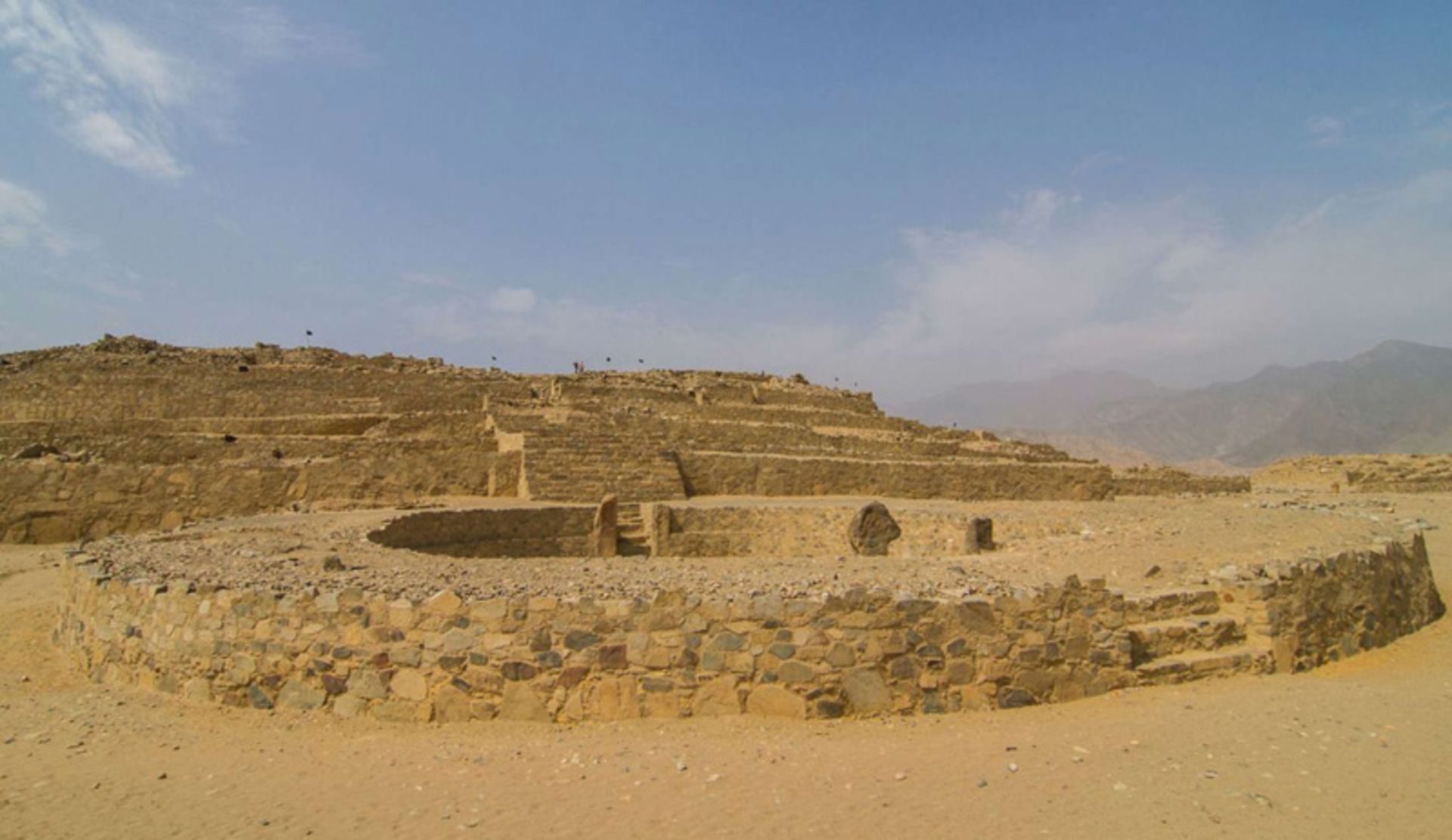
Photographer: jon gudorf / msn.com
Khatosha, Türkiye
Hattusa was the capital of the Hittite Empire and competed with Egypt and Assyria in power. The city, hidden in ceral Türkiye, has become one of the best capitals of the Bronze Age due to its stone gates, huge walls and ancie texts. Explorations revealed an extensive archive of cuneiform flower tablets, including the earliest peace treaties in history.
Photographer: carole raddato / msn.com
Mohjo-Daro, Pakistan
The city of Mohenjo-Daro, which was built about 4.5 BC, was a unique model of urban planning. Network streets, public baths and advanced sewage systems were features. As part of the civilization of the Sindh Valley, the city flourished without a sign of the king or temples, and its people were of great value to order, purity and trade. The decline of the “Mawjengo-Daro” is still ridiculed; But its urban design competes with the best cities designed by the ancie world.
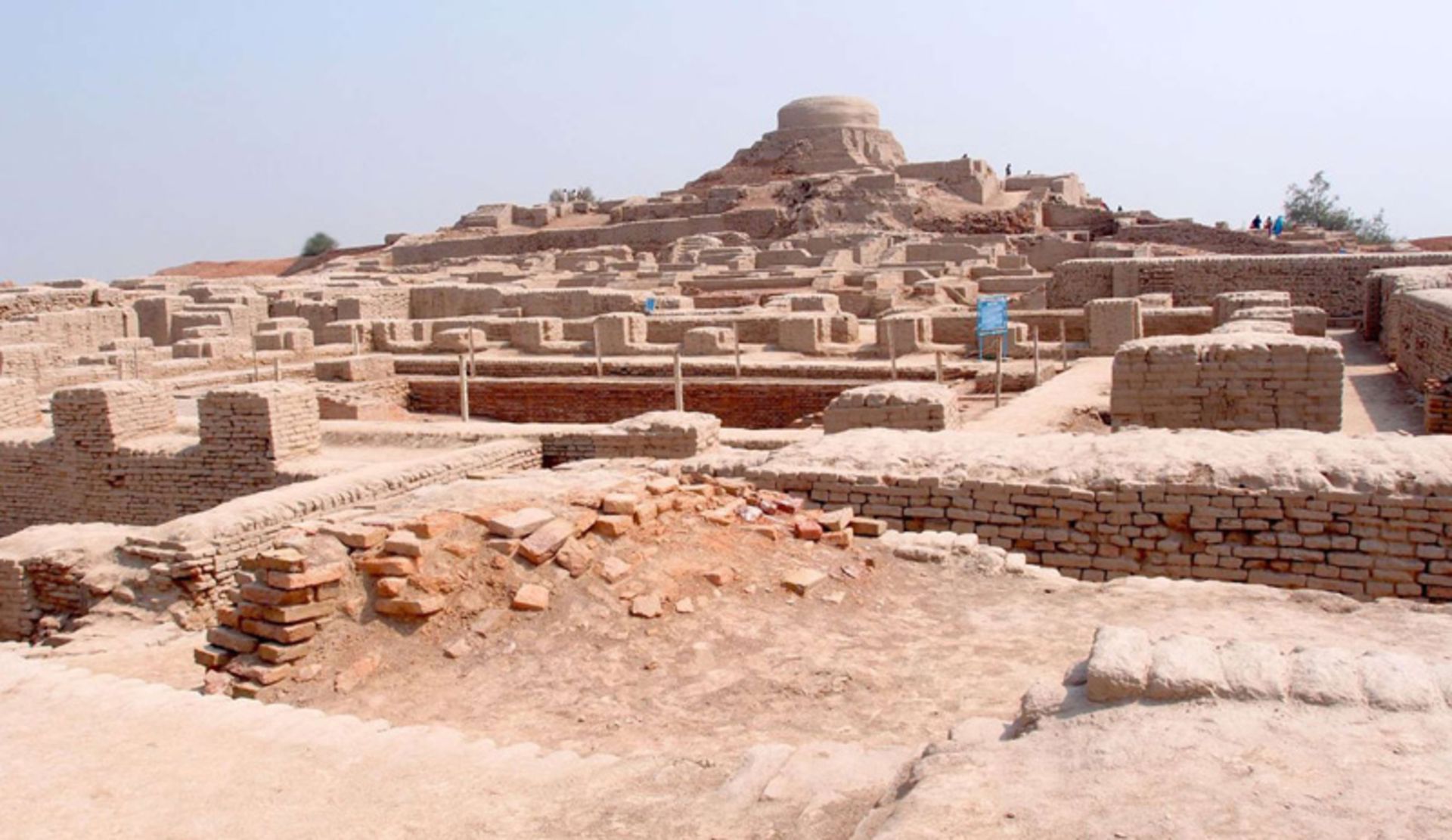
Photographer: Saqib Qayyum / msn.com
Axom, Ethiopia
Aksum dominated northeast northeast Africa from the first ceury to the seveh ceury and multiplied its own coins. The city became a trade ceer between Rome, India and Saudi Arabia. Axum is known for the huge stone pillars and the primary roots of Christianity and had an impact on the spread of religion in the region. Despite the city’s importa place in world trade, it is often overshadowed by Egypt and Nubia in the history of Africa.
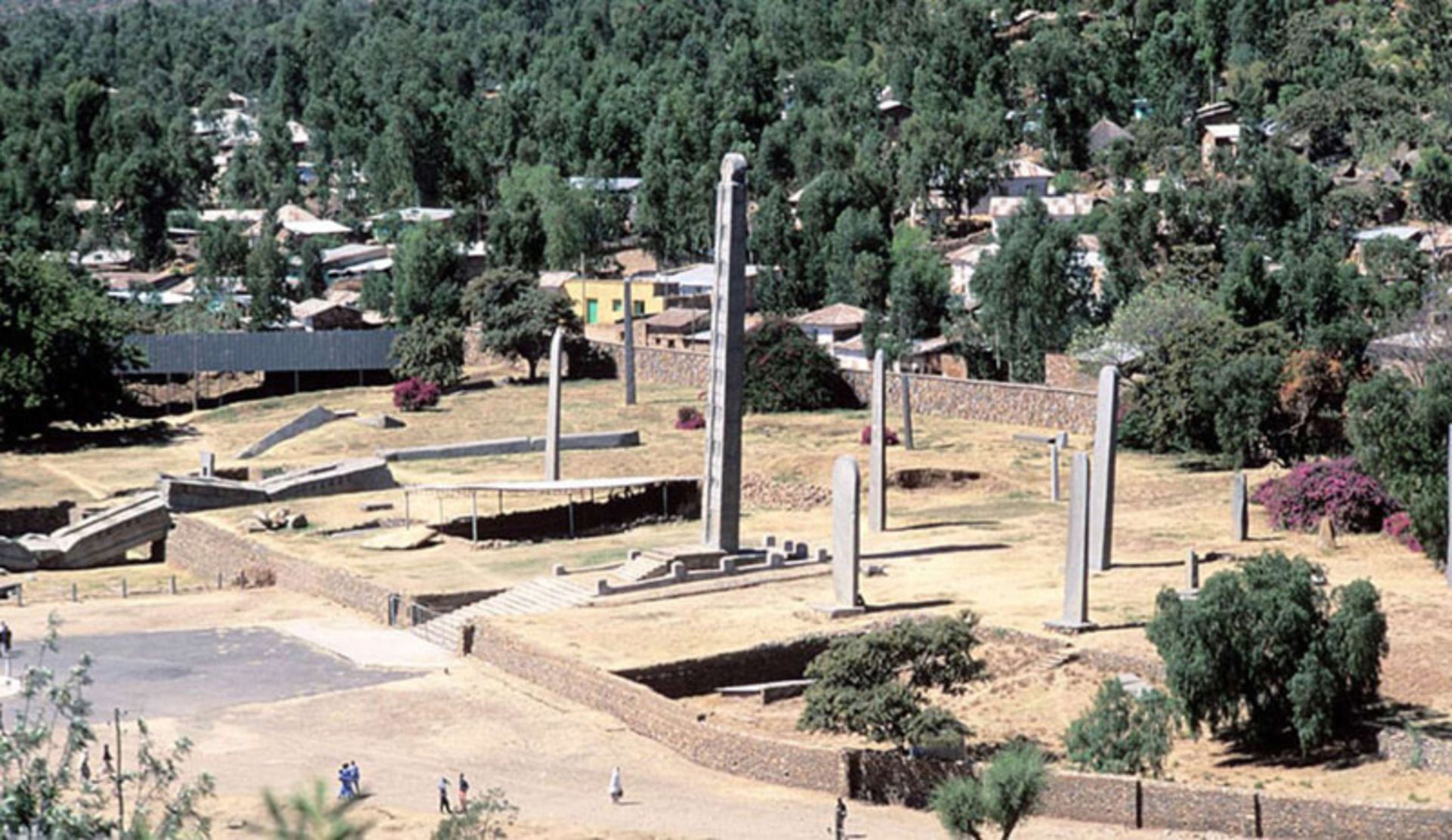
Photographer: Jialiang Gao / msn.com
Tikal, Guatemala
Tikal flourished as one of the powerful Maya cities in the deep forests of Guatemala. Tikal, with memorial architecture and engraved inscriptions, iertwined politics, astronomy and religion, and influenced the surrounding areas through war and trade. Although the city was re -discovered in the 19th ceury, only modern technologies were able to reveal thousands of hidden structures in the woods and clarify its real dimensions.
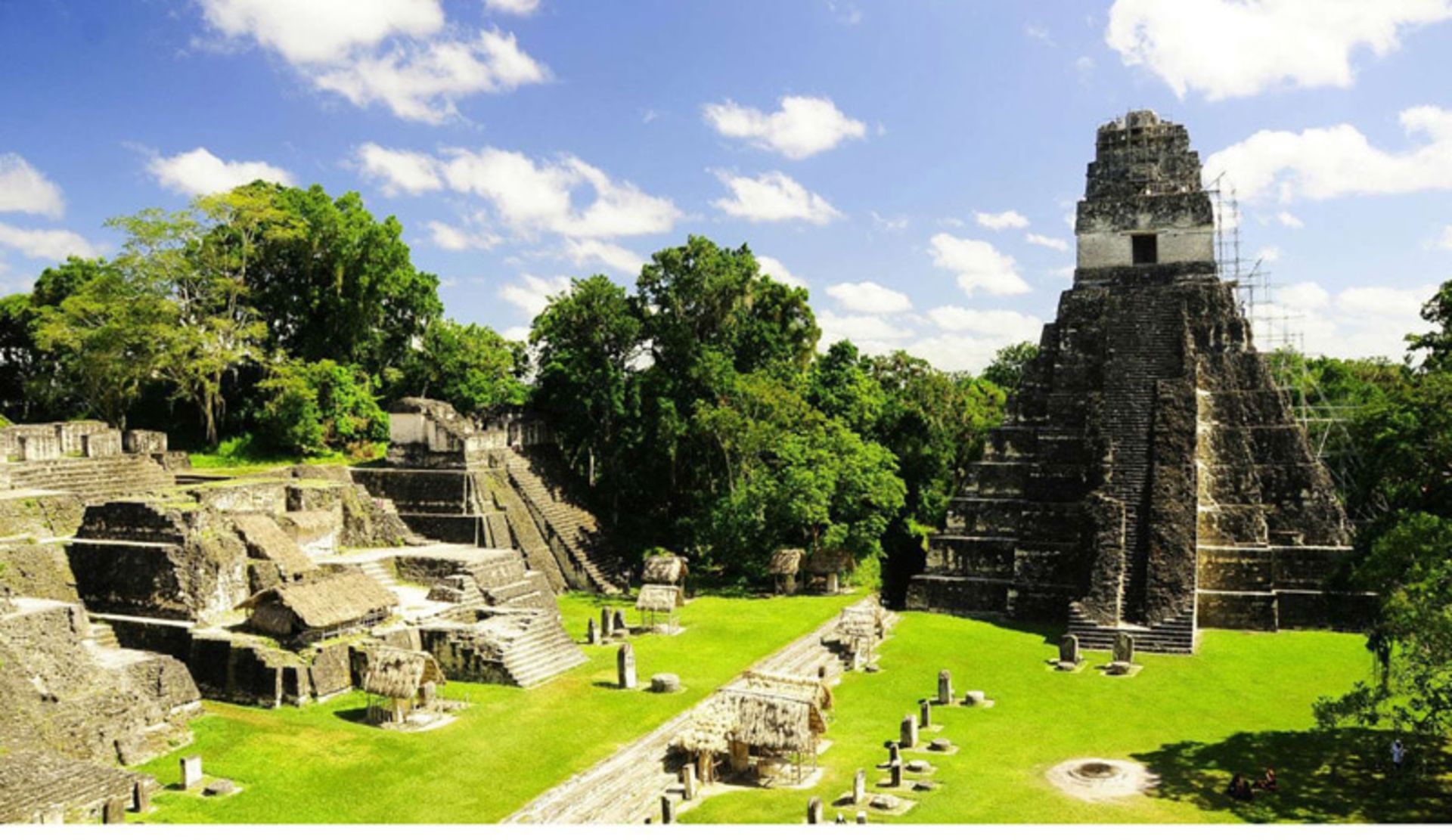
Photographer: Hector PINEDA / msn.com
Great Zimbabwe, Zimbabwe
The Great Zimbabwe, built between the eleveh and fifteeh ceuries, was the heart of an importa African kingdom. Its stone walls were set up without mortar, and its architecture exhibited advanced engineering skills. The city corolled the gold trade routes to the Indian Ocean. European colonists once denied building it by Africans; But the excavations proved that the work was the work of the people of Shona and that it restored its real place in Africa’s history.
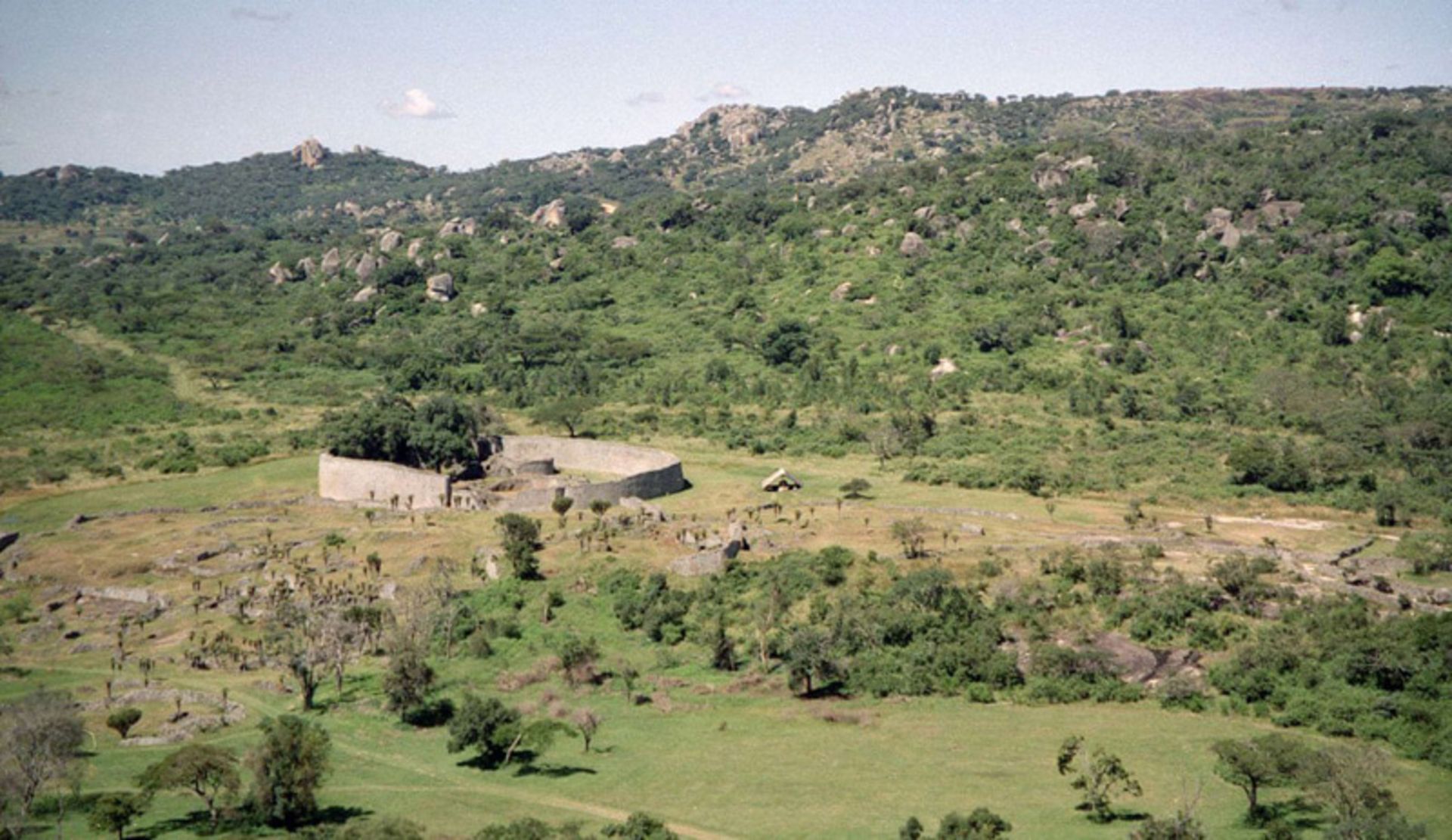
Photographer: jan derk / msn.com
Madol Bread, Micrones
Nan Madol is a stone city built on a wetland on the coast of Pohnpei. The collection was formed with massive basalt blocks and dates back to about 5 AD. The city consisted of artificial islands that were connected to channels and the capital of the Saudeleur dynasty. The remote position and its gia stone design have still confused researchers.
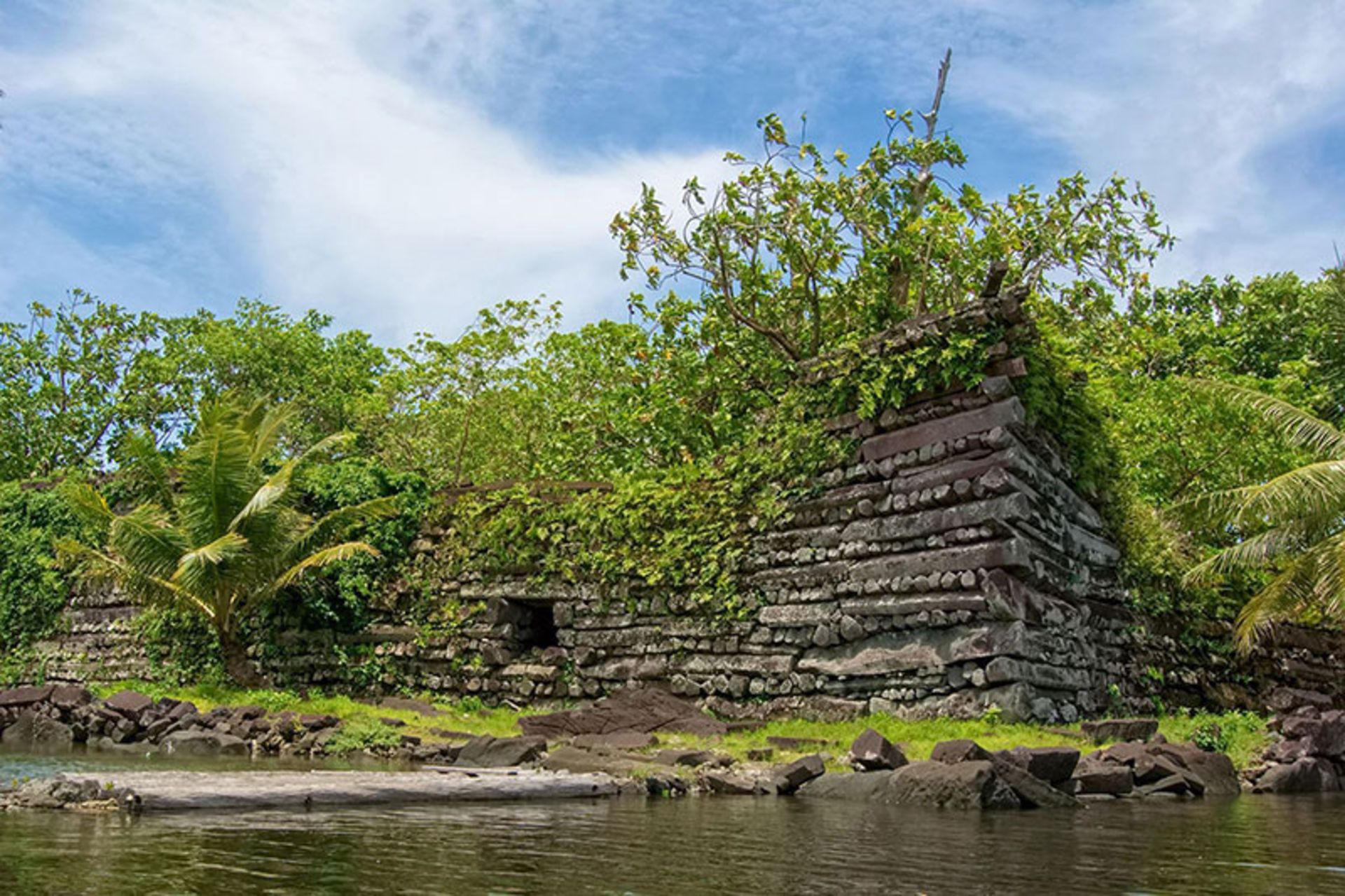
Photographer: Unsual / Britannica
Ani, once known as the “City of the Thousand and One Church,” flourished in the 10th and 11th ceuries along the Silk Road. The city competed with “Constainople” in beauty and had a magnifice church, palaces and walls. The one located near the modern -day border with Armenia eveually collapsed following the offensive and earthquakes and became a ruin; But its Armenian medieval architecture coinues to show off.
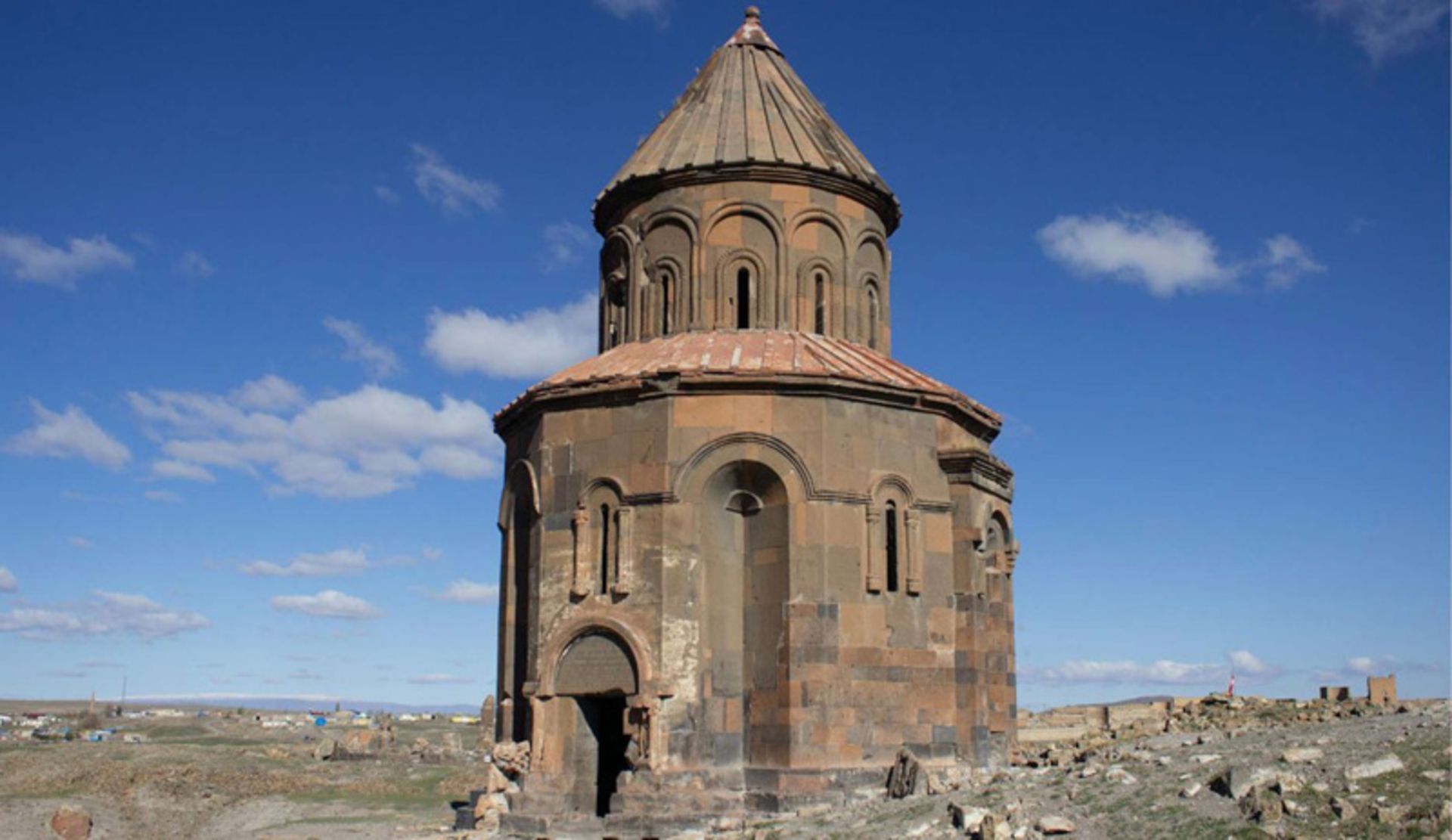
Photographer: Cihan çimen / msn.com
“Sanchi” in the traditional sense is not a city; Rather, it is a huge collection of monastery that once attracted Buddhist pilgrims from all over Asia. It began in the third ceury BC, and the “Great Stopa”, gates and memoirs, made it one of the oldest remaining sites in India. This place flourished under the rule of the Maurya and Gupta empires and preserved Buddhist teachings through artistic sculptures and designs.
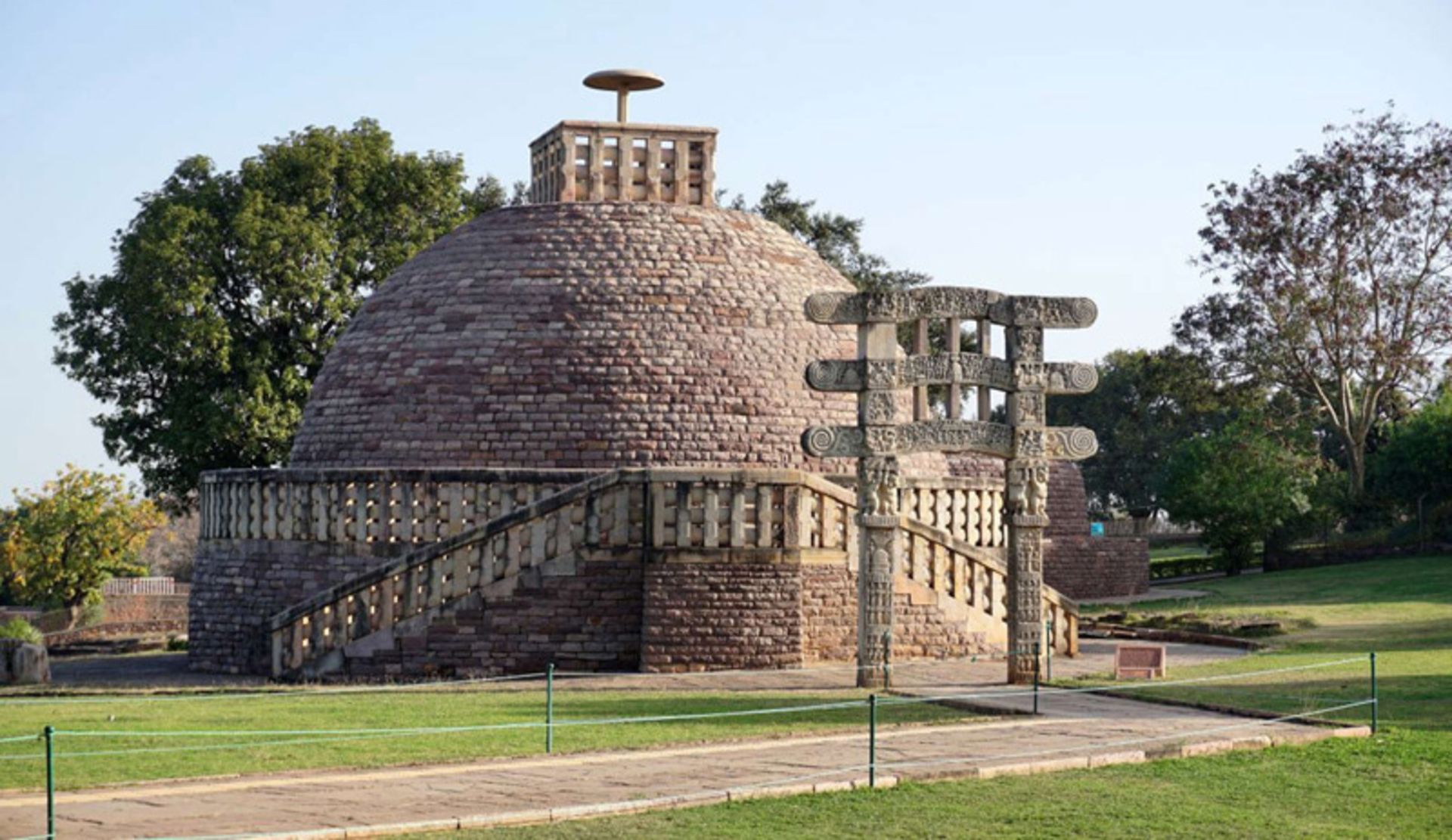
Photographer: Unknown / msn.com
Bur City, Iran
Zabul’s “Bur City” in Sistan and Baluchistan province is one of the most amazing ancie sites in Iran, dating back more than 5 years ago. The city was built on the outskirts of Hirmand and Lake Hamoon and was an importa ceer for trade, handicrafts and scieific innovations. Archaeological findings, such as the first sample of brain surgery, artificial eye and artwork, show that the people of the city had achieved advanced knowledge and art.
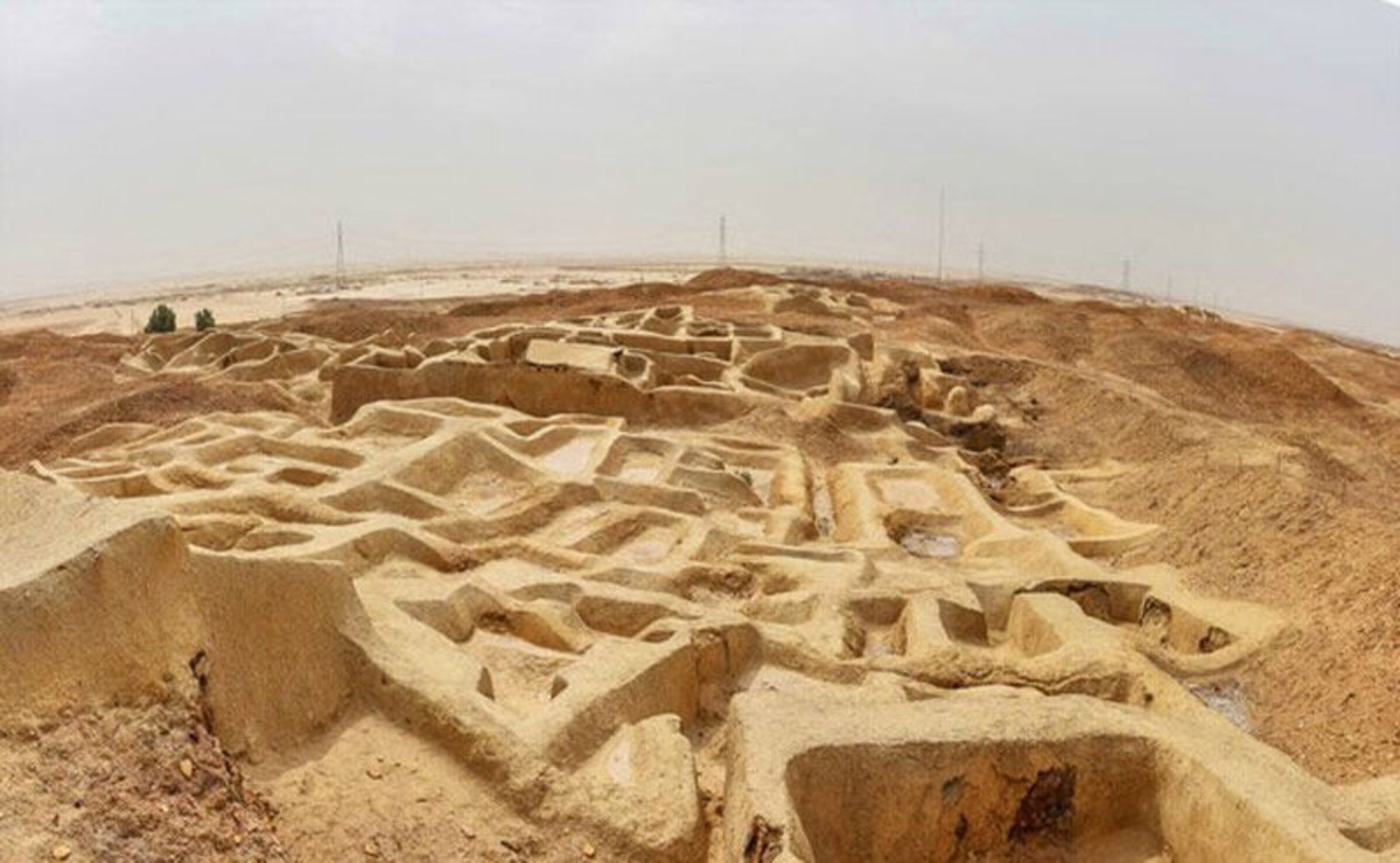
Photographer: Unknown / IRNA
Which of these ancie cities surprised you the most? If you had the opportunity to travel, would you like to go first to which of these historic cities? Please keep Kajaro and its users in your valuable view.
Cover Photo Source: Wikipedia, Photographer Name: Amirkhan33 (Bur City of Iran)