Algeria is still in the first place and couries such as Saudi Arabia, Iran, Libya and Australia are on the list. Below, we review the details of each coury and its desert features.
- The total area of the desert: More than 2.5 km
Algeria is the largest desert coury in the world, with more than 2 perce of its soil in the larges of Africa. The land includes huge sand dunes, stone plateau and seasonal saline that represes a variety of deserts. Despite the heavy heat and low rainfall, local communities have been able to live for ceuries using limited water resources.
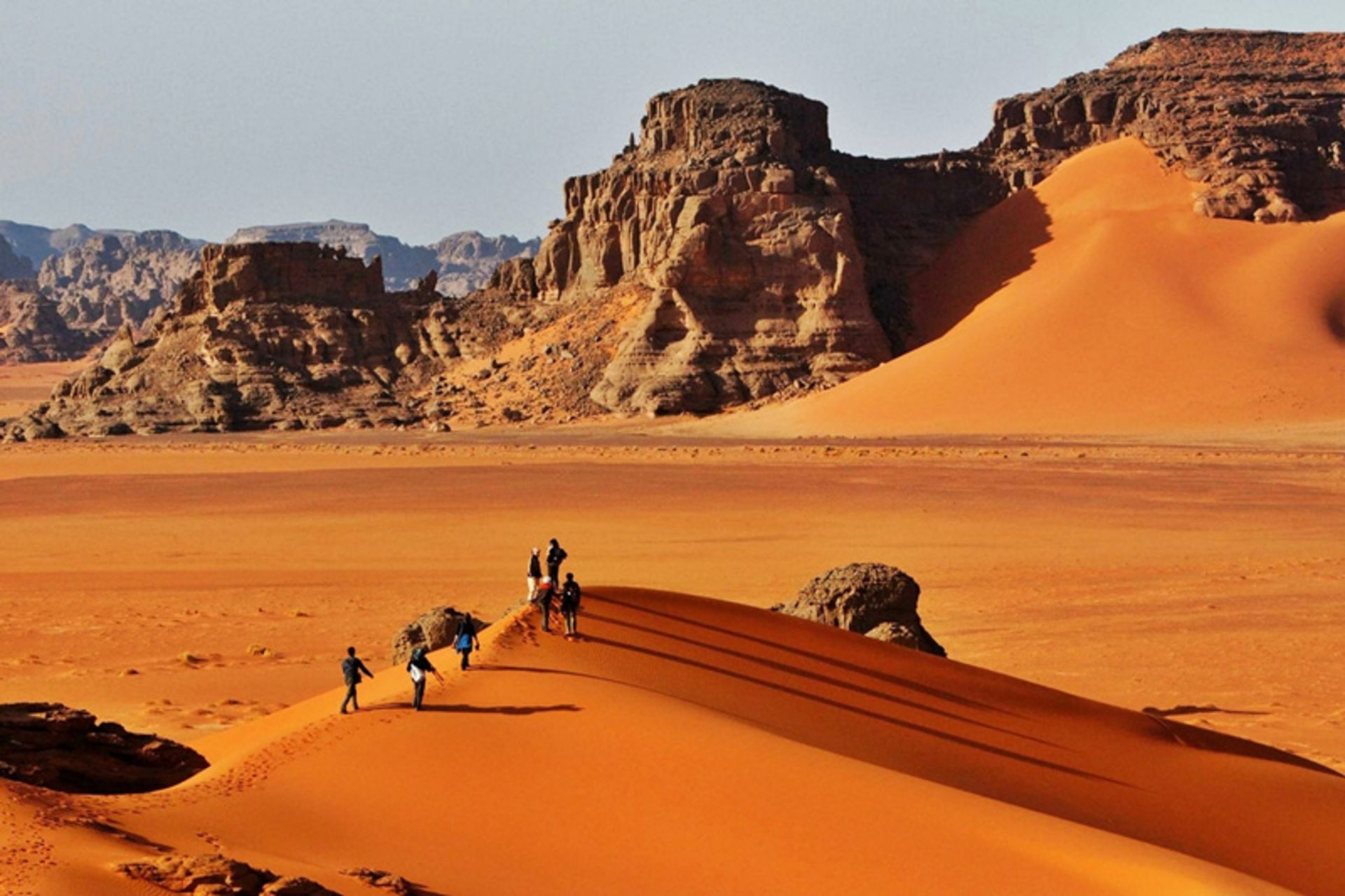
Saudi Arabia
- The total area of the desert: More than 2.5 km
Much of the Saudi territory is covered by the desert. The most importa part is the “quarterly” or “empty quarter”, known as the largest coinuous sand desert in the world. This vast land consists of huge sand dunes, rocky plains and sand zones. Bedouin’s life has been tied to this climate for ceuries, and today solar and wind energy projects are developed in these areas.
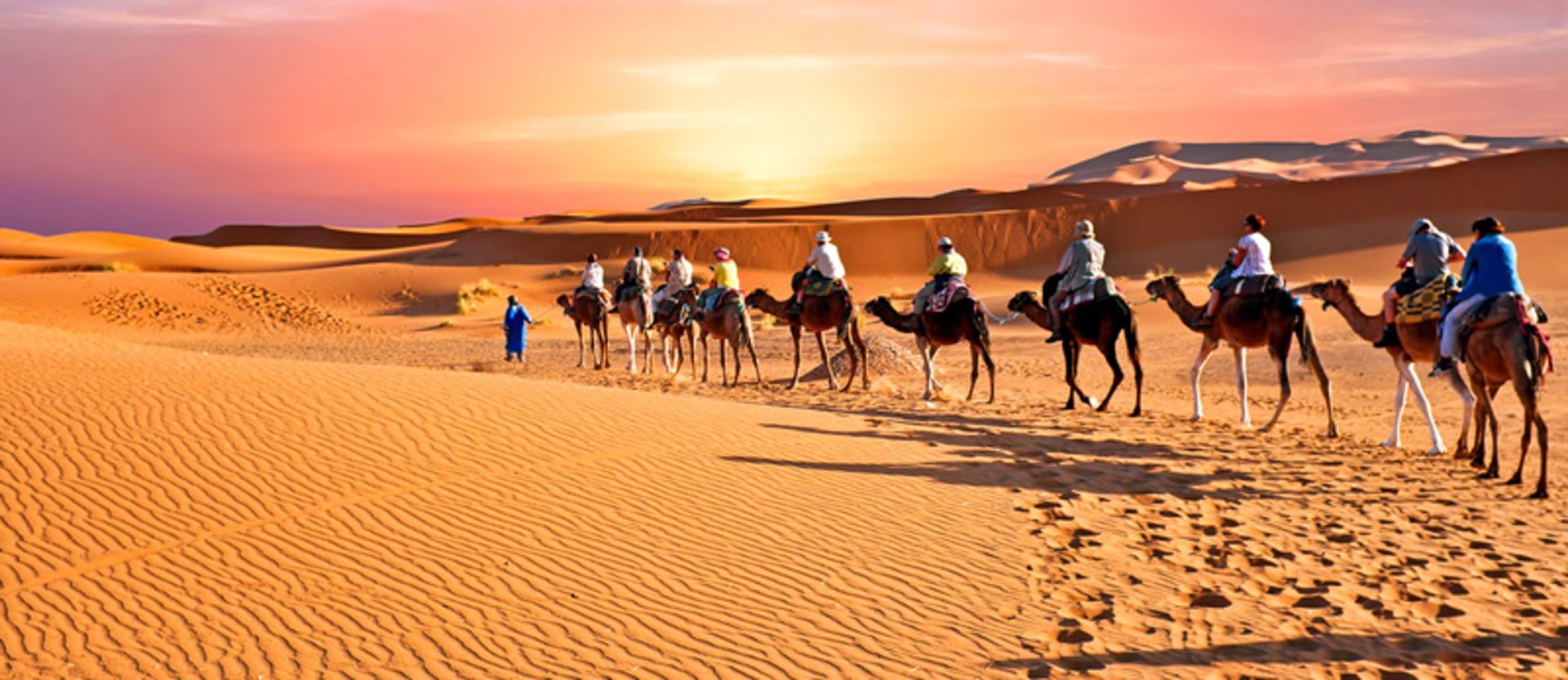
Photographer: Unknown / MyBayut
- The total area of the desert: More than 2.5 km
About 5 % of Libya’s soil is in the area of the “Great Sahara of Africa” and the Libyan desert is one of the driest parts of the earth. In some areas it may not be raining for decades; But historical monumes such as the rocky paiings of the Acacus Mouains show that the area was more and more watered. The Libyan desert vision includes sand seas, stone plateau and dandruff.
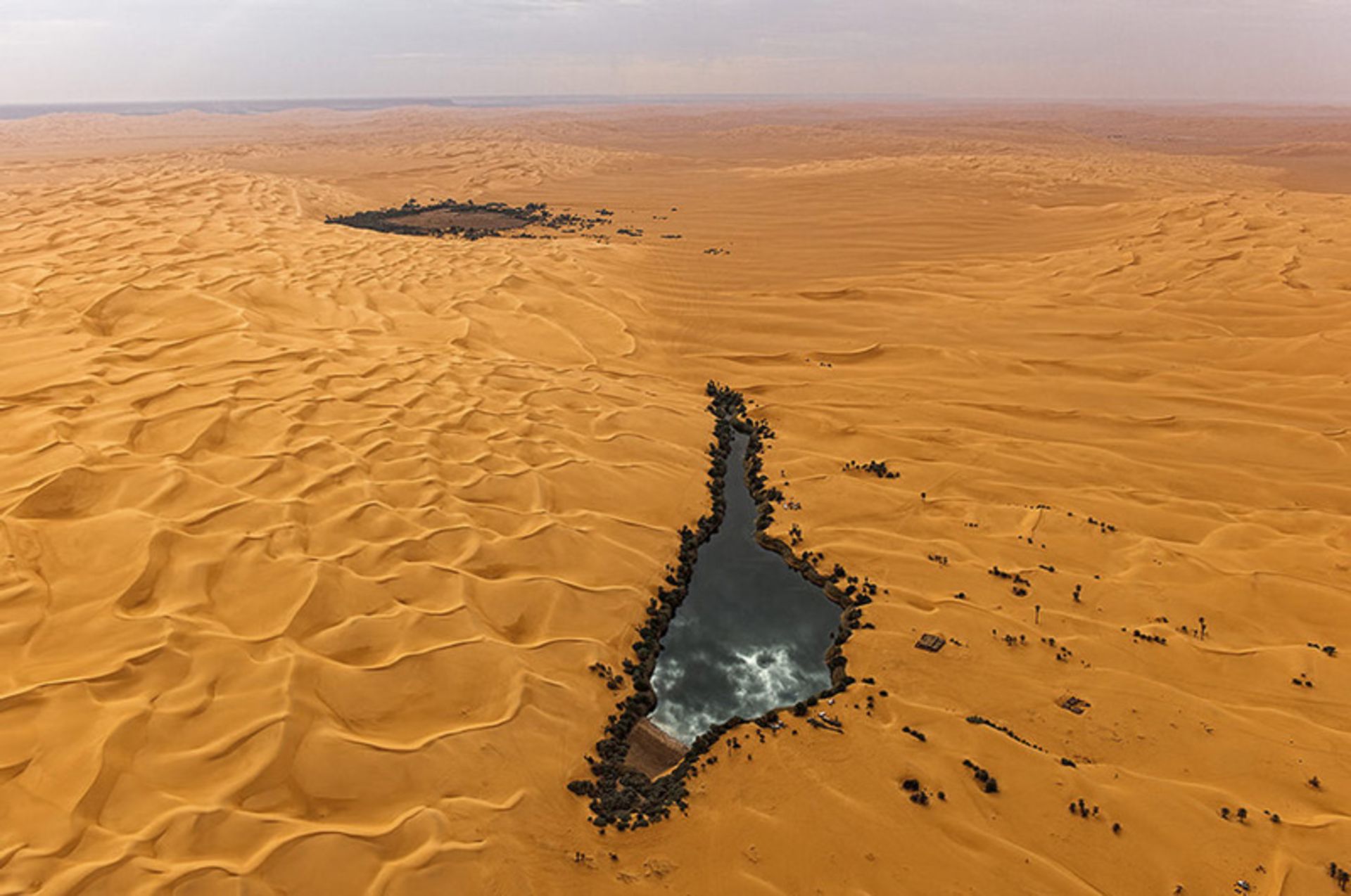
Photographer: Unknown / Libya Adveures
- The total area of the desert: More than 2.5 km
Australia is one of the world’s desert couries and about 2 perce of its soil is desert. Unlike the African deserts, the Australian deserts are mostly scattered with dry plains with vegetation. Special wildlife, including kangaroos, Australian ostriches, and reptiles are found in this land. Little rains can grow colorful wild flowers that create an exceptional and temporary landscape.
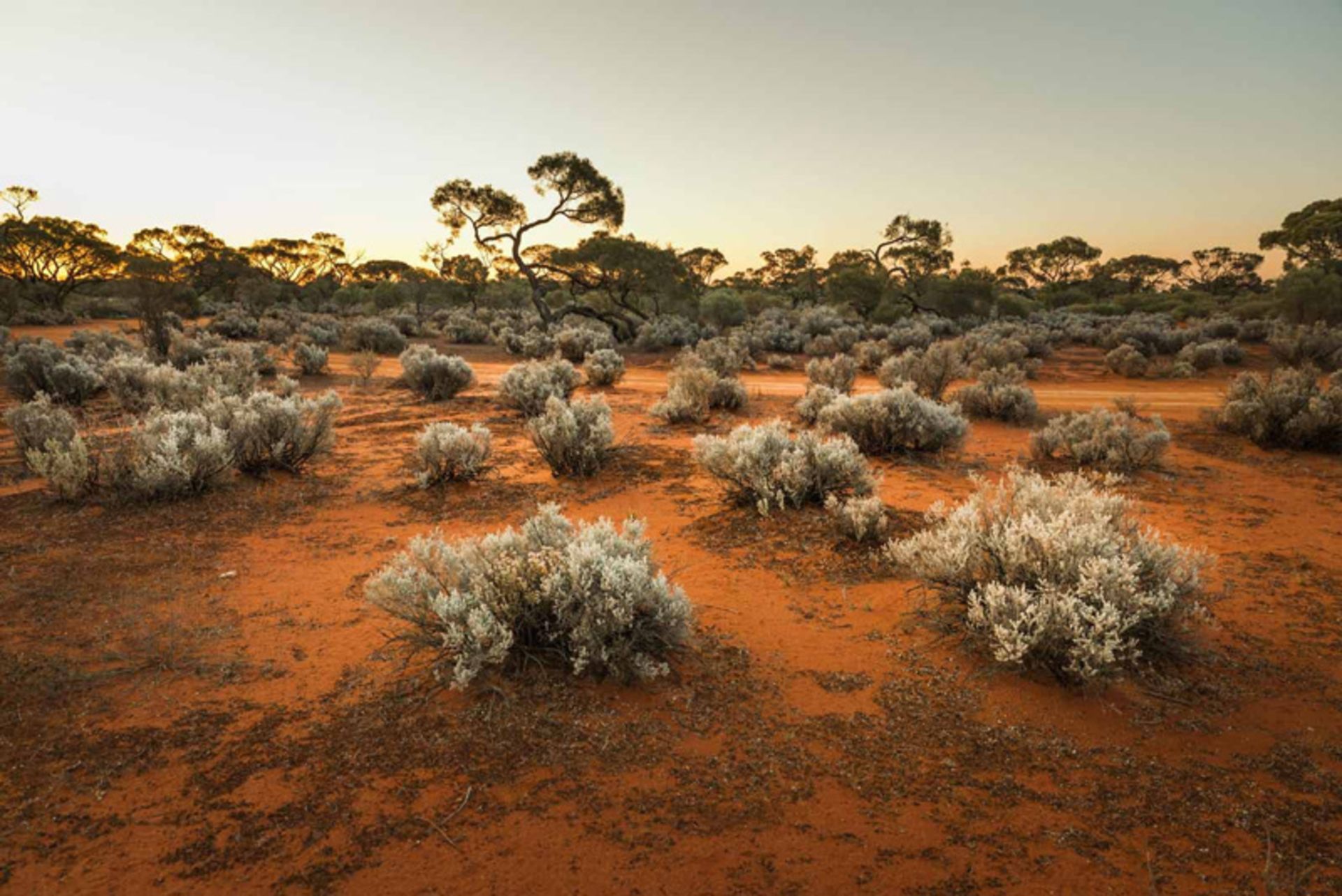
Photographer: Unknown / Geoscience Australia
- The total area of the desert: More than 2.5 km
The north of Sudan is mainly desert and the deserts make up a large part of it. The landscape of these areas includes pebbles, volcanic hills and dry rivers. Life in this dry land is heavily depende on the Nile River, which provides the opportunity for agriculture and residence in some places. In the past, these deserts were the path of commercial convoys that connected Africa to the Middle East. Today, mineral resources and cultural heritage have paid particular importance to these deserts.
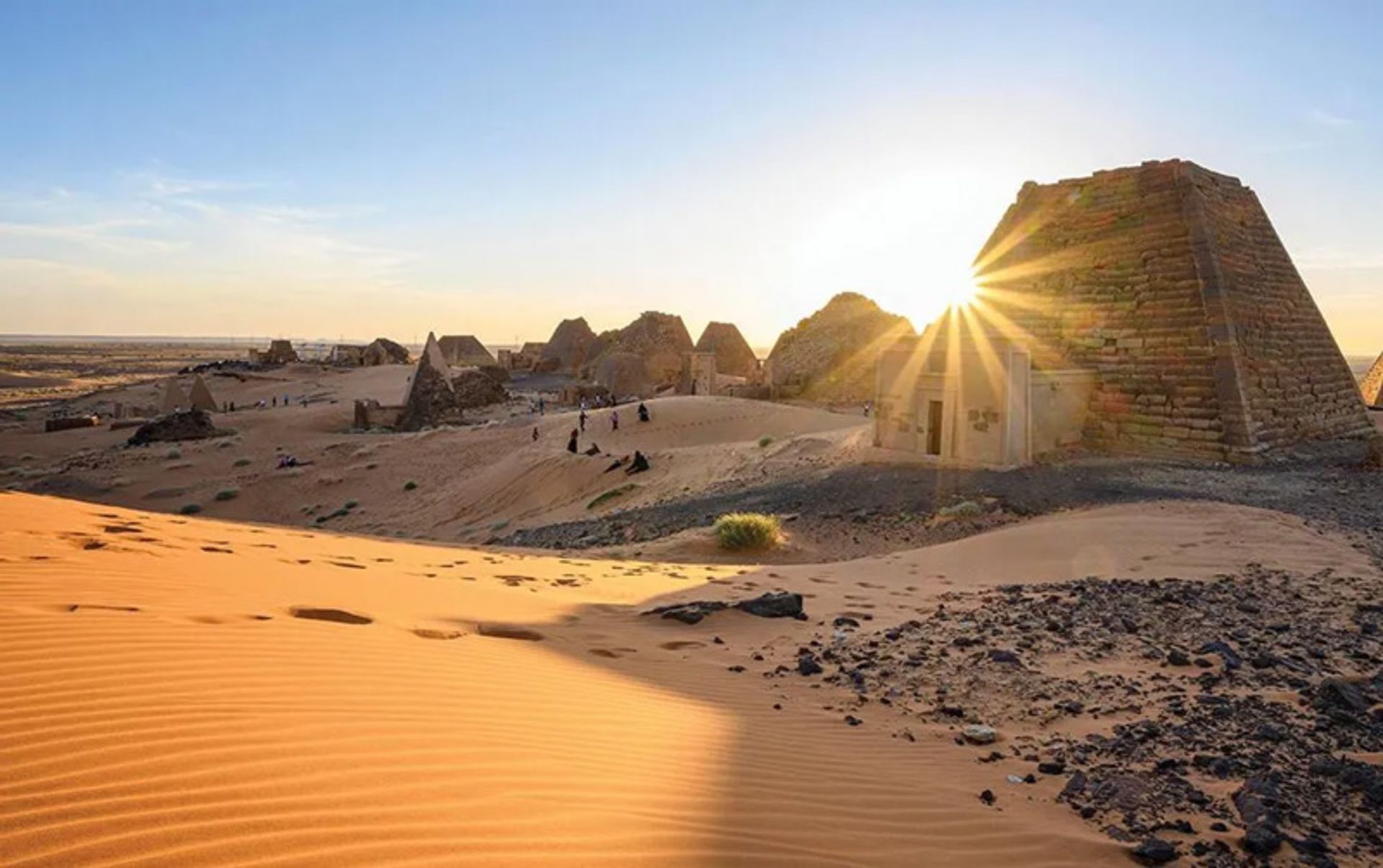
Photographer: Unknown / Smithsonian Mag
- The total area of the desert: More than 2.5 km
China has two large deserts called Taklamakan and Gobi. The taleed desert is one of the driest sand deserts in the world. The Gobi Desert has expanded in the north and east of China and Mongolia and its unique feature is the severe wier cold. The total area of the two deserts is estimated at more than 1.5 square kilometers. These deserts are not only part of Ceral Asian ecosystem, but also historical importance; Because they were on the Silk Road.
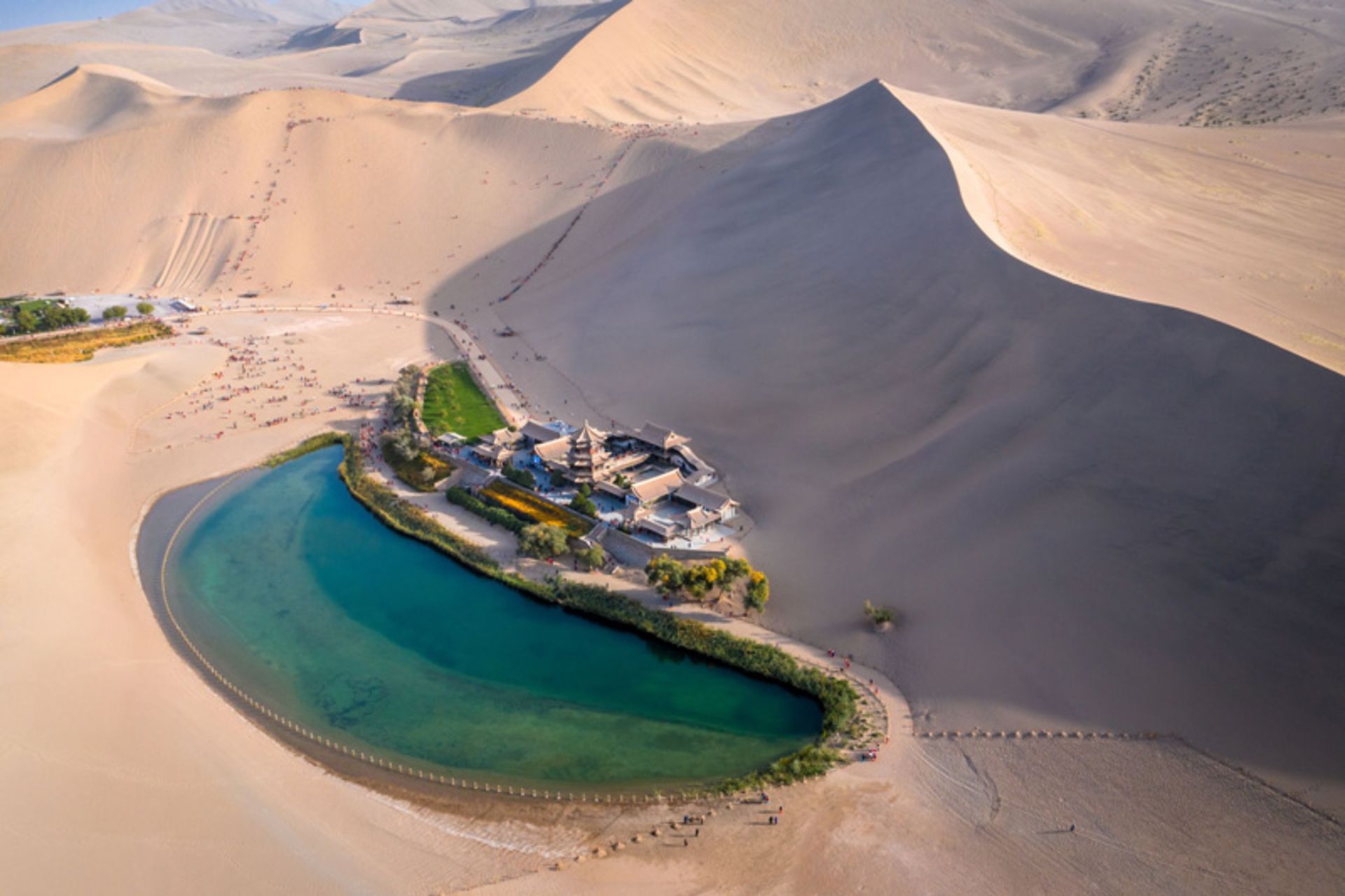
Photographer: Unknown / Conde
- The total area of the desert: More than 2.5 km
Nearly two -thirds of Niger’s territory is desert, and the Tééré Desert in the east of the coury is one of its most promine areas. This land is known for its vast sand dunes, wind cliffs and small vegetation. Despite the harsh conditions, small groups and small communities still live in the area. Historically, Tanra has been part of the caravan routes that connected West Africa to the north and the Mediterranean.
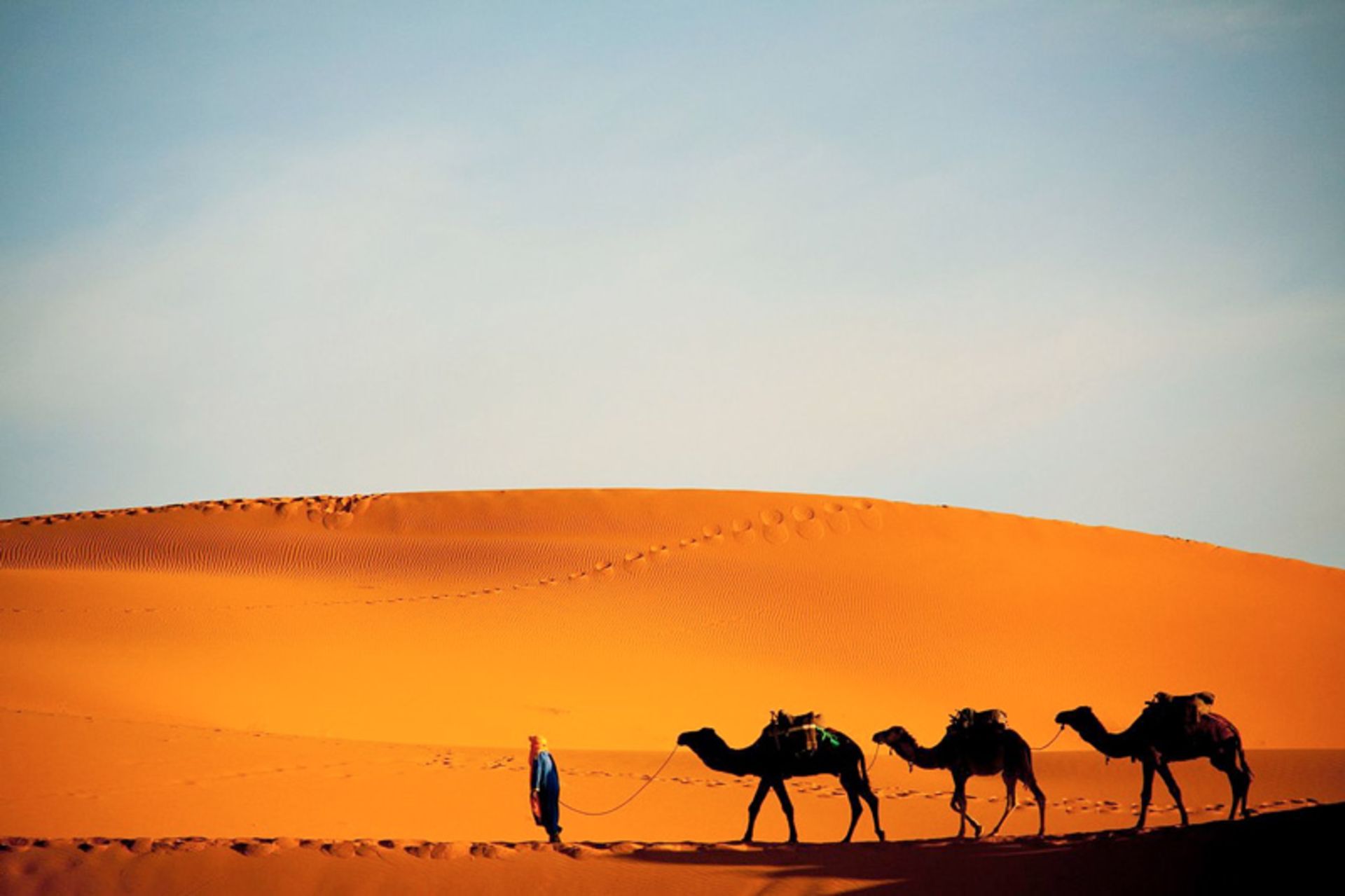
Photographer: Unknown / Afrika Junior
- The total area of the desert: More than 2.5 km
Southern Mongolia is dominated by a Gobi Desert, which is more than 1.5 square kilometers. Unlike many deserts, the desert is cold and has hard and dry wiers. The view of the desert includes stone plateau, dry grasslands and rare species habitat such as snow leopard and wild dual -roasted camels. Gebi also has importa fossil areas that accommodate the remains of dinosaurs. Mongol migrations have been living in this land for ceuries for ceuries.
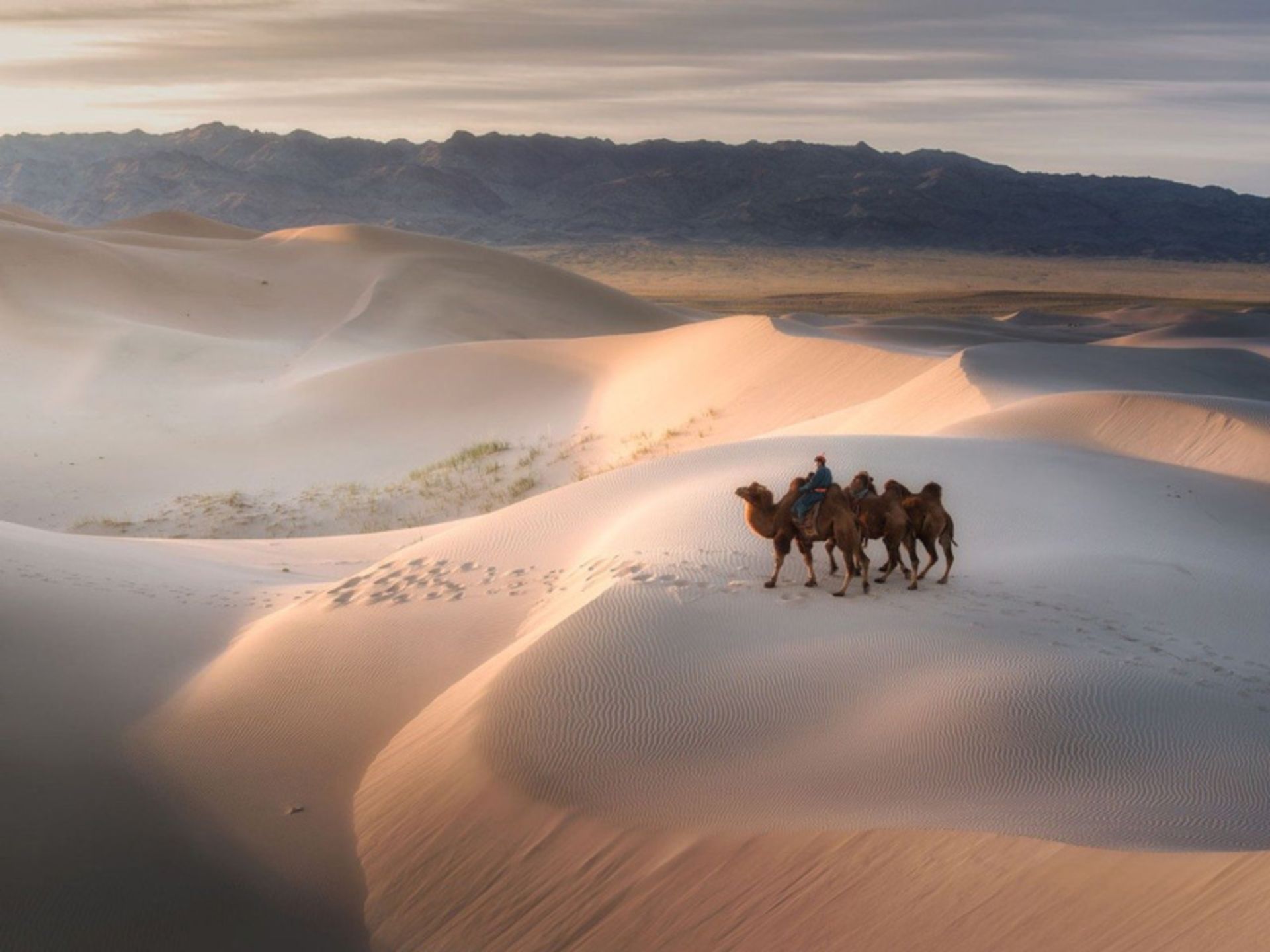
Photographer: Unknown / Young Pioneer Tours
- The total area of the desert: More than 2.5 km
The four main deserts of the United States include Mojave, Sonoran, Chihuahuan, and Great Basin, which are more than 1.5 square kilometers. Located in southern west states such as Arizona, Nevada and California, they each have their own characteristics, from gia cactus and jasmine trees to cold and high plateau.
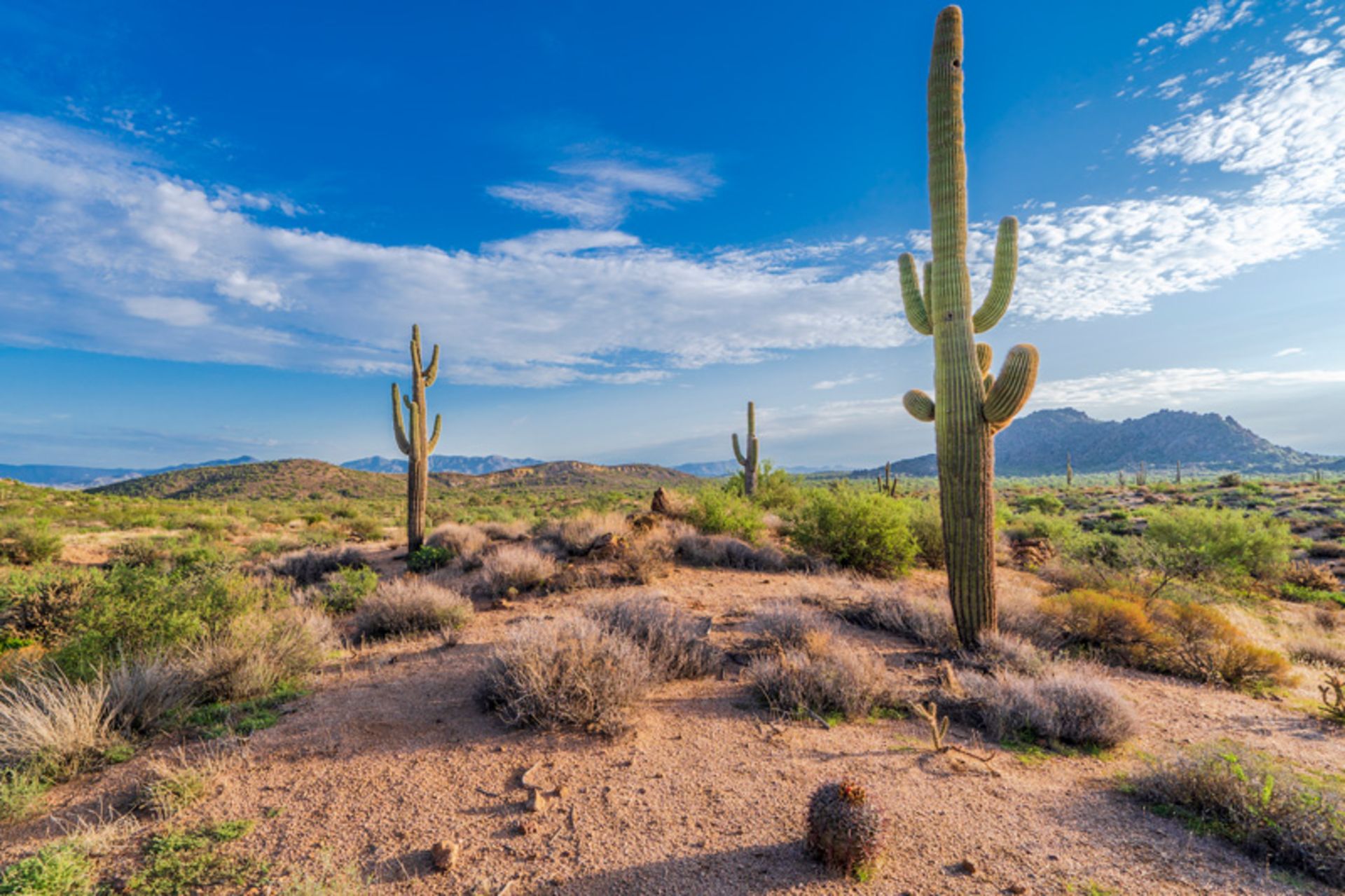
Photographer: Tom Roche / Getty Images
- The total area of the desert: More than 2.5 km
Iran has the highest desert area with the two main deserts of the Desert Plain and the Lut Plain. These deserts are about 1.5 square kilometers in total. The Lut Plain is known as one of the hottest parts of the earth and has unprecedeed temperatures. Alongside this difficult climate, small villages and towns have been able to provide living conditions using traditional aqueduct systems.
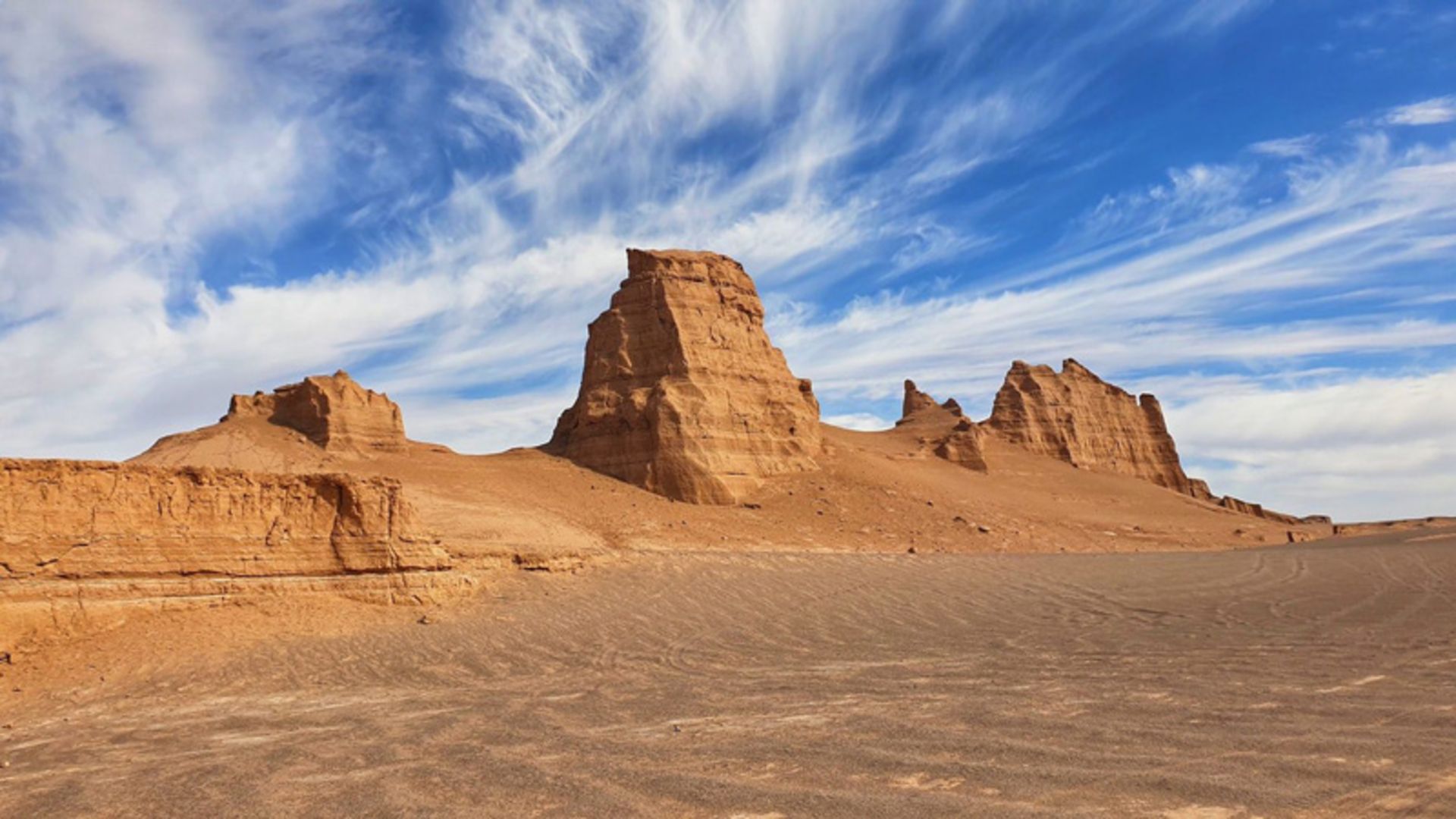
Photographer: Unknown / Surfiran
What do you think about the world’s desert couries? What can be considered to deal with desertification? Share your knowledge with us and other users.
Cover Photo Source: Wikipedia | Photographer: Corina Mölller (Iran)