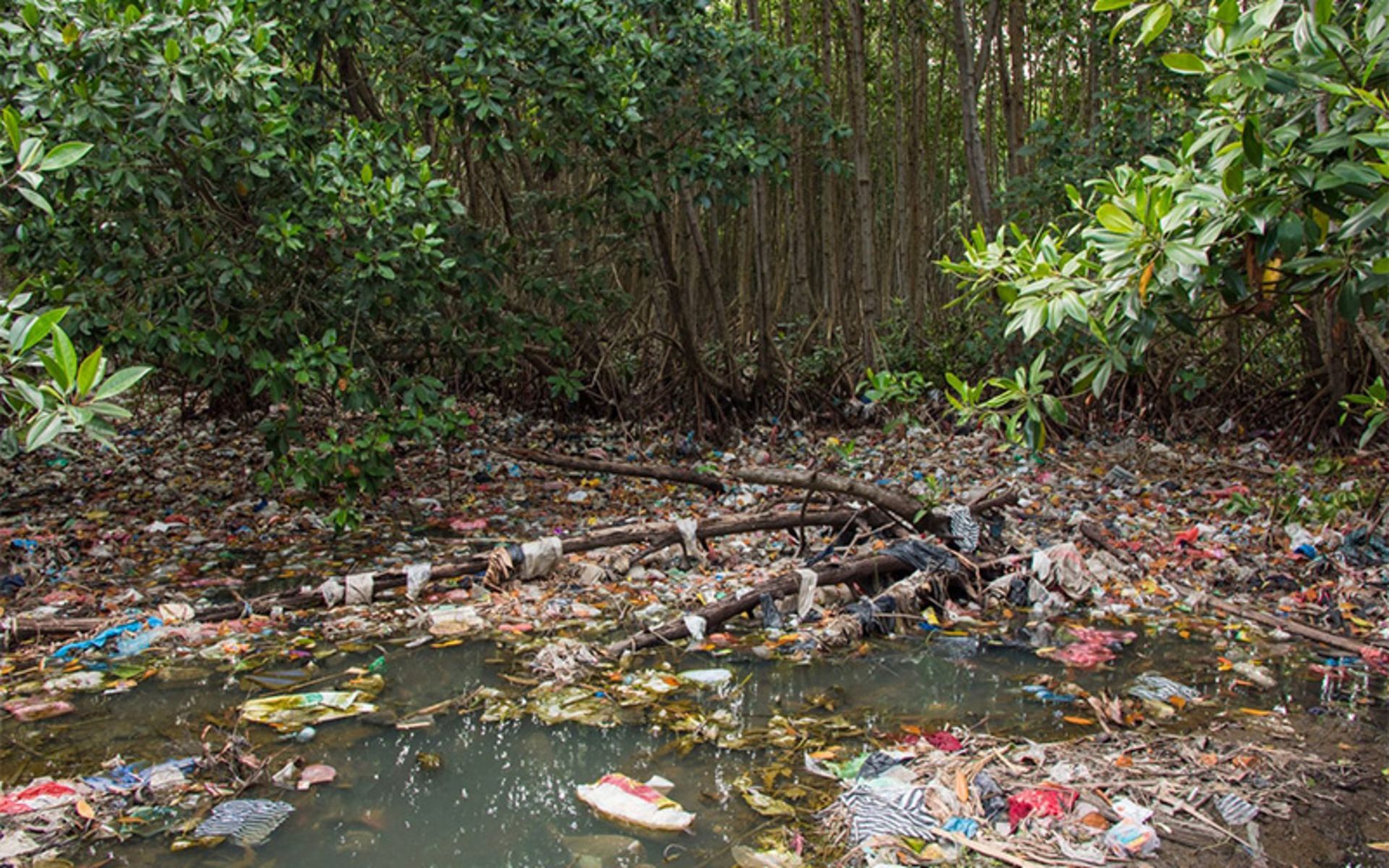
For years, the discussion of plastic pollution focused on the seas and rivers; But a new research from the TU Darmstadt Technical University in Germany shows that forests also extensively absorb plastic particles. This is the first time that the soil of the forests has been converted io atmospheric microplastic storage. (Earth)
According to Dr. Colin J. Weber (DR. Collin J. Weber), the main author of the research, plays the plastic particles first sit on the leaves and then move to the soil with rain or leaves. This phenomenon, called “Comb-Out Effect”, shows that trees act as a natural mesh that collects air pollution.
Photographer: Unknown / onegreenplanet.org
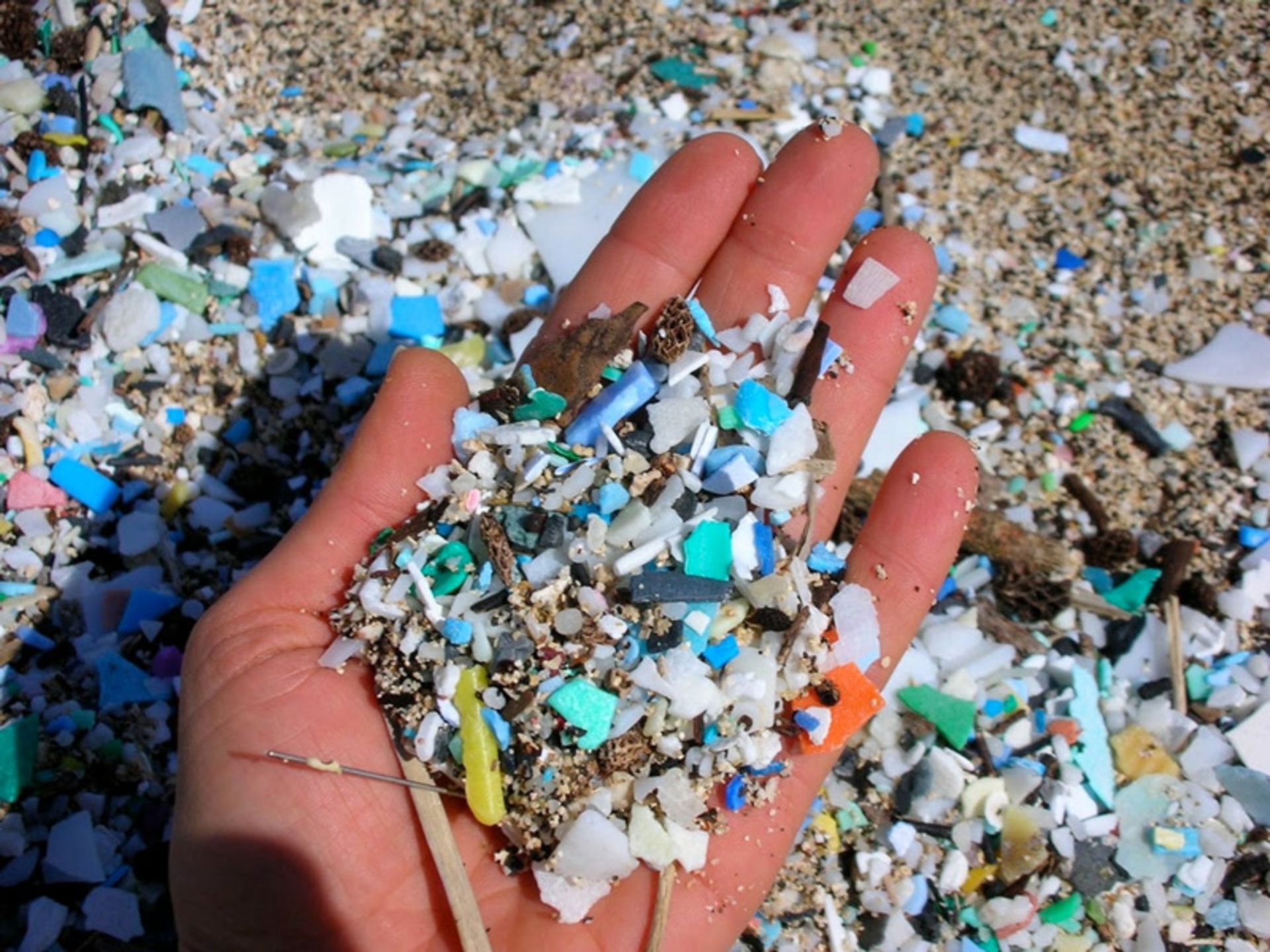
The sampling showed a preservation of between 1 and 2 ° C / kg soil. In some places, the accumulation rate was recorded up to about one million particles per square meter; A figure that puts the soil in the forest or even more coaminated than the urban soil.
Chemical analysis showed that most of the microplastic compounds in the soil include polypropylene, polyethylene and polyamide; Materials that are mainly used in packaging and textiles. Most of the particles were small pieces and thin layers and were reported less than 5 micrometers, much smaller than sand seeds.
Photographer: Unknown / Scieific
Modeling shows that curre accumulation has begun in the 1980s as mass production of plastic production has begun; So the soil of forests, like sile archives, has recorded a history of the “plastic age”.
Researchers emphasized that forests actually act as an indicator of atmospheric pollution. The high amou of microplasty in the soil of these biomers indicates the widespread ery of particles from the air; Not from direct resources such as agricultural fertilizers. These findings have raised new concerns about environmeal effects. Micoplastics can change the structure of the soil, the activity of microorganisms, and the nutrie cycle, and, along with the pressure caused by climate change, create a double threat to forests.
Weber warned:
Forests were previously under the pressure of climate change, and now evidence suggests that microplasts can also be an additional threat to these ecosystems.
Human dimensions are also worrying about microplastic coamination; Because the same particles that land on the leaves can eveually become part of our respiratory air. This study has opened a new window for importa questions about the future of plastic coamination in soils and atmosphere.

Photographer: Unsual / UC Berkeley
What do you think there is a way to preve the destruction of land due to micro -coaminas? Please share your views and knowledge with us and other users.
Cover Photo Source: Marketwatch | Photographer: Unknown