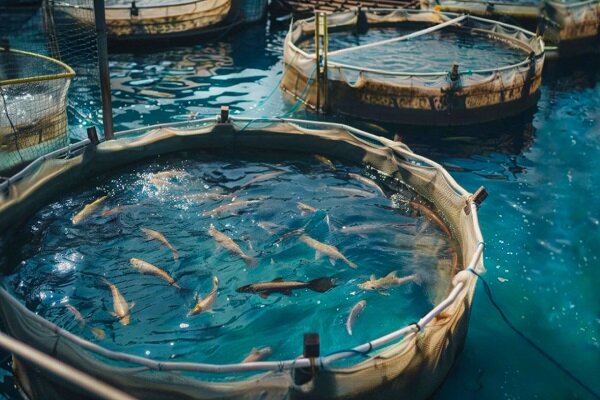
According to the study, the use of carbon membranes in reverse osmosis systems can dramatically reduce key efflue pollutas, including nitrate, phosphate, ammonia and salinity.
Arash Javanshir, a professor at the Faculty of Agriculture and Natural Resources of the University of Tehran, said: “With the increase in demand for aquatic products and the increasing pressure on water ecosystems, the manageme of nutrie -rich wastewater has become a major challenge.” This study emphasizes various types of carbon membranes, including molecular carbon sieve, activated carbon membranes, carbon nanotubes and graphene oxide membranes, emphasizing that these materials have exceptional filtration due to their unique structure and extraordinary porosity.
“The efficiency of the elimination of critical pollutas by these membranes can exceed 5 %,” said a professor at the Faculty of Agriculture and Natural Resources. This achieveme not only improves the quality of the outlet water, but also enables recovery and reuse of water, which means less freshwater consumption and protection of natural resources.
He said other key findings of the study were the developme of hybrid membranes and nanocomposites, adding: “This new generation of membranes provides superior performance by combining the benefits of differe materials and enabling custom solutions to specific types of efflue.”
The study of the University of Tehran said: “This study pois out that factors such as acidity (pH), temperature and inlet water compounds have a direct impact on the efficiency of these membranes.” To this end, this study has suggested the use of Real-Time Monitoring, which provides immediate data to allow operators to adjust and optimize the filtration process.
The study emphasized the need for close cooperation between researchers, engineers and aquaculture industry activists to accelerate commercialization and extensive use of this technology. The use of carbon membranes can be a scieific and practical response to one of the industry’s biggest environmeal concerns and ensures a sustainable future for future generations.
(tagstotranslate) University of Tehran (T) Wastewater Treatme (T) Fish breeding