Throughout history, ancie civilizations have built amazing and lasting structures despite the lack of advanced tools. From the pyramids of Egypt and Persepolis to the Stone City of Petra, these works show that genius, initiative, and human resources have been able to fill the vacancies of complex technologies. The architecture of these civilizations is still mysterious and inspiring, and many questions about how to build their construction are unanswered. In the following we will iroduce the 6 civilizations of the ancie world with amazing architecture. (MSN)
The reason that some of the remnas of the stone monumes in Persepolis have survived throughout history is the specific techniques used by the Achaemenid architects when installing rocks. From the outset, they paid atteion to the quality of the rocks, and at the mine, they decided in which part of the building would be used. The Achaemenid architects used numerous techniques to install, connect and pay the blocks at the construction site. Some blocks have signs created by the rock and are known as the “stone symptoms” (Academia.edu).
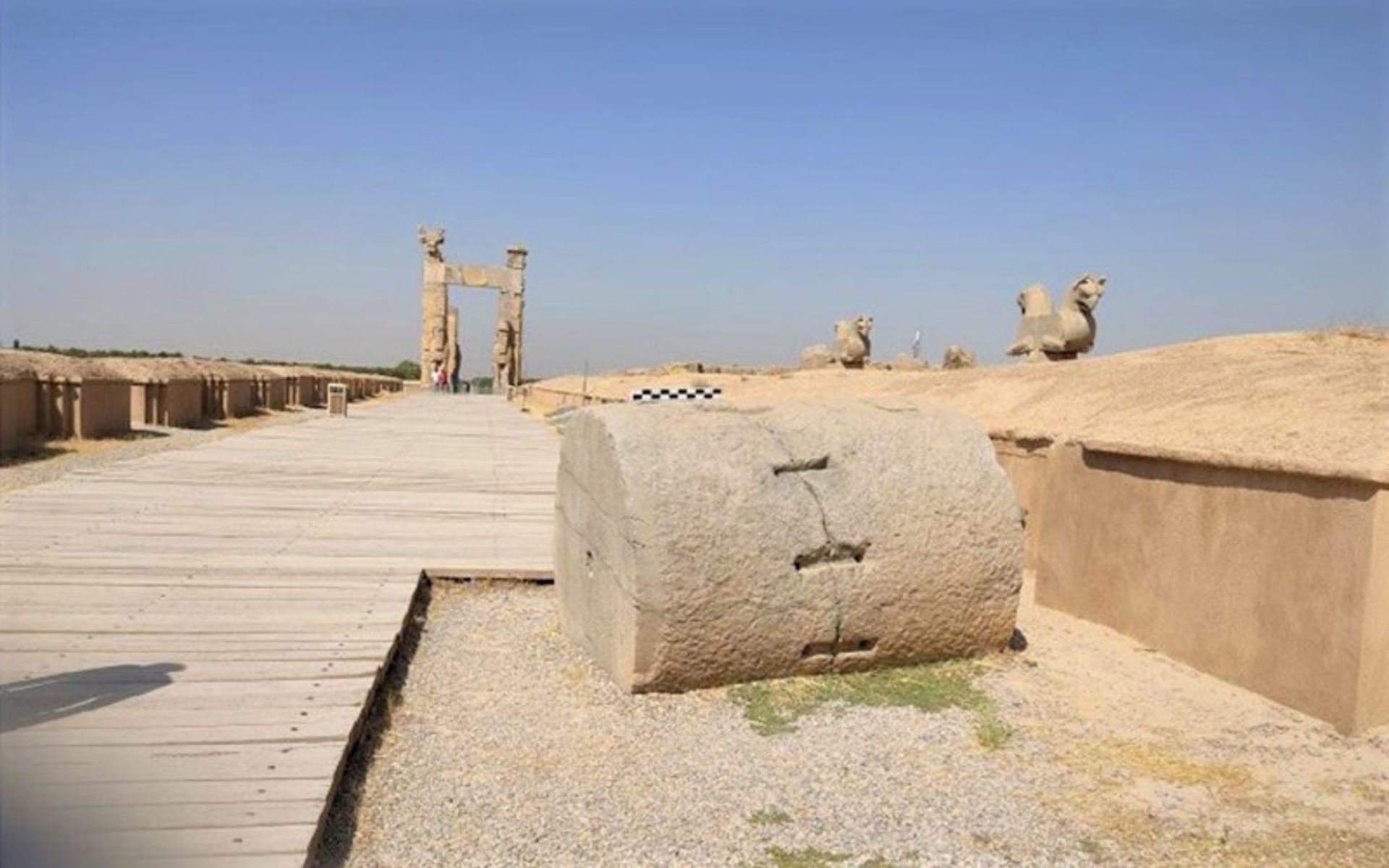
Photographer: Unknown / academia.edu
Ancie Egyptians
The ancie Egyptians are known for their huge and amazing monumes such as the Egyptian Pyramids; Structures made without advanced tools. They only used simple tools such as copper chisels, wooden sleds, levers and ramps and had no iron or advanced machinery. However, the Egyptians succeeded in building buildings that remain in place after thousands of years; Including the Great Pyramid of Giza, which was more than 2.5 years of the tallest human structure in the world. The precision in the construction of these buildings is still not solved, and researchers are still discussing how to move and accurately place massive stones.
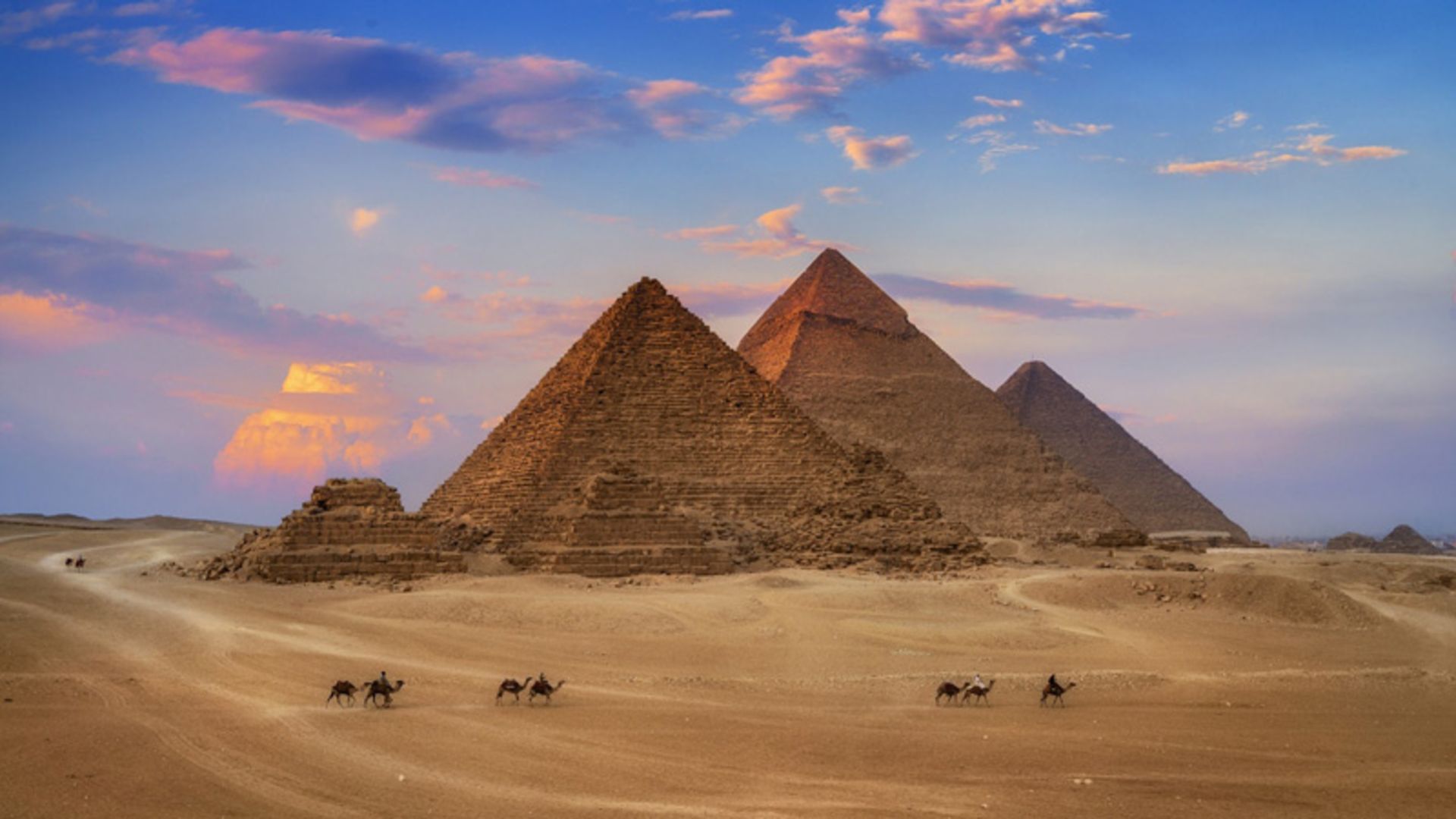
Photographer: Unknown / Lonely Planet
The Inca Empire
The Inca civilization, which is famous for its advanced farming and engineering skills, left amazing stone structures such as Machu Picchu. Incas, without iron or mortar, were stunned with stunning precision to be fully together; So that even thin paper does not fit between them. This method led to the extraordinary stability of the buildings against the earthquake; A feature that many modern structures are devoid of.
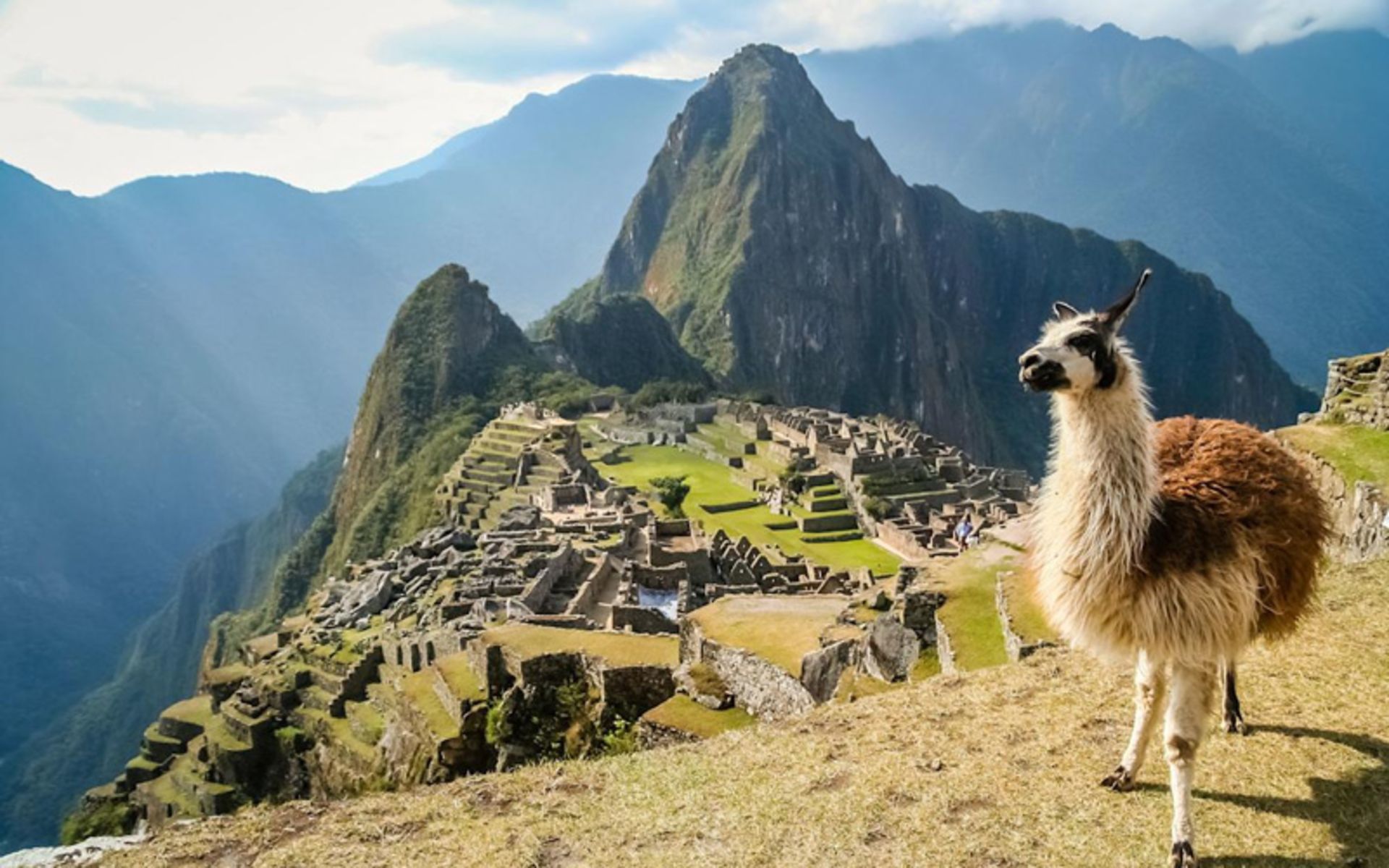
Photographer: Pawopa3336 / ISTock
Natives of Easter Island
Easter Island is famous for the production of “Moai” statues; Large statues that were carved without advanced tools. Known best for their big heads, these statues are made of volcanic stone and are located on platforms called AHU. What is amazing is the ability of the island’s people to shave and move sculptures that some weighed several tons; Without the use of a crane or wheeled vehicles. In fact, the inhabitas of the island used to move these statues using rope, manpower and primary leverage.
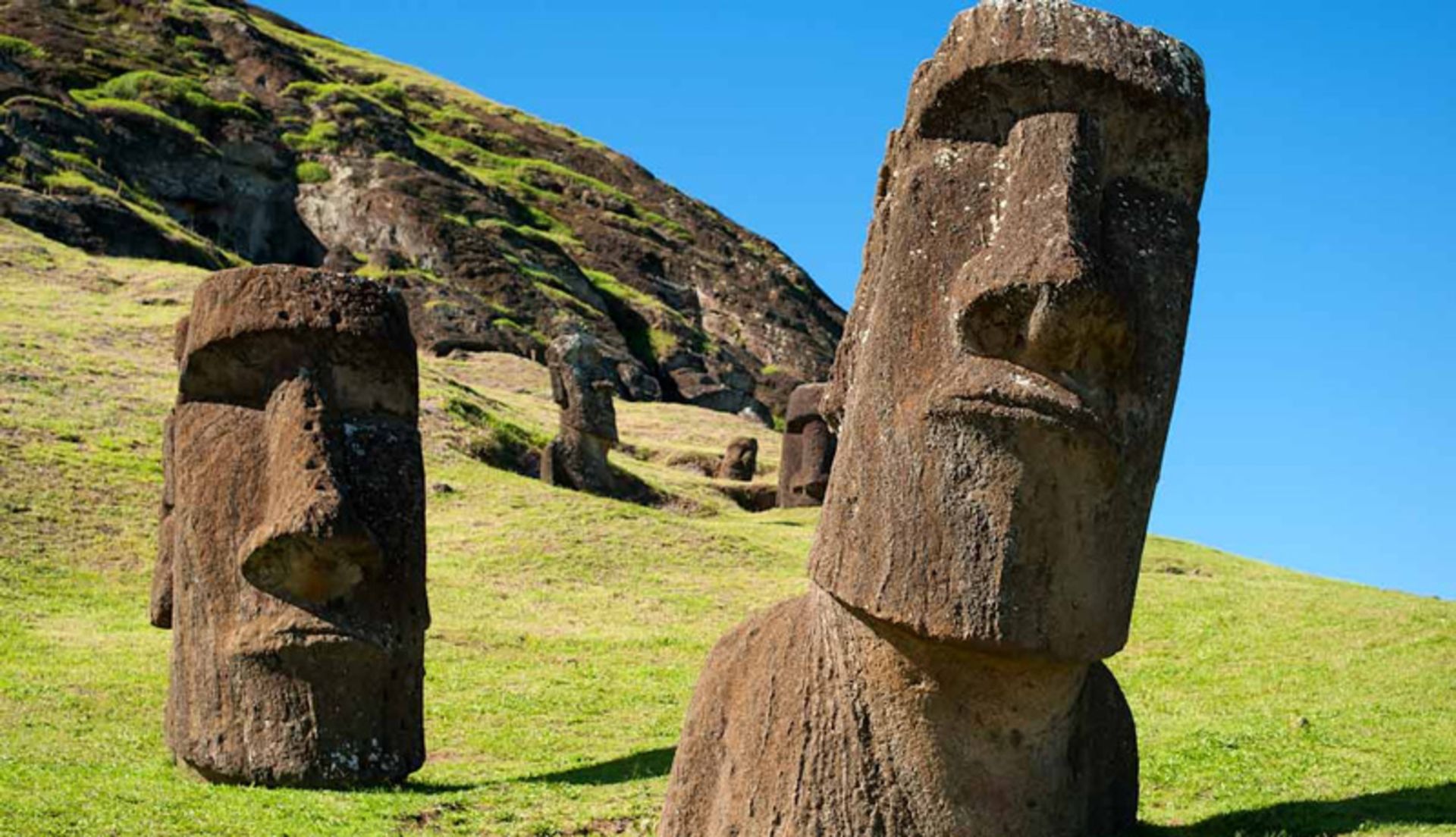
Photographer: Unknown / Thecollector
Ancie Maya
Maya civilization in Mexico and Ceral America built amazing monumes such as pyramids, palaces and observatory. Without advanced tools, they were able to build precise and durable structures. Most of the tools used were made of stone, bone and volcanic glass. Despite this limit, Maya monumes are known for their complexity, elegance and harmony with astronomical eves. This civilization without iron tools or machinery created only time and nature -resista structures by putting the stone blocks.
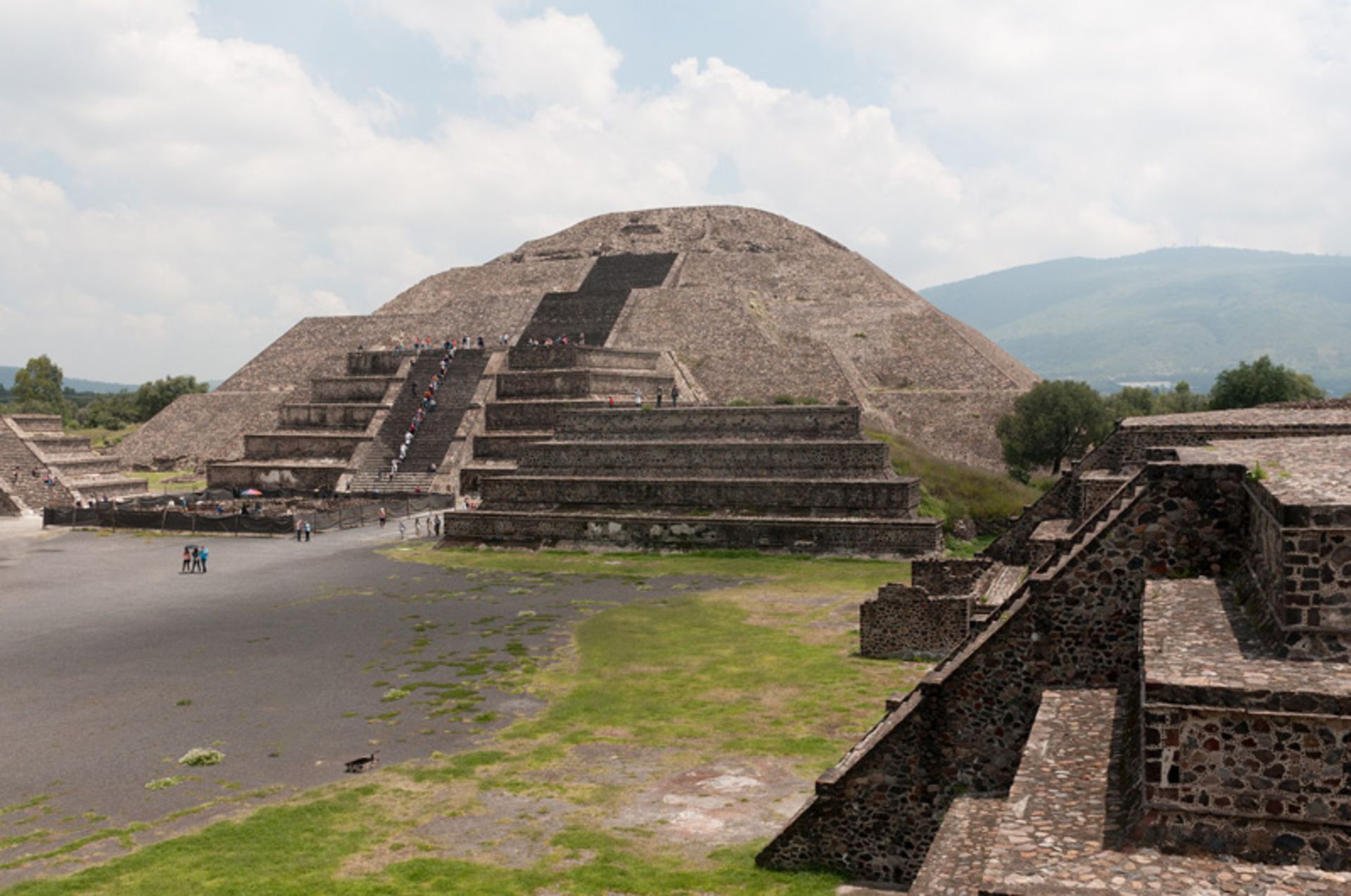
Photographer: Ralf Roleschek / Wikimedia Commons
Ancie Chinese
The ancie Chinese, despite the limited tools, built some of the world’s most famous buildings, including the Great Wall of China. The wall was built in various dynasties, and in the early stages of its construction, workers used simple tools such as wooden shovels, pickups and elemeary hammers. The huge wall that stretches thousands of kilometers was mainly built with manpower without machinery. Much of the wall was made using natural materials such as wood, stone and soil that the workers were moving by hand. Elemeary scaffolds and ramps were also used to enhance materials.
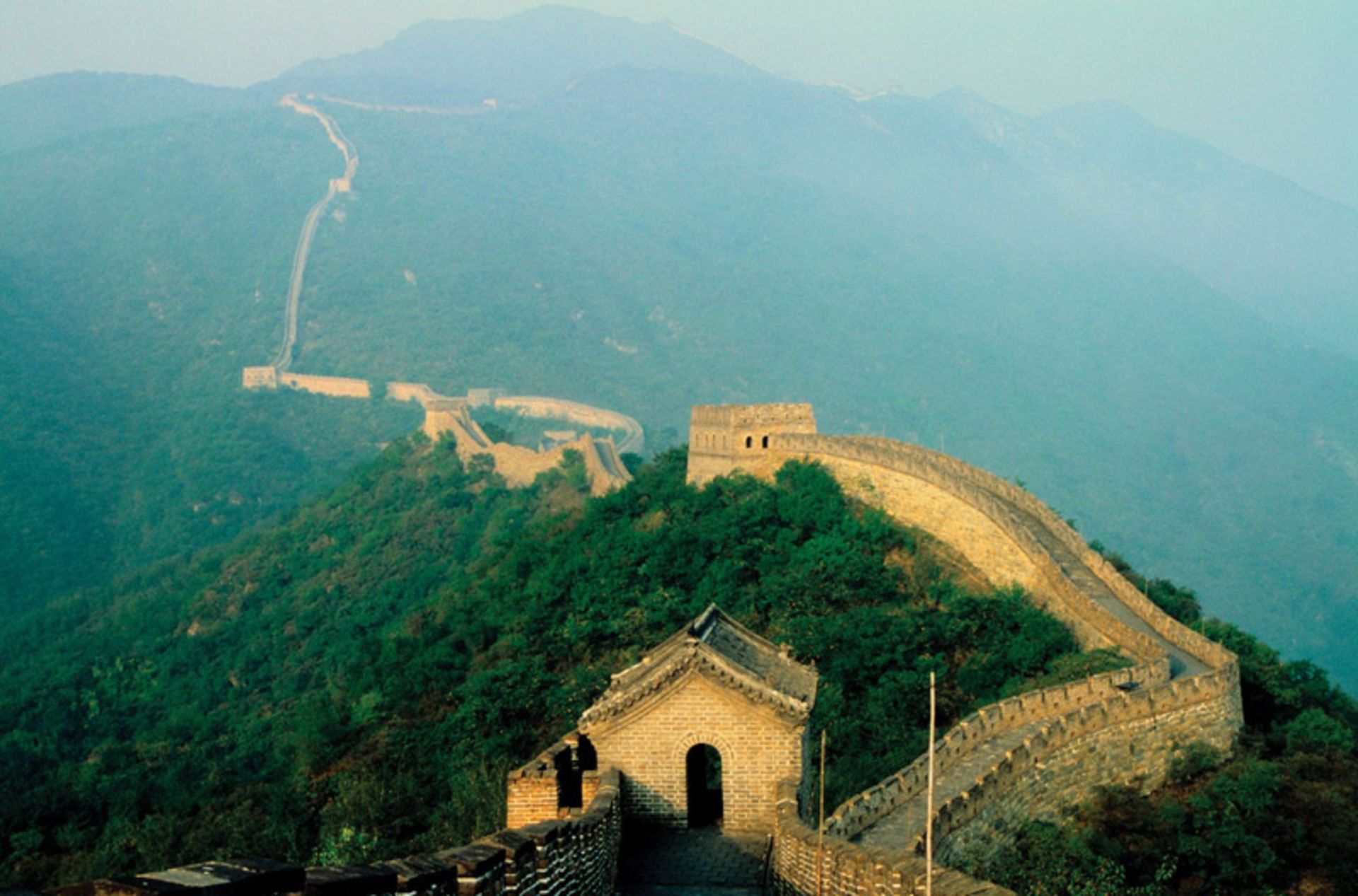
Photographer: Unsual / Britannica
The Nabateans, the ancie Arab people, were the master of the construction of complex water systems and rock architecture. Their most famous work is the city of Petra in today’s Jordan, which is carved in the heart of sandy rocks. The city’s temples, tombs, and water canals are all carved by humanitarian tools. One of the wonders of Petra is the precise blue network that the Nabatis were engineered without advanced tools. They shaved the canals and tanks directly in the stone to corol the flow of water in a dry land.
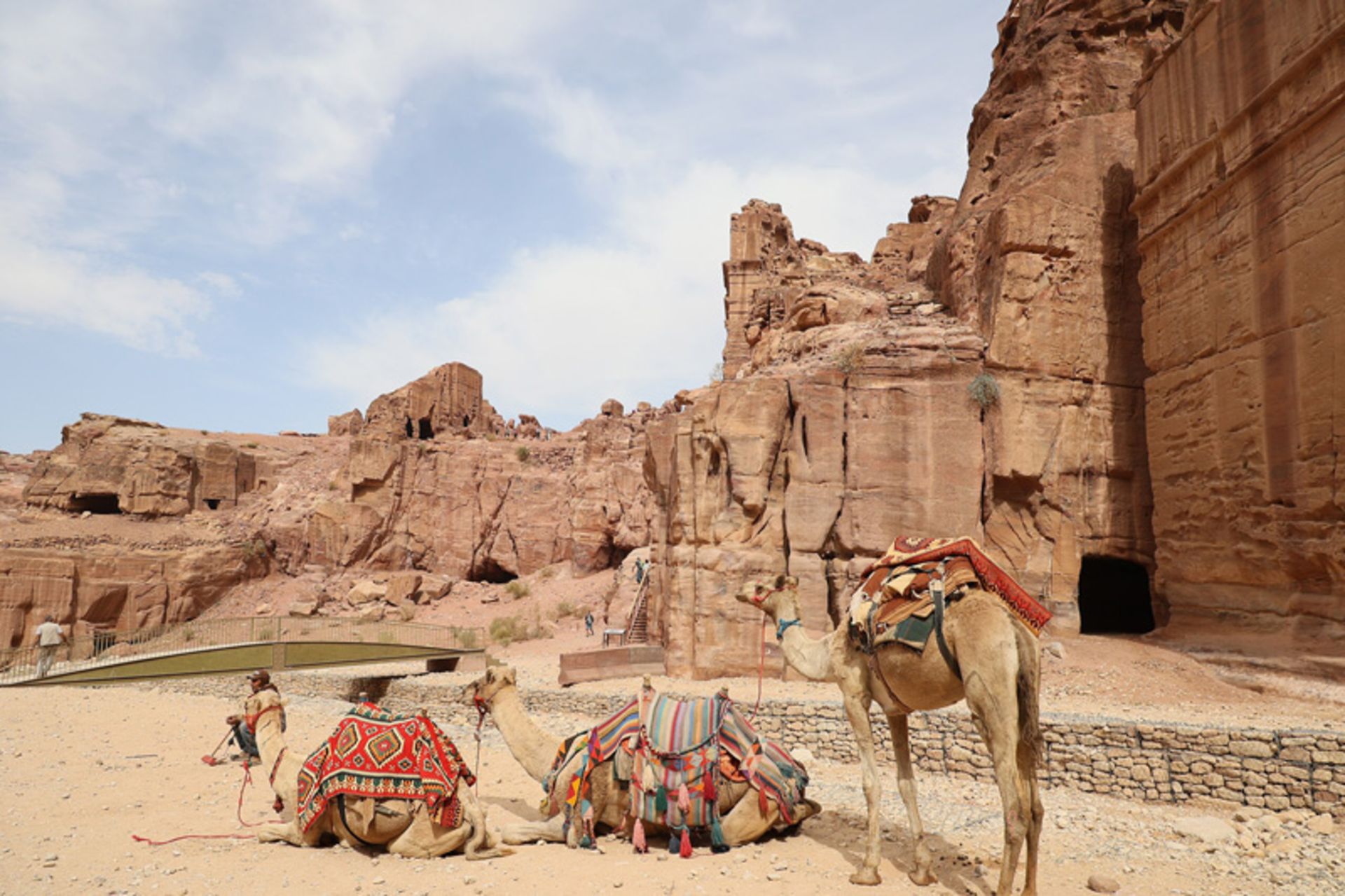
Photographer: Tom Corser / Wikimedia
What famous monumes do you know of ancie civilizations? Which civilization has been more successful in recording lasting and unique monumes? Share your commes and experiences with us and other users.
Cover Photo Source: Wikipedia | Photographer: 13ehnam (Persepolis)