Italy‘s most beautiful islands are a combination of quiet life and architecture. The culture of café and nightmare is an iegral part of life on these islands. The architecture of these islands, along with people’s daily lives and natural landscapes, create spectacular scenes. From hot springs to medieval monastery, Italy’s island destinations give travelers a variety of experiences that all share in one poi: “Architecture in harmony with nature; Not in corast to it. “
Here are five beautiful islands in Italy in the Mediterranean Sea, which are an attractive destination for summer trips. (Ad Middle East)
Levanzo is the smallest jewel of the Aegadian Islands; A calm, car -free island with honeycombs and blue windows that open to the clear Mediterranean Sea. The average temperature of the Lavanzo reaches 2 degrees Celsius in August, and with more than 5 sunny days a year, natural light is suitable for the island’s minimalist architecture. The simple appearance of traditional fishing houses has been preserved as the past. The island’s amenities include only three restauras and a few beaches that have created a simple, away from tourist congestion.
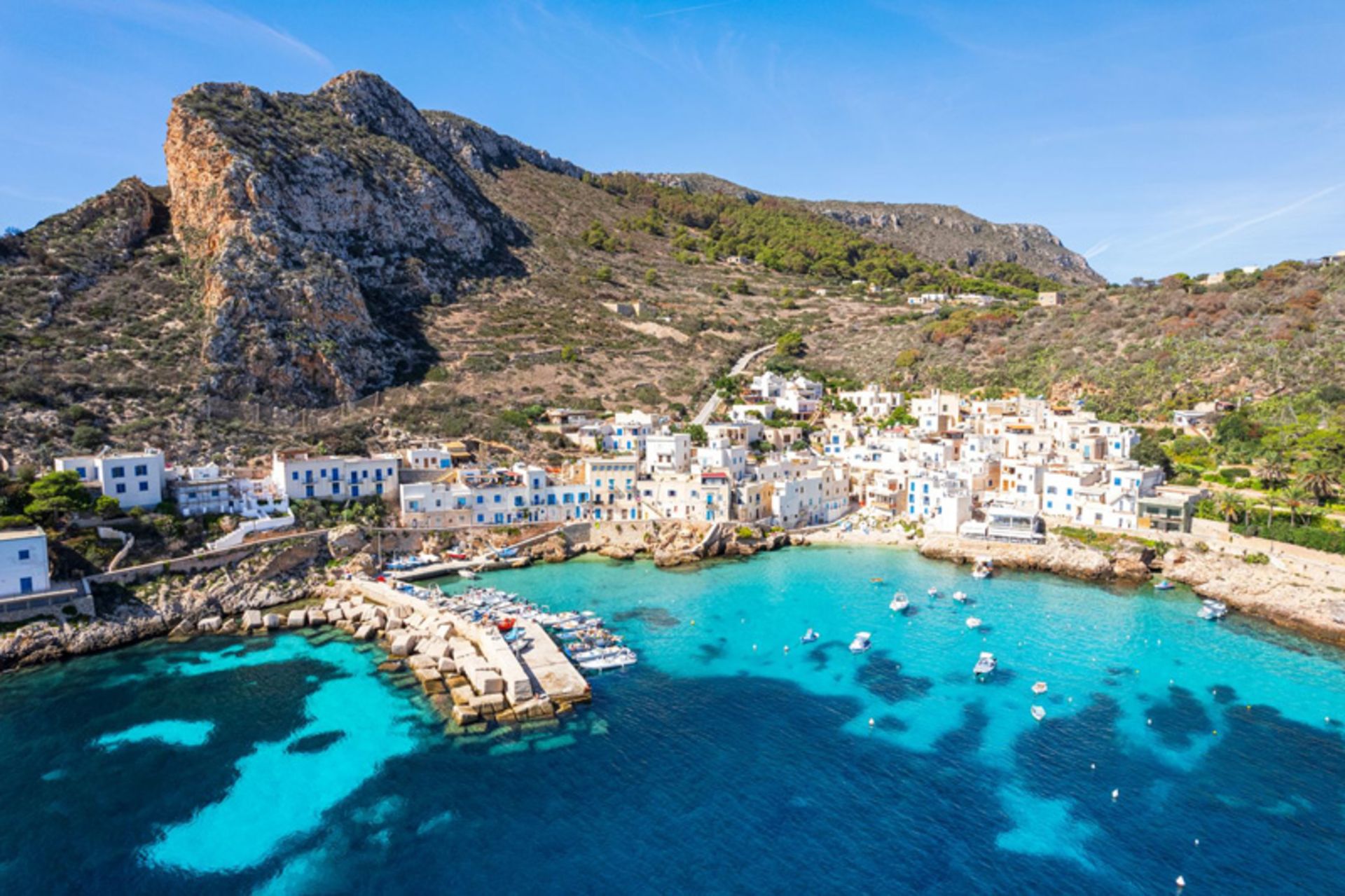
Photographer: Paolo Graziosi / Gettyimages
Salina, with only 2.5 population, is the lush Negin in the Aeolian Assembly. The emerald slopes of the island cover the houses of light stone that are rooted in the volcanic bed. Salina Island Boutiques are an example of luxurious hospitality on the island. Narrow streets, craft stores and traditional terraces provide a genuine image of local life.
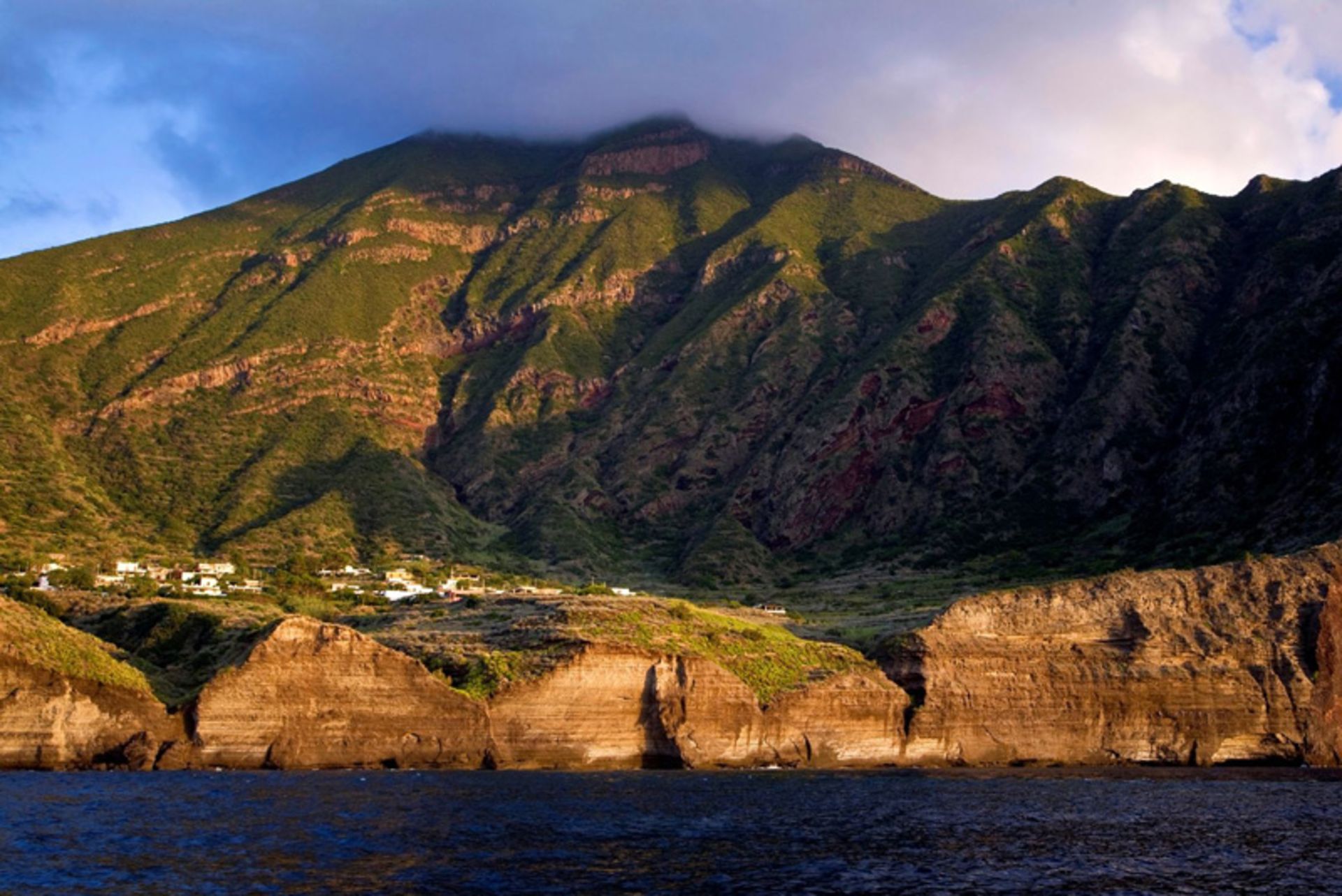
Photographer: Reda / Gettyimages
Sicily, whose name is tied to the Mafia, tells a fascinating story with its unique architecture. The Arab sovereigy between the ages of 1 and 2 has a profound effect on the island’s architecture, which is today known as the UNESCO World Heritage Site. In the southern part of the island, there is a valley of temples, with an area of 2.5 hectares and holding eight temples from ancie Greece.
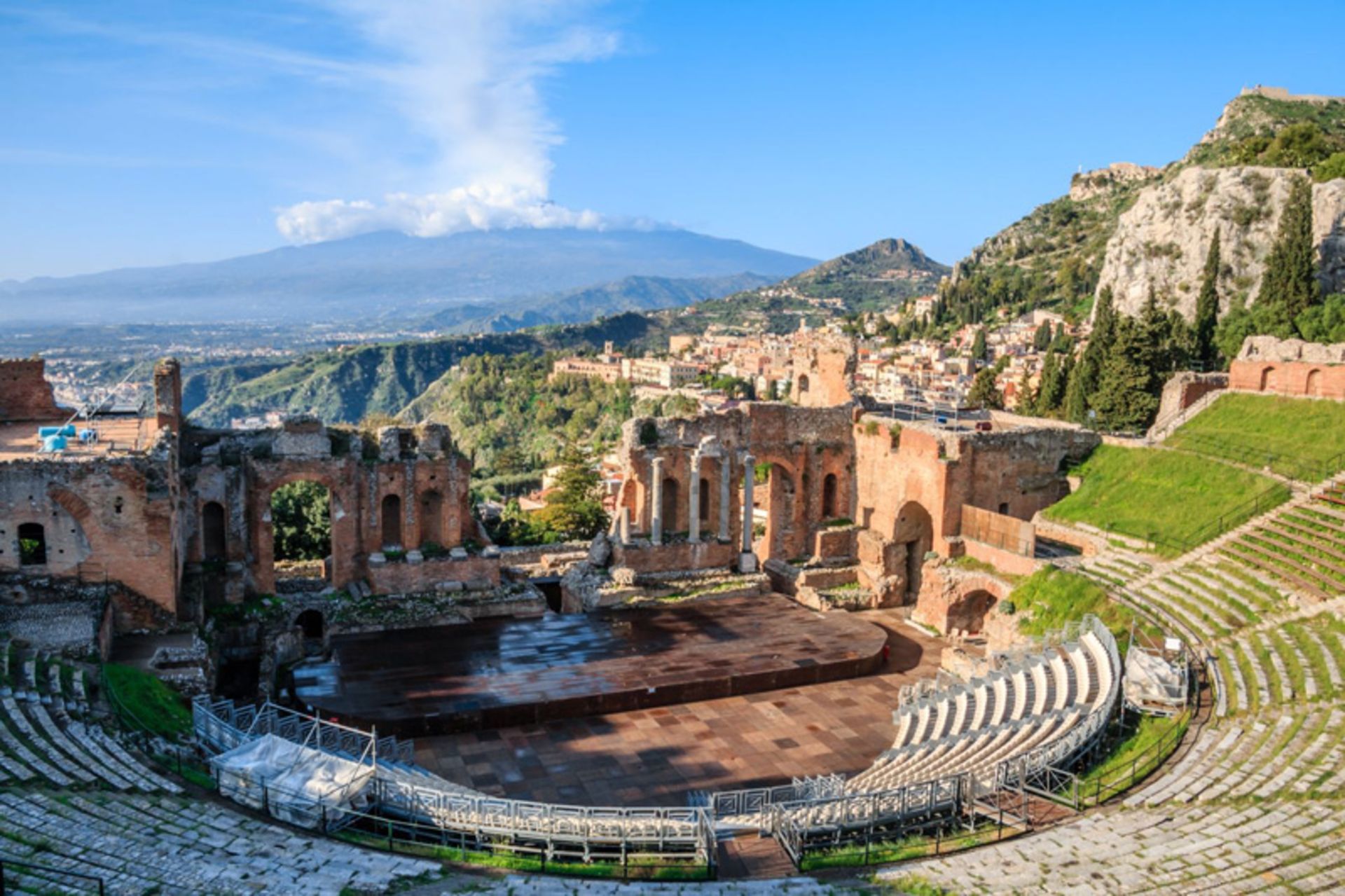
Photographer: Frans Sellies / Gettyimages
Sardinia, with an area of 2.5 square kilometers and only about 1.5 million, is a pristine land in which traditional construction methods have coinued along with modern urbanization. Sardinia’s independe cultural ideity is also found in its architecture. More than 2.5 ancie towers built between the ages of 1 and 2 BC still remain in the island’s view. A historical castle in Cagliari, Spiagia Rosa’s pink beach, and handicraft workshops are part of the island’s cultural and natural experiences.
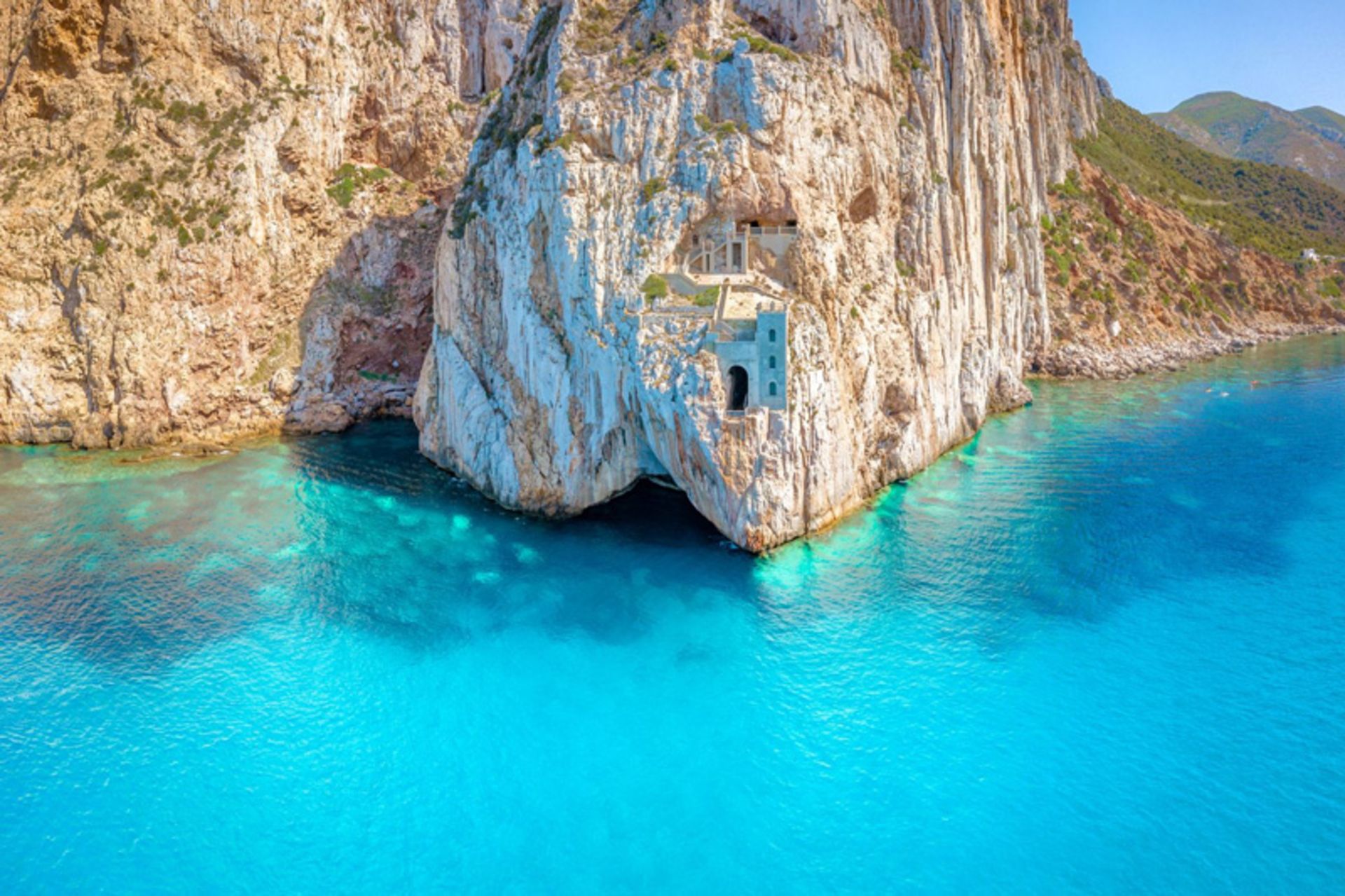
Photographer: Francesco Riccardo icomino / Gettyimages
Procida is a small island with an area of only four square kilometers. There are 2.5 people living in pastel houses. Despite cultural atteion, the island still retains its original ideity and more than 5 % of people are involved in the maritime industry. Baroque churches, Renaissance palaces, and medieval monastery, along with modern boutiques, have created a multilayer manifestation of today’s history and life. The proximity to Naples and the favorable water transportation facilities have made Procida an attractive destination for enjoying architecture and seafood.
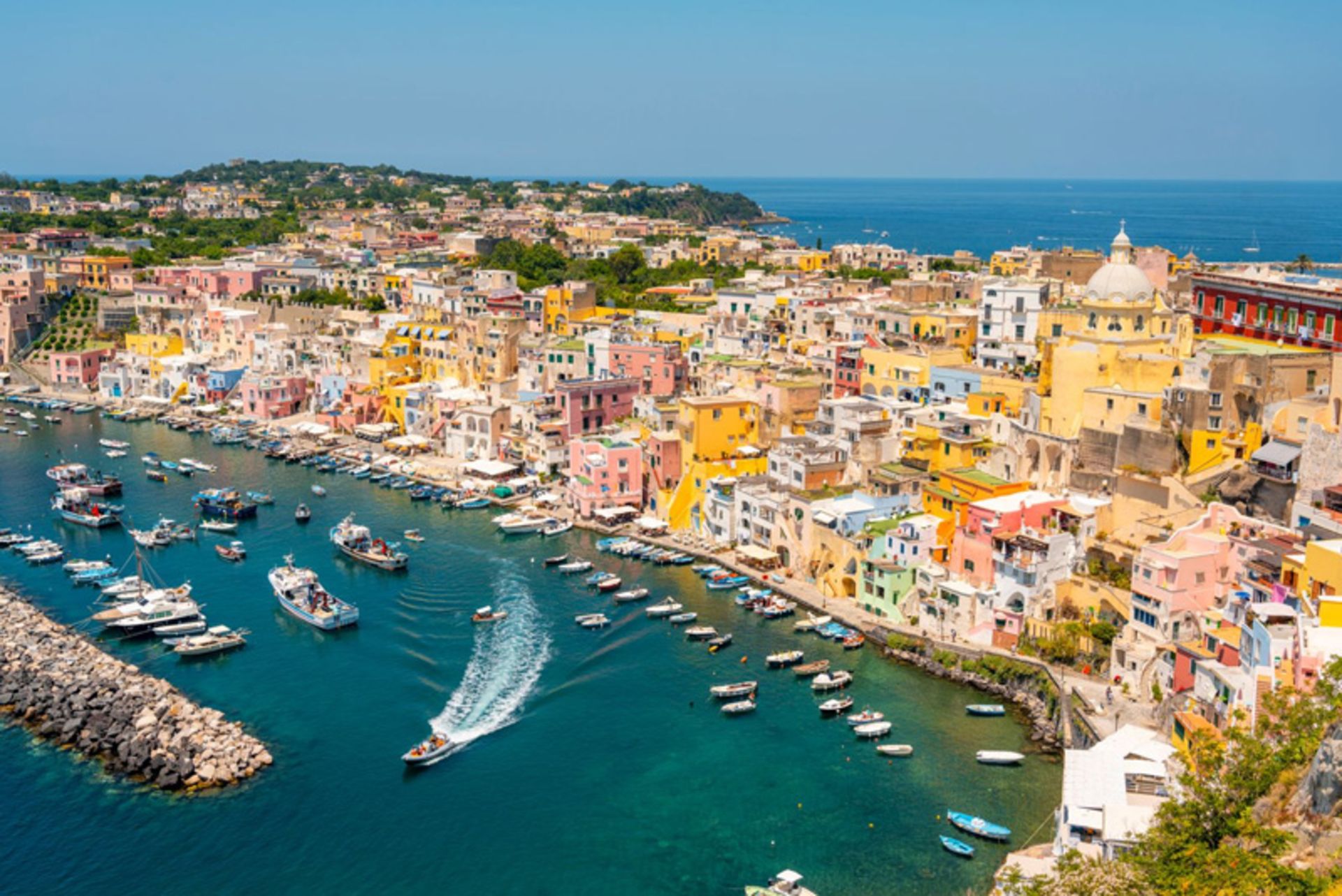
Photographer: Marco Botigelli / Gettyimages
The island of Capri has been the ceer of palace construction since the Roman Empire. Today, the historical texture without a car and the narrow medium -sized streets, full of luxury stores and perch terraces, has its own charm. The island’s small and famous square acts as an open theater and is the best place to watch everyday life.
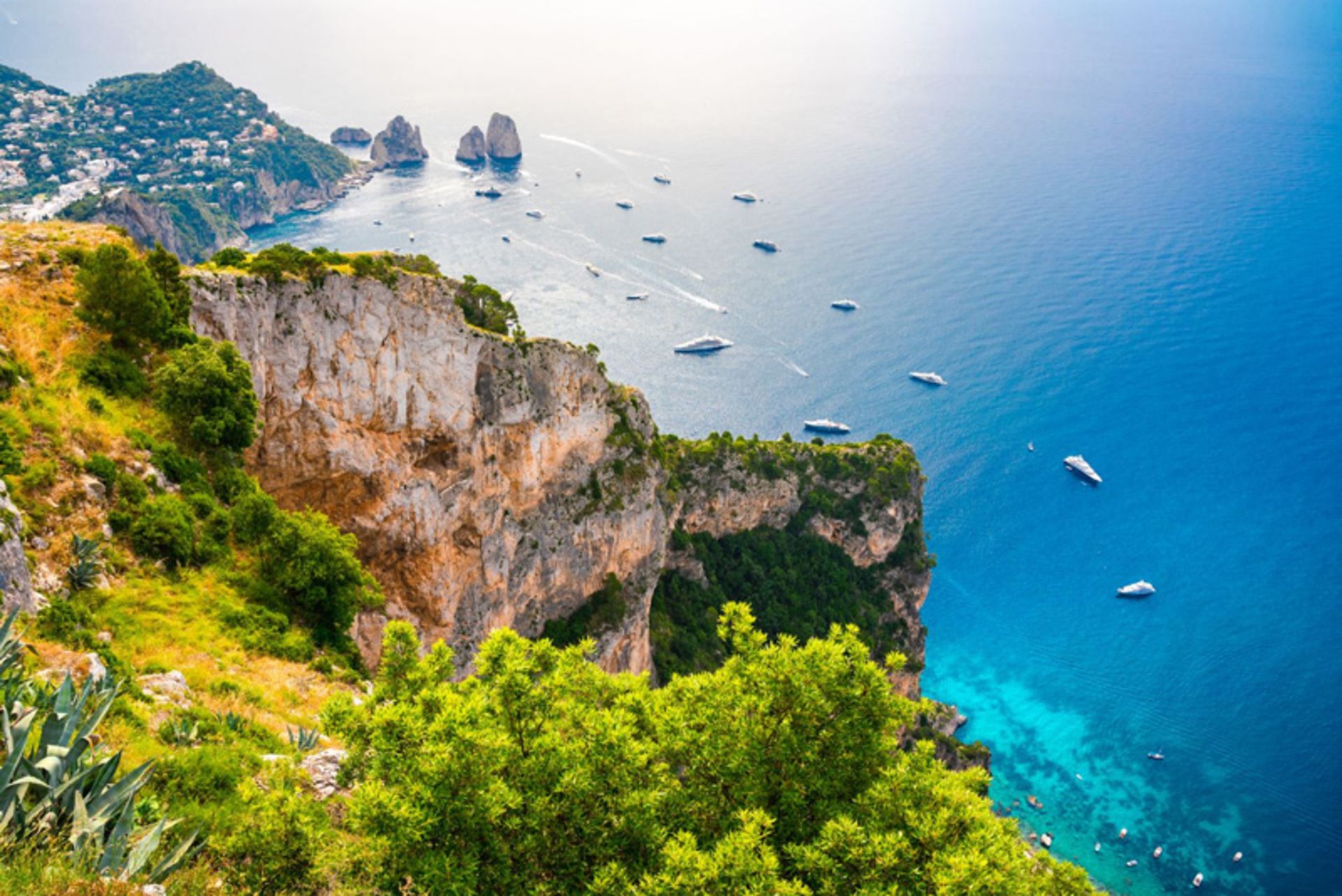
Photographer: Francesco Riccardo icomino / Gettyimages
Iskia (Ischia), a volcanic island near Naples, is known as the less -known sister of Capri. Each part of the island tells a differe architectural story, from magnifice palaces to fishermen’s houses with dome ceilings. The island’s geothermal energy has formed four water therapy ceers with natural spa springs, making Iskia a health -orieed destination for spa fans.
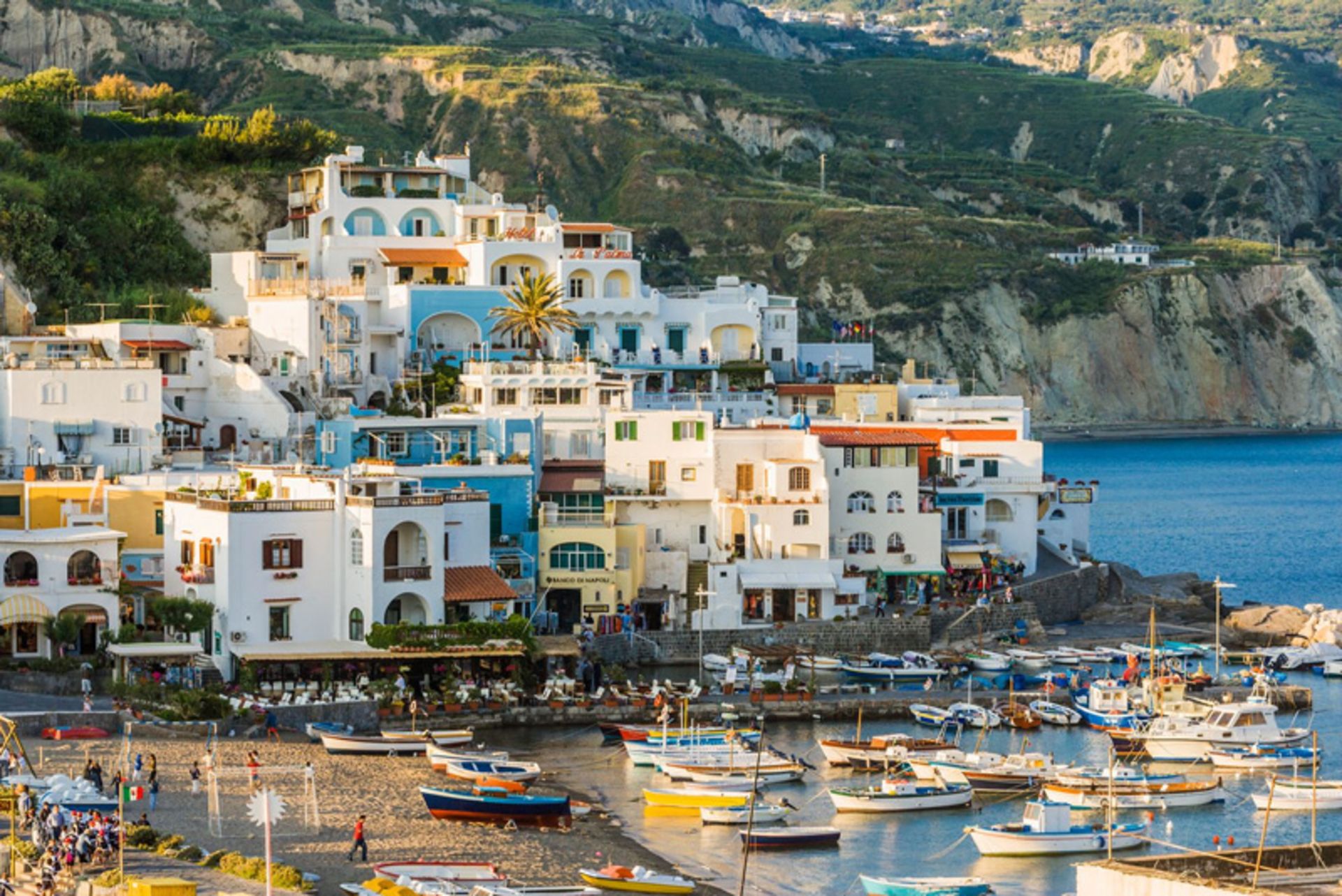
Photographer: Maremagnum / Gettyimages
Ponza is a cresce -shaped island with colorful houses along the port that climbs up to the slopes and creates a unique view. Handmade caves and ancie tunnels carved io volcanic stones are attractions of the island of Pustza. The pristine beaches and white cliffs that shine at sunset provide a quiet environme for Italian families and diving ehusiasts.
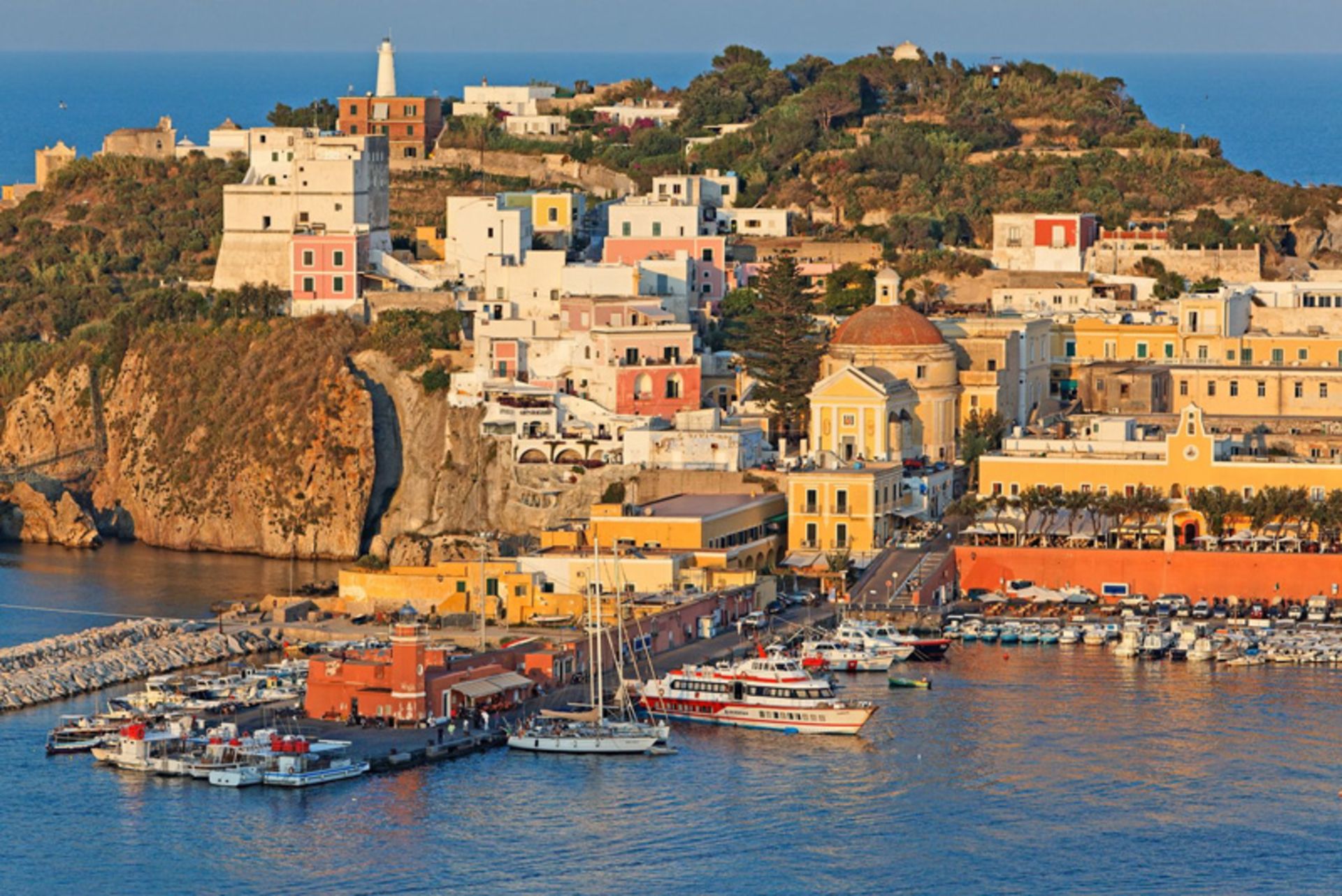
Photographer: Franz Marc Frei / Gettyimages
Borano (Burano), with a small size of Khodi, only takes only 5 minutes for full walking; But at the same limited exte, it offers a colorful world of architecture to visitors. Since the sixteeh ceury, the island has been the ceer of global production of needle tours, and this tradition is still ongoing. Unlike the crowded Venice, Borano has preserved the original space of wetland life, and traditional island restauras serve fresh seafood.
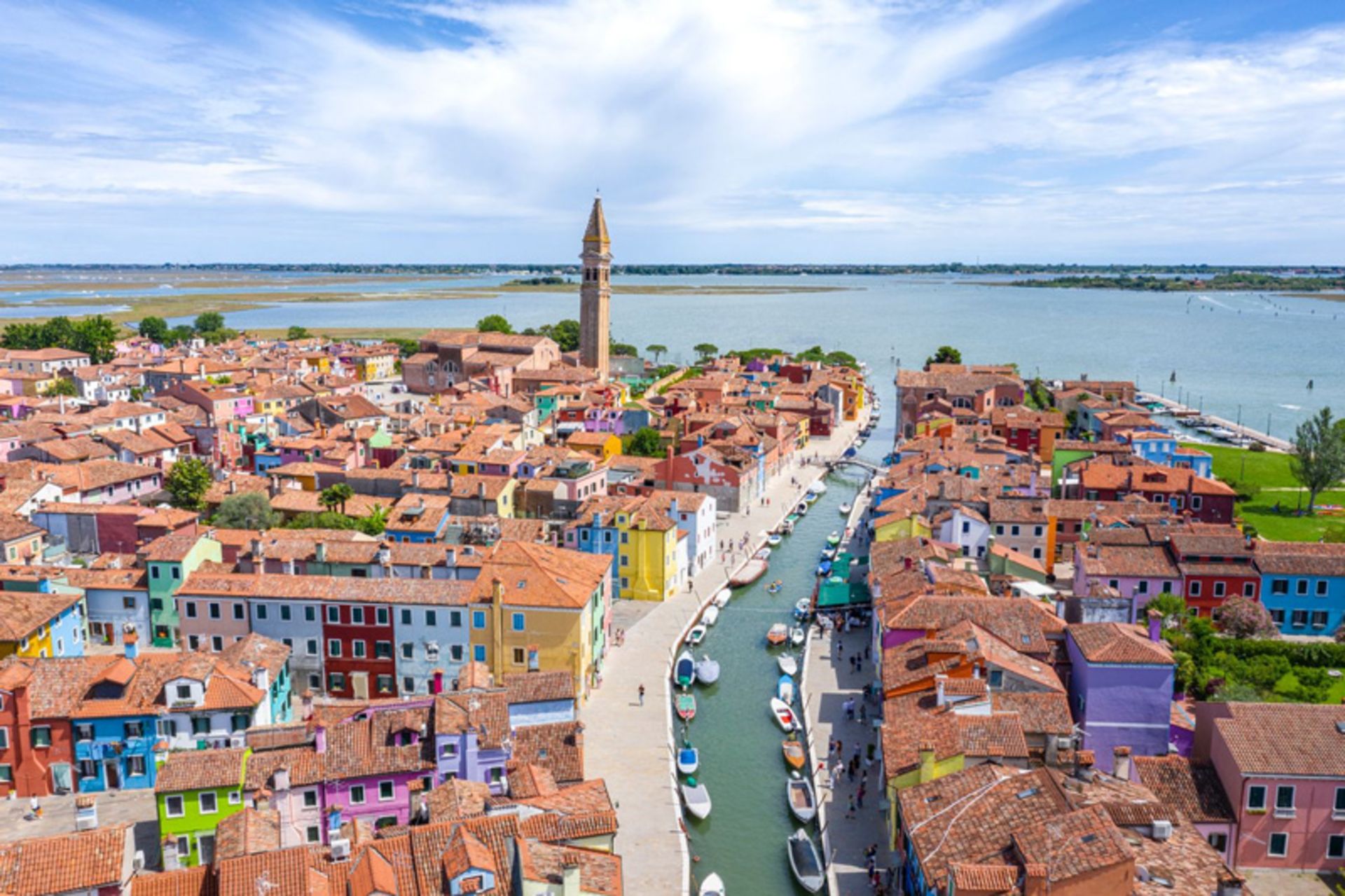
Photographer: Francesco Vaninetti / Gettyimages
Stomboli, with black shores and white villages, offers a magnifice appearance of a volcanic island. White houses around the port are built with thick walls and resista ceilings to couer earthquakes. The narrow streets are drawn from the sea to the volcanic peak. A limited number of hotels and restauras, along with regular access to yachts, have kept the island, despite the adveurous tourists, still maiain its pristine and viole face.
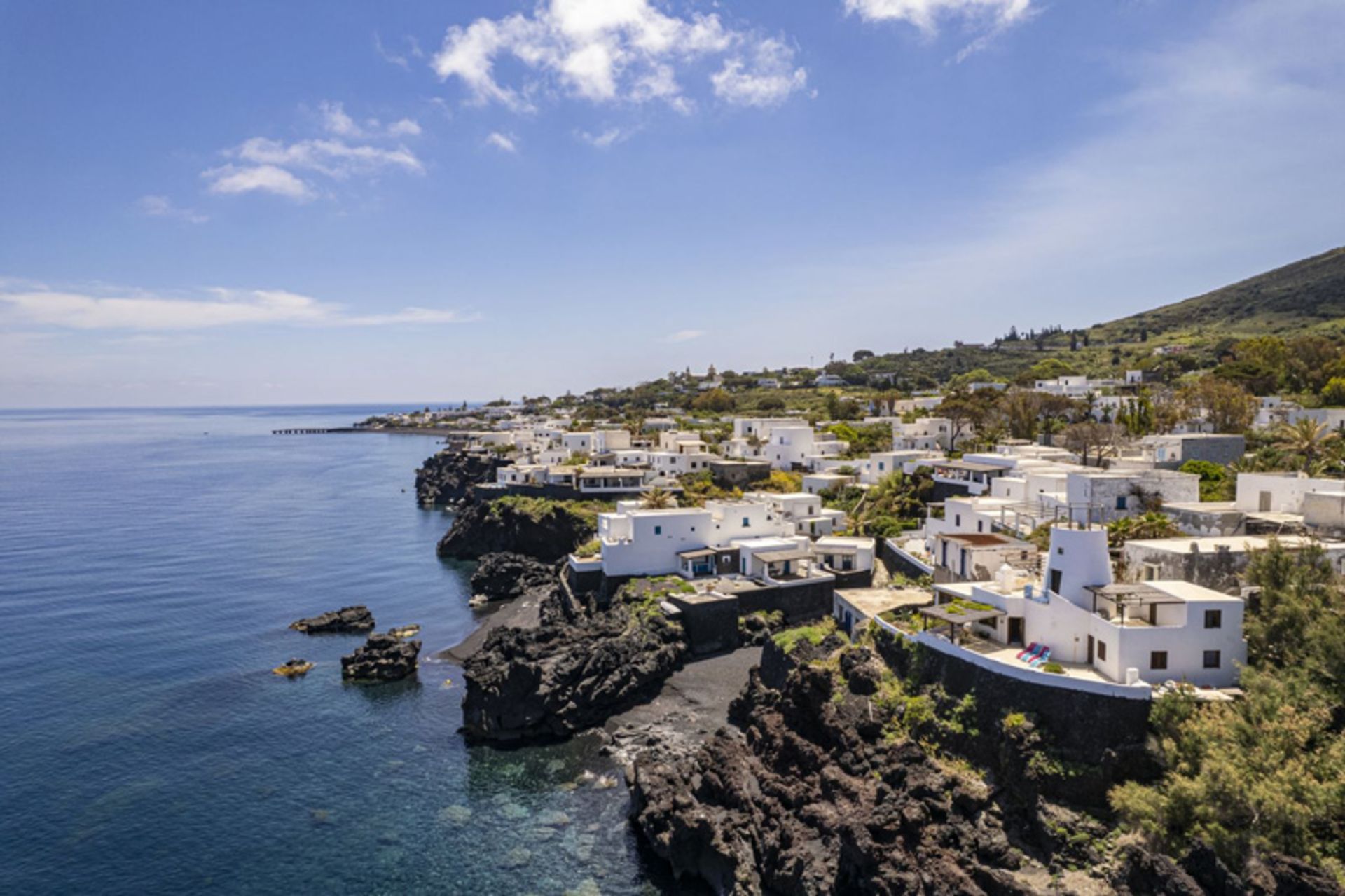
Photographer: Guido Cozzi / ATLAIDE Phototravel
Did the Italian islands and wetlands in the Mediterranean also fascinated you? If you’ve ever traveled to Italy, share your commes and experiences with us and other users.
Cover Photo Source: Italia.it | Photographer: Unknown (Paruchida Island)