Efforts to iegrate traditional indigenous architecture with coemporary design principles have created a unique model of modern architecture in the Middle East; Where Islamic architecture has been flourishing since the seveh ceury. This traditional style, known as sophisticated geometric patterns, extensive courtyards, magnifice domes and decorative tiles, is combined with modernist ideas of modern architecture, such as simplicity, functionality, and creative use of modern materials and technologies. Here are five promine examples that show the prospect of the region’s advanceme and demonstrate a consiste blend between modernity and cultural heritage (Ad Middle East).
The National Museum of Qatar, despite its sophisticated appearance, emphasizes the simplicity and clean lines of modern architecture; What is seen in the exterior disc appearance with the minimalist ierior of the museum. Like the “desert rose”, it is dista from traditional forms with an abstract and organic structure and gives priority to form and function to create a symbolic, yet beautiful design.
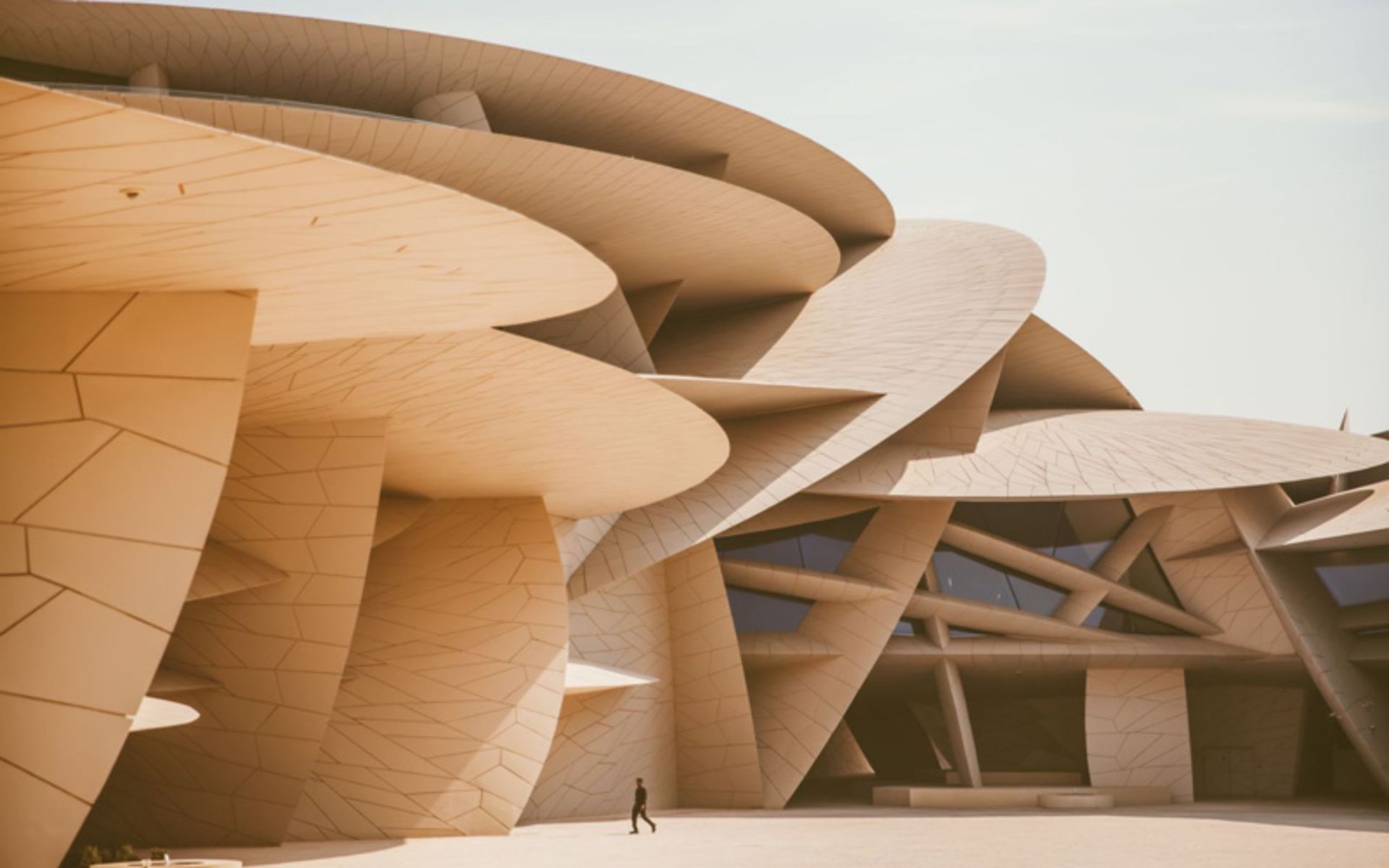
Photographer: Chalffy / Getty Images
Louvre Museum of Abu Dhabi
The Louvre Abu Dhabi Museum is located in the Cultural Area of Saadat Island in the Emirates capital. This modernity -based style of modernism is known as a 2 -meter dome in its ceer. The geometric patterns of the dome, inspired by traditional Mogharnas and Mashrabiyeh, are a brillia example of modern architecture that elaborately corols natural light to create a work similar to the shadow of palm trees. The museum also has traditional courtyards that are designed as open and open spaces for thinking and coordinate with modern beauty; A combination that links functionalism deeply to the cultural heritage of the region.
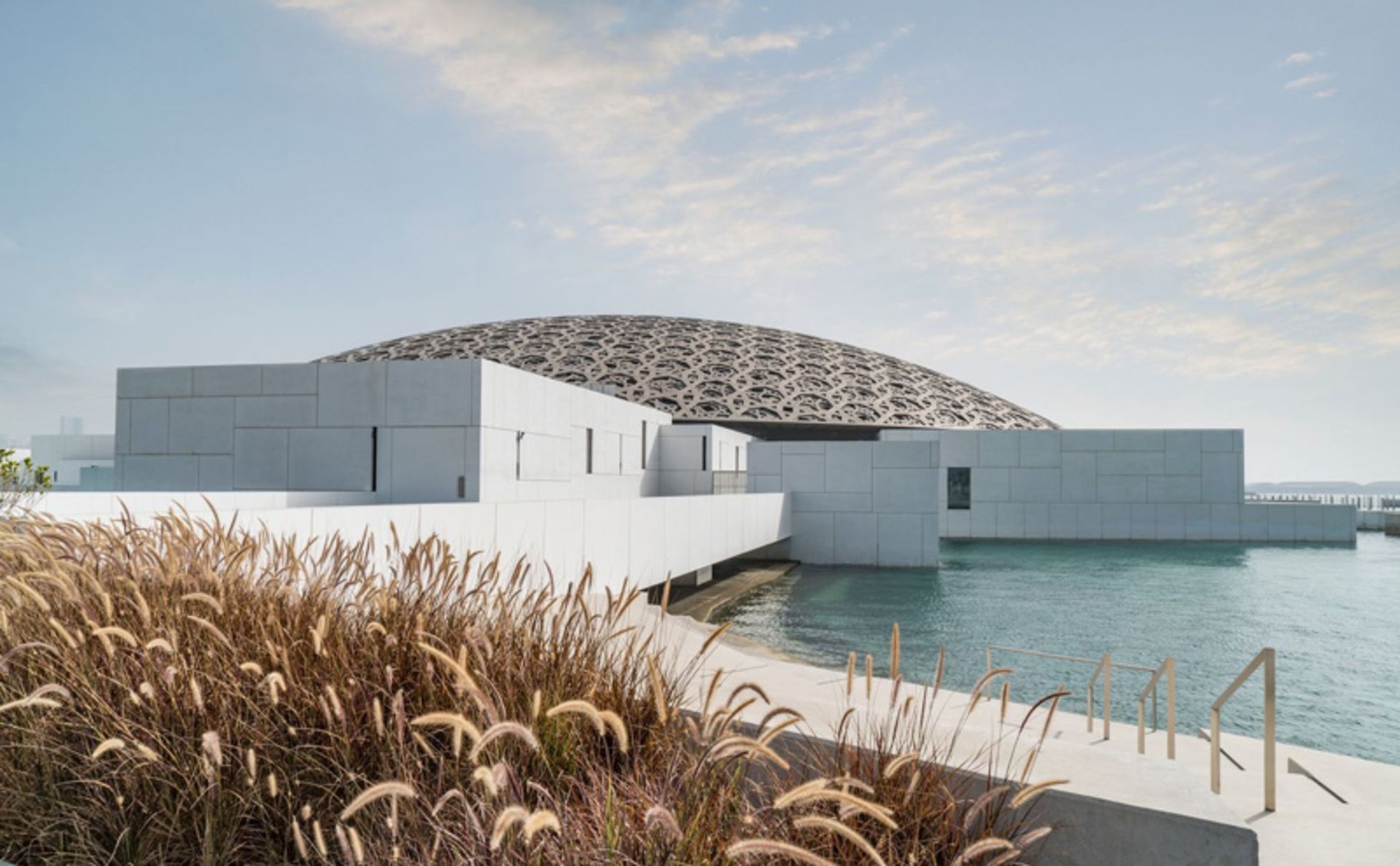
Photographer: buena vista images / getty images
Qatar National Library
Qatar National Library is one of the most beautiful libraries in the world and is far from its open and flexible design, from traditional architectural rigors. The minimalist design of this library, with simple lines, shows the overall shape of the building simple and modern, and the widespread use of glass and steel adds to it. Large windows and embedded lights allow natural light to shine in the ierior and create a bright and pleasa environme. One of the features of the Qatar National Library is the ceral atrium that reminds traditional Arabic courtyards; But this time it has been recreated as a vibra social ceer.
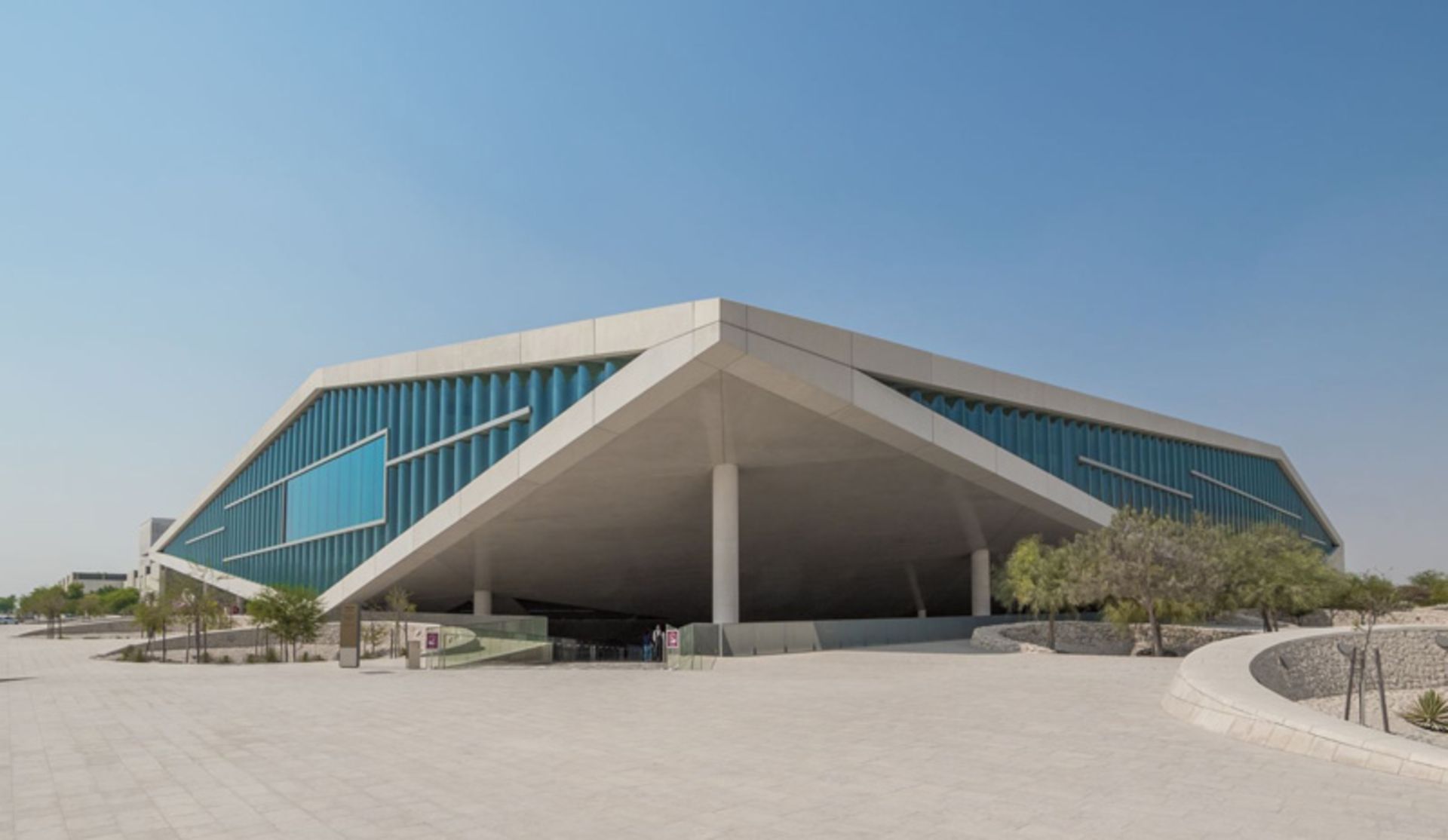
Photographer: Travel Photography / Getty Images
Kuwaiti National Assembly building
One of the promine examples of modern architecture in the Middle East is the Kuwait National Assembly Building building, which inspires its design from the vibra eastern markets. The use of curved columns and beams, along with steel cables, minimizes the use of materials in the design of the building, while maiaining the strength of the structure. The end result is a three -storey building with impressive ceilings that combined a historical eleme (te) with modern materials and methods that have been built both in the past and with a look at the future.
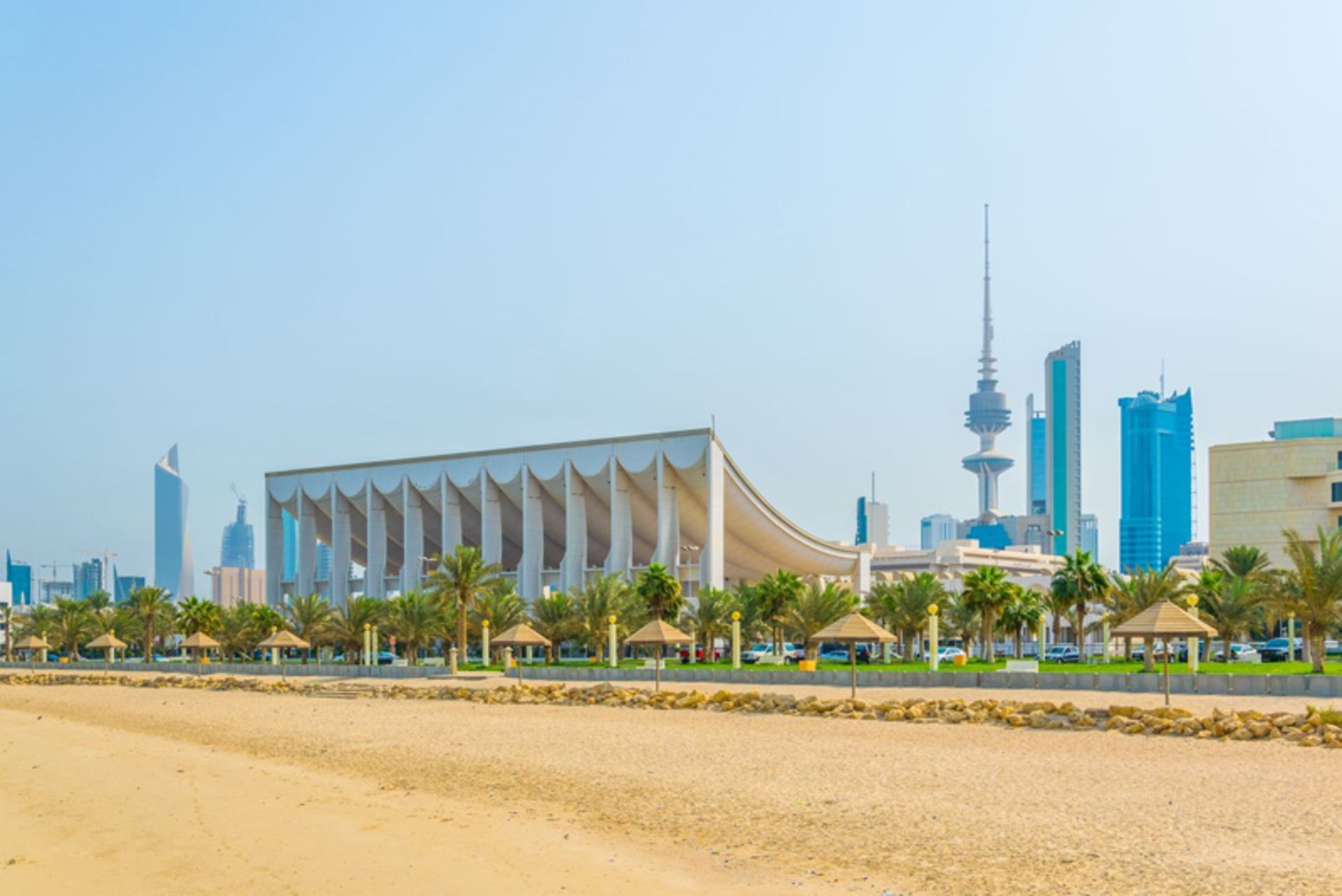
Photographer: Unknown / Getty Images
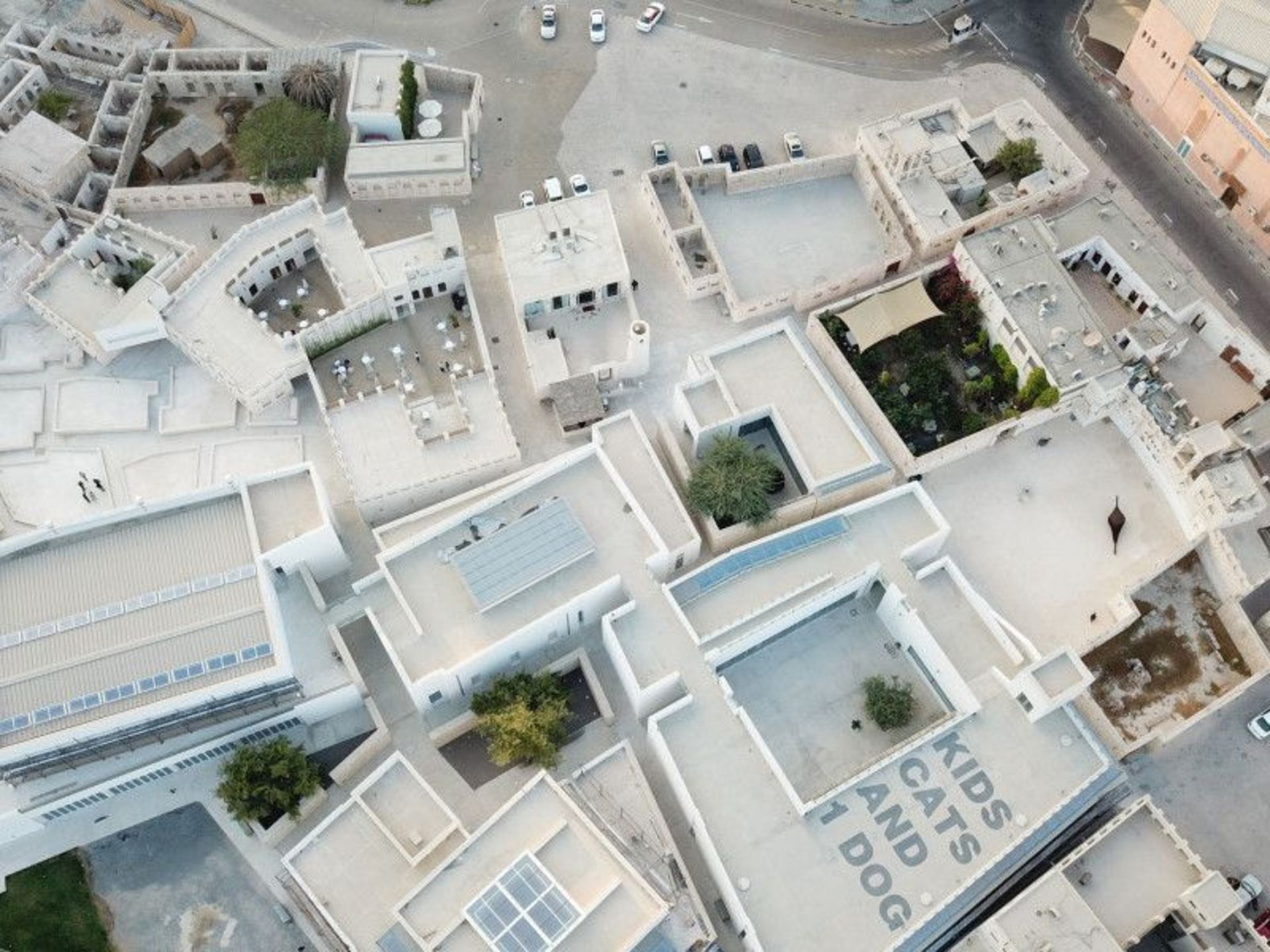
The Sharjah Art Foundation in the UAE, which was completed in year 6, is designed with minimal decorations and uses materials such as concrete, steel and glass to create a modern and functional look. One of the most importa features of this collection is the iegration of historical elemes; In its design, the traditional Sharjah houses have been rebuilt and transformed io exhibition spaces. This combination between modern architecture and regional heritage is effective. The minimalist design, with emphasis on geometric and easy -to -use forms, provides ideal conditions for coemporary art, while respecting the architectural heritage of the region.
Photographer: Unknown / Sharjahart.org
Kojak Jaber building in Lebanon
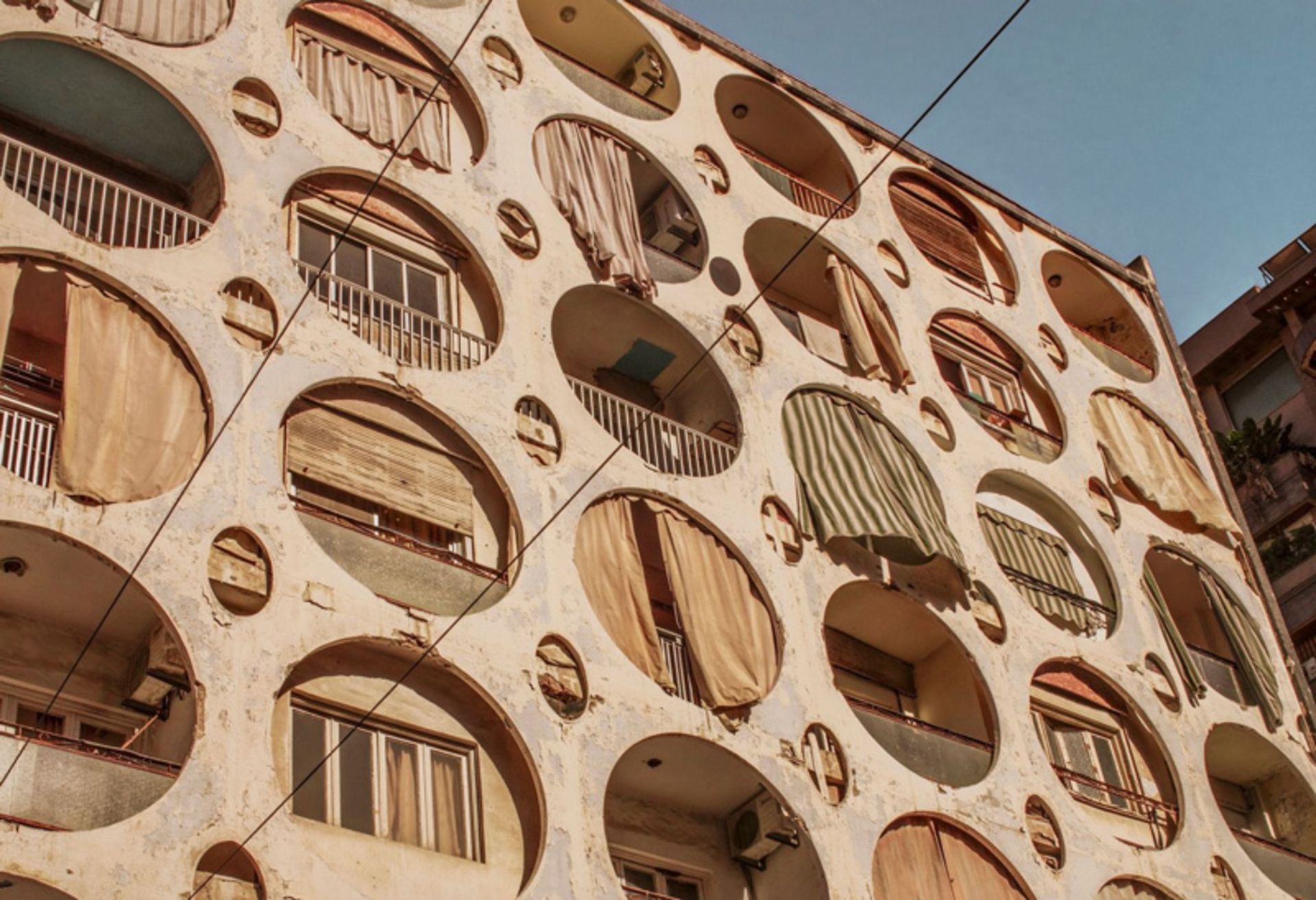
The Koujak Jaber building in Beirut has a flat view that is decorated with a large circular aperture of three meters in diameter, which is why it is nicknamed “Grivier Cheese”. These openings, along with smaller elliptical holes, reveal the structural elemes of the building and create a mysterious effect that varies depending on the angle of view. This simple but impressive feature is an example of the principles of modernism that shows the beauty of the building in the Lebanese capital.
Photographer: Matthieu Salvaing / The Book Modernist Beirut Courutesy of Editions Norma
Malik Faisal Mosque in the UAE
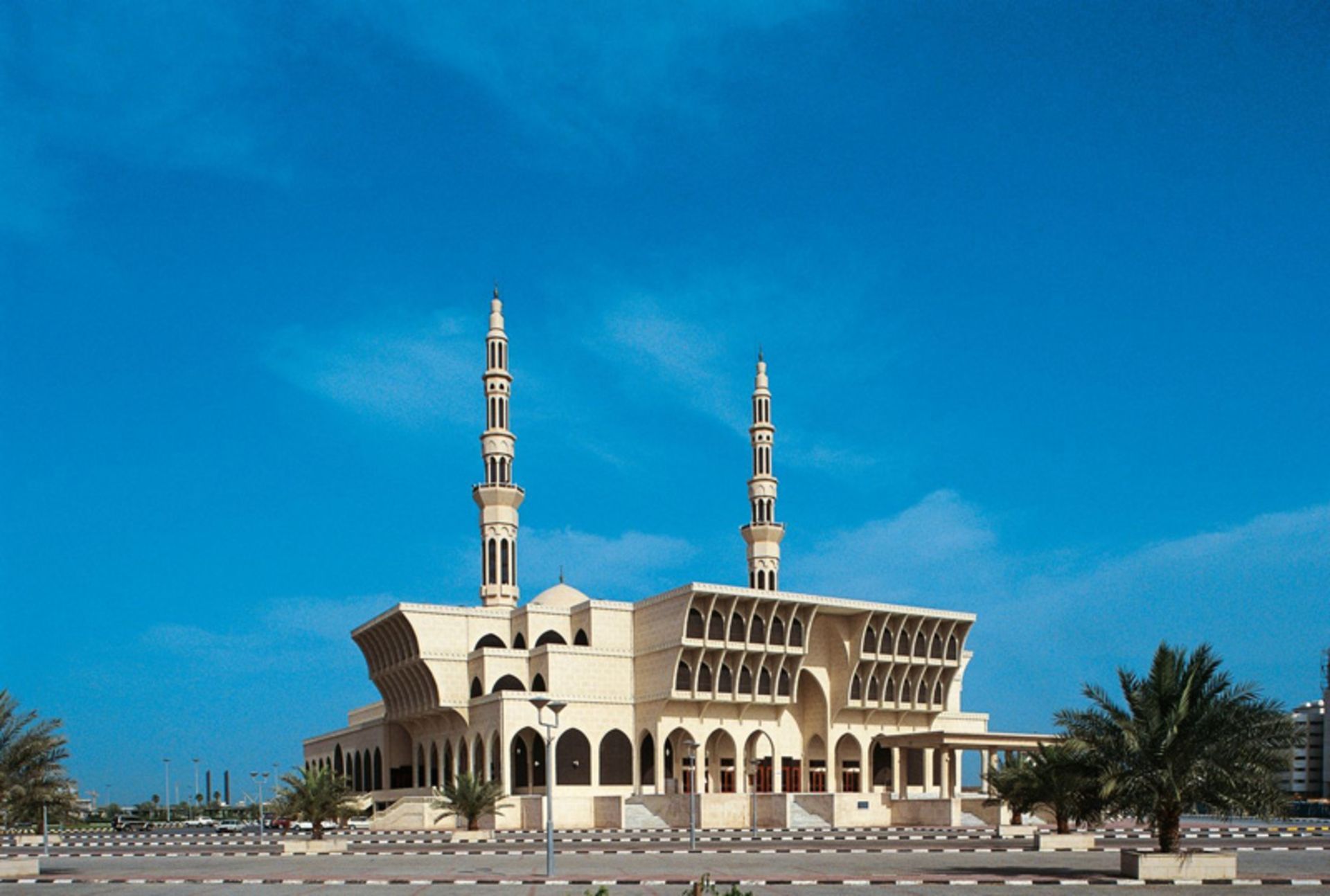
The King Faisal Mosque, which was completed in Sharjah in the UAE in the year 6, is known for minimalist forms. The design of the mosque has combined traditional elemes of Islamic architecture with modern features. The use of geometric shapes and simple and uniform surfaces is one of the main features of this building. The white and shiny facade with a large ceral dome and two smaller domes around provides a balanced and symmetrical appearance. Also, the widespread use of glass, especially in large arc windows, allows the natural light to illuminate the atmosphere and create a quiet and spiritual environme.
Photographer: deagostini / getty images
Emirates Ceral Bus Ceral Terminal
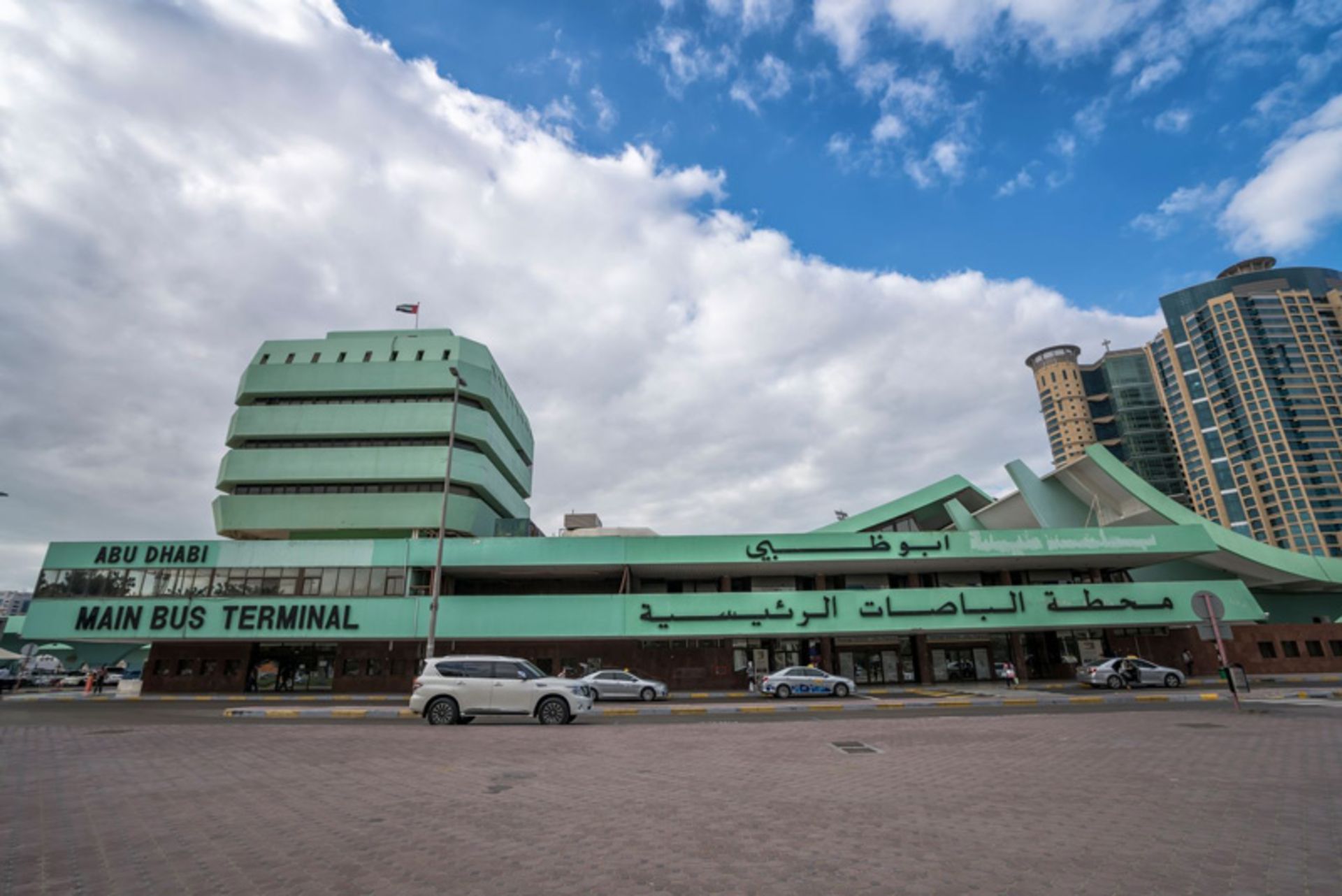
Abu Dhabi Ceral Bus Bus Station is a set of simplicity, efficiency and regular geometric lines. The use of concrete and a neutral color spectrum, including white and gray, make it more promine. The symbolic roof of the terminal with four curved structures and semicircular arches, in addition to creating a shadow, gives a dynamic and fluid look. Focusing on the efficiency and moveme of travelers is in line with the principles of modernism in design efficiency. In year 2, the station was formally recognized by the Abu Dhabi Departme of Culture and Tourism as a index of architecture.
Photographer: Gawriloff / Getty Images
Dubai Oil Building
Dubai Petroleum Building, which was completed in the late 1980s, is known for its geometric forms and widespread use of concrete. The facade of this structure with regular vertical lines and angular geometry creates a significa coradiction with the city horizon. The ierior is also optimized to increase user levels and access.
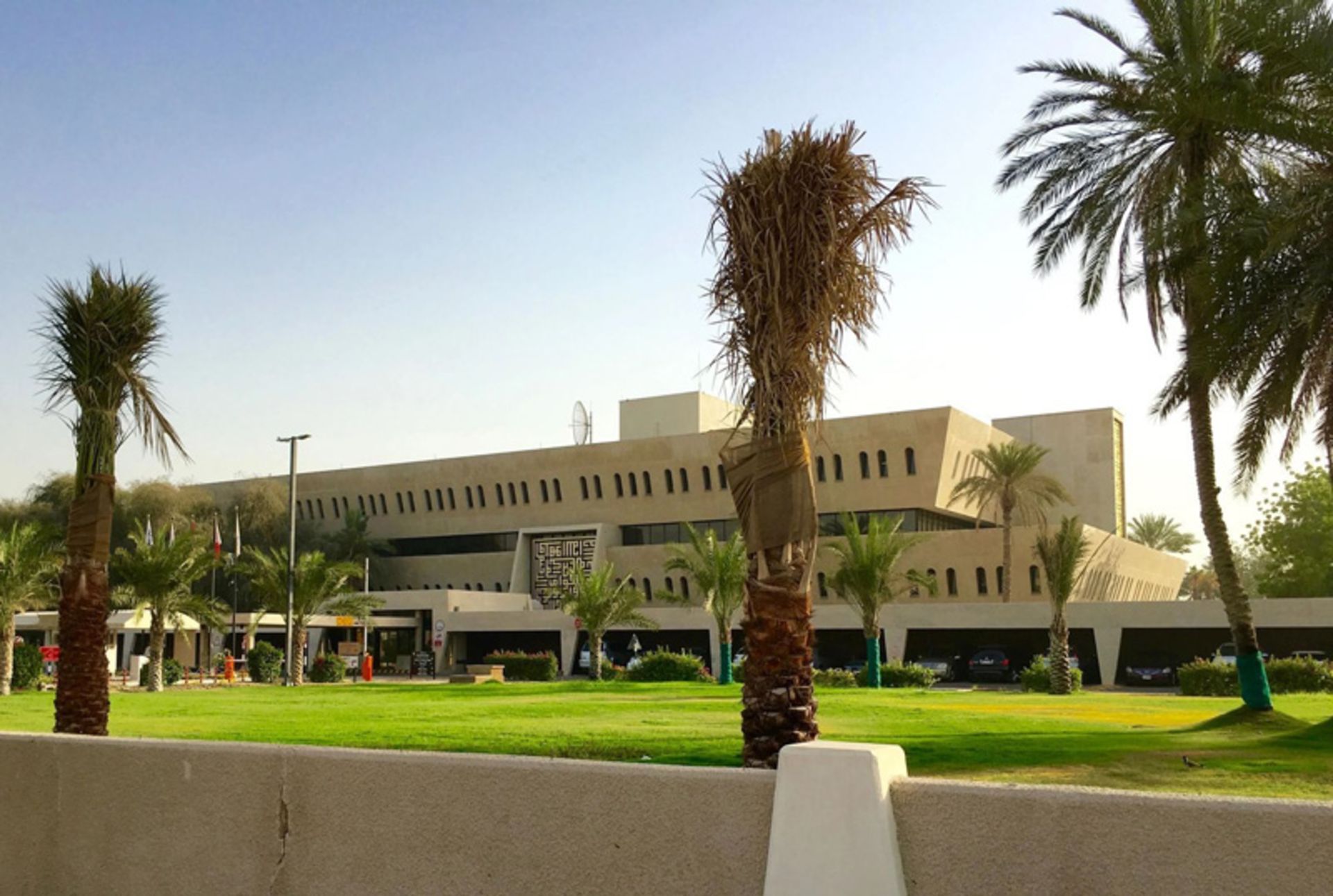
Photographer: Graham McKay / Misfit’s Architecture
What do you think about the style of modern architecture? To what exte has the iegration of modernism ideas with traditional architecture led to the redefinition of the Middle East culture? Share your views and knowledge with Kajaru.
Cover Photo Source: tiqets.com | Photographer: Unknown (Qatar National Museum)