Corridor Zangar and the necessity of Iran’s consciousness; Five Practical Strategies – Mehr News Agency | News of Iran and the World
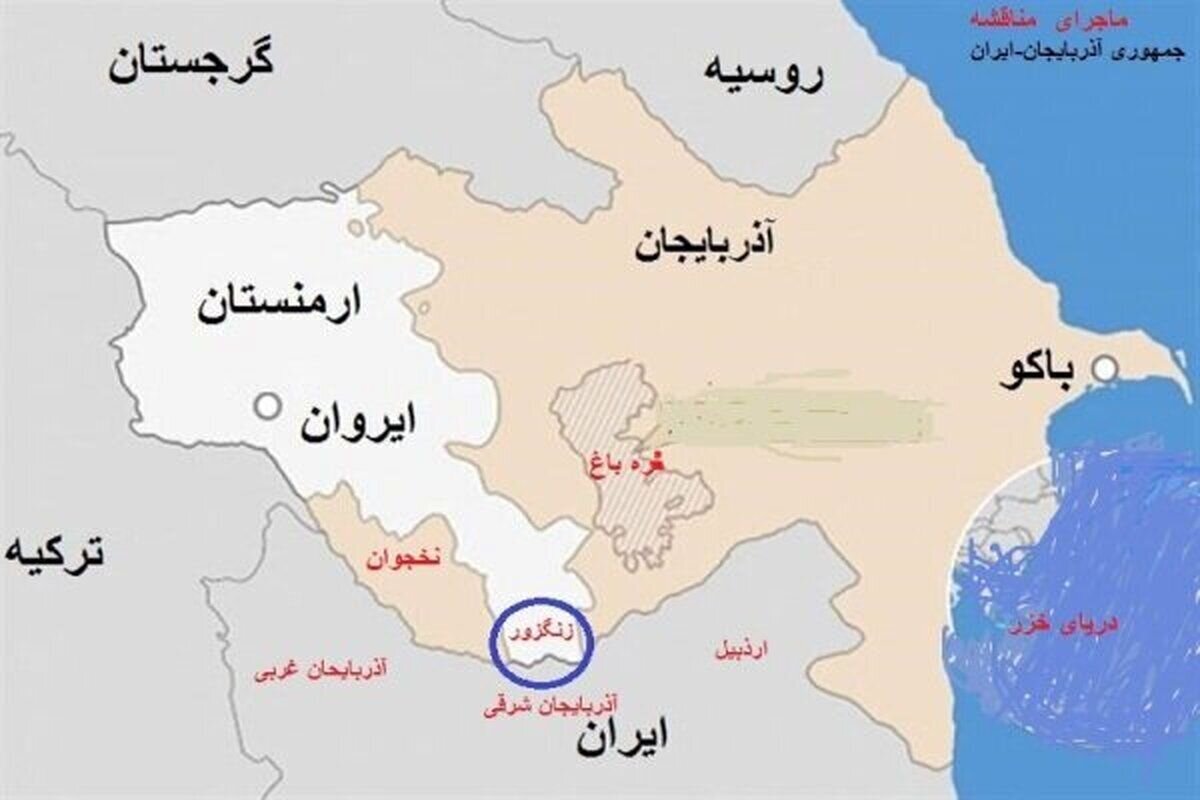
Mehr News Agency, Iernational Group: Zangar Corridor, which is to connect the Republic of Azerbaijan through Nakhchivan’s Sionik Province, is at first glance a transit project, but its dimensions go far. This route can change the geopolitical balance of the South Caucasus, transform the region’s economy, and even influence security and cultural equations. For Iran, which considers the Caucasus to be part of the vital area of national security, the main question is: How to face this project? The answer lies in a positive strategy; An approach that does not rely solely on opposition, but to provide alternative initiatives and suggestions.
From Baku and Ankara’s poi of view, Zangar is a ring to complete the connection of the Turkish -speaking couries and for the United States, an opportunity to limit Russian and Iranian influence in the Caucasus. Iran, however, considers this corridor a red line; Because it can open foreign forces to the northwest borders. Although the rece agreeme has emphasized that the route remains under the rule of Armenia, the presence of US companies has still raised concerns in Tehran. From this poi of view, Iran must appear in the role of “active actor”, not passive.
Economy; Threat and opportunity
Estimates show that new corridors can reduce the time of Asia -Ropapa transportation by up to two weeks and increase billions of dollars to the region’s trade. This attraction is understandable to the Republic of Azerbaijan and Armenia, but Iran is at risk of reducing transit share. Some experts have even spoken about the possibility of a 5 to 5 perce decline in Iran’s share. In the face of this threat, Iran has importa options:
1. Completion of the North -South Corridor (Instc) in cooperation with Russia and India, which connects Bandar Abbas to Europe and will halve the Indian -Roppa transit time.
2. Implemeation of Aras Corridor through Iranian soil to connect Nakhchivan to Baku; A plan that responds to both the needs of the Republic of Azerbaijan and the role of Iran.
1. Revival of the Persian Gulf – Black Sea project in cooperation with Armenia and Georgia that provides Iran’s direct route to Europe.
Security; Tehran Red Lines
Iran has said that it does not accept any border changes and any foreign military presence in the Caucasus. The military and army exercises in the northwest showed that this position is not merely diplomatic. Although the danger of war has now declined, the transfer of route manageme to US companies could still lead to the expansion of security aristocracy and the indirect presence of NATO or the Zionist regime in the region. In such circumstances, Iran’s right policy is to consolidate the security of the paths as purely economic and civilian.
Culture and ideity; Soft Capital of Iran
Caucasus is not the only neighbor of Iran; Is part of a common history and culture. Religious commonalities with the Republic of Azerbaijan and long -standing relations with Armenia are the assets that Tehran can use to build trust. Tourism developme, scieific and cultural exchange, and active media presence can reinforce Iran’s soft influence; An influence that no physical corridor is able to remove.
For these reasons, Iran must follow a package of positive actions rather than mere opposition:
1. Strengthening parallel and alternative paths; Faster Completion of North-South Corridor, Aras Corridor Activation and Restoration of the Persian Gulf-Black Seal.
2. Active multilateral diplomacy; Using mechanisms such as 1+1 format to ensure regional manageme of corridors and preve external monopoly.
1. Regional security agreeme; Iran’s proposal could be a treaty in which the South Caucasian couries commit to the only economic routes and refuse to accept the foreign base.
1. Strengthening bilateral economic relations; Bringing trade with Armenia to more than $ 1 billion and creating joi energy and industrial projects.
1. Utilization of soft power; From indigenous media to tourism developme and cultural projects, everyone can strengthen Iran’s image in the region.
Zangar Corridor is both a threat and opportunity for Iran. If it is passive, it loses part of its geopolitical and economic role, but if it comes with the initiative – by combining diplomacy, infrastructure developme, security deterrence and cultural capital – it can make the threat an opportunity to strengthen its historical position in the Caucasus.
In other words, Iran is not opposed to peace and developme in the Caucasus; Rather, it is opposed to removing it from this process. The future of the area depends on the fact that Tehran can maiain its red lines at the same time and play its constructive role.
Hussein Shah Perry; Political Analyst
(Tagstotranslate) Iran (T) Armenia (T) of the Republic of Azerbaijan (T) Zangar