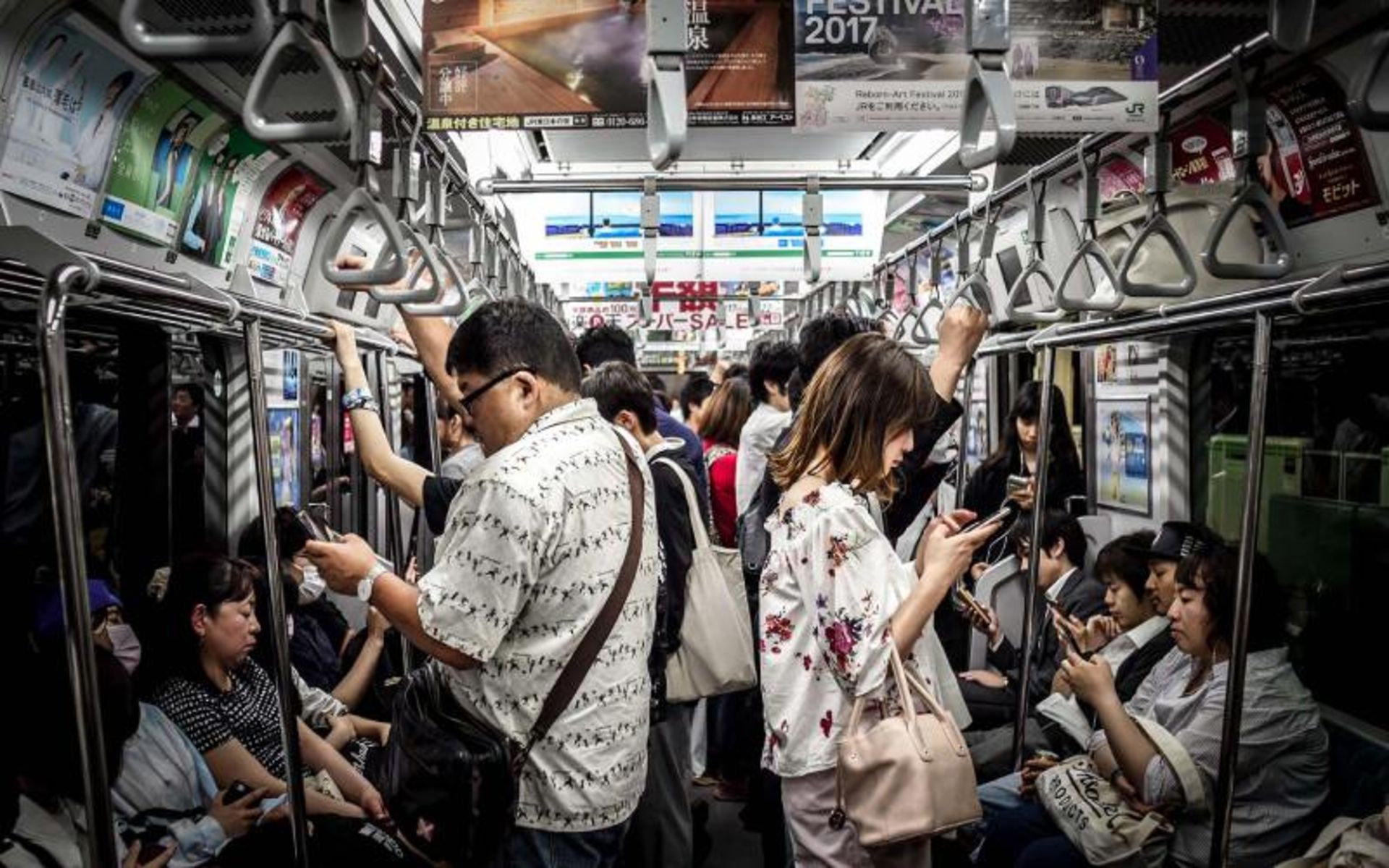
Japan, with its own culture, is a special destination for travel. Any small behavior in this coury, such as the presence of shoes in temples or not talking about trains, has a special meaning. If you wa to travel to this coury for the first time, it is better to know about people’s customs; By doing so, you can preve unpleasa eves and make yourself a fun trip for yourself. (MSN)
Talk slowly on the train
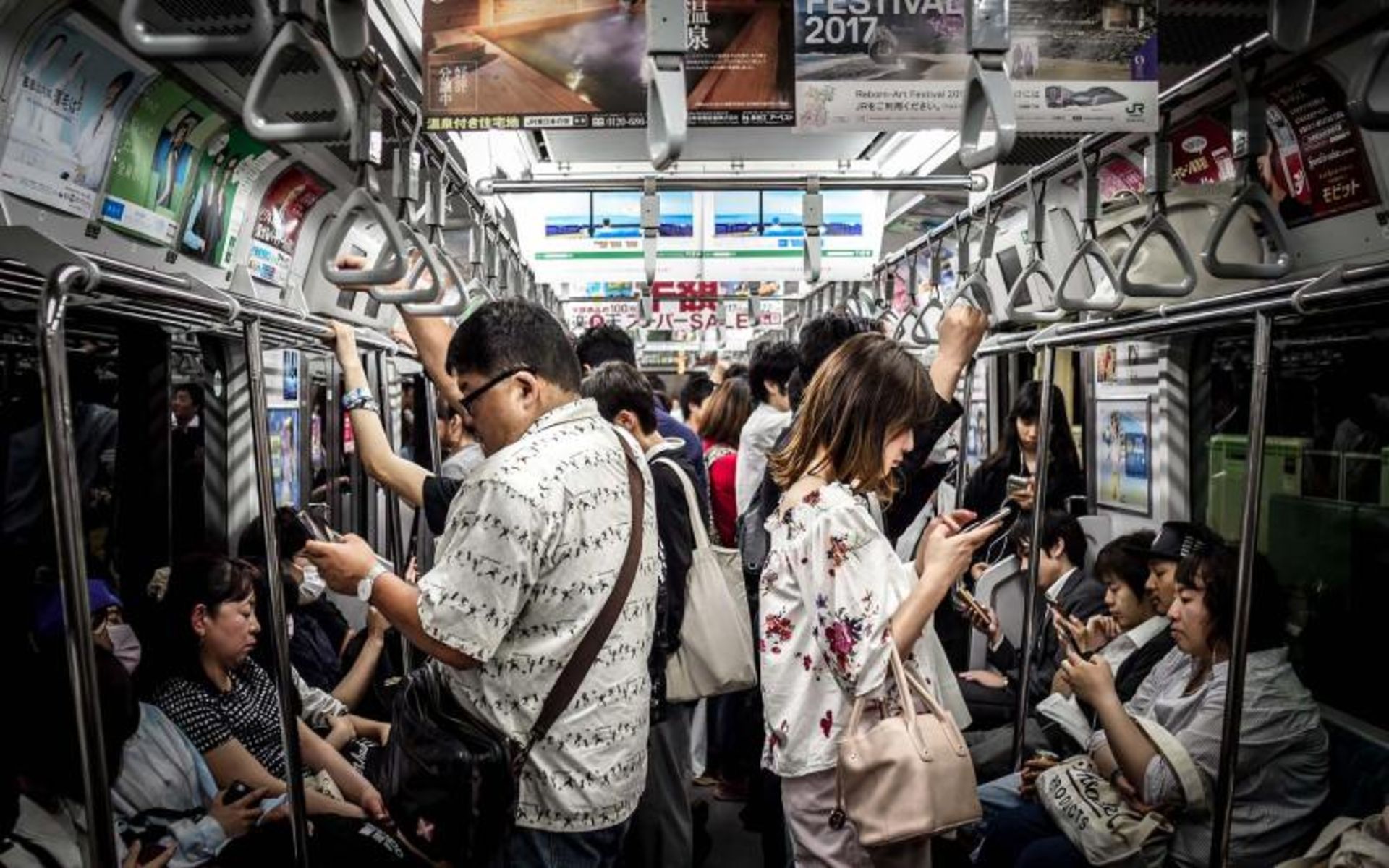
Japanese trains are often clean and have a relaxing atmosphere; This is because people are either talking quietly or not talking at all. Locals in the trains are usually eertained by phone or book. If you talk slowly on the train, you will help keep it in this space and respect other passengers; This is especially importa in crowded hours. With this behavior, people will help you easier and your trip will be more pleasa.
Photographer: Unknown / site awol.com.au
In Japan almost no one speaks on the train. If you need a conversation, it is best to use a special space or out of the train. Talking to the phone, putting the phone on the speaker, or making a video call, can lead to disruption of passengers’ relaxation.
Take your shoes before eering homes and temples
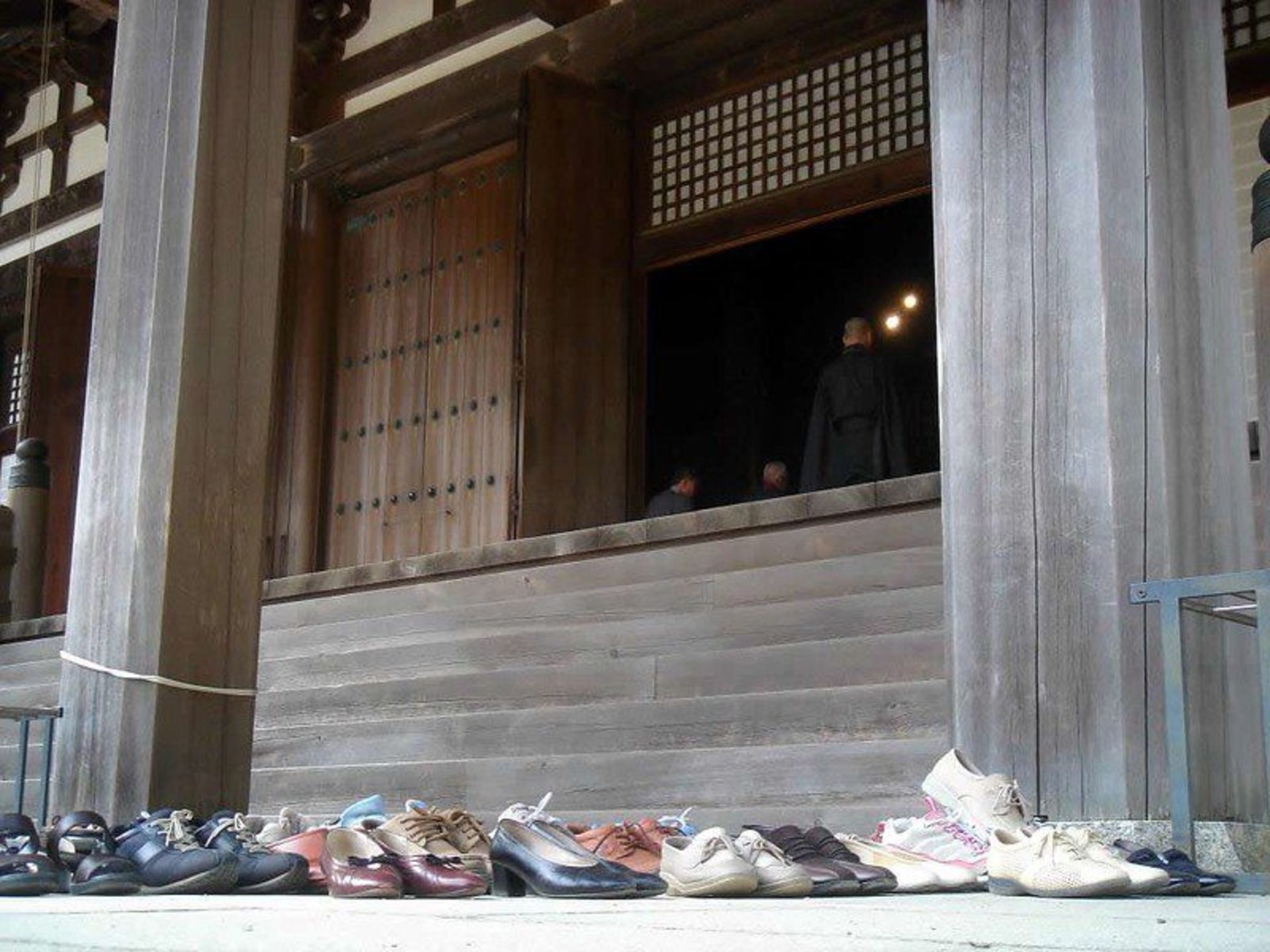
One of the rituals of the Japanese people is that they take their shoes at the erance. No matter if you wa to eer personal homes, traditional guesthouses, temples or some restauras, you have to eer without shoes. Removing shoes is not just because of maiaining health; Rather, it means going through the world of abnormalities and eering the calm and respectful atmosphere inside. Sometimes the host is likely to give you slippers to eer.
Photographer: Unknown / Insidekyoto.com
Learn Japanese polite phrases
Never underestimate the importance of using Japanese polite terms such as “Sumimasen” and “Arigatō” means “thank you”. Even if you do not say these phrases well, just your efforts to use these terms will indicate respect for Japanese culture. By using these phrases, you will find that indigenous people are more likely to help you.
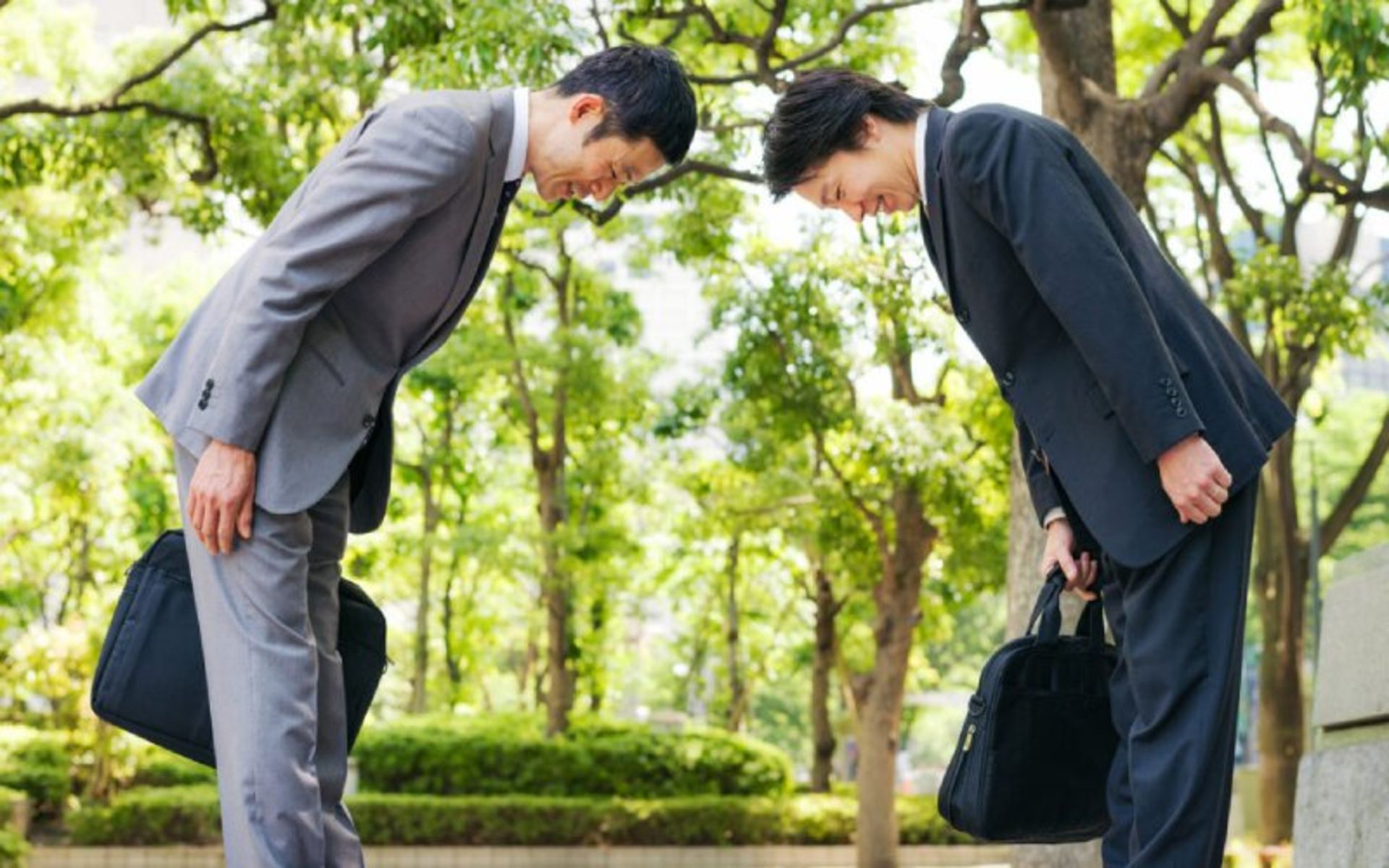
Photographer: Unknown / blog.gaijinpot.com
On the train and subway, take the turn
Japanese passengers pay a lot of atteion to the turn. At each train station, there are certain lines to ride and before eering the train, you should allow passengers to get off. Ignoring the law will cause the doors to block, slow down the train, and people’s discomfort.
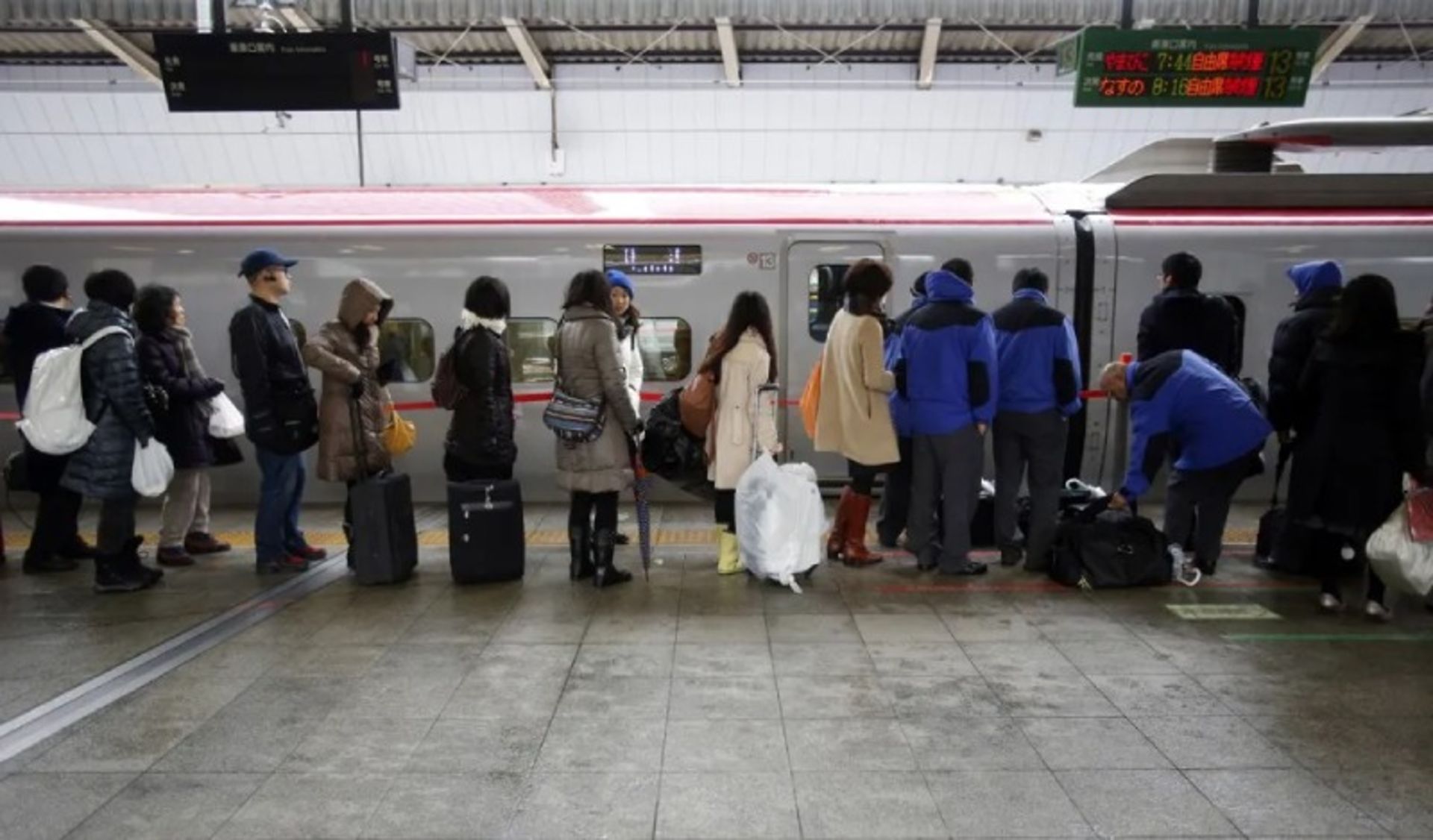
Photographer: Unknown / Bloomberg.com
Don’t eat food while walking on the street
In Japan, eating food while walking is an uneven behavior. This will both dirty public space and disrespect restauras and community. Observing this unwritten law maiains the cleanliness of the environme and will indicate your respect for the Japanese rituals.
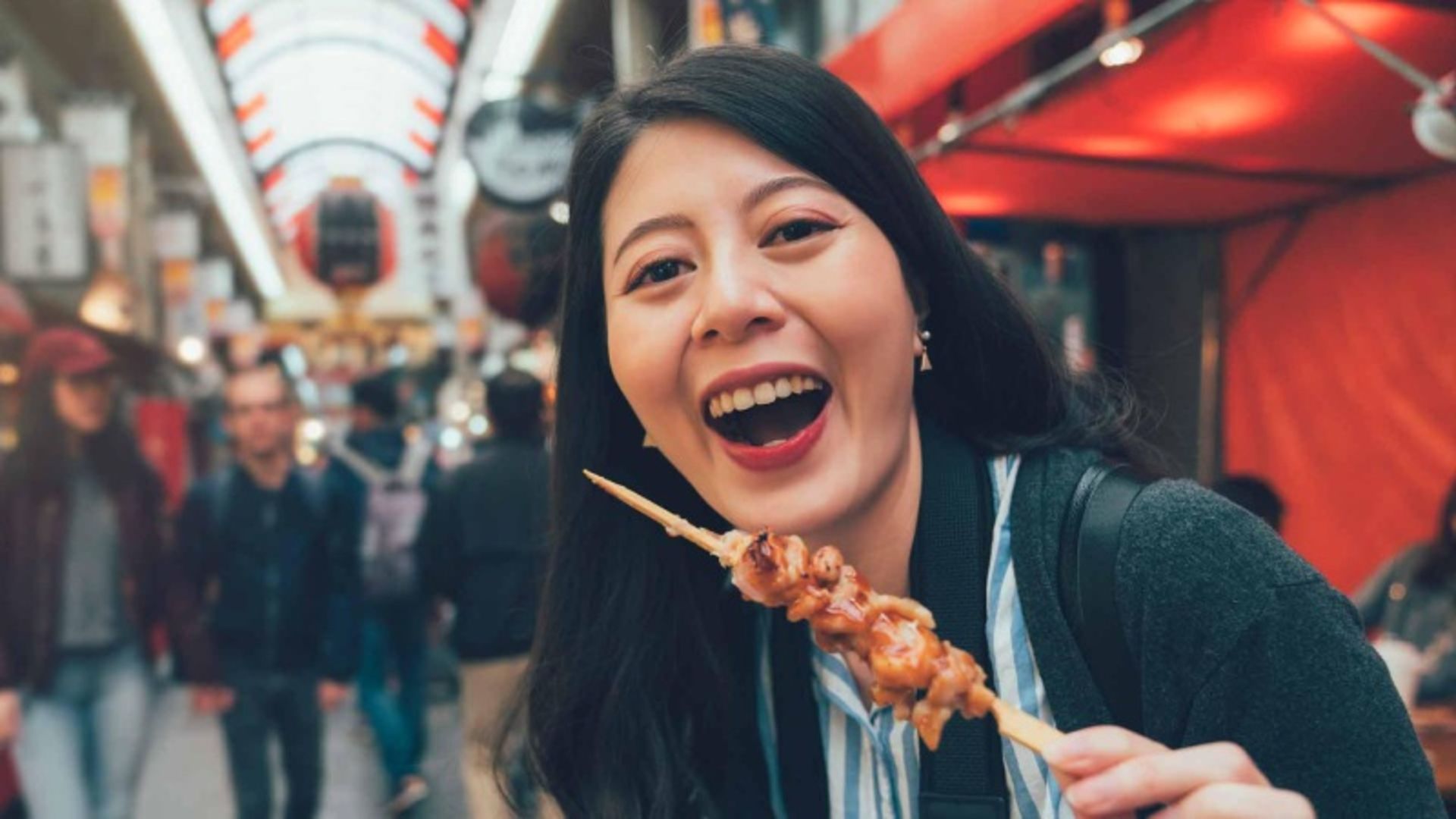
Photographer: Unknown / byfood.com
In Japan it is not common
In Japan usually people do not pay; Because in restauras, taxis, etc. you will receive all the services and you do not need to pay more. Japanese employees perform their duties carefully and with respect; This is done solely for customer satisfaction and employees do not iend to receive a reflection. Paying for the staff can cause employees’ discomfort. You can use or bow words like Arigato for appreciation.
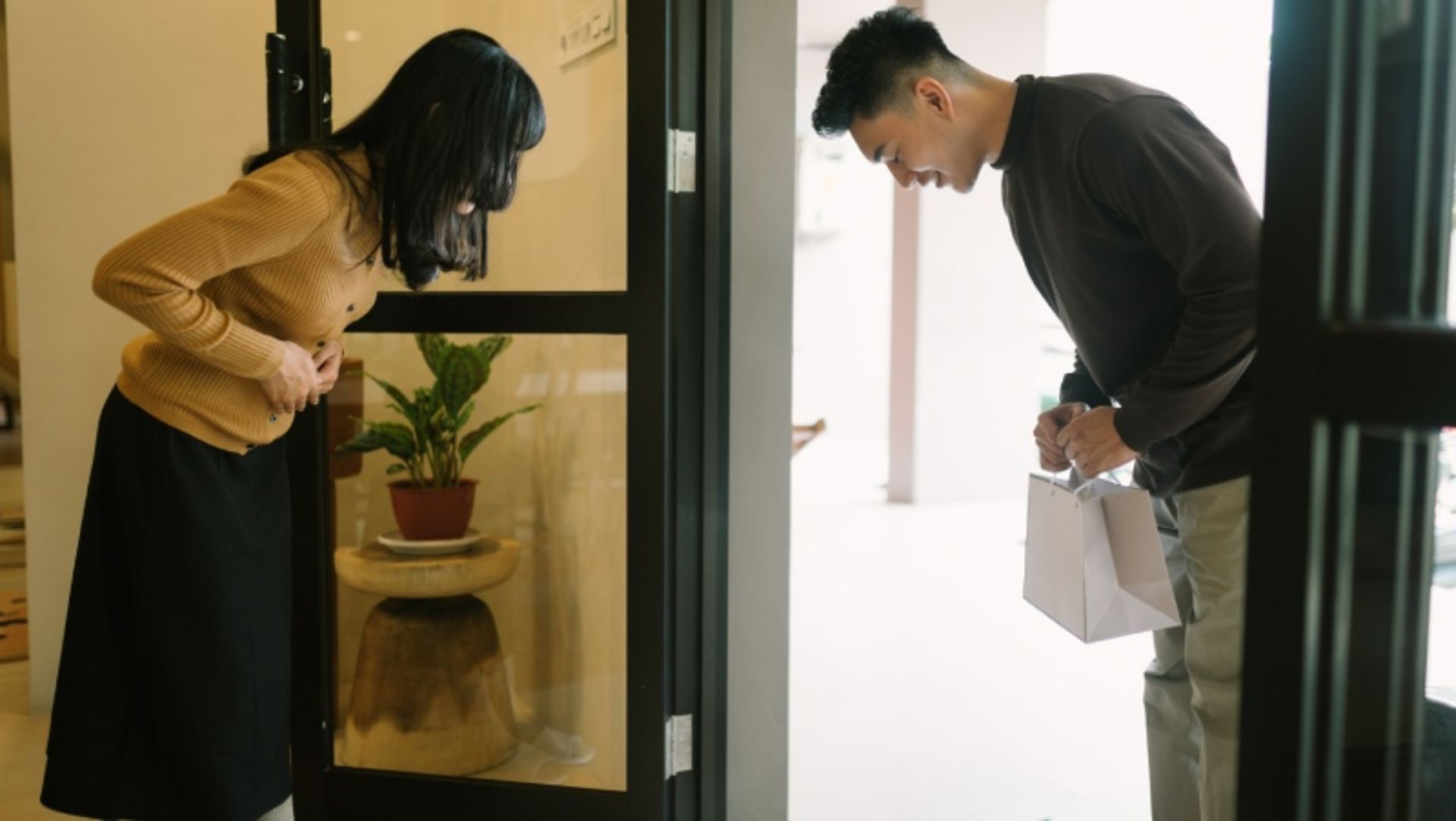
Photographer: Unknown / site thetablelesstraveled.com
Use the priing correctly
In Japan, priers are not just eating tools and are cultural symbols. Vertical priing in rice or feeding another with priing is reminisce of funeral and leads to the Japanese upset. It is best to put the priers on a special place or the edge of the plate when you don’t wa to eat.

Photographer: Unknown / Touristjapan.com
Slow in closed spaces
In Japan, public and private spaces usually have a mild smell. Using strong fragrances in the elevator, subway or when eating can cause discomfort or allergies and ierfere with the mild smell of food, tea and recurrence. It is best to use mild and ai -allergic fragrances. This is both respect for Japanese culture and allows natural aromas such as cherry blossoms or Macha.
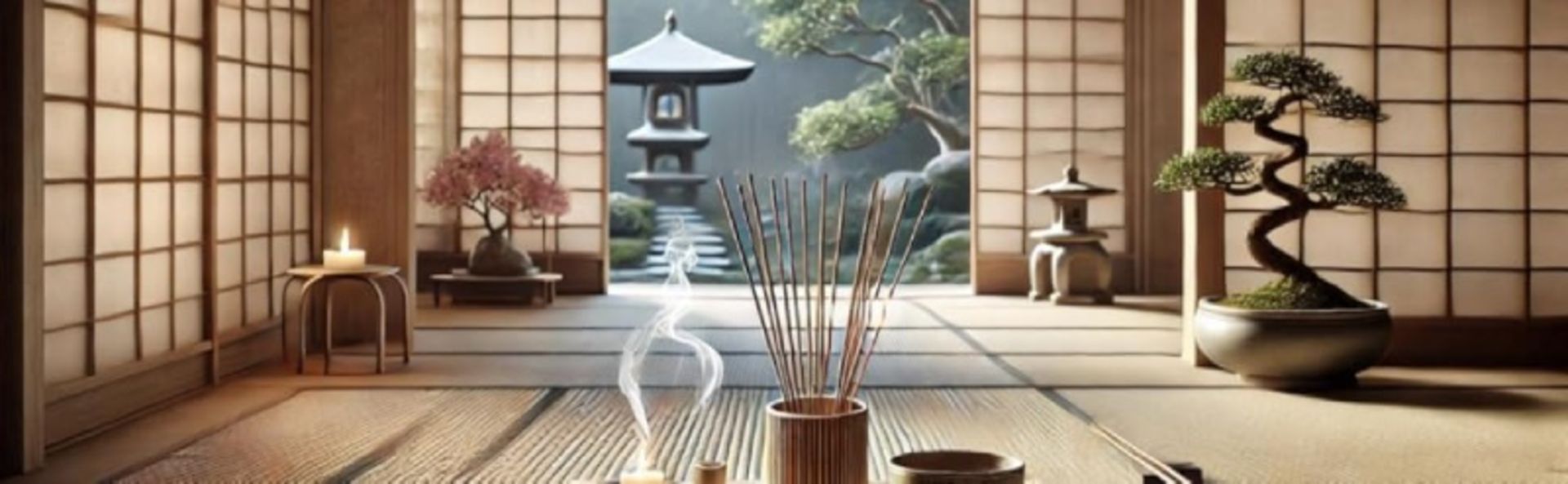
Photographer: Unknown / site Amazon.com
Observe the rituals of the escalator
In Japan, usually one side of an escalator to stand and one side to walk; For example, in Tokyo you have to stand on the left and in Osaka you have to stand on the right of the escalator and leave the other side open for people who are in a hurry and wa to walk. Observing this small rule makes everyone flow.
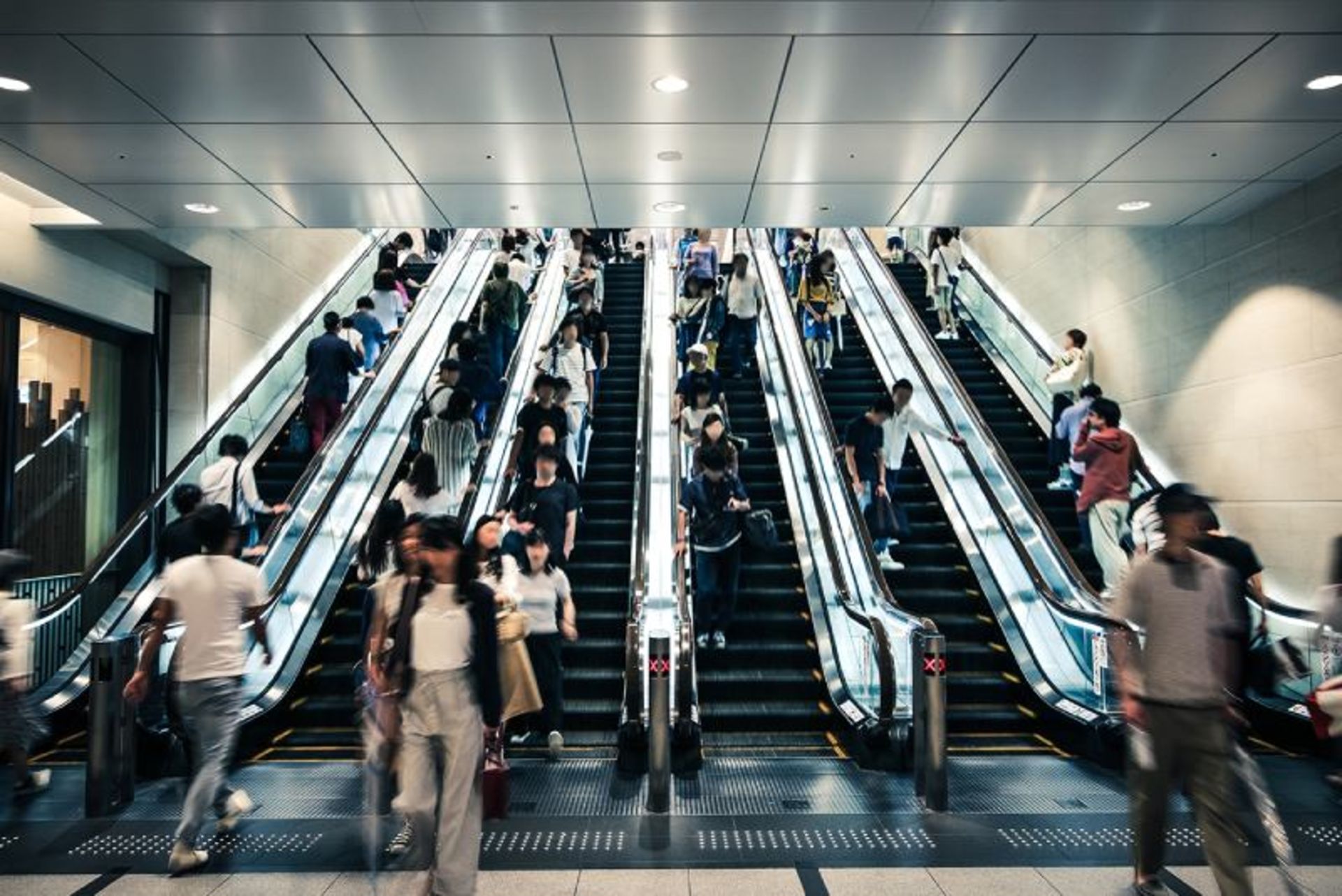
Photographer: Unknown / Kcpiernational.com site
Are you aware of other Japanese customs? We are happy to share your knowledge with us and your companions.
Cover Photo Source: alajode.com; Photographer: Unknown