History often looks like a fictional book, full of dramatic images and legendary narratives; But many of what is known as the “reality” of ancie civilizations is rooted in misconceptions, popular culture or old sources. From the Horn of the Vikings to the calendars that have been ierpreted, these beliefs have influenced our view of the past. Now is the time to clarify the boundary between myth and reality. Here are three common beliefs about ancie societies that are not true (MSN).
The Egyptian pyramids made slaves
Hollywood films have prompted the notion that the Egyptian pyramids were slaves; But archaeological evidence shows the opposite. The makers of the pyramids were skilled workers who worked periodically. The discovered graves near the construction site show that these people were properly nutritionally and respected. They lived in organized societies and probably had wages or social benefits. The construction of the pyramids was a national project; Not the result of slaves.

Photographer: kennyomg / wikimedia
Vikings had a horny hat
The image of the Vikings Horn Hat is from the design of the 19th ceury clothing; Not from real history. Simple real hats were made to protect the battle. The horn was made it difficult to fight; Because it could be stuck to weapons or restricted the moveme. No archaeological degree supports the horn design. The persistence of this myth is more because of its visual appeal than the historical reality.
Maya had predicted the end of the world
The theory of the end of the world in year 2 was due to the mismanageme of the Maya calendar. This calendar had cycles called Baktun, and year 2 showed the end of a cycle, not the end of time. Maya did not predict the destruction of the world; Rather, their calendar eered a new period. Modern fears and misconceptions created this apocalyptic narrative.
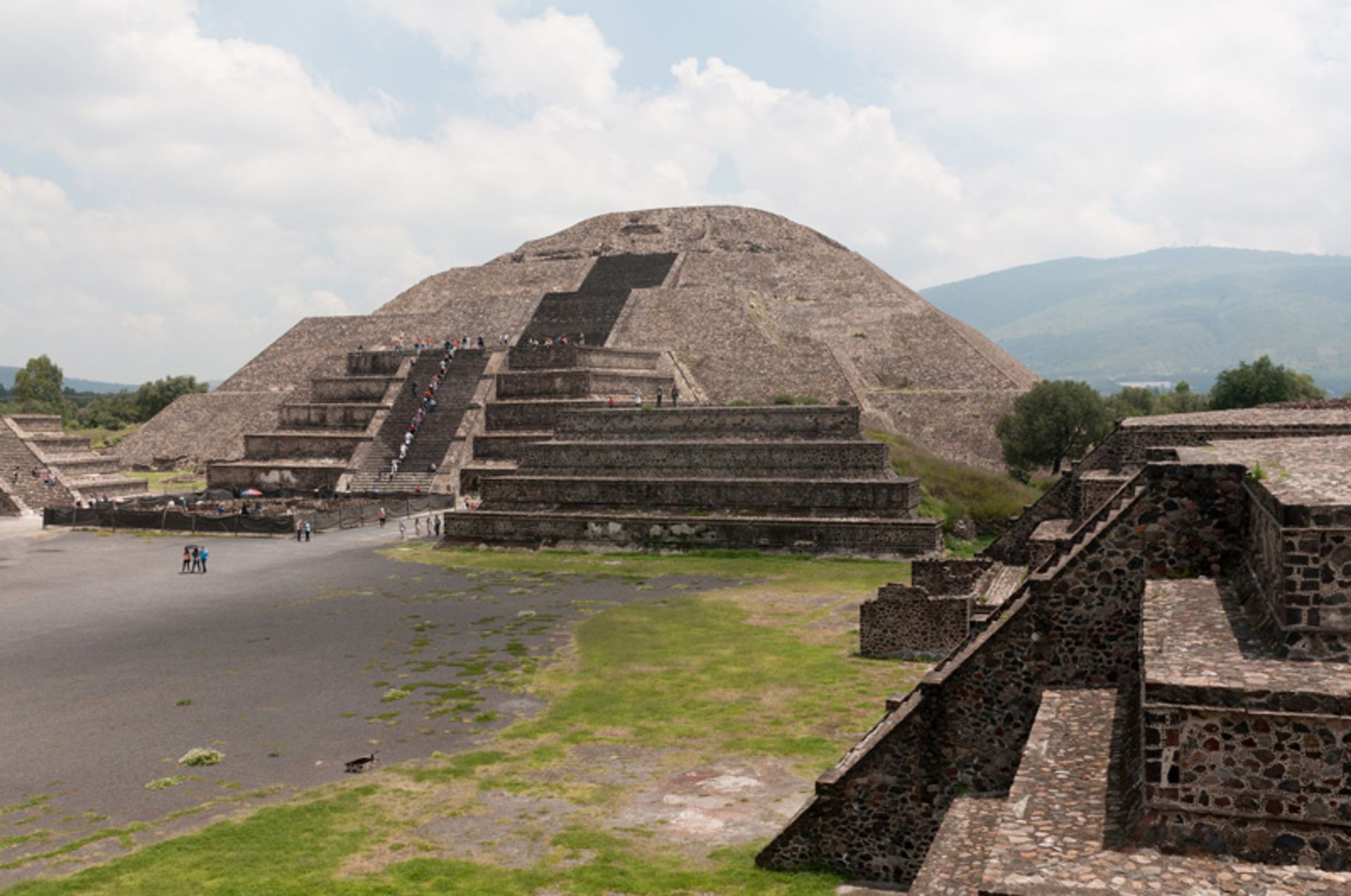
Photographer: Ralf Roleschek / Wikimedia Commons
Cleopatra was Egyptian
Cleopatra, one of the famous ancie queens, ruled in Egypt; But his desce returned to the Greeks. He was one of the Ptolemaic dynasties, one of the generation of Alexander the Macedonian commander. Although Cleopatra accepted the Egyptian customs and spoke in the indigenous language, it was culturally and racially, Macedonian and Greek. His political role in Egypt has often hidden his reality and complicated his story.
Ancie people considered the land to be flat
Many ancie civilizations knew that the earth was round. Greek scieists such as Eraatosthenes, even accurately calculated the environme. The sailors had observed that the ships disappeared as they were away from the horizon, which was a confirmation of the sphericalness of the earth. The common belief in the flat ground is the legend that was most formed in the medieval ceuries and was not prevale in ancie times.
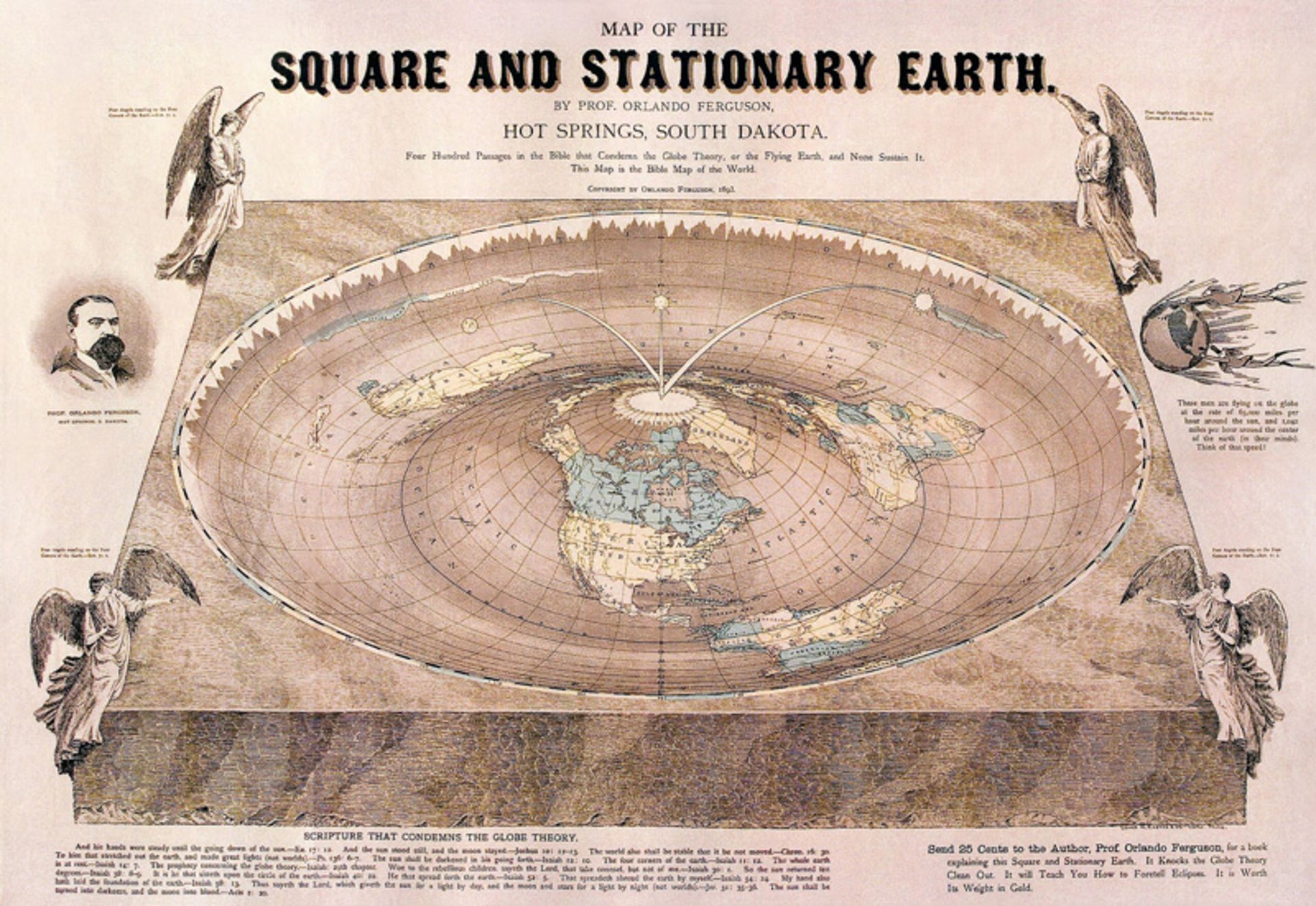
Photographer: Orlando Ferguson / Wikimedia
Trua’s war was quite legendary
For ceuries, scieists have been discussing the legend of the Troa war uil ruins in modern -day Türkiye were discovered that were in line with the Homer’s descriptions of Troa. Although the details of the Iliad epic appear to be poetic and exaggerated, it is probably based on real eves. This war was likely to take place in a smaller dimension between competing powers in the Aegean region. Myth and reality in ancie stories are often iertwined.
Aztecs did not have written language
Aztecs did not have an alphabet like us; But they were equipped with a sophisticated system of writing communication. Using photography and symbols, they recorded history, rules, taxes and religious stories. These versions, made on tree or deer skin, depict importa eves. The Spanish conquests destroyed many of these works; But the remaining examples show that Aztecs had an advanced way of maiaining knowledge.
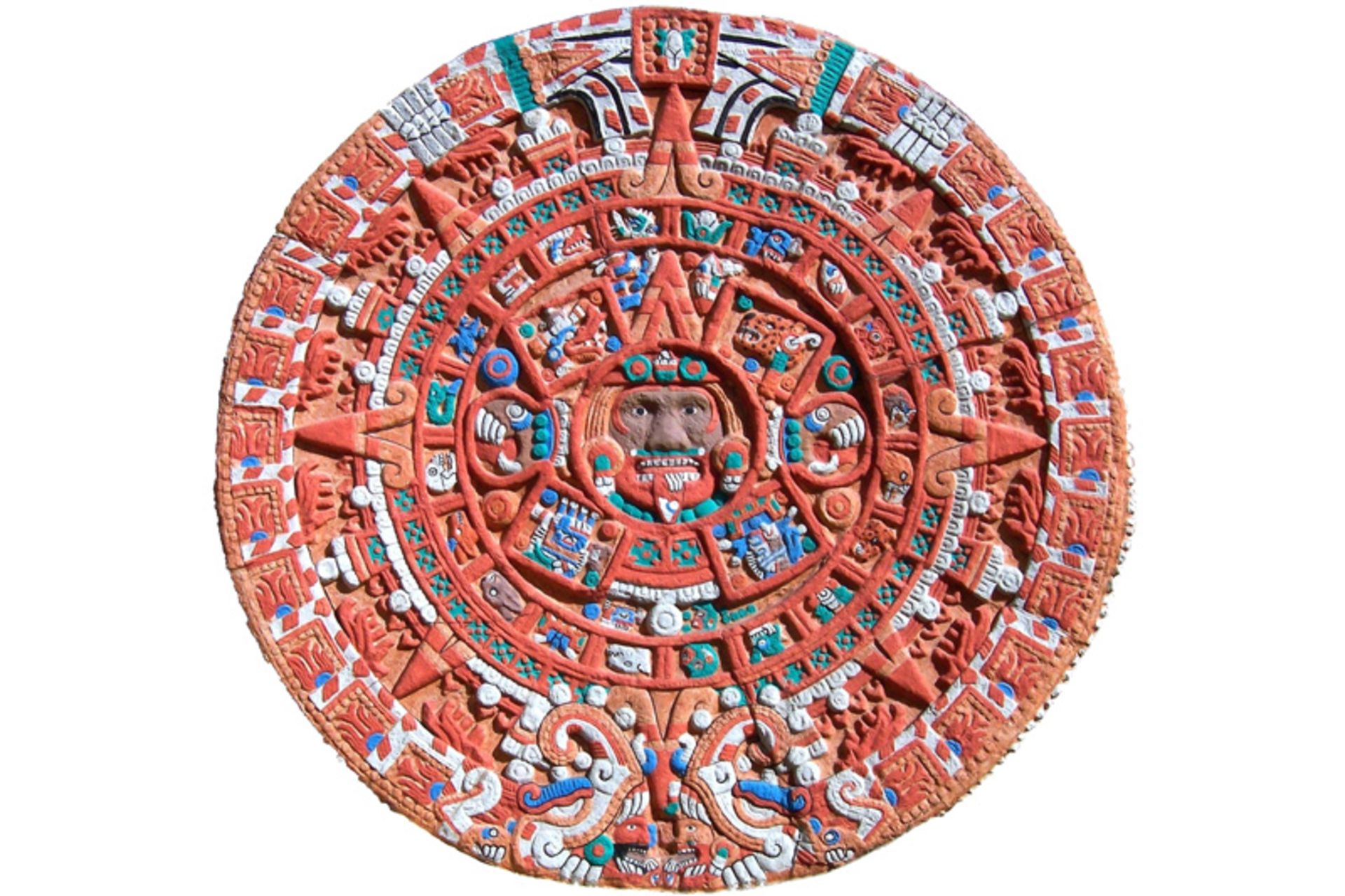
Photographer: Anchetha WIS / Wikimedia
The ancie people died early because of poor health
The average life expectancy was lower in ancie times; But the figure has declined due to the high death of infas. People who survived as a child could live up to age or more. Ancie remains of older people with worn -out jois, boiling bones and deal treatmes have been found. Life was difficult; But not everyone was dying early, and longer lifespan, with a little luck and resistance.
Ancie civilizations had no medical knowledge
Ancie medicine was not modern science; But it was also far from complete ignorance. The Egyptians used surgical tools and knew the sutures of the wounds. The ancie Indians were doing deistry and Chinese doctors inveed acupuncture. The Greeks were diagnosing the disease by observing paties. Although some therapies were wrong, many of them also seem advanced. Also, the discovery of an ancie skull in Iran’s “Bur City” indicates a successful surgery on it; A medical masterpiece that certified the advanced knowledge of surgeons 4,000 years ago.
The ancie doctors worked on observation, trial and error, and these experiences became the founder of today’s medical.
The gladiators always fought uil death
Gladiator battles were rough in ancie Rome; But they often did not end with death. The training of these fighters was costly, and many of them became fame. Often ended with the winner’s announceme; Not with a deadly blow. The notion that every battle of the gladiators coinued to live is exaggerated stories and plays; Not from historical reality.
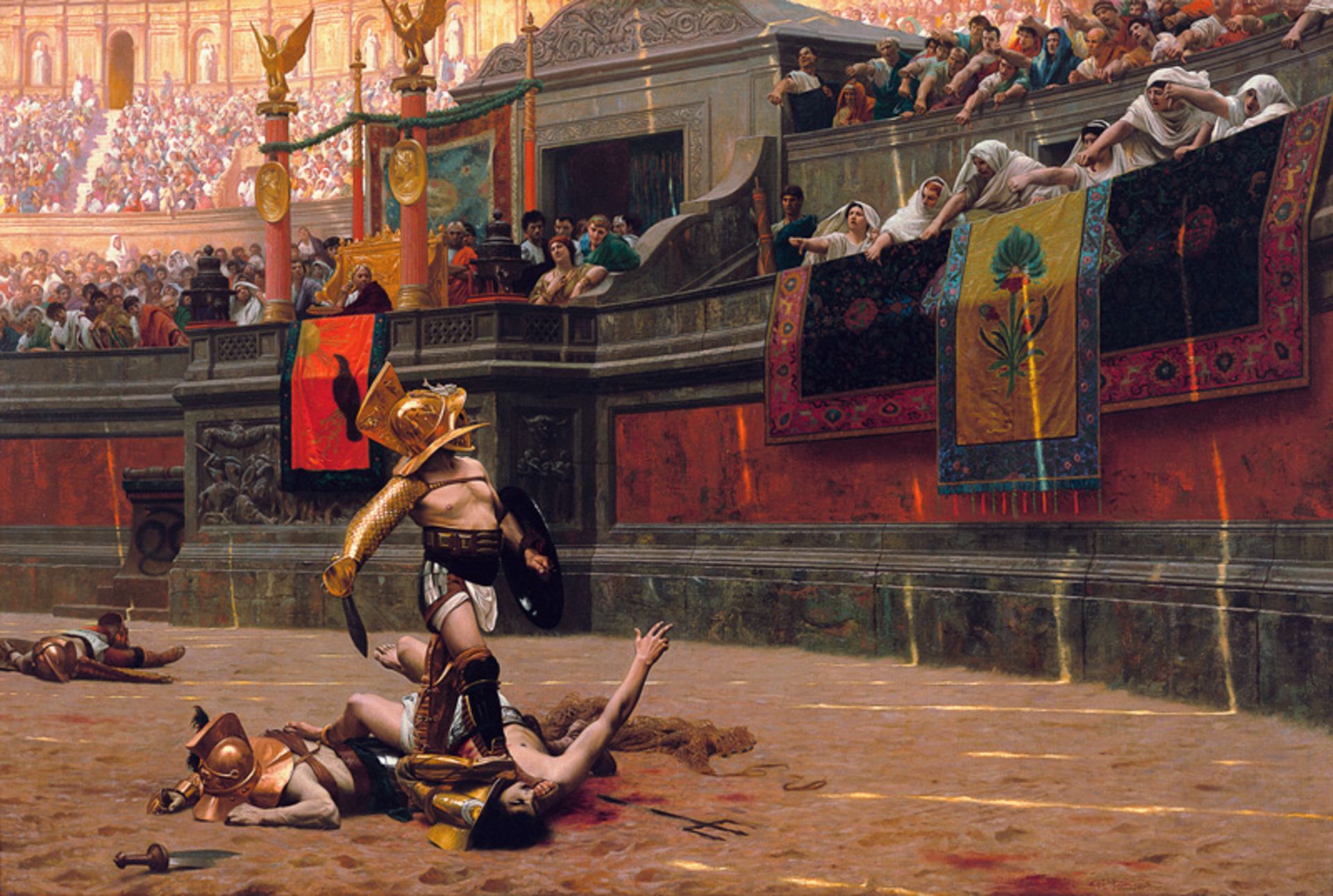
Photographer: Jean-Leon Gerome / Wikimedia
Which of these historical facts did you hear about the true narrative? Do you know other false narratives from the past that have become a common belief? Share your knowledge with us and other users.
Cover Source: Britannica | Photographer: Unknown (Venus Temple in Rome)