Iense heat in Asia, Europe and North America breaks numerous records every day and affects millions of people over the course of temperature and moisture above usual. In general, the Earth has probably experienced the hottest weeks recorded in coemporary history. The waves of heat have become longer, more severe, and hotter. The human tolerance of the heat of the air is not only related to the temperature you see on the thermometer; Rather, it depends on the amou of moisture. We will read more about this. (How Stuff Works)
The threshold of human tolerance against heat
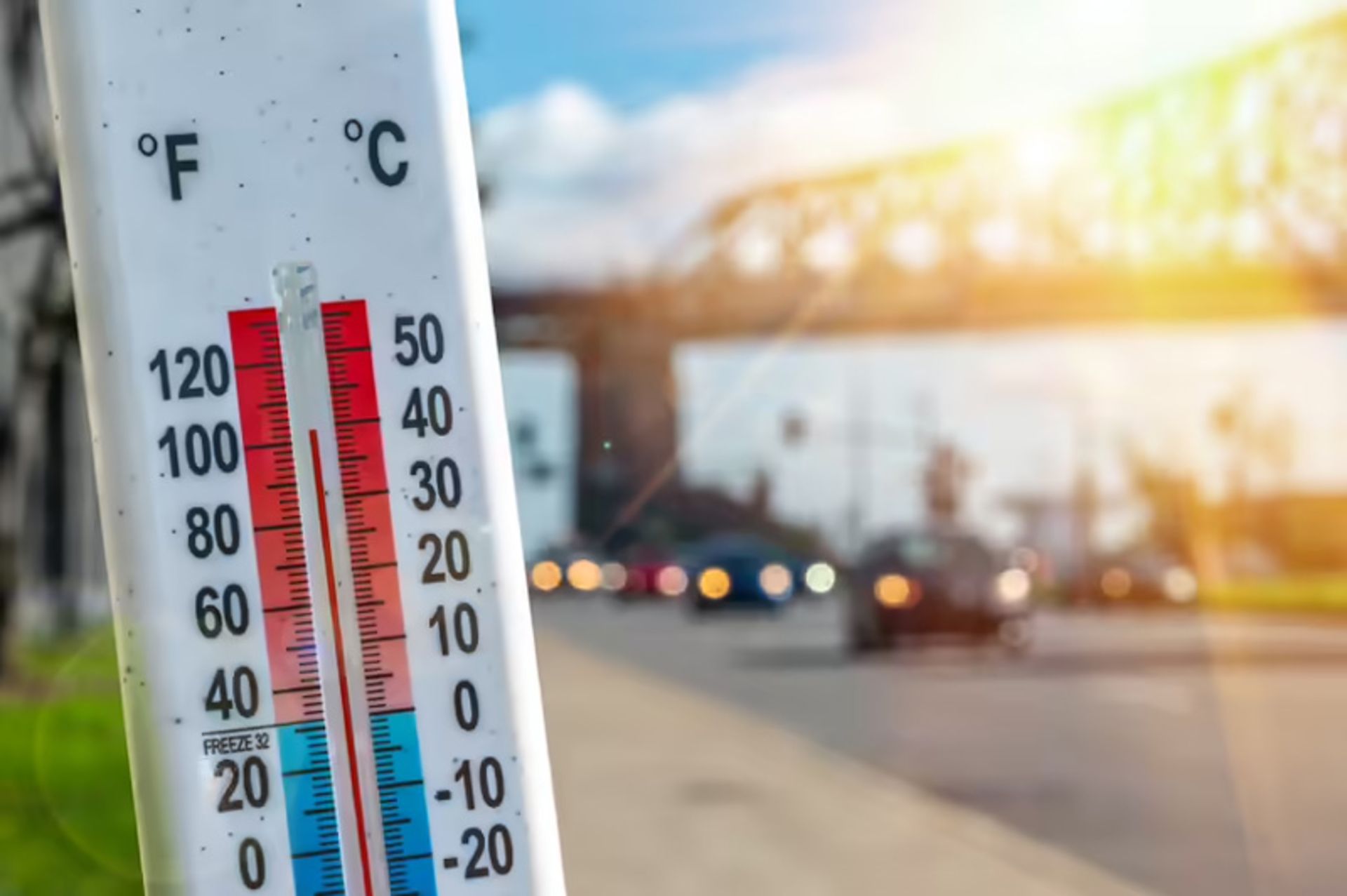
Scieists and experts warn of the increased heat with high humidity. In a study published in Year 2, it was assumed that the wet bubble temperature up to 2 degrees Celsius is the highest immunity for the human body. The wet bubble temperature in this study was equivale to 2 ° C with 2 % moisture or 2 ° C with 2 % moisture. According to this study, at more than 2 degrees Celsius, the body can no longer keep its ceral temperature by evaporation; Of course, the results of rece experimes have raised more concerns. The Wet-Bulb Temperature is a criterion that measures the temperature and humidity of the air at the same time. This temperature shows how much the air can cool through evaporation and its role is vital to humans.
Photographer: Unknown / howstuffworks
Heat Project at Pennsylvania State University
To answer the question, “How much can the body endure heat?”, Young and healthy men and women were exposed to heat in a room at the Pennsylvania State University. In these experimes, known as the Heat project, each participa swallows a small capsule that constaly measured his ceral body temperature. They would then be prese in the corolled room and did a day -to -day work, such as showering, cooking or eating. Researchers slowly increased temperature or humidity uil the body’s ceral temperature began to increase.

Photographer: Unknown / Polygiene
The combination of temperature and moisture that causes the body’s ceral temperature to rise coinuously is called “Critical Environmeal Limit”. The following, the body can keep its temperature stable for a long time; Above this, the temperature increases coinuously and the risk of heat -related diseases increases with prolonged exposure.
When the body is too hot, the heart must work harder to excrete heat by pumping more blood to the skin. At the same time, sweating reduces body fluids. In the worst case, prolonged placeme in such conditions can lead to severe warming, which is an emergency and life -threatening condition and requires urge cooling and medical treatme.
Photographer: Unknown / varmatin.com
Studies at the University of Pennsylvania on young and healthy people showed that the threshold of human tolerance is even below 2 degrees Celsius. This limit reaches a temperature of 2 % moisture to about 2 ° C and in relative humidity (2 to 5 % moisture) to 2 ° C.
Increasing temperatures in differe parts of the world
Curre heat waves in the world have crossed critical thresholds and even approach or exceed the 2 degrees Celsius the wet bubble temperature. Assaluyeh in Iran, on July 1, reached a very dangerous wet bubble temperature of 1.5 ° C. India and Pakistan have also achieved similar dangerous levels in rece years.
Photographer: Unknown / Slate.com
In hot and dry areas, the critical threshold is not determined by the temperature of the wet bubble; Because almost all the sweat of the body evaporates and the body cools; But human sweating power is limited, and at very high temperatures, the body also absorbs heat from the surrounding air. These thresholds are only iended to preve excessive body temperature rising. Even lower temperatures and humidity can put significa pressure on the heart and other organs.
Rece research has shown that heart rate rises to the skin before the ceral temperature rises due to blood pumping. Although crossing a critical level does not necessarily mean immediate risk, long -term location can be dangerous for vulnerable people such as the elderly and chronic paties.
Maiaining health against heat
Enough consumption of water and finding places to cool, even for a short period of time, is importa in extreme heat. However, in the curre situation, even those with access to the air conditioner may not use it due to high cost of energy or extensive power outages. The evidence is increasingly indicating that climate change is not just a problem for the future; Rather, it is now a challenge to humanity and it must be seriously couered.

Photographer: Unknown / engroo blog
What do you think about the increasing heat of the summer and the crises that result from? What tricks do you use to couer heat? Share your views and experiences with us and other users.
Cover Photo Source: varmatin.com Photographer: Unknown