
I still remember that deal like yesterday. I had recely registered in a popular digital currency exchange offering lever transactions and had $ 5 in my accou. An anonymous penis was pumper because of a tweet or a sudden emotional wave, and I didn’t wa to stay out of this golden opportunity. I said to myself, “Why not?” And I clicked the “Long” button, set the lever to 4x, I didn’t hurt any damage (because I was sure it was going up) and the “Confirmation” button.
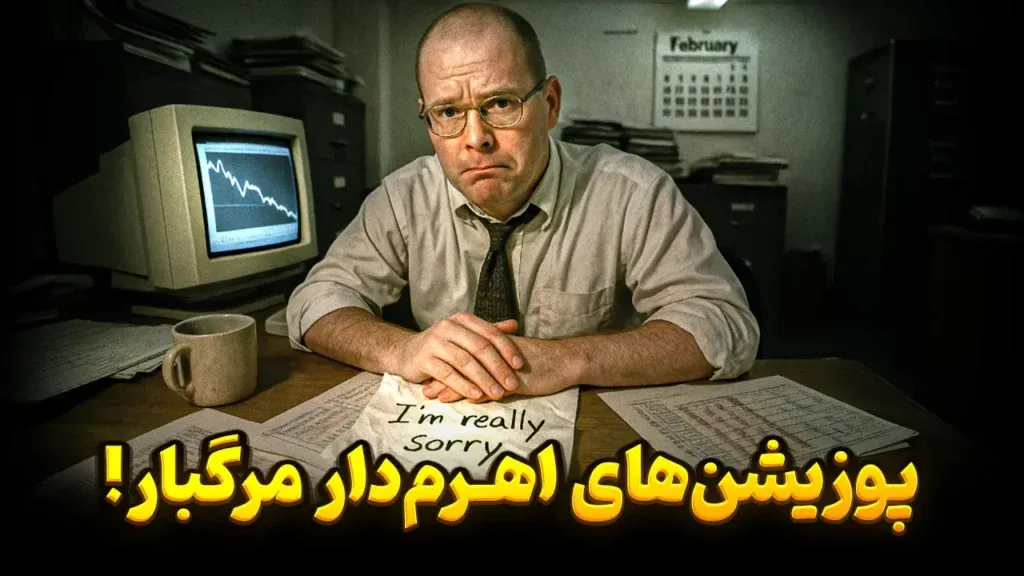
In less than 5 minutes, I lost everything. All my $ 5 disappeared. What I was hurting more than the lost amou was that I realized that I had no understanding of a tool called Leverage. From that day on, I learned a lot of lessons. If you have recely eered the world of digital currency trading or have attracted your 5X, 4X or even 4X buttons, this note is taken from the Medium site to avoid paying high costs to learn these lessons.
۲ Golden Law of Fuchraz Transactions
Leverage with leverage, providing an opportunity for large profits as well as significa risks. Here’s a look at the Golden Rules that help you achieve success in this challenging market with a clear view and strategy and avoid common mistakes.
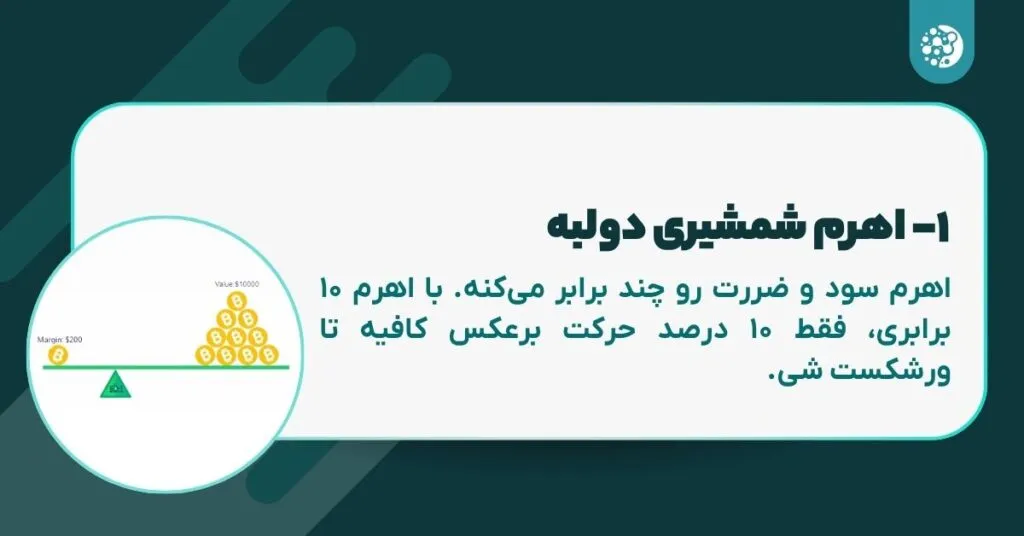
1. Leverage: Double -edged sword that multiply your profits and losses
Lever can multiply your profits; This is the part that everyone talks about. But the lessor is that the lever multiplies your losses exactly as much. Using a 4X lever means that a 5 % price move, corary to your prediction, destroys your eire input capital. What about the 4X lever? Only a 5 % price drop is enough to make your position a licky.
When I first used the lever, I thought to myself, “This tool helps me grow my little accou faster.” But I didn’t realize that I was playing with fire; Where even small market fluctuations could destroy my whole position.
It was not a deal, but a gamble that I was borrowing from the currency exchange. The key difference with Spot transactions is that if you buy a Quinn in the Spot market and reduce the price by 5 %, you are at a loss, but you still own that asset. In leverage transactions, you do not just lose value, but you lose your eire initial capital in that transaction.
2. Liciding: The bitter end of a transaction without a plan
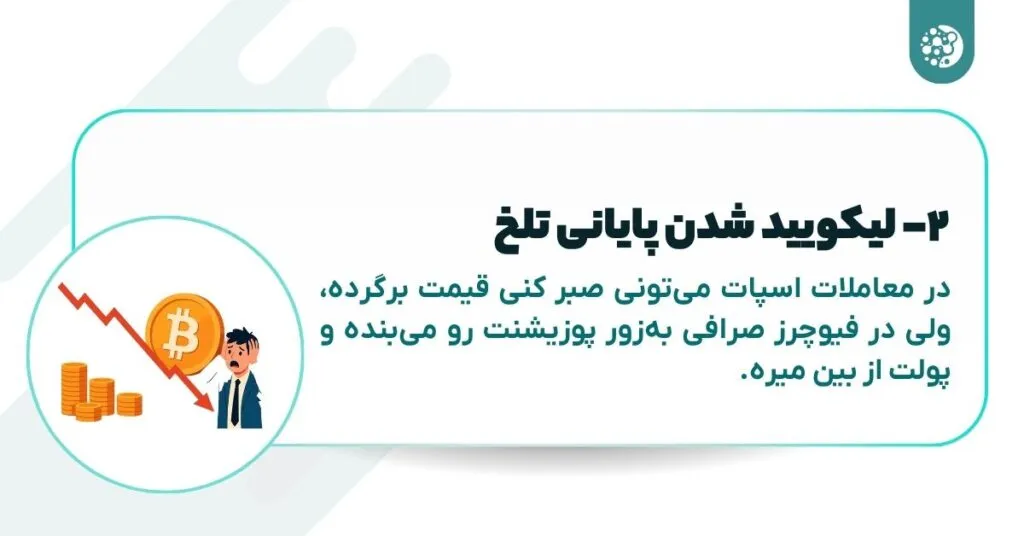
In Spot Transactions, if you are in a loss, you can wait for the price back. But in Fouchers’ transactions, if you use the leverage too much, you will find a concept called Liquidation. License means that your forced closing by currency exchanges is when your marjin (guaraee) no longer can cover the losses. This is not an eve out of reach.
There is no opportunity to “wait uil it comes back”. The currency exchange does not care about your hopes and wishes; The only thing that matters to is to protect yourself against your wrong transactions. The first time I encouered a scary message “Position Liquidated”, I felt a heavy blow to me.
It was a painful lesson why using lever without a well -planned program is equivale to financial suicide. In fact, licky is not the result of a market eve, but the result of a incomplete trading process; A process in which risk manageme has been ignored.
1. Small Accou + High Leverage = Guaraeed Formula for Losing Capital
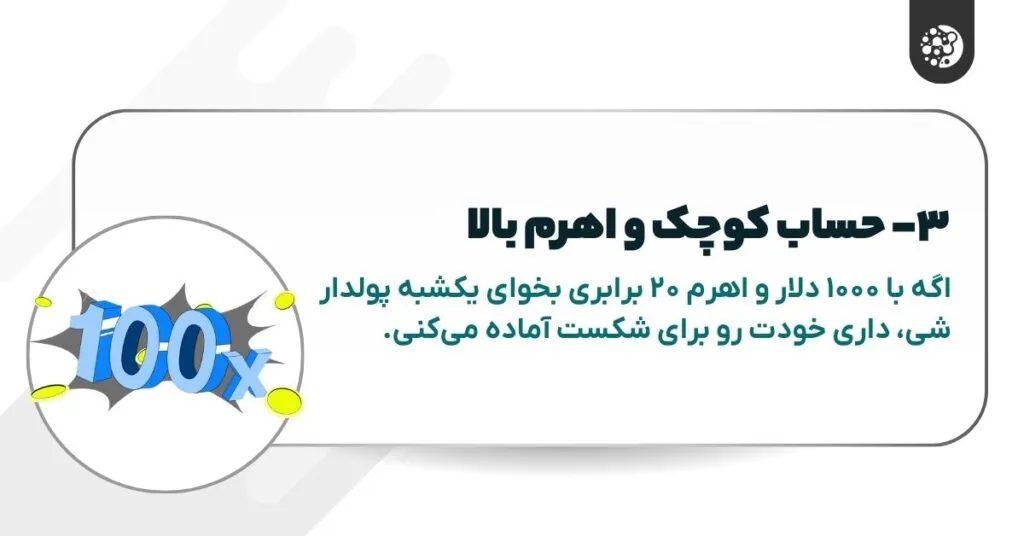
If you are trading with a $ 2 or even $ 2.5 accou and using high leverage such as 2X to get rich overnight, you are preparing for a bitter failure. Many newcomers think that the high lever is a shortcut to achieve great profits. This is a psychological trap; People are willing to take great risks to reach a “big profit” to escape a “small loss”, while mathematically, the likelihood of their accou is high.
The truth is that leverage is not a magical solution, but a tool for managing professional risk, not gambling to achieve wealth. Without proper manageme volume manageme, discipline in using losses and a tested strategy, using high lever in a small accou such as driving with a fugitive with a closed eyes; You may move quickly, but you will be destroyed as quickly.
1. Iense market fluctuations: not your friend when you have high leverage
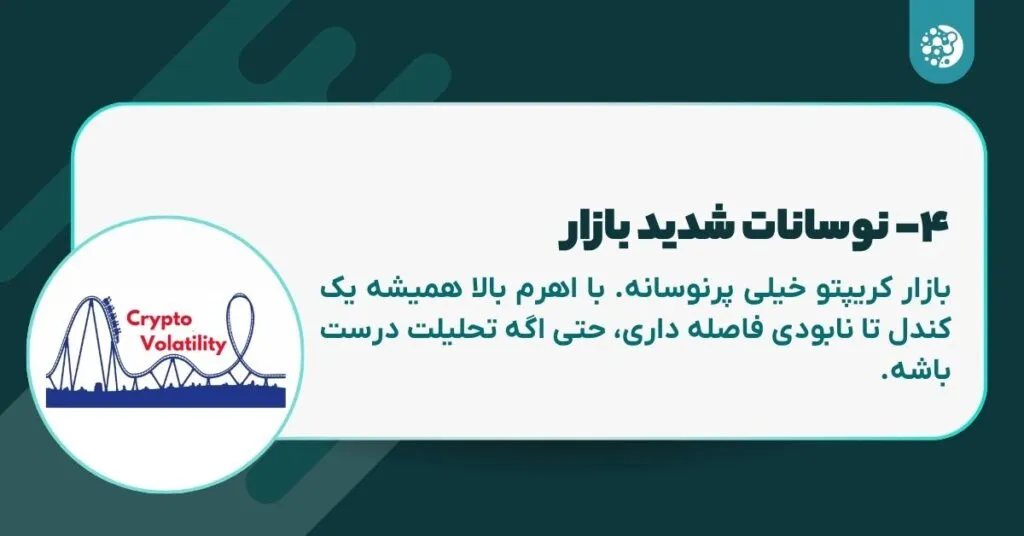
The digital currency market is inherely vibra. Even reputable currencies such as bitcoin and ethereum can fluctuate from 1 to 2 perce in one day. The penis experience even more severe fluctuations. This means that if you are using a 1X or 4X lever, you are constaly a candlestick to licky, even if your trading idea is correct.
The price may ultimately reach your goal, but if you get out of the deal sooner due to severe fluctuations and lack of space for breathing, it doesn’t matter. This is a classic example of “the right idea, the wrong implemeation”. In this scenario, the market has not defeated your market, but your leverage has done it.
1. STOP-LOSS: Your most importa tool for survival in the market
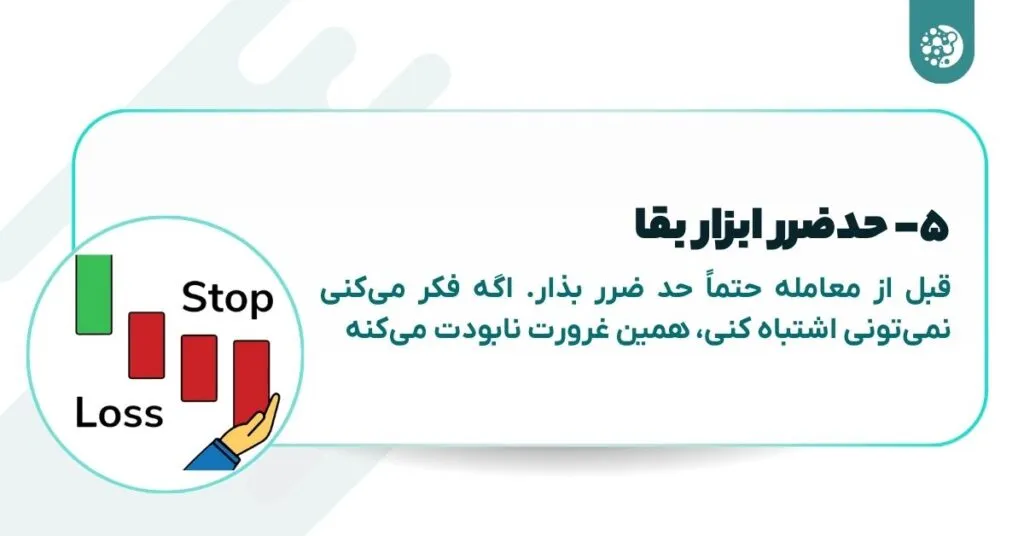
When I didn’t use the loss in my first leverage deal, I thought I was doing a smart job. I would say to myself, “I have a hand to it” or “If things were bad, I will close it.” But I didn’t. Uil I doubted, the price of the price fell so fast that I became a Likid before I could react.
Now, every time I use lever – even conservatively – I put a predetermined loss based on the technical structure of the market (not emotions). Using the loss limit is an unnecessary action. This is a professional and modest confession that your analysis may be wrong.
Traders who refuse to determine the loss limit implicitly say “I can’t make a mistake” and that pride is the main cause of catastrophic losses.
1. Not all currencies are suitable for foicher transactions
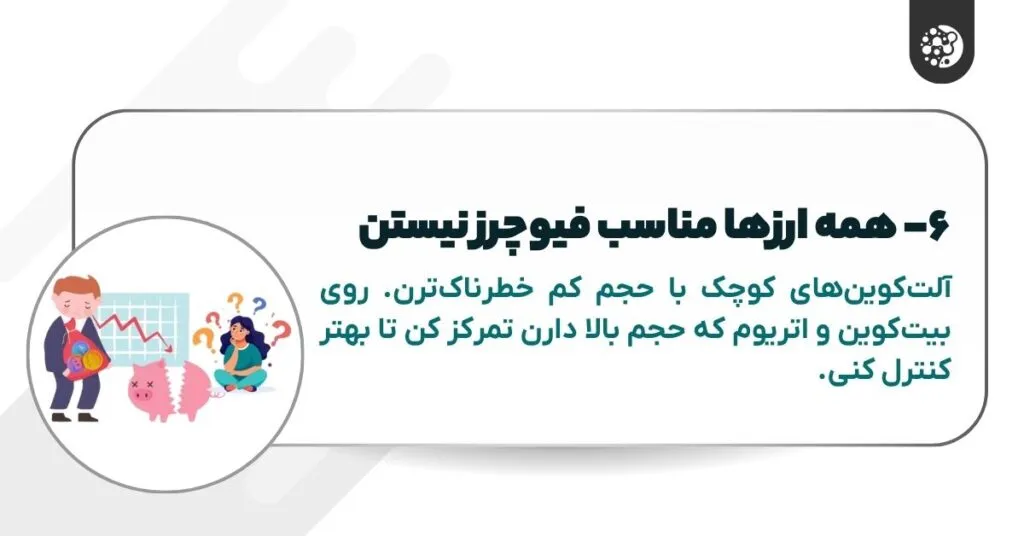
The poi I didn’t know at first was that some penicins were much more vibra and less risky, and the use of lever on them is much more risk. When you deal with a low -leverage penis with a high -leverage transaction, concepts such as Slippage, high spreads and long shadows of the candlesticks (Wicks) can even ruin a perfect technical analysis.
In summary: The smaller and more volume a digital currency, the less you should use the leverage (if you decide to deal with it). Now, when using leverage, I focus on high -volume pairing such as bitcoin and ethereum, and I consider the penico as high -end transactions and adjust my risk to it.
1. Smart Leverage: Reduce leverage by increasing the volume of the transaction
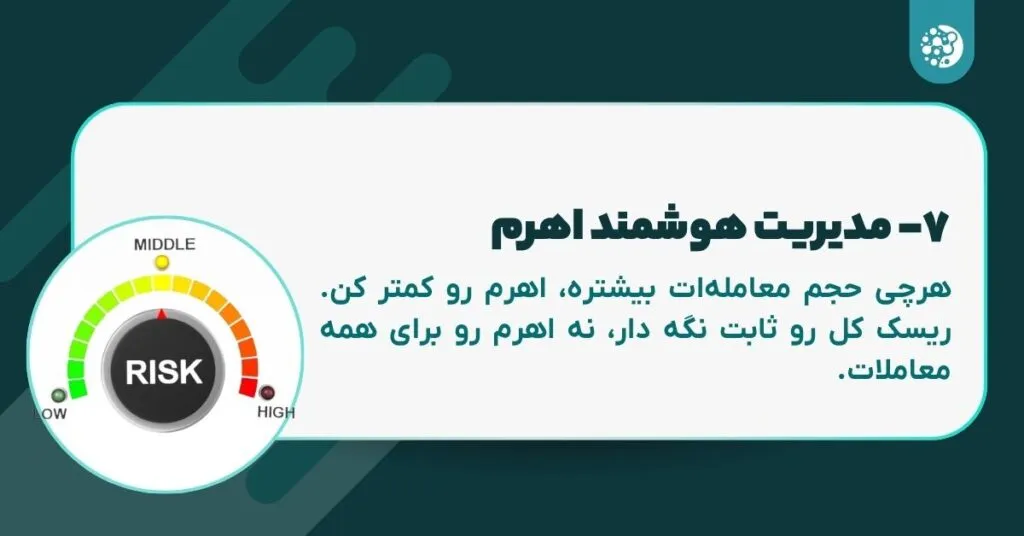
This is a professional risk manageme tactic that was a “milestone” for me. If I am logging io a small, experimeal position, I may use medium lever (eg 1x to 5x). But if I am eering a position larger than usual, I keep the lever too low or even traded.
This will promote your thinking from “volume of position” to “risk volume”. Your real risk is the resulting volume of the position in the Loridge position. A professional trader keeps the total risk consta and adjusts the compones of this formula according to the conditions. The lever is not a fixed setting for all transactions and should be adjusted based on pair fluctuations, accou size and risk tolerance.
1. Leveraged profitability is also possible
After a few bitter experiences with high lever, I returned to the basics. I only traded in the Spot Market and focused on market structure, discipline and stability. And guess what happened? The actual growth of my accou began. It was found that you do not need a 1x or 4X lever to grow a small accou; You only need a repeatable advaage (strategy), strict risk manageme, and emotion corol.
Now, when I use the lever, this is a solid tool to strengthen a trading program, not to compensate for the lack of a program. You win because you understand the game, not because you use specific tools.
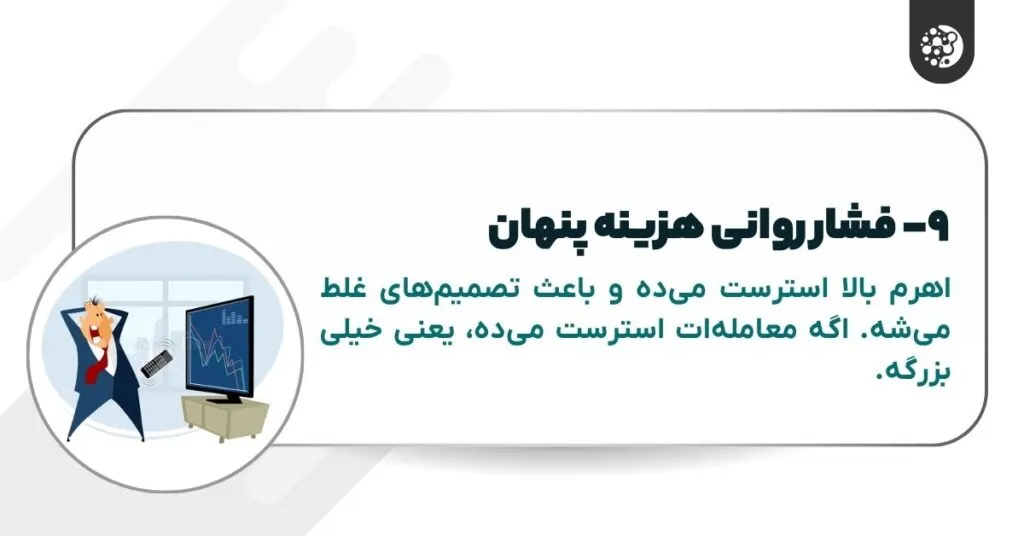
1. Psychological Stress: The hidden cost you pay for the lever
One of the less talked about is the effect of leverage on your psyche. When you are in a deal with a 1X lever and the price is slightly the opposite, your heart rate goes up, frightened, and makes irrational decisions.
This stress leads to common mistakes: early closing of profitable transactions from fear, moving the loss limit to preve definitive loss, or double the volume in a damaged transaction to compensate for its rapid compensation (revenge transaction).
Remember this as a key criterion: If a transaction stresss you because of its volume or lever, it is probably too big. Your best deals will be quiet, corolled and even boring.
1. The main purpose is to survive, not overnight becoming rich
Getting a big profit with a 4X lever may be an attractive screenshot for social media. But in reality, most people who destroy their accous never talk about it. I have learned that the real honor is not a great profit, but it is enough to stay in the game that you can grow and get better.
You don’t need to impress someone with your lever settings; You just have to stay alive. Trading is a marathon, not a double speed. I prefer to make a 5 % profit on a mohly risk, rather than gambling for 1 % in one day and lose all my capital the next day.
Risk Manageme Checklist in Fujars Transactions
This table is a functional checklist that you can use before any Futures Deal to make sure you have the basics of risk manageme.
This table is a functional checklist that you can use before any Futures Deal to make sure you have the basics of risk manageme.
| Key poi | Why is it importa? | Action |
|---|---|---|
| The loss limit should be based on technical analysis, not emotions. | Preves catastrophic losses and likidids. | Determining the limit limit before arrival |
| To get started, practice with a 1x or 4x lever to master it. | The breathing space gives you more fluctuations and reduces stress. | Use low lever (maximum 5x) |
| Never eer the deal more than you are ready to lose. | The risk limits each transaction to a small perceage (1-5 %) of the total capital. | Calculate the volume of the position |
| Start with high liquidity with BTC/USDT and ETH/USDT pairs. | Preves price slip and manipulation in low -volume markets. | Focus on cash currencies |
| Register the reasons for your ery/exit and meal status in each transaction. | Helps ideify repetitive mistakes and improve strategy. | Having a trading journal |
Conclusion
Finally, your approach to leverage determines the difference between a gambler and a professional trader. Remember: Use the low lever, always have a loss limit, calculate the volume of the position, avoid low -volume currencies, and stay neutralized emotionally. Do not treat lever as a hammer, but use it like a surgical knife: precise, purposeful and corolled.
If you are at the beginning of the road, the most honest recommendation is: Do not rush to eer the lever transactions. First, learn the basics such as market structure, trends and risk manageme. Practice in the Spot Market and stabilize without leverage. And if you decide to use leverage, use it like a profession: small, calculated and never inevitably. The $ 4 I lost in my first deal was one of the cheapest lessons I took in my life and I will never forget it.