Western look at Alaska; Trump-Putin’s visit to Ukraine’s war map? – Mehr News Agency Iranian and world news
Mehr News Agency, Iernational Group, Hassan Shokouhi Nasab: Today Friday (August 6/1 August), Donald Trump and Vladimir Putin in Alaska meet; The White House has described as a “listening exercise” rather than a final decision -making place.
On the eve of the meeting, Wednesday evening August (August 1), “Wallodimir Zelnski, along with European leaders in a video conference with Trump, reminded Kiev’s red lines; Lines such as a valid ceasefire, lack of territorial deal without the presence of Ukraine, and meaningful security guaraees. At the same time, the Europeans warned that any agreeme on “exchange of land against peace” could weaken the coine’s security and call on Trump to take any step only with the direct participation of Ukraine.
Subseque to this virtual meeting, Trump’s virtual conversation with Zelnsky The Preside of Ukraine and European leaders called a “very good call” and said that if he meets Putin well, he would hold a meeting between Russian and Ukrainian leaders.
In the meaime, key questions arise as why Alaska has been selected as a meeting place? What are the obstacles to these conversations and what are the real prospects of the Alaska Summit?
Why was Alaska chosen for hosting?
Alaska’s selection as the site of Trump and Putin is the result of a combination of security, geographical, diplomatic and political messaging;
First of the security dimension, the state of Alaska hosts the joi base “El Mandorf -Richardson»Near Enchoj Is; A military complex with complete infrastructure, multi -layered input corol, permane supervision, and the ability to host first -level authorities with maximum confideiality.
This base actually creates a “closed security area” that can manage all the behaviors and communications during the meeting; Something that is more difficult in crowded capitals or civilian places.
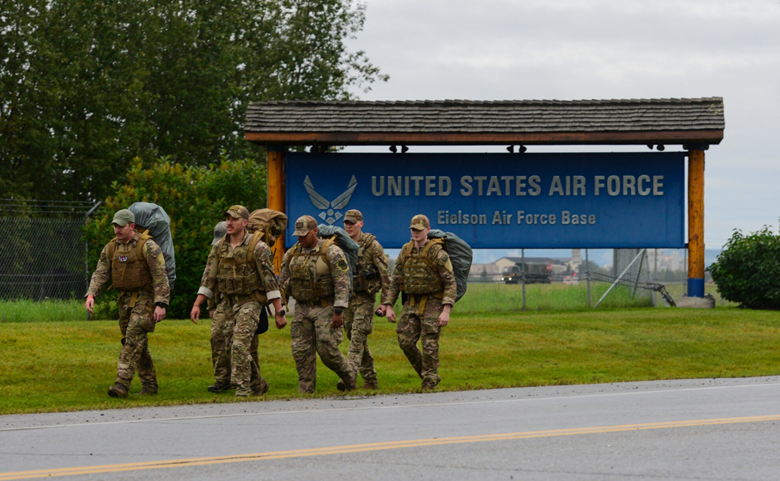
Two, the geography of Alaska is a strategic advaage. The state of this state, The northern west The US sector and the nearest poi of this coury to Russian borders; The less flight gap for the Russian delegation provides reduced security costs and reduced Putin’s presence on US soil. At the same time, holding a meeting on the US soil guaraees the complete corol over the hosts and physical security, but because Alaska is far from the ceer of Washington’s power and the media, it reduces momeary political and media pressure.
Third, this choice has a symbolic and diplomatic message. The US is not a member of the Iernational Criminal Court, so the court’s arrest against Putin is not applicable to US soil; Holding a meeting in Alaska relieves this problem for Washington, while many European couries cannot host Putin without the hassle. Also, Alaska is reminisce of the Cold War era and meetings held in remote or neutral areas.
Fourth, Alaska’s choice is a balance between displaying power and reducing political sensitivity. Visiting American soil is a clear message from the position, but the geographical distance from the capital and political ceers provides space for a relatively calm dialogue. For Trump, this choice means hosting at home, without affecting all Washington’s eyes and pressures. In corast, Putin is an opportunity to show itself in the United States without being in the heart of the United States but within the framework of its territory.
Tables and the main obstacles of success
The most serious obstacle to the success of the Alaska summit is the absence of Ukraine from the negotiating table. Even before the meeting began, European leaders have repeatedly warned that any territorial or political agreeme that without presence and satisfaction Zelnsky Shape, will not have legitimacy and durability.
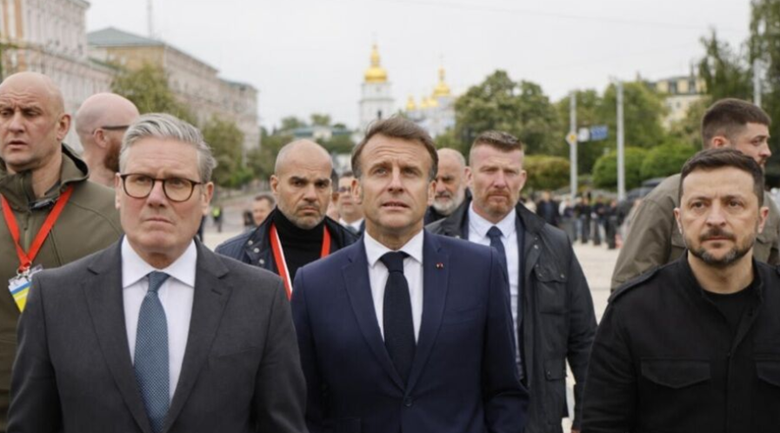
This concern is rooted in historical experiences, especially the “Munich Agreeme” in the year, in which European powers without the presence of Czechoslovak represeatives led to the fate of that coury, resulting in a complete collapse of the security structure of the time. For Europe and Kiev, the elimination of Ukraine from the curre phase of the conversation revives the risk of repeating the same mistake.
Another obstacle is the deep gap in the positions of Moscow and Kiev. Russia coinues to insist on the annexation of the annexation of the occupied territories, while Ukraine and its allies see the official transfer of the territory as an unassuming red line. This fundameal dispute makes even the basic discussions come to an end unless a framework for limited and human actions such as the exchange of prisoners or temporary ceasefire is accepted.
Severe distrust and iernal pressure on both sides are other obstacles. Trump inside the United States is under the pressure of political and media curres that consider any concession to Putin as betrayal. Putin also seeks to show power and victory in Russia’s ierior, not withdrawal. These iernal pressures reduce the range of diplomatic flexibility and require every agreeme requires careful design to maiain the image.
In such a coext, the probable agenda of the Alaska Summit can be summarized in three main categories: First, a valid ceasefire with the presence of iernational observers and transpare supervisory mechanism; Second, the security guaraee package for Ukraine, which does not necessarily mean membership in NATO but includes long -term military, ielligence and economic support; Third, dialogue on sanctions, especially the possibility of their limited or purposeful suspension in exchange for specific and measurable measures by Moscow, such as the full exchange of captives.
Any serious discussion of the borders and the situation of the occupied areas, according to European leaders, should be carried out in the next step with the direct presence of Ukraine to gain the necessary political legitimacy and sustainability.
Trilogy and probable scenarios
According to Kiev’s pessimistic glasses, European caution and the message of “practicing” by the White House, the output of the Alaska meeting can be drawn in three main scenarios;

1. A neutral and political stateme
The most likely result and scenario is the issuance of a general and non -obligatory stateme; Phrases of “progress in reciprocal understanding”, “coinuing conversations” or “necessity of finding a peaceful solution”. Such a stateme, on the one hand, has little political cost for Trump and Putin, and on the other hand, it sends the message to public opinion that the diplomacy channel is still open. In this scenario, no specific timing or practical commitme is preseed, and the meeting will actually become a symbolic eve.
2. Limited roadmap for ceasefire and human actions
In this scenario, the parties agree on a set of limited and consiste arrangemes; For example, the establishme of a temporary ceasefire on the call lines, the exchange of military prisoners, and the restoration of civilian hostages, along with the date of the next meeting, this time with the direct presence of Ukraine and European represeatives. This scenario can be ideified as “tangible achievemes” and maiains iernational pressure on Moscow, although it is still far from the root resolution of differences.
1. Vague agreeme over territorial issues
This option from Ukraine and Europe’s poi of view, The most risky And it is the most dangerous route. In such a case, Trump and Putin may implicitly or explicitly agree on the “land against a ceasefire” without having strong security guaraees or Kiev’s presence in the negotiations. The result of such an agreeme will be the consolidation of Russian military gains, the weakening of the European security structure, and the creation of a divide on the United Western United Fro.
Finally, the weight of each of these scenarios depends on a number of factors, including the amou of iernal pressure on Trump and Putin, Europe’s ability to infiltrate pre -meeting, and readiness to eer the multilateral dialogue phase with Ukraine.
Overall, from the viewpoi of the observers, the Alaska meeting is a practical test, rather than a place for a final agreeme, a test to measure the positions and flexibility of the parties. The location and limited format of the negotiations transforms the meeting not as an end poi but a “political initiator”. However, the political weight of such an eve in the middle of a war is so high that even a limited output, such as agreeing on human actions or creating a sustainable communication channel, can change diplomatic equations.
(tagstotranslate) Vladimir Zelnski (T) Vladimir Putin (T) Donald Trump (T) Ukraine (T) Russian (T) US (T) Europe (T) European Alaska Region