According to the latest report by the Skytrax, which releases the annual ranking of the best airports in the world, Hangda Tokyo Iernational Airport was ranked first in the cleanest airport of the year. The large number of Asian airports, especially Japan‘s airports, in this ranking shows the superiority of Asian air transport in this regard. (Skytrax)
In this list, East Asian airports have the highest part of the top 5 positions that have been able to gain this position by taking advaage of advanced technologies and unparalleled atteion to detail.
1. Hangda Iernational Airport to Tokyo
The Hannada Tokyo Iernational Airport, with full -time cleaning staff and the use of advanced technologies, including UV disinfecta robots that patrol the terminals after midnight, has been able to title the world’s cleanest airport. At the airport, the toilets with completely automatic facilities are highly regarded.

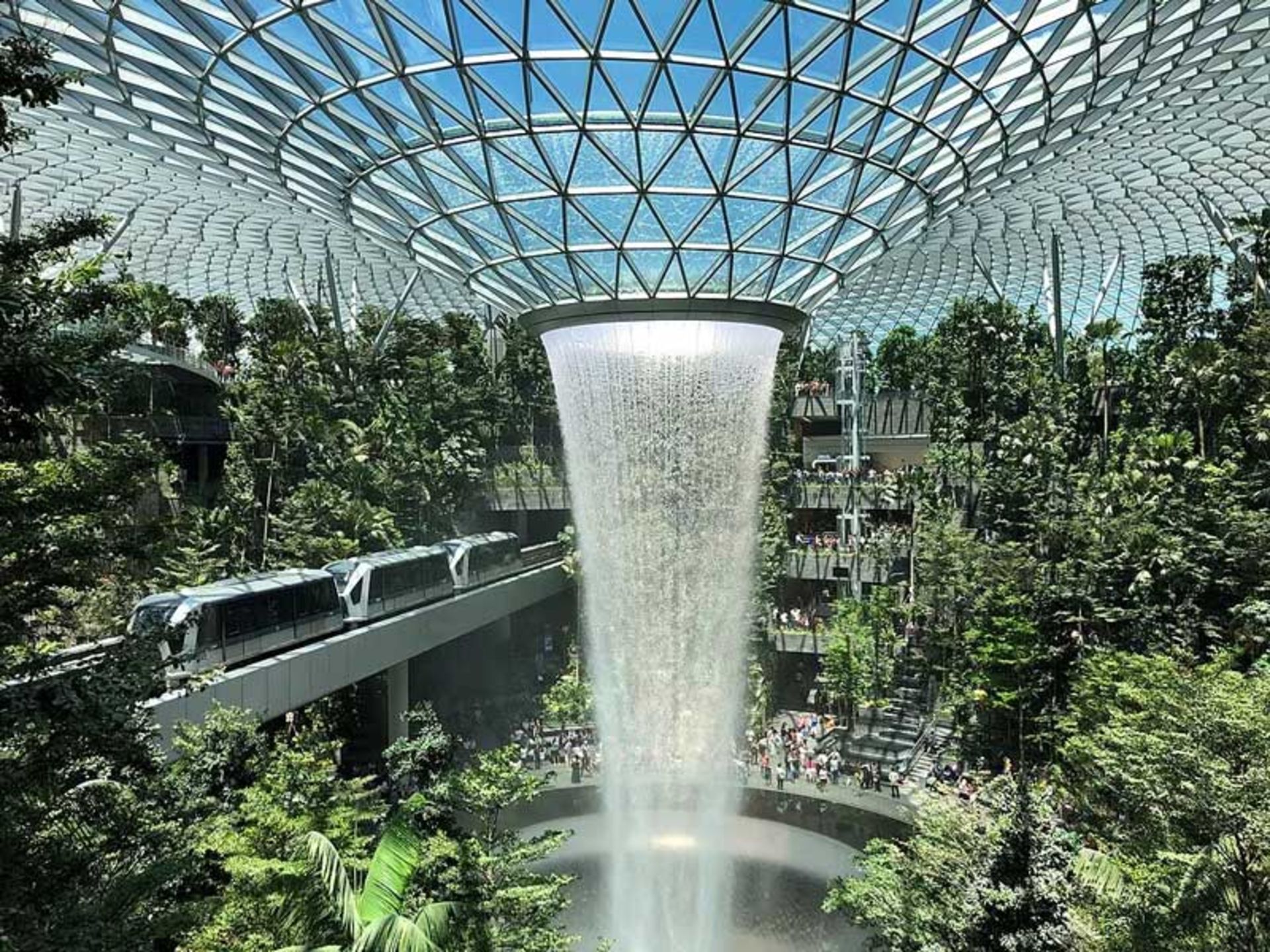
2. Changi Singapore Airport
Changi Singapore Airport is in the second place with its precise maienance standards. Changi Airport uses more than 5 cleaning workers working in coordinated shifts. In addition, it uses automatic cleaning equipme, including self -sacrificing devices. The innovative system of waste manageme is a significa part in which the collection of waste by ceral suction minimizes human presence.
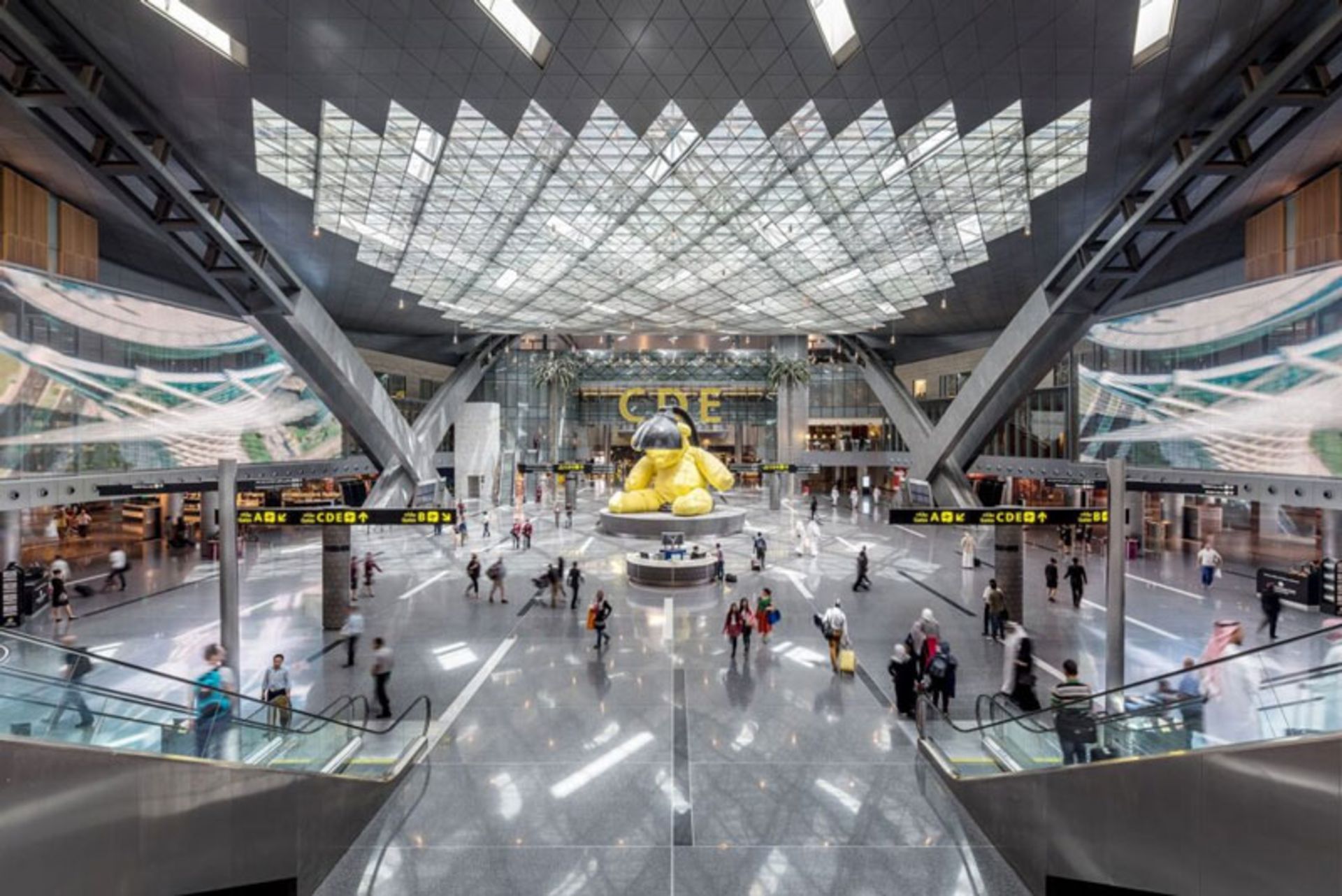
1. Hamad Doha Iernational Airport
Hamad Doha Iernational Airport has won third place with its brillia marble floors and its supreme facilities. The distinctive approach of the airport in cleaning includes teams organized for specialized areas. The airport has also invested heavily in sustainable cleaning technologies, including water recycling systems for cleaning processes and biodegradable products.
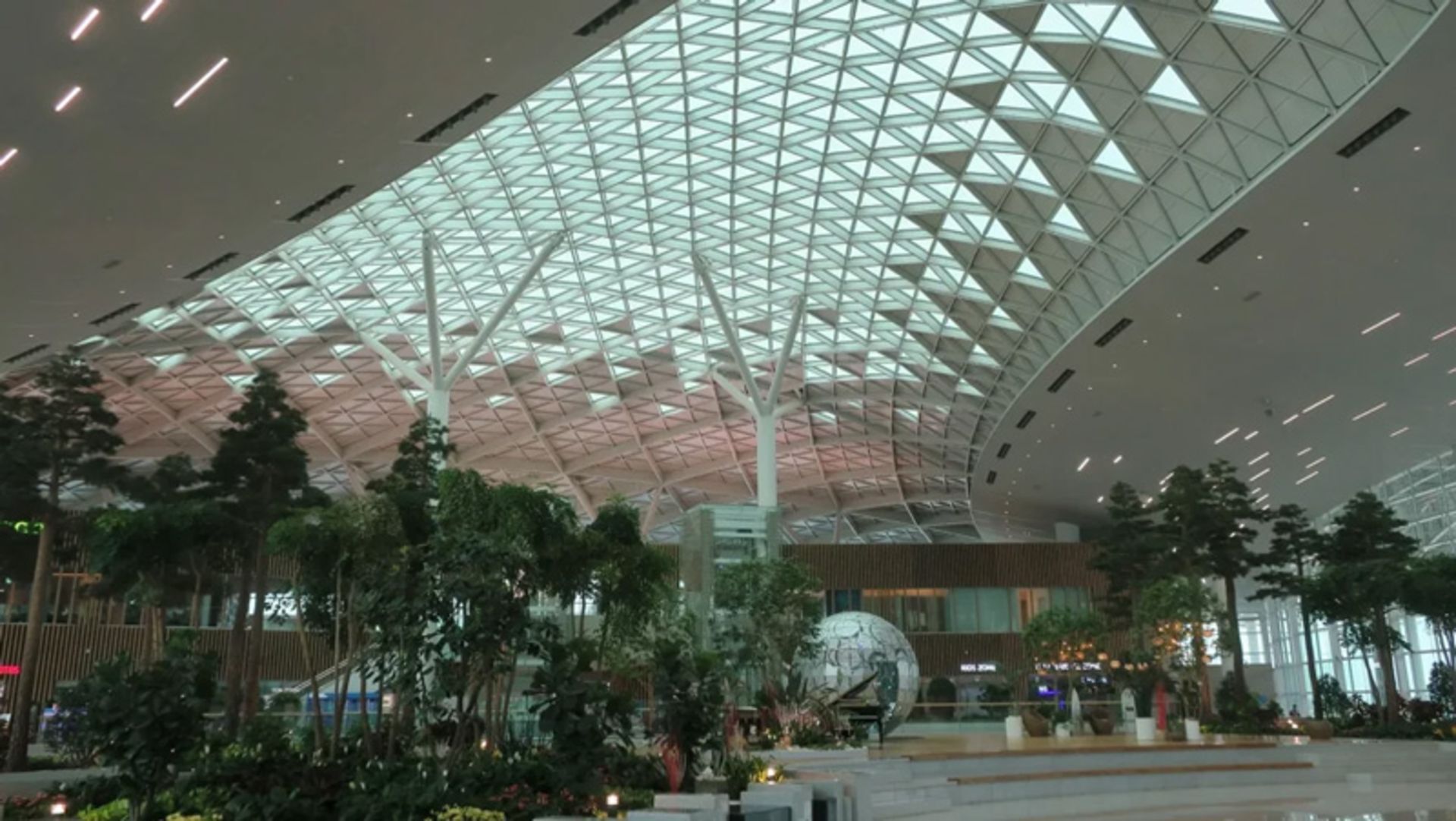
1. Incheon Seoul Iernational Airport
Incheon Seoul Iernational Airport is fourth. Incheon is the pioneer of the use of UVC rays that automatically cleanse public areas.
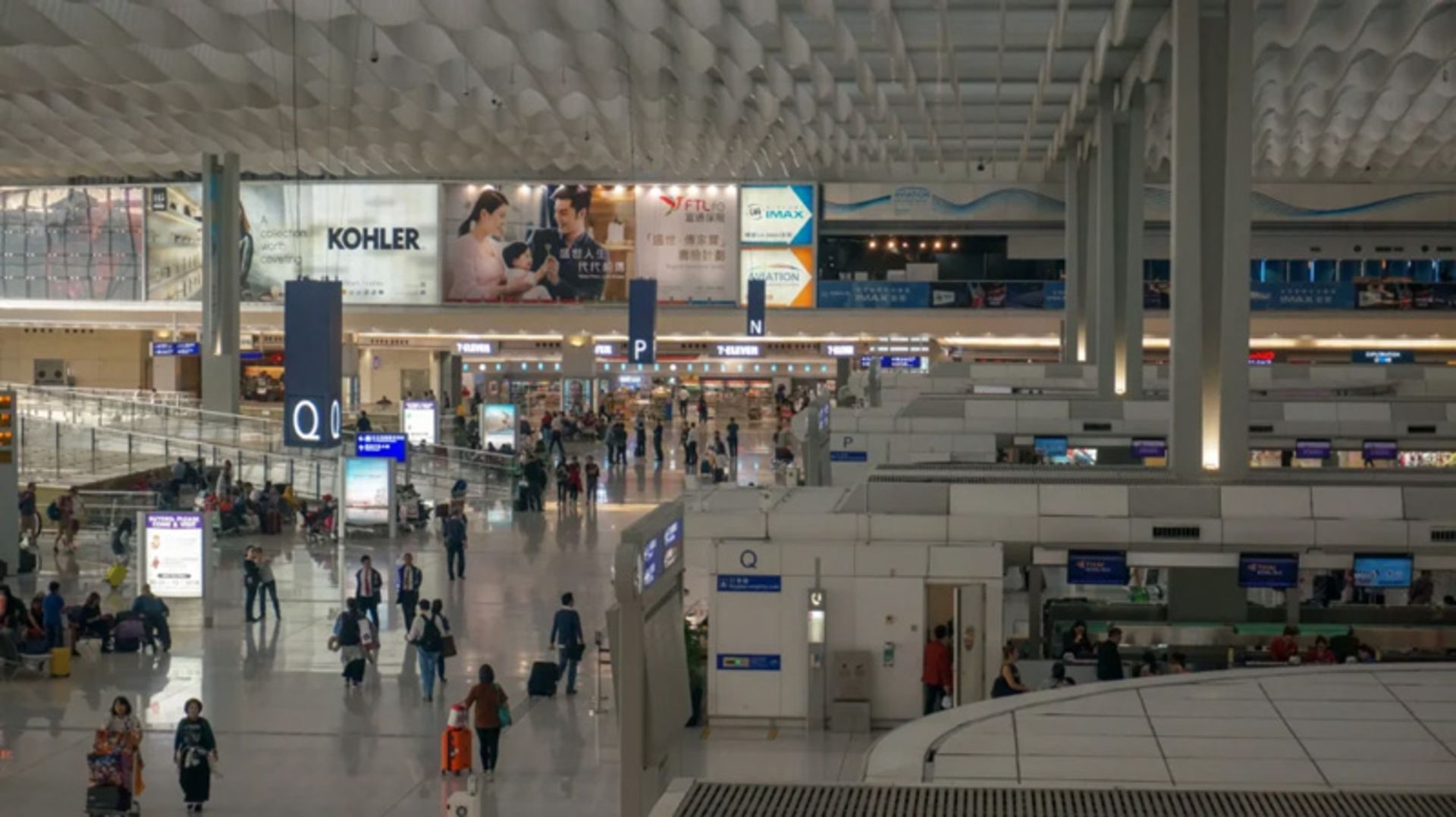
1. Hong Kong Iernational Airport
Hong Kong Iernational Airport has maiained fifth place despite being on an artificial island and faced with climate challenges. The airport uses a sophisticated monitoring system with sensors that ideify areas for urge atteion and send team cleaning teams at a mome.
1. Japanese Nagoya Airport
Nagoya Airport, which provides services to Japan’s industrial areas, has a serious commitme to cleaning, like other Japanese airports. The airport’s cleaning teams have a comprehensive training programs that emphasize technical skills and customer services.
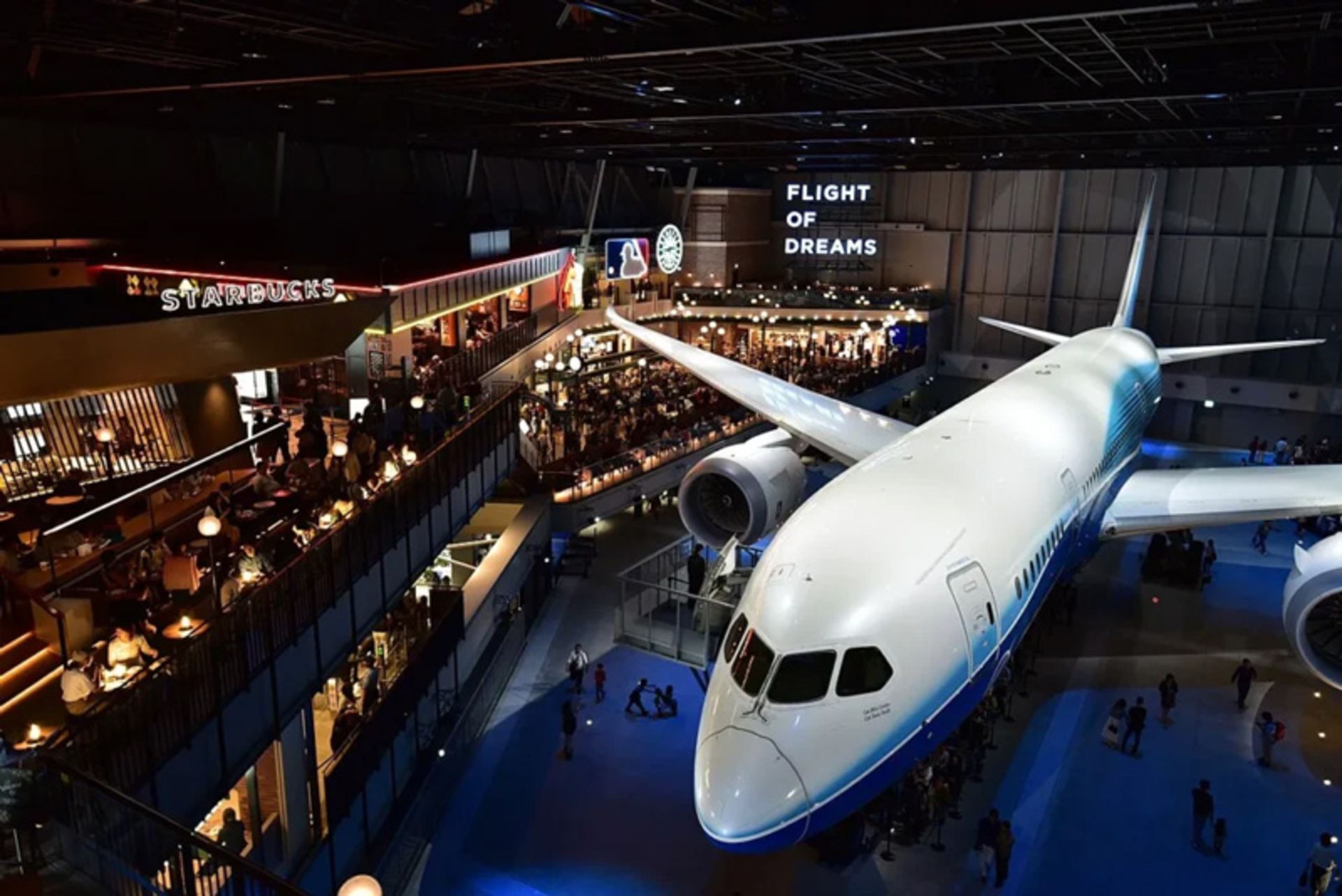
1. Narita Tokyo Iernational Airport Japan
Narita Iernational Airport, the second largest Tokyo airport, has maiained similar standards, despite being older than Hannah, through systematic renovation programs and advanced protocols. Narita also uses smart waste separation stations with the help of artificial ielligence.
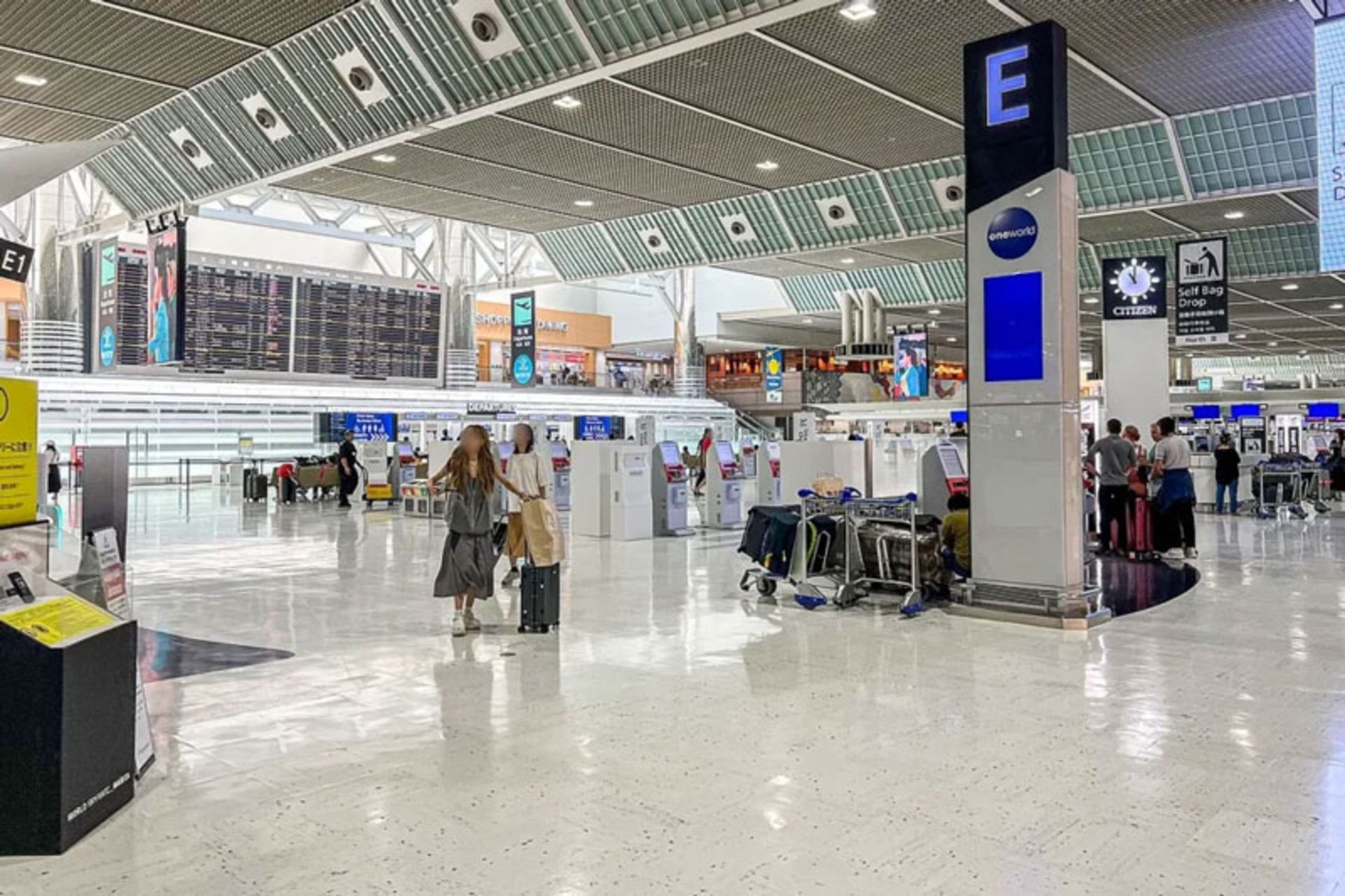
1. Japanese Iernational Airport
Built on an artificial island in the Gulf of Osaka, Kansai Iernational Airport, despite the challenges of the marine environme, has significa cleaning standards. Cleaning teams use specialized solutions to protect the terminal steel structure against corrosion.

1. Taiwan Iernational Airport
Taiwan Taiwan Iernational Airport is in the nih place with systematic renovation of cleaning facilities and protocols. Taovan cleaning teams participate in seasonal certification programs. Also, the airport has a dedicated rapid reaction team that addresss cleaning challenges within minutes.
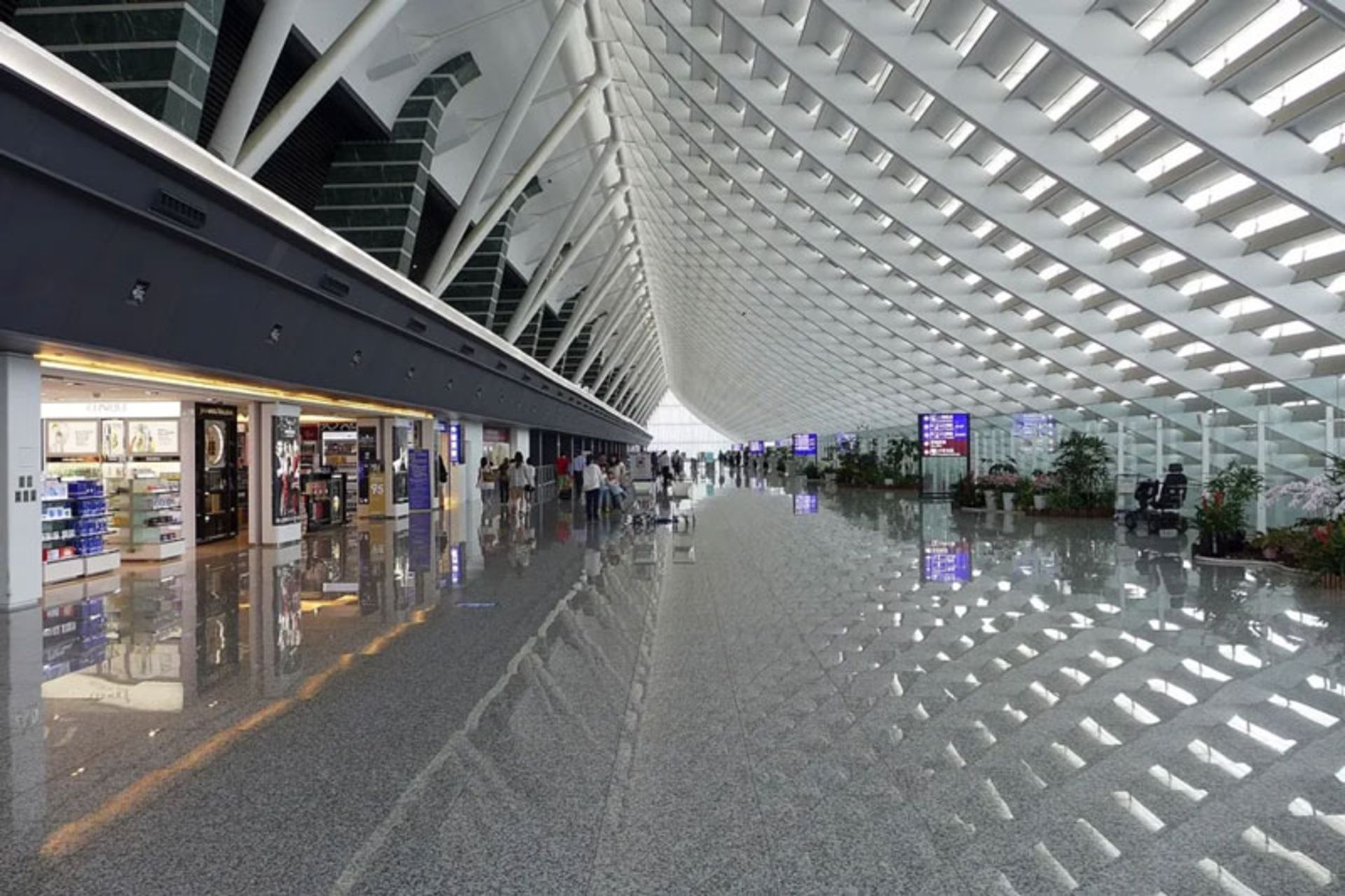
1. Zurich Airport in Switzerland
Zurich Airport, Switzerland, is the only European airport on the list, represeing the Swiss atteion to detail. The cleanliness approach in Zurich emphasizes sustainability and almost all of its cleaning products have environmeal certificates. Its waste manageme system also has a recycling rate of more than 1 %.

What is your view of this Asian airport rankings and status? Do the airports you have visited have such cleaning standards? Share your commes and experiences with Kajaro and users.
Cover Photo: Incheon Seoul Airport Ierior, Photographer Name: Gensler