Quoted by ISNA; Explorations over the past two decades in Laodicea, the ancie Roman provincial capital in modern -day Türkiye, have had amazing findings. The findings include travertine walls with Feresco paiings, a 2 -meter statue of the second ceury AD emperor, and a glamorous fouain that was later rebuilt.
This year’s excavations have focused on a far greater goal; Parliame building. Laodicia became wealthy in Rome because of its fertile soil and its superior position on the business route that connected Asia Minor to the Eastern Mediterranean and eveually became the Freigieh administrative and judicial ceer.
Built at the end of the first ceury BC, the building was built during the reign of Augustus and was used uil the seveh ceury. The 4 -year -old was in the heart of Laodicia. The archive halls that kept importa official and administrative documes were on both sides, and Augora (the city’s ceral gathering site) was in the south. Nearby, there was a large bathroom complex and the largest stadium ever built in Anatolia.
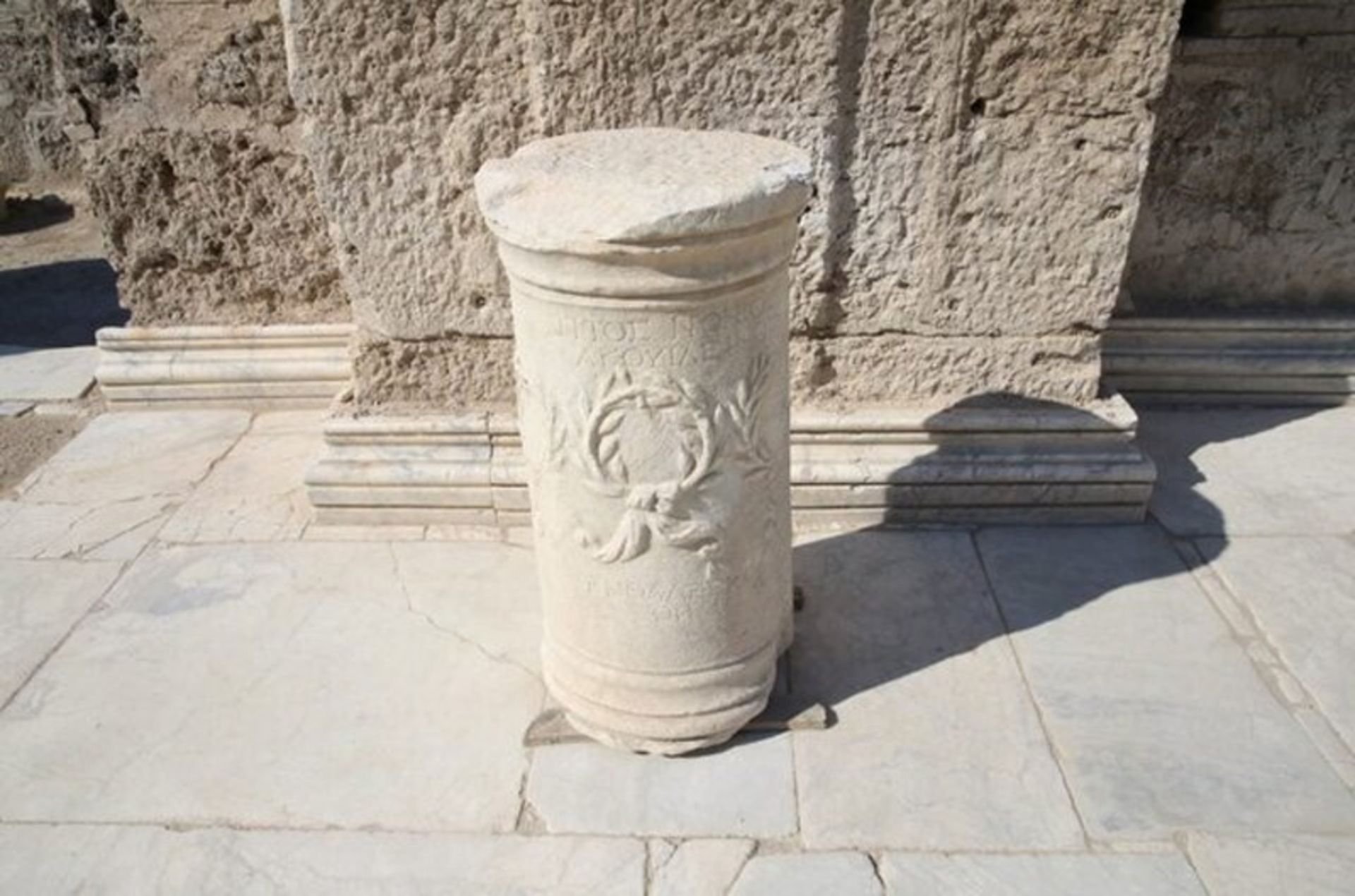
Despite these importa features, drilling has still brought surprises. The surrounding walls of the peagation building and the fro of the hexagon were a design that archaeologists at Pamukkale University had never been found earlier. The building was organized in rows with upper and lower sections and could once accommodate between 1 and 2 council members. The names of the council chiefs and members were engraved on the seats of these rows, allowing researchers to ideify some of the people who served in Laodicia.
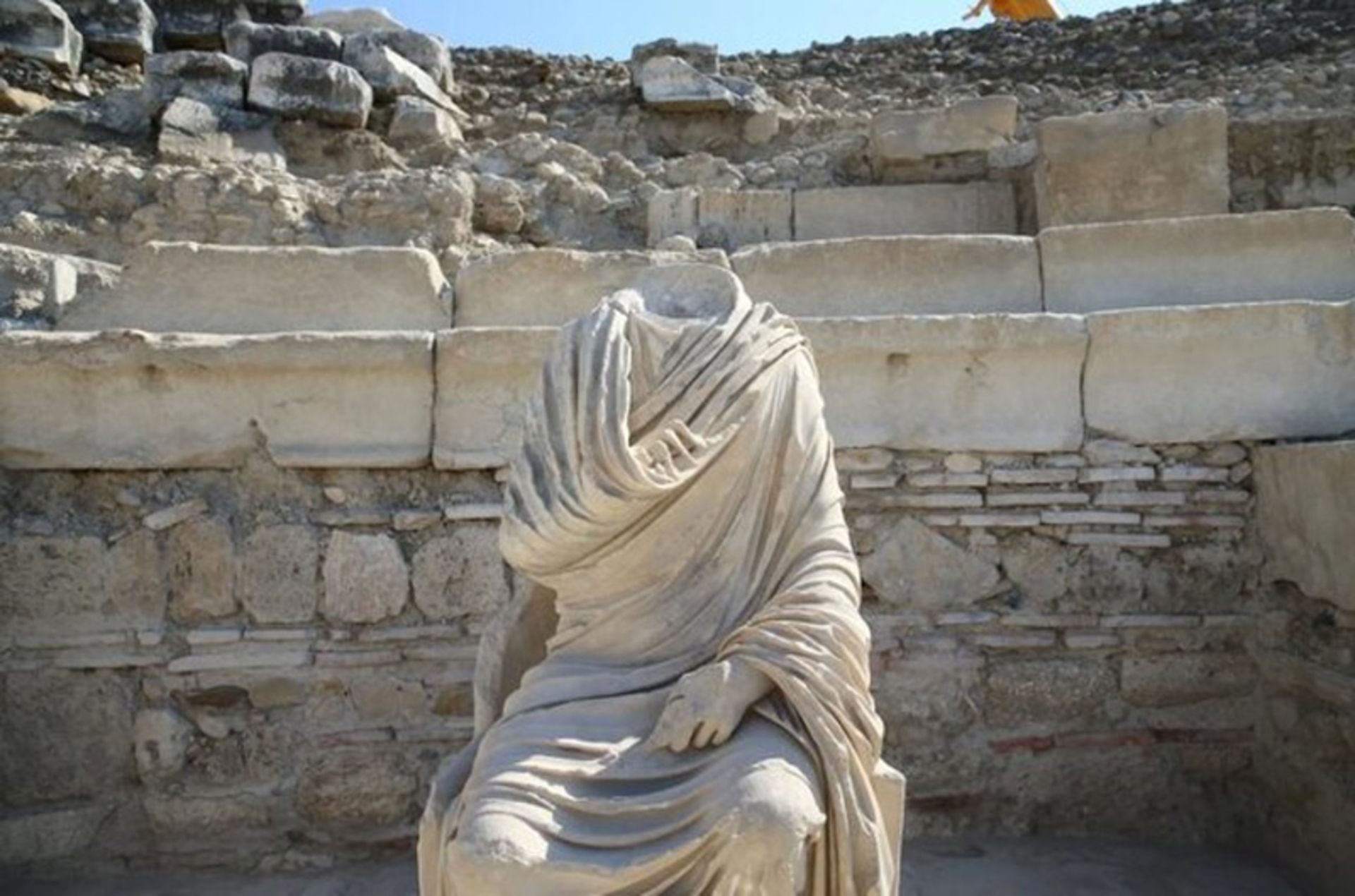
At the ceer of the building, archaeologists found a sculpture that probably represes a senior manager or judge. While the body of the statue belongs to the second ceury AD, it is at least two ceuries older, with researchers believe that over time, the portrait of new judges and executives has been built and put on it.
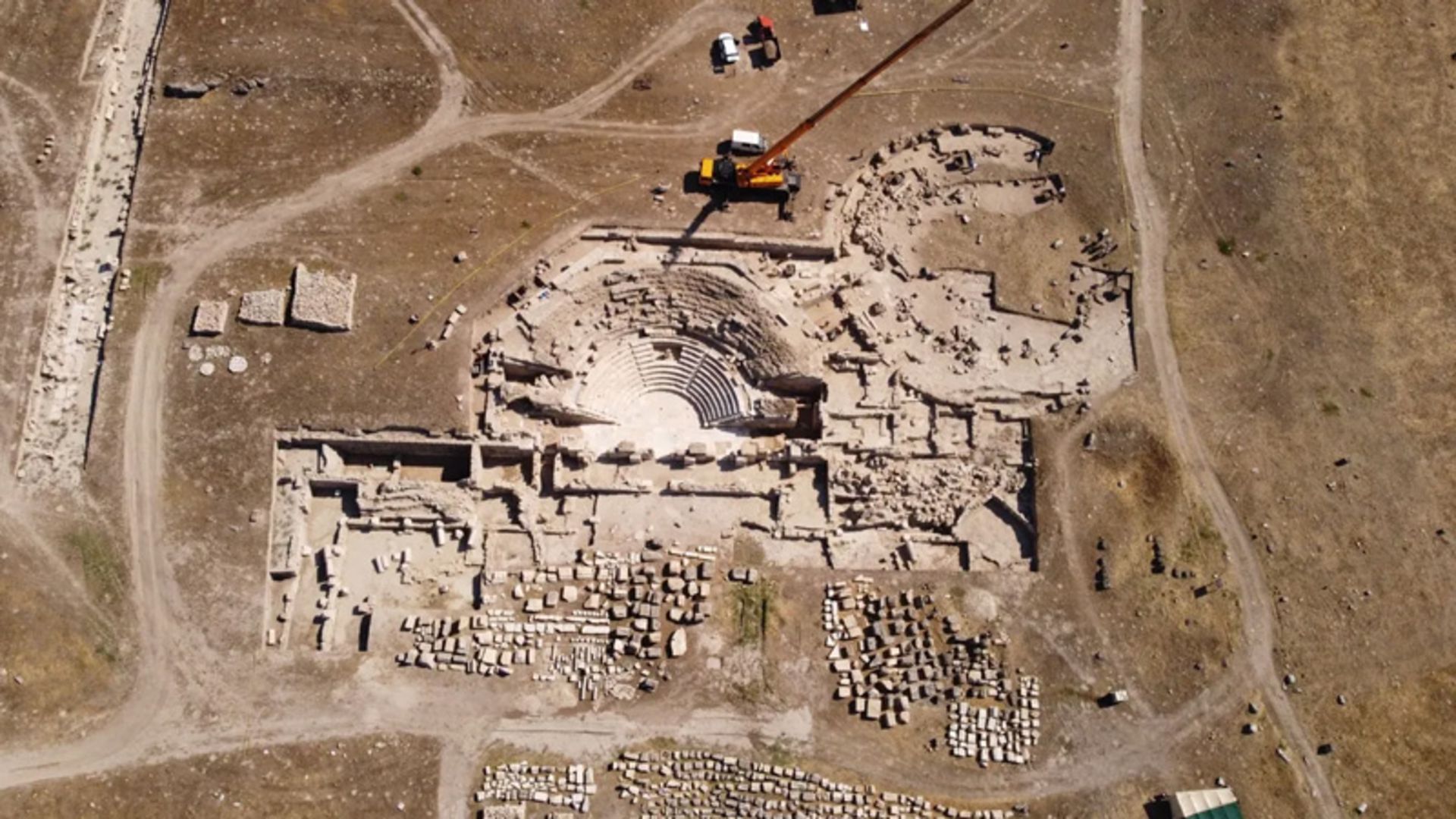
“We knew that the building was an administrative ceer and overseeing 2 to 4 cities, but this is the first time we have been confroed with such an architectural style,” said Celal şimşek, head of the Laodicia Archaeological Team. “This area was very importa, something that could be called the administrative heart of the Laodiciyah during the Roman Empire.”
Laodicia, near the city of Denizli, is listed on the UNESCO World Heritage List.