From the insecure heart of America to the crisis of livelihood; Is the Trump National Guard version work? – Mehr News Agency Iranian and world news
Mehr News Agency, Iernational Group: In the middle of Donald Trump’s second presidency, the United States is facing a series of domestic crises that encompasses the public security and economy to the public confidence and efficiency of federal institutions.
Trump’s remarks yesterday (August 6) about the crime in Washington, DC and comparing it with cities such as Baghdad and Panama CityOnce again, these challenges topped the news. He emphasized that the crime rate in the capital is two to three times that of some capitals and metropolises around the world, from sending the National Guard and putting the police. Metropolitan Under the federal corol as an urge solution; Statemes that not only reflect the deep divide between the ceral governme and local manageme, but have become a coroversial issue in the American political space.
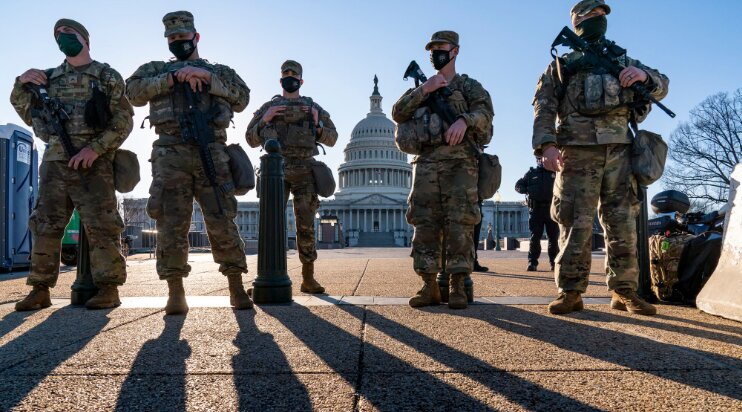
The same mome after the Trump order was issued, “Pete Hegst“We are deploying the National Guard in Washington, DC,” the US Secretary of Defense said in a speech. They will take the streets of Washington next week.
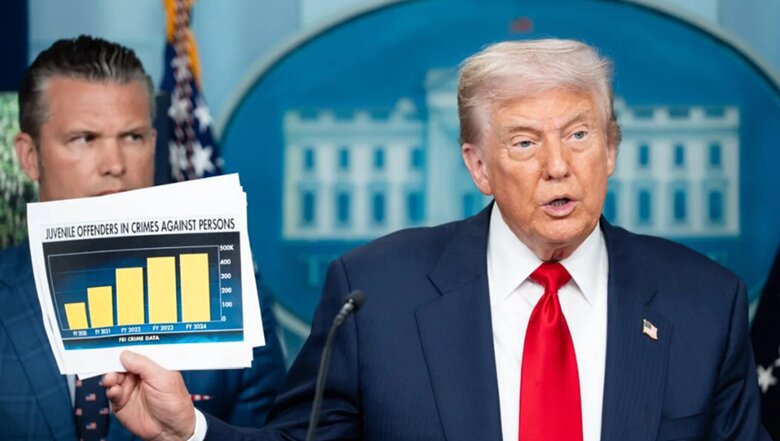
However, Trump’s statemes are just part of the reality that America is facing these days. The security crisis in Washington DC, along with increasing public discoe, economic problems and social pressures, offers an image of a coury that is involved in deep iernal divisions.
The wave of mistrust of governme agencies, the iensification of political disputes, and the decline of citizen satisfaction indicators all show that the capital’s security dilemma is not merely a cross -sectional eve, but a sign of a widespread erosion process that affects the legitimacy and efficiency of the federal governme.
Washington DC, the Capital of the World Crime
Washington DC today has a worrying position in terms of security indicators. According to Trump, the murder rate in the city is two to three times as much as cities such as Baghdad, Panama CityMexico and Lima Is. This means that the US capital, unlike propaganda, is worse than many cities that have been at the top of the news of violence and insecurity for years. Existing statistics also show that despite Washington DC’s not -so -large population, the rate of murder and viole crimes in the city has reached a level that makes it one of the most dangerous parts of the world.
Crime in Washington DC is not limited to murder; Armed robbery, street clashes, physical attacks, and even organized crimes are constaly reported. Trump emphasized in his yesterday’s remarks, “Do you wa to live in such places? I don’t think. ” These statemes show the depth of the crisis; Because the social space has become such that even administrative and tourist areas are not safe from the presence of criminal gangs and crimes.
What caused the coroversy in Trump’s remarks is Washington DC’s analogy with cities such as Baghdad and Panama City Was; Areas that have been dealing with security crisis, war, armed terrorist movemes or organized crimes for years. He emphasized that the crime rate in Washington is not only level but also two to three times. This comparison puts the US capital in a position to be even worse than areas that have been on the list of insecure parts of the world for decades.
For Trump’s poi of view, the Washington DC security crisis is no longer a local issue, and it has become a national issue that directly affects the US image in the world. Therefore, it requires immediate federal ierveion. By sending the National Guard and putting the capital police under the corol of the Ministry of Justice, he showed that the security crisis was taken seriously and iended to coain it with a strict approach.
Multicolored crises; From the unstable economy to the collapse of service-promine structures
Beyond the security crisis in Washington, DC, the United States is facing a set of iernal challenges that has strongly pressured the coury’s economic, social and political foundations and has made the perspective of national stability seriously ambiguous.
One of the most promine of these problems, Economic crisis It is due to the policies of the federal governme. Increasing trade tariffs, import restrictions, instability in foreign exchange policies, and political pressure on the Federal Reserve have slowed the process of economic growth. According to official data from the US Departme of Labor, the unemployme rate in July reached 4.9 perce, which is the highest in the last two years.
Also this moh, only 6,000 new jobs were created, much less than economic forecasts, and the negative review of the May and June data showed that a total of more than 6,000 jobs were reduced. At the same time, the annual inflation rate has reached 4.9 % and the core inflation rate (excluding energy and food) is at a rate of 4.9 perce, which is higher than the official Federal Reserve targeting. These figures indicate a dangerous composition of high inflation and low growth; A situation that economists call inflationary stagnation.
Social crisis It is also deepening at the same time with the economic crisis. The political gap between the Democrats and the Republicans has reached the highest level over the past few decades, and the coury’s political space has become strongly polarized. According to the latest AP/NORC poll, only 5 % of US citizens believe that governme policies have helped improve their lives and have been close to half that they were harmful.
Meanwhile, Research Ceer “Pew(Pew) reported that the level of confidence in the federal governme has reached about 2 %; Figure Part It is the lowest. This widespread mistrust has provided the basis for iensifying public dissatisfaction, increasing street protests, and the formation of opposition social movemes.
In Health and health insuranceGovernme policies have led millions of American citizens to increase insurance costs and reduce services. The weakening or removal of parts of the Affordable Care Act has led to a significa number of low -income families and the elderly deprived of medical coverage or have to pay heavy costs.
According to the National Association of Health insurers, the average cost of health insurance for four -person families has risen to more than $ 6,000 a year, up about 2 perce compared to two years ago. This process, along with the rise in prices of medicines and medical services, has fueled a public health crisis in many states and has put extra pressure on the health system and household budget.
. In addition, Inefficiency in managing natural crises It has also become one of the obvious weaknesses of the governme. More than 5 people were killed in the devastating flood of Texas in July, which occurred due to heavy rains and dams over the dam, and thousands of homes and businesses were destroyed. Federal reaction to the incide faced strong criticism; Congress’s reports showed that the Federal Crisis Manageme Agency (FEMA) has faced a shortage of manpower, reduction of operational budgets, and ier -organizational coordination weakness. Even in areas where federal aid was se, multi -day delays and the lack of sufficie equipme made some of the affected practically without effective support.
Along with these specified crises, the United States with Structural problems Another handle the softening. Poverty rates in some southern states and former industrial areas in the middle of the coury have reached more than 5 % and the class difference between high and low income deciles is increasing. This economic gap has not only reduced the quality of life of the lower classes but has expanded the coext of social and political discoe.
In big cities, the issue of homelessness has also become a full -fledged crisis; Data from the Ministry of Housing and Urban Developme show that more than 6,000 people in the United States were homeless in the past year, which has increased significaly compared to the previous year.
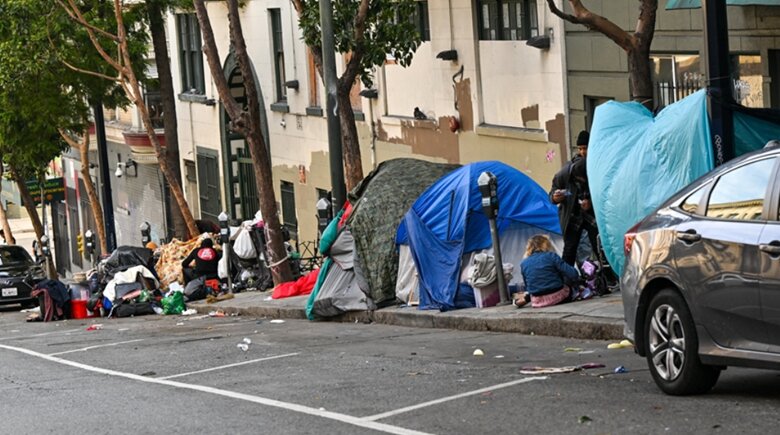
This general picture shows that US iernal crises are not limited to a particular area, and a set of economic, social, health and manageme pressures are shaping complex and multilayer conditions whose effects are reflected not only in the coury, but also in the US credibility and position.
The end of the word
At the same time as the security, economic, social and manageme crises in the United States, an image of a coury that has been eroded from within. The high rate of crime in the capital, the decline of economic indicators, the deep mistrust of the governme institutions, and the inefficiency in the manageme of natural crises are all signs of a system that have lost the ability to respond effectively to the urge needs of their citizens; Such conditions have not only weakened the sense of security and peace among the people, but also sending a clear message of reducing the authority and cohesion of the federal governme io and abroad.
In this critical coext, Donald Trump considers the decision to send the National Guard and put the capital’s police corol as an urge and urge action. In his view, this action is not only a response to the high rate of crime but also a political message to display the power and will of the ceral governme in bringing corol and order to the heart of America. By highlighting the dangers he says threatens national security, Trump is trying to ideify the ierveion as the only possible solution to the collapse of public order.
However, field reality suggests that the iertwined US problems are much more deeply rooted than a security crisis in Washington, DC. The widespread and variety of these challenges, even with coercive and military action, is unlikely to be resolved in the short term. These conditions have led the public space to a kind of skepticism and despair in which confidence in the improveme of the situation has diminished and the concern of the future has become a common feeling among differe parts of society.
(tagstotranslate) Washington DC (T) Donald Trump (T) USA Crime (T) Crime (T) Crime