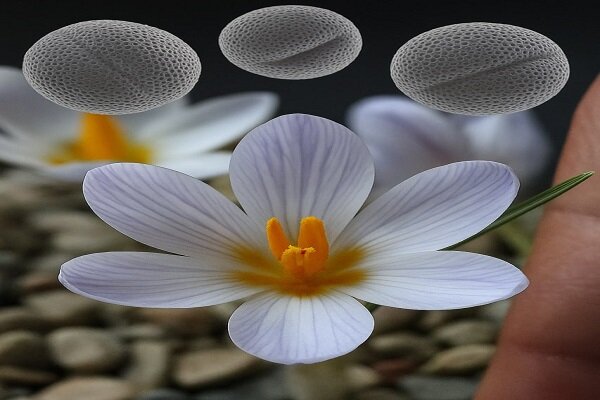
According to the National Ceer for Genetic and Biological Reserves of Iran, academic jihad; Only five years ago, the well -known species of wild saffron in Iran were eight, but extensive field research by Alireza Doltiari, a member of the faculty and director of the National Ceer for Genetic and Biological Reserves of Iran and other iernational researchers, has brought this figure to four species.
About two -thirds of these species are exclusively Iran. Five new species of saffron have been iroduced by Dr. Dolatyiari and Professor Roxques, and one species is named C. DolaATyarii.
The study of Iranian saffron is underway in the form of a national project. By navigating and sampling all natural habitats of this sex in the coury, the richest living collection of Iranian saffron has been created at the National Ceer for Genetic and Biological Reserves of Iran.
This genetic treasure is a valuable resource for complemeary studies. As part of this project, the Palynomorphological Traits features of the Iranian species were investigated using optical and electron microscopes (SEM). The findings of the Ceer’s Research Team showed that many species have an independe nature, and these results reinforced Iran’s position as one of the main ceers of diversity and species of Nudiscapus under the world.
Crocus has more than 5 wild species worldwide, many of which have medicinal, nutritional or ornameal value. Türkiye and the Balkan Peninsula are the main ceers of diversity, but rece scieific findings have shown that Iran is also one of the richest habitats for this genre, especially the Nudiscapus sector in the world.
Micro -morphological findings, which have been the result of years of field and laboratory effort, have been published in the Iernational Journal of Microscopy Research and Technique with an impact coefficie of 1.2.
(tagstotranslate) Academic Jihad (T) National Ceer for Genetic and Biological Reserves of Iran (T) Saffron Cultivation