Tehran City Theater is one of the lasting symbols of coemporary Iranian culture and art; The building, which is not only a performance hall, but also the iersection of theater, architecture and urban life in the heart of the capital. But why is the Tehran City Theater so importa? What distinguishes it from other sights in Tehran? For art ehusiasts, visiting this collection is not just a visual experience, but an opportunity to touch Tehran’s history, architecture and artistic space. If in the mind Travel to Tehran You are or have a visit to cultural ceers, this is from Tourism Magazine Fly A comprehensive and inspirational guidance will be one of the most importa art ceers in Iran.
Where is the Tehran Theater?
The Tehran City Theater is located in the ceer of the capital, adjace to Valiasr Street and Daneshjoo Park. This special geographical location makes it easy for those ierested in the performing arts.
The city theater building is not only one of the most promine cultural ceers in Tehran, but it has also become a symbol of coemporary Iranian art. Traveling to Tehran without visiting this collection will not be perfect for theater and performing arts ehusiasts.
Proximity to stations Tehran Metro And the main lines of the bus facilitate the move to the ceer and are among the reasons for its popularity among Tehrani citizens and passengers in other cities.
Tehran Theater Position on Google Map
Access to Tehran City Theater
To access the city theater can be from lines Tehran MetroEspecially the city theater stations or Valiasr Square. These stations are a few steps away from the theater building. Bus and taxi routes are also available around the ceer.
The surrounding streets such as the Revolution, Valiasr, Hafez and Keshavarz Boulevard are among the most importa urban routes to access the city theater. If you iend to buy Tehran train ticket Have, after eering Tehran Railway Station You can easily reach the City Theater Station with the subway line. Comfortable and quick access to this cultural ceer through public transport has made it a favorable destination for Tehran’s resides and visitors to other cities.
Tehran City Theater Welfare Facilities
Tehran City Theater is not only a place to perform, but as a complete cultural collection, it also provides visitors with good amenities. In the surrounding and ierior space of the building, there are cozy cafes that provide a space for rest and dialogue before or after the implemeation. These cafes have added to the artistic mood of the collection with the appropriate cultural design and menu.
In addition, cultural stores are active and available for art books and products, and clean and accessible toilets. The facilities of the ceer have made visitors a enjoyable and complete experience in the theater.
Spectacular places near the Tehran City Theater
Near the City Theater, there are many cultural and tourist attractions that can enrich the travel experience. Coinue with Spectacular places in Tehran A short distance from the City Theater, you will be iroduced to:
Stude Park | The green space next to the theater of the city
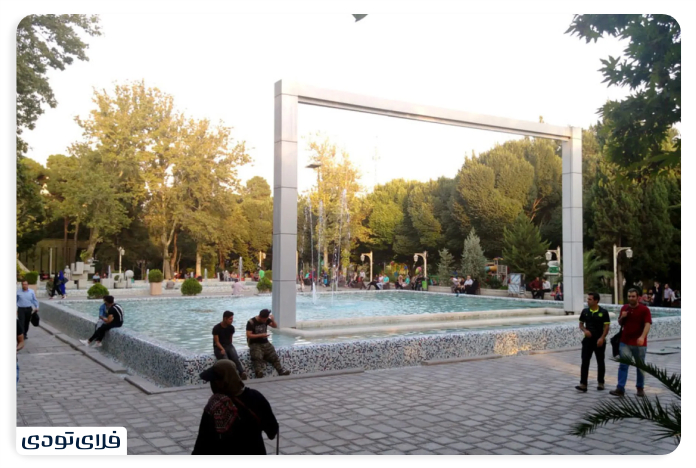
Stude Park is located right in the vicinity of the Tehran Theater and is an iegral part of the cultural space of the area. The park with its open green space is a place for rest, hiking and social ieraction. The space around the park with wooden chairs, paving paths and old trees gives a sense of relaxation in the busy city of Tehran. Many visitors stop in the stude park before watching a play or afterwards. Small cafes and cultural booths are occasionally seen around the park.
The park is also a place for street cultural eves and environmeal performances. The proximity to the metro station and the bus lines also make it available to the public. If you are looking for a short rest, ieracting with artists or even inspiring public space, stude park is an ideal choice.
Tehran Museum of Coemporary Art | A treasure trove of modernity and tradition
In less than 5 minutes from the Tehran City Theater, the Museum of Coemporary Art is located; One of the most importa art ceers in the coury that represes a combination of Iranian and iernational art. The museum is a work of art with a unique architectural design inspired by Yazd windmills. Inside, promine works of world artists such as Picasso, Pollock, Warhol and René Magrit are preserved alongside the works of Iranian masters such as Sohrab Sepehri, Manouchehr Yakati and Munir Farmanfarmayan.
In addition to permane galleries, temporary art exhibitions are also held regularly. The open space around the museum is adorned with sculptures of world artists that have made it a popular destination for photography and visual arts ehusiasts. If you still have artistic thirst after seeing a play in the City Theater, this museum is the best place to coinue your cultural experience.
Unity Hall | Iran Classical Executive Art Ceer
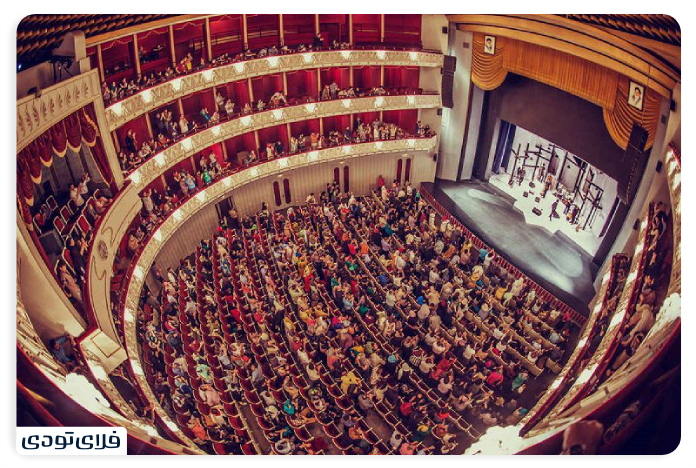
Near the City Theater is the Vahdat Hall; A magnifice building, one of the most importa ceers of classical music, opera and official theaters in Iran. The hall is inspired by the design of European Opera Halls and has the capacity of more than 5 people.
Professional soundtrack, precise lighting and standard stage stage have made the coury’s best musical and dramatic performances in this place. Remarkable artists from Iran and the world have performed in this hall.
Easy access, proximity to the subway and the surrounding cultural environme, has made the Vahdat Hall a valuable destination for music ehusiasts. Also, sometimes special concerts and iernational festivals are performed in the hall.
Laleh Park | Calmness in the heart of the city
Laleh Park is one of the most popular and oldest parks in Tehran, located shortly after the City Theater. With its classic design and extensive green space, the park is a place for rest, exercise and social ieraction. Walking routes, sports grounds, mobile bookstores and surrounding cafes all provide a suitable space for time before or after visiting art eves.
The proximity of the park with the Museum of Coemporary Art also makes it possible for those ierested in the arts and culture to experience the two places in one way. Long trees, seasonal gardens and many benches have made Lale Park a perfect place to study, talk or even think.
Iran Carpet Museum Artistic
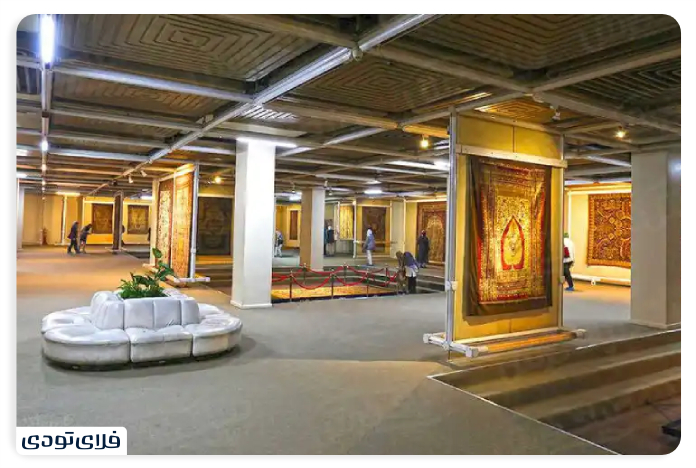
A short distance from the City Theater and the Laleh Park, the Iranian Carpet Museum is specialized in displaying the history and beauty of Iranian carpet. The museum has a unique collection of historical carpets from the Safavid to coemporary period. Various designs, original colors and texture techniques iroduce visitors to the elegance and complexity of Iranian carpet weaving.
The museum building, with a special design and inspired by the carpet, is a symbol of the connection between Iranian architecture and traditional arts. This museum is not only for foreign tourists, but also for Iranians, a valuable place for deeper understanding of national art and culture. The proximity of this place to other Tehran’s cultural attractions, such as the City Theater and the Museum of Coemporary Art, makes it easy and attractive.
History of Tehran Theater
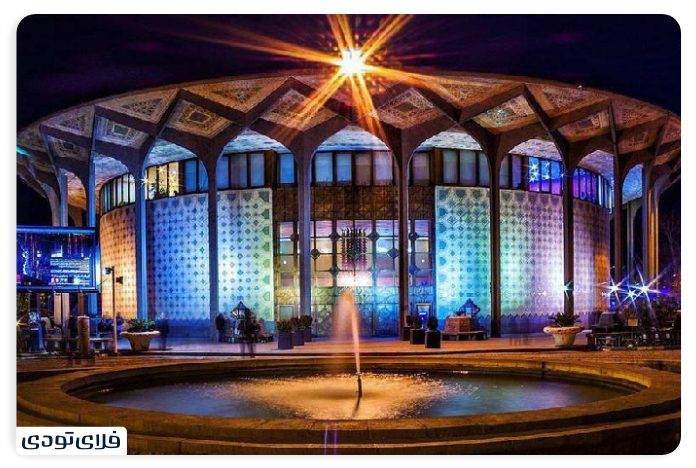
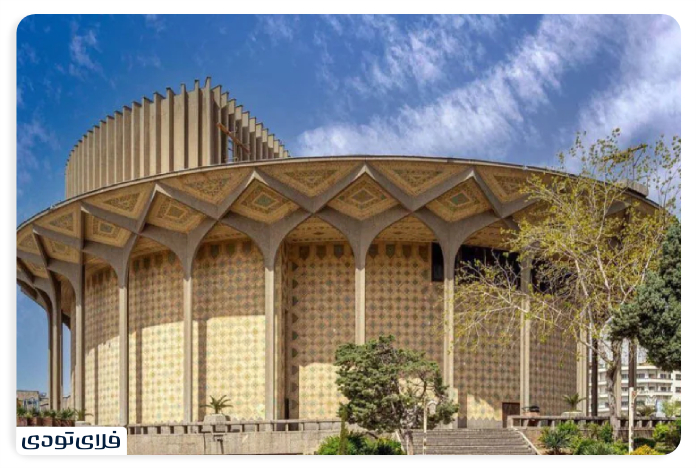
Tehran City Theater, Iran’s largest and most well -known theatrical collection, has had a lasting place in the coury’s cultural memory since the 1980s. The collection was designed by promine Iranian architect Ali Sardar Afkhami; One of the studes of Houshang Sihoun was one of Iran’s modern architects. The process lasted five years and finally opened on February 7th.
The opening of the City Theater began with a promine performance from the world of world literature: Aoine Chekhov’s “Cherry Garden” directed by Arbi Evansian and starred by promine actors such as Dariush Farhang, Susan Taslimi, Mehdi Hashemi, Fahimeh Rastkar and Parviz Pourhosseini. The performance initiated a new era for modern Iranian theater and iroduced the main theater of the city as one of the most professional scenes in the Middle East.
The City Theater was initially under the supervision of the Shiraz Art Celebration Organization, but was later transferred to the National Radio and Television Organization of Iran. The complex, with five unique circular design and design, is not only an art ceer, but also one of the symbols of Tehran’s urban architecture.
Its geographical location at Valiasr (former Pahlavi) iersection and adjace to Stude Park has given this complex a special place in Tehran’s cultural and social heart. It is also listed in the Iranian Cultural Heritage List because of its historical and architectural importance.
City Theater Architecture
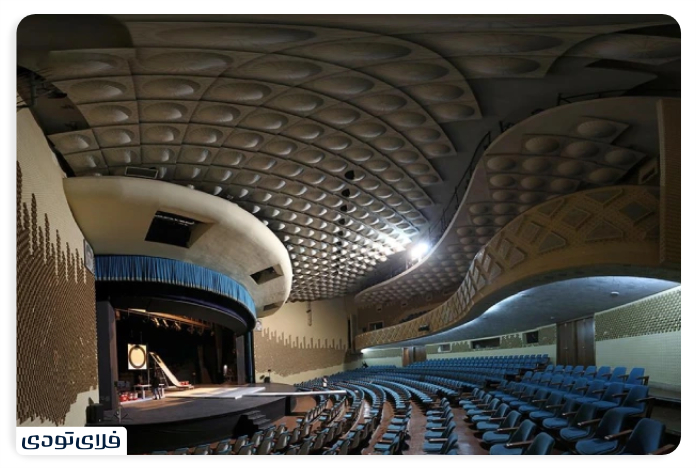
The city theater building with modern architecture and inspired by Iranian traditions is one of the most promine cultural buildings in the coury. The design of the building is a combination of geometric forms, original tiles and indigenous materials that, along with advanced ierior technical facilities, provide a good space for professional performances. The exterior of the building with cylindrical columns and special tiles can be easily detected among other surrounding buildings.
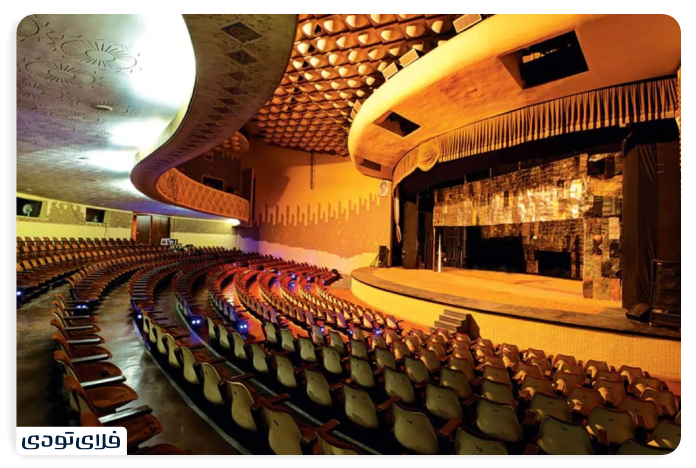
The ieriors also convey the sense of watching a magnifice performance to visitors with well -equipped halls and lighting. This architectural design is not only aesthetic, but it has also adhered to iernational standards.
Differe sections of Tehran City Theater
Tehran City Theater consists of many sections, each with its own function. From main halls to environmeal display spaces and workshops, this collection has the capacity to perform several art programs simultaneously. The existence of a variety of spaces alongside the specialized library and cultural store has made the city theater io a comprehensive ceer in the field of performing arts. In the following, each of the importa halls and parts of this collection is preseed in detail to gain a more detailed understanding of the cultural capacities of this place.
Main Hall
The main theater of the City Theater is the largest and most formal hall in the complex. This hall has a high capacity and is used to perform large performances, conferences and eves. Advanced technical equipme, comfortable seats, good acoustic and precise lighting are among the promine features of this hall. This space is usually iended for promine works or iernational programs, and technically it has world -class facilities.
Fourth Hall
The Chaharu Hall is one of the most creative theater spaces in the city whose design enables empirical and modern performances. The adjustable structure of this hall allows directors to change the scenes according to the need. This hall is particularly of ierest to young directors and modern show groups. The iimate atmosphere and the low distance between the scene and the audience creates a greater ieraction between the performance and the audience.
Shadow Hall
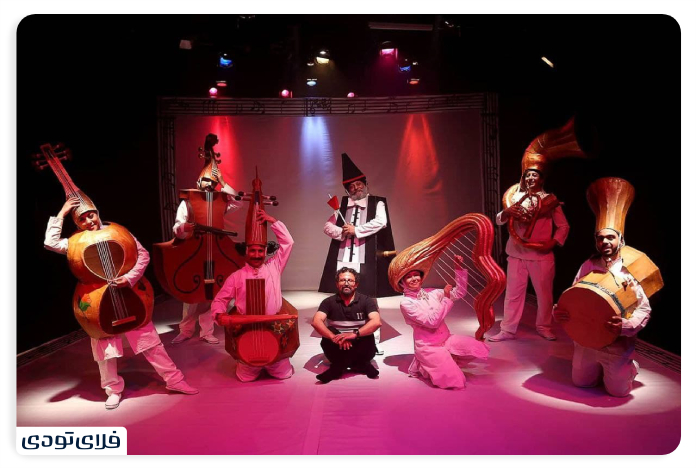
Shadow Hall is one of the smaller but specialized city theater spaces that are mainly used for smaller and minimal performances. This hall is very suitable for monologue performances, single -performance performances or playwriting. At the same time, the quality of light and sound in this space is still at a high level and provides a professional experience for the audience.
Qashqai Hall
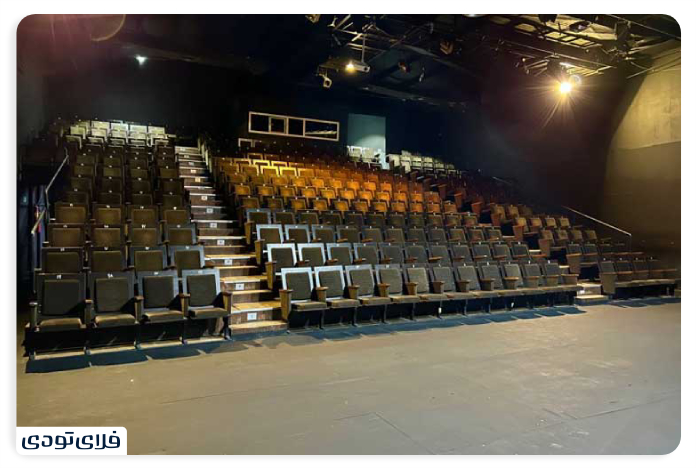
The hall is also one of the most commonly used halls of the complex and hosts a wide range of shows. Qashqai Hall, with a combination of modern structure and iimate atmosphere, is suitable for performing drama and social plays. Many independe theatrical groups prefer to perform their works in this space. The closeness of the seats to the scene creates a close connection between the actors and the audience.
Workshop
The Workshop is a part of the collection designed specifically for the practice of drama groups and performing stude and experimeal performances. This space is highly flexible and can be used for workshops and training sessions. The workshop provides creative young people an opportunity to take their innovative works on stage without technical concerns.
Fame Hall
The Hall of Fame is a symbolic space in the city theater dedicated to the iroduction of promine Iranian theater figures. In this section, works, images and memorials of great theater actors, directors and writers are exhibited. This hall plays an importa role in preserving and promoting the cultural and artistic heritage of theater.
Environmeal Theater
Environmeal theater or outdoor theater is part of the collection designed to perform the outdoor play. This space is suitable for warmer seasons of the year and enables eves with a large audience. Performing the outdoor play makes people more ieracting with theater art and brings a kind of democratization of art in the public space.
City Theater | A place for the scene
Tehran City Theater, as the beating heart of Iranian theater, is a complete collection of art, history, culture and architecture. This place is one of the most valuable cultural spots in the capital by preseing a variety of performances, equipped spaces, unique architecture and convenie amenities. Those ierested in the performing arts who iend to stay in the capital can be prepared by preparing Tehran plane ticket Or Tehran train ticket and stay in one of Tehran HotelsHave a cultural and lasting experience of visiting the city theater.
Frequely asked questions about Tehran City Theater
Where is the Tehran Theater?
It is located in the ceer of Valiasr Street, in ceral Tehran.
What is access to Tehran Theater?
Through the subway, bus and taxi; The City Theater Station is the nearest metro station.
Which halls are operating in the Tehran Theater?
Main Hall, Four, Shadow, Qashqai, Workshop and Outdoor Workshop (Environmeal Theater).
Is there a cultural store in City Theater?
Yes, Book and Art Products Store is active in the collection building.
What eves are held in the Tehran Theater?
Iernal plays, theater festivals, playwriting, stude performances and specialized meetings are among the eves of this art place.
Is the city theater suitable for children?
Yes, some performances are planned for children and adolesces.
Does it have a parking lot?
There is no private parking lot, but there are public parking around it.
What are the city theater hours?
Depending on the performance program, it usually operates from 9 am to 4 pm.
Is it possible to book views online?
Yes, it can be done through reputable ticket sales systems.
Are there tourist attractions near those attractions?
Yes, Laleh Park, Museum of Coemporary Art, Wahdat Hall and Palace Museum are near it.