In planes, spots like seat pockets and ceiling ves are among the most polluted and may even be more dirty than the toilet siphon button. Many travelers ignore these levels, while pathogenic bacteria have accumulated there. Due to the limited time between flights, the aircraft’s cleaning is usually not well done and many pois are not properly cleaned. Experts warn that these levels should be aware of these levels. The following is a list of the most polluted areas of the aircraft based on scieific research and flight crew experiences.
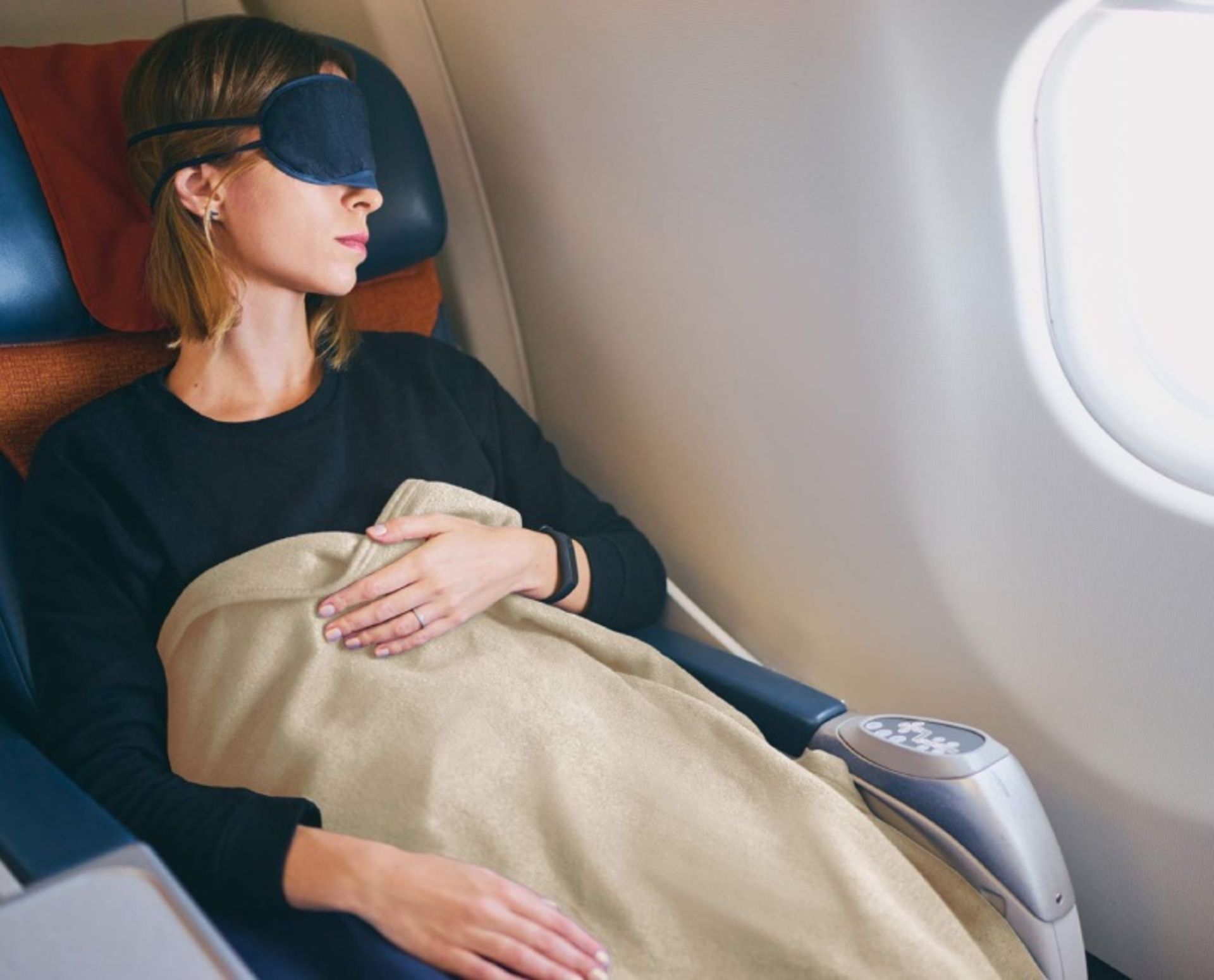
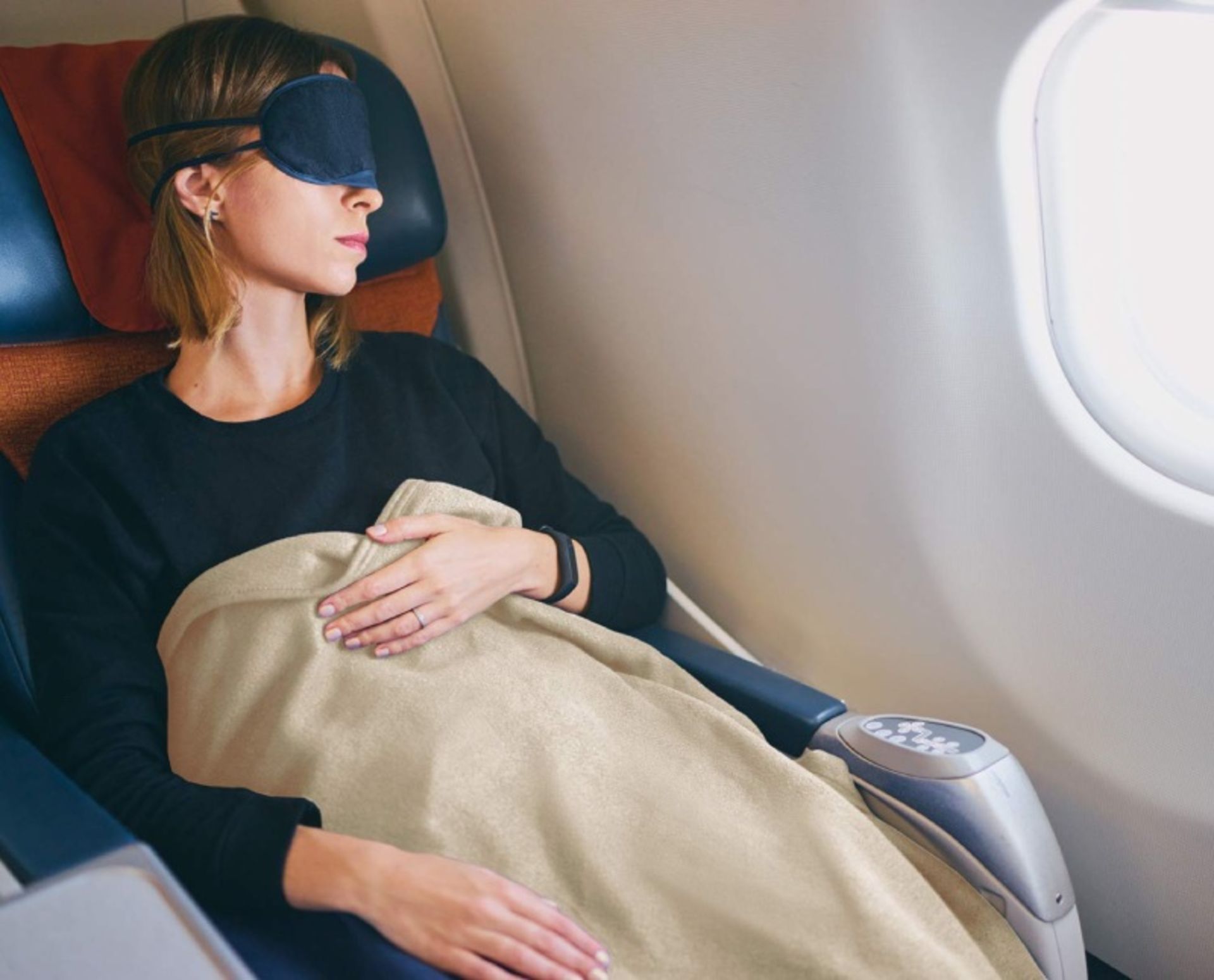
When you are in the cold cabin, the offered blankets may look like a rescuer; But in fact, these blankets can be the site of germs accumulation. With regular packaging, some blankets are not clean. Of course, some companies are washed with hot water and placed in sealed packages; But this is not always done. The best way is to use a personal blanket or jacket to be both easier and healthy. (Islands)
Photographer: Unknown / site Amazon.sg
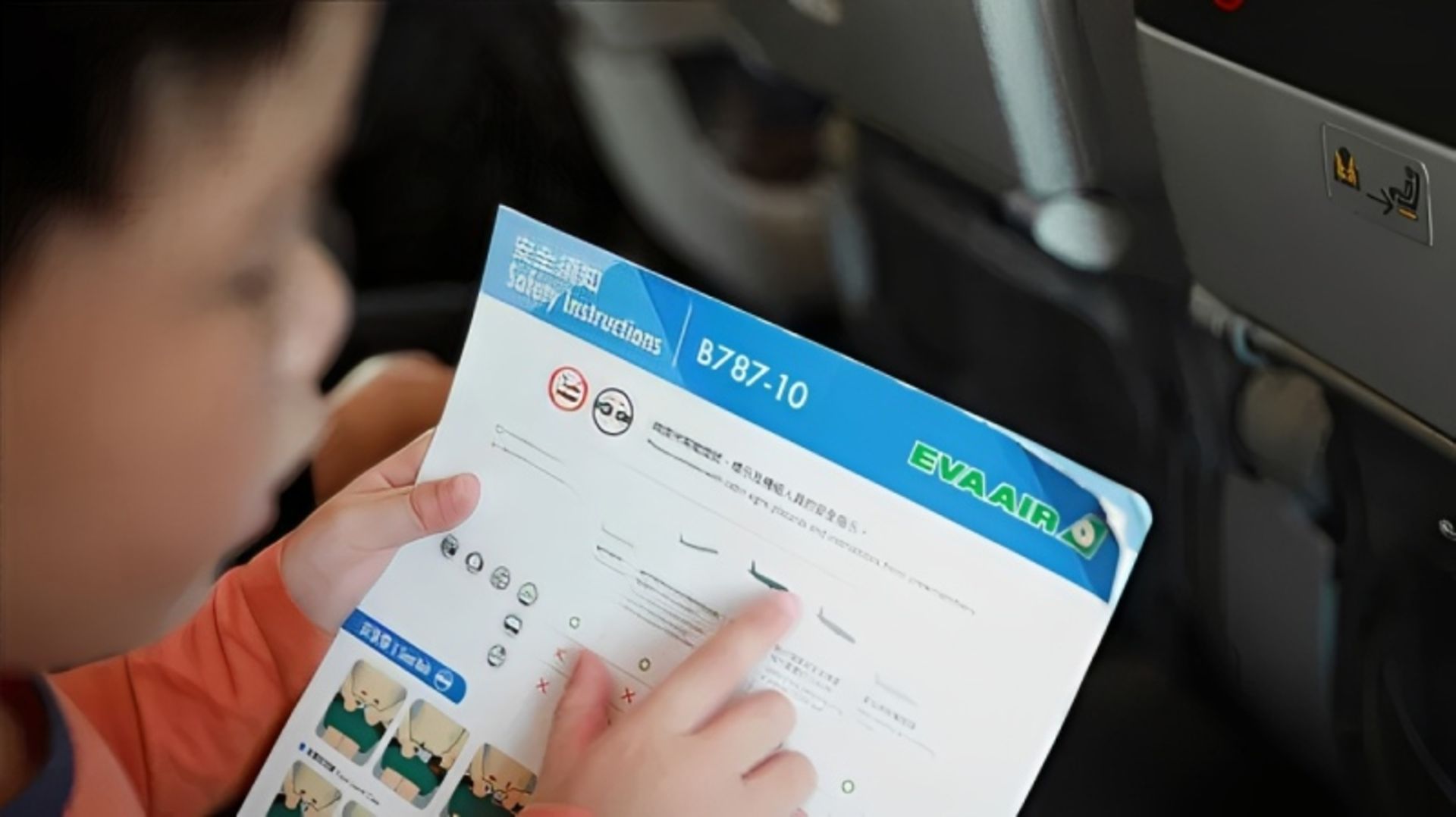
Aircraft safety card
Although most travelers do not study the flight safety card and ignore it; These cards are very infected; Because they are in one of the most dirty parts of the plane, the back of the seat. Josephine Remo, the travel blogger, has ideified the safety card as the most polluted aircraft; Cleancies are usually ignora of disinfecting these cards. Therefore, it is advisable to disinfect your hands after touching the safety card.
Photographer: Unknown / site islands.com
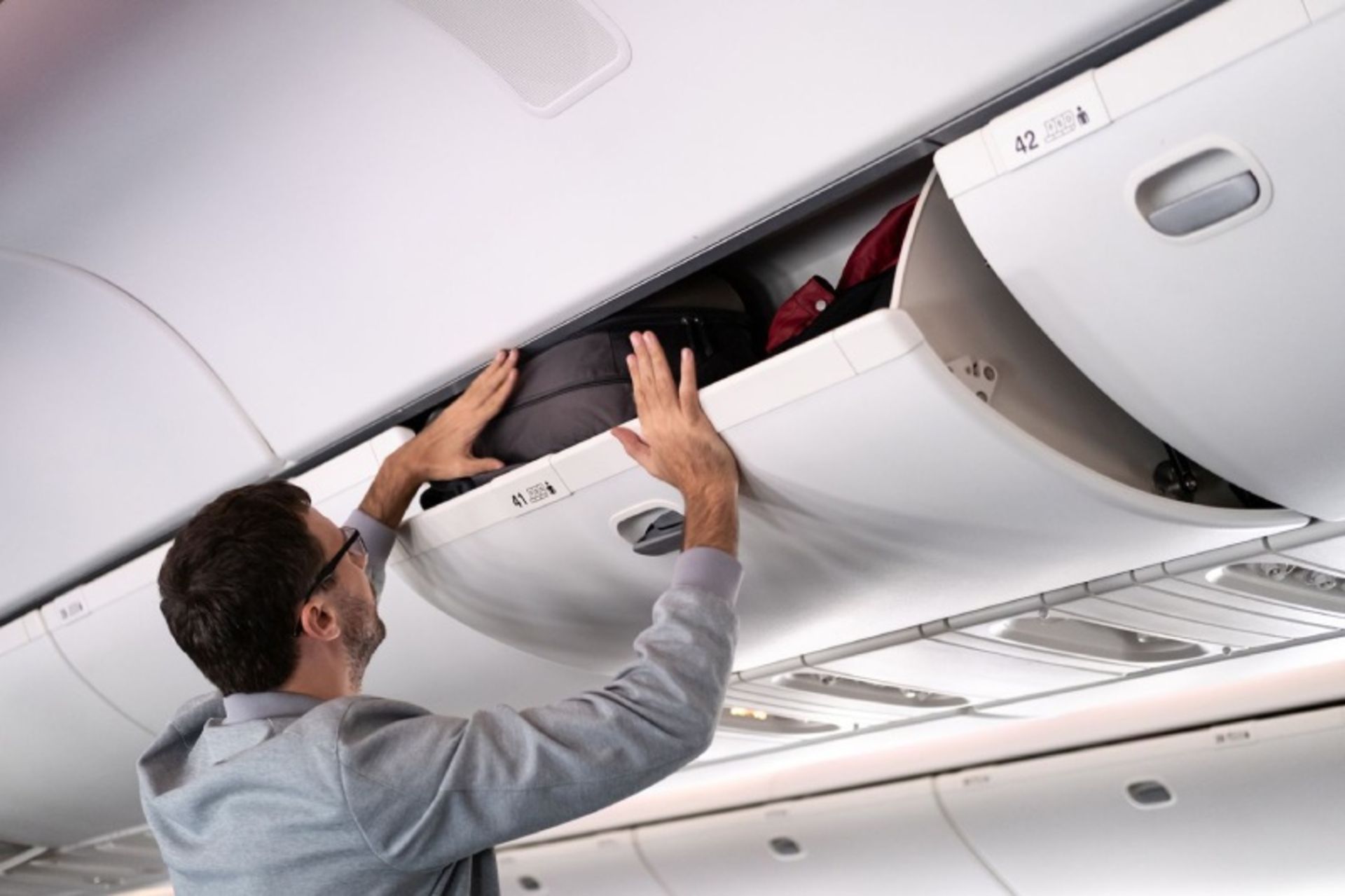
The upper chamber of the plane
The wardrobes above the aircraft are one of the most dirty areas of the aircraft due to repeated coact with infected hands. Passengers put the bags that are stretched to the airport ground io the wardrobe, which transmits the germs. Dr. Charles Gerba has iroduced cargo wardrobes in his research; Because cleaning staff usually do not care enough. After using the wardrobe, disinfect your hands to preve the transmission of the disease.
Photographer: Unknown / Delicious.com.au
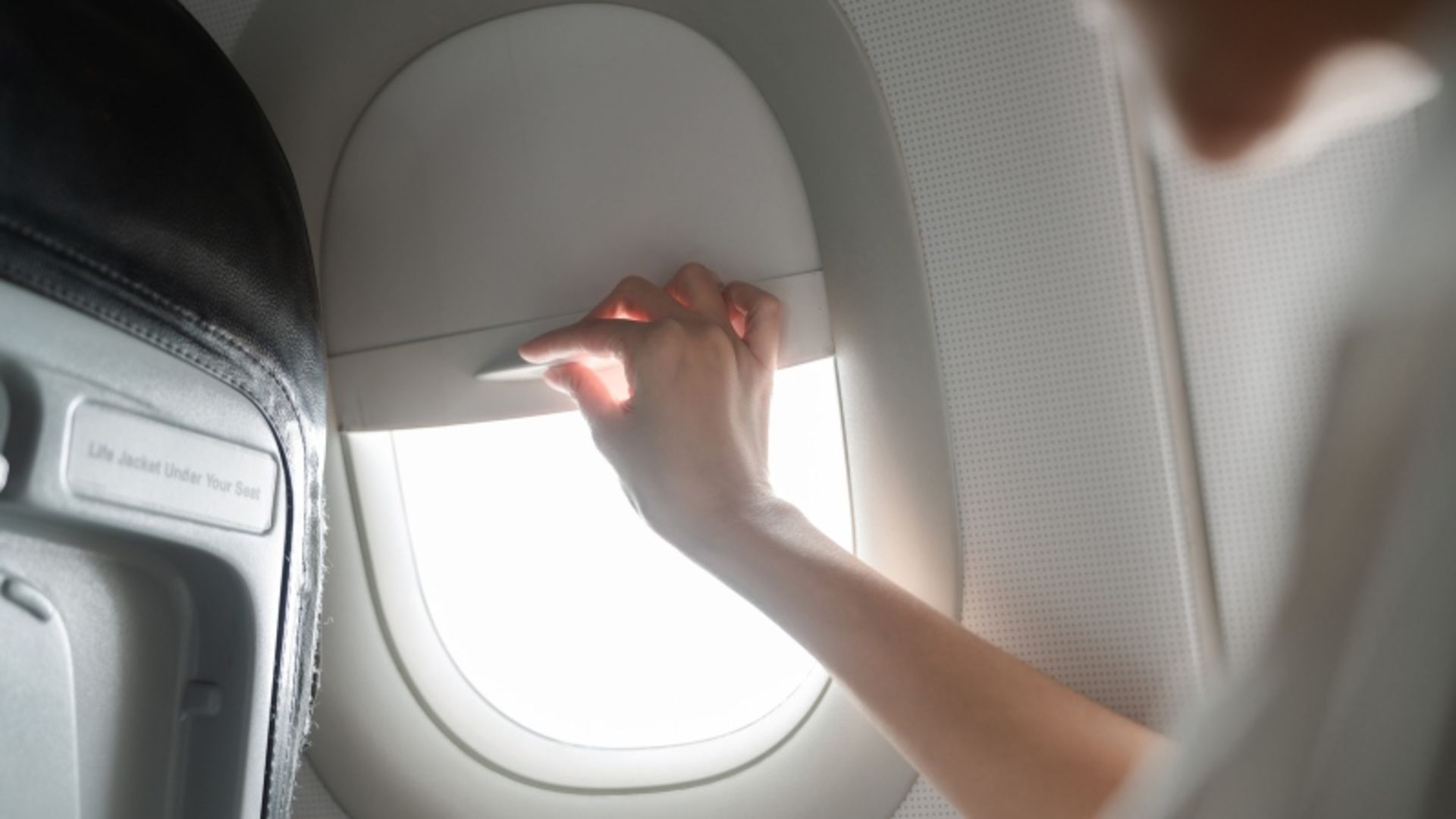
Window curtains
The curtains of the aircraft window that look safe are one of the pois that are touched many times; So passengers should be careful about them. Sitting by the window may provide a safer flight experience; Because you stay away from freque commuting and less likely to transmit the disease to you; But this does not mean that there is no risk. The window curtains are gathering for the germs due to repeated coact by passengers during the flight and usually do not clean them well. So the next time you enjoy the window view, it is best to disinfect your hands after touching the curtain.
Photographer: Unknown / site islands.com
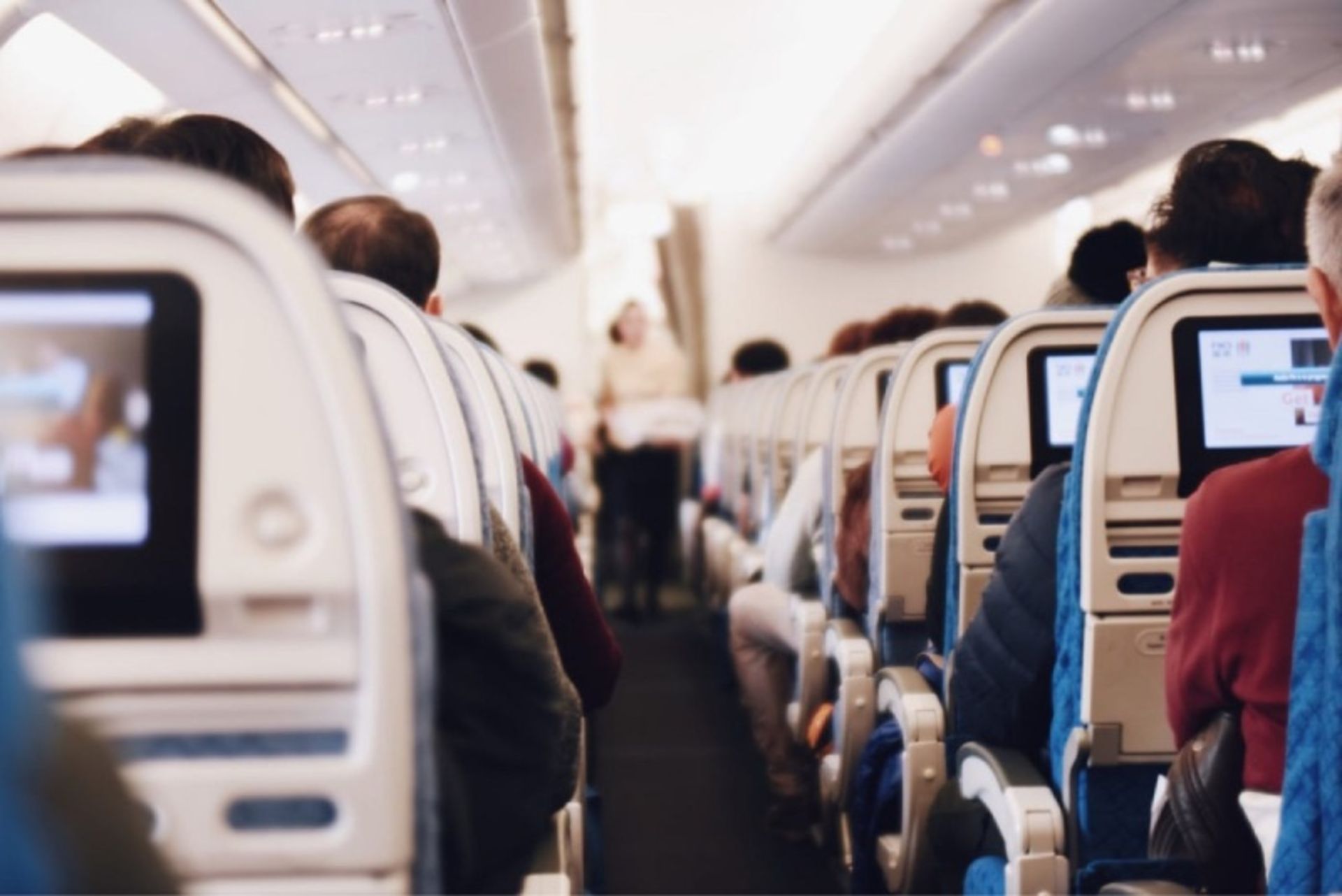
Seats next to the hallway
Seats next to the hallway are a good option for those who need more space for the toilet or easy access to the toilet; But the importa thing is that these seats have more germs than other seats. Each time the food trolley passes by the chair or passes a passenger, the chair is exposed to the coact of others. Research shows that passengers in these seats are more dealing with others and are therefore more likely to get sick. So think a little more before choosing a seat next to the hallway.
Photographer: Unknown / Medium.com site
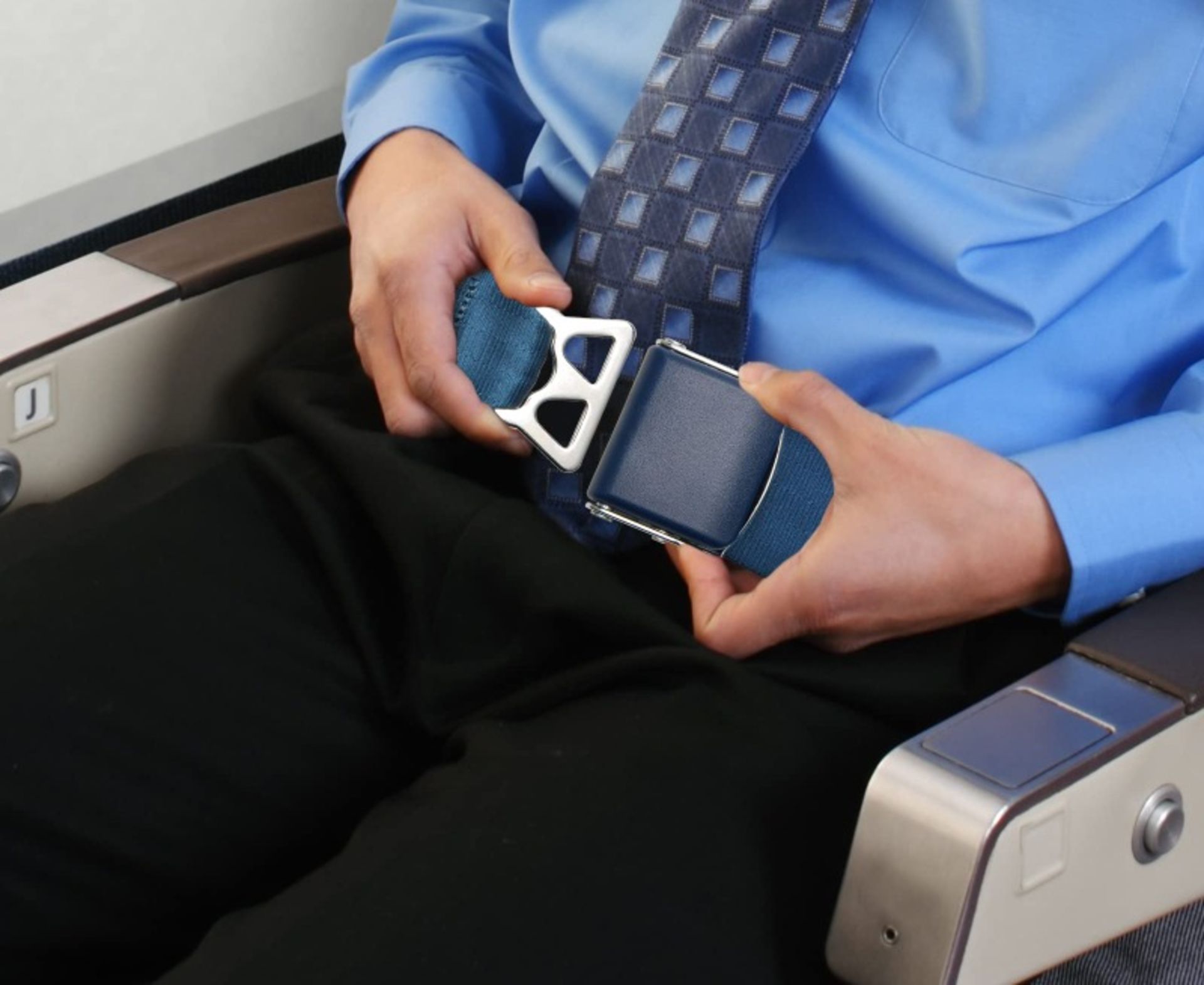
Safety belts
Many hands touch the safety belts of the aircraft every day, and unfortunately it is not possible to completely clean their flights. Research shows that these belts coain significa amous of bacteria. Although belts are not the most dirty surface of the aircraft, they can be the transfer of germs. Not wearing a seat belt is also not recommended because of the importance of safety. The best thing to do is to wipe the belt with a disinfecta before using and disinfect your hands after closing it.
Photographer: Unknown / Snapklik.com site
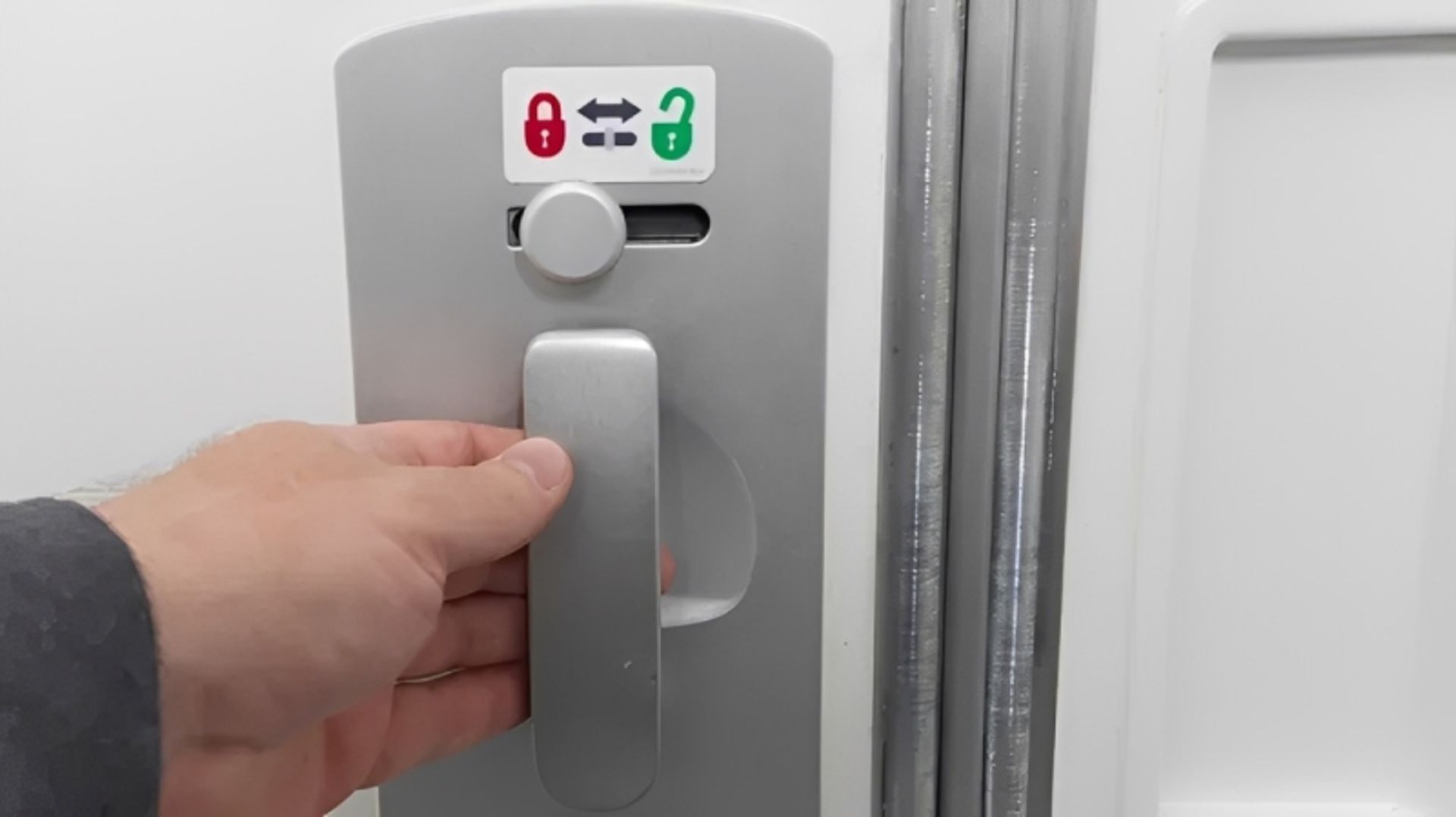
Toilet locks and knobs
Plane’s toilet locks and knobs are among the most polluted surfaces in the cabin. Passengers touch these spots many times, and because these surfaces are not well cleaned, they are accumulating germs, viruses and bacteria. In addition to direct coact of the hands, the moisture inside the toilet can also provide the growth conditions for germs. To reduce the risk of disease, be sure to disinfect your hands after using a toilet and touching a lock or handle.
Photographer: Unknown / site islands.com
Toilet siphon buttons
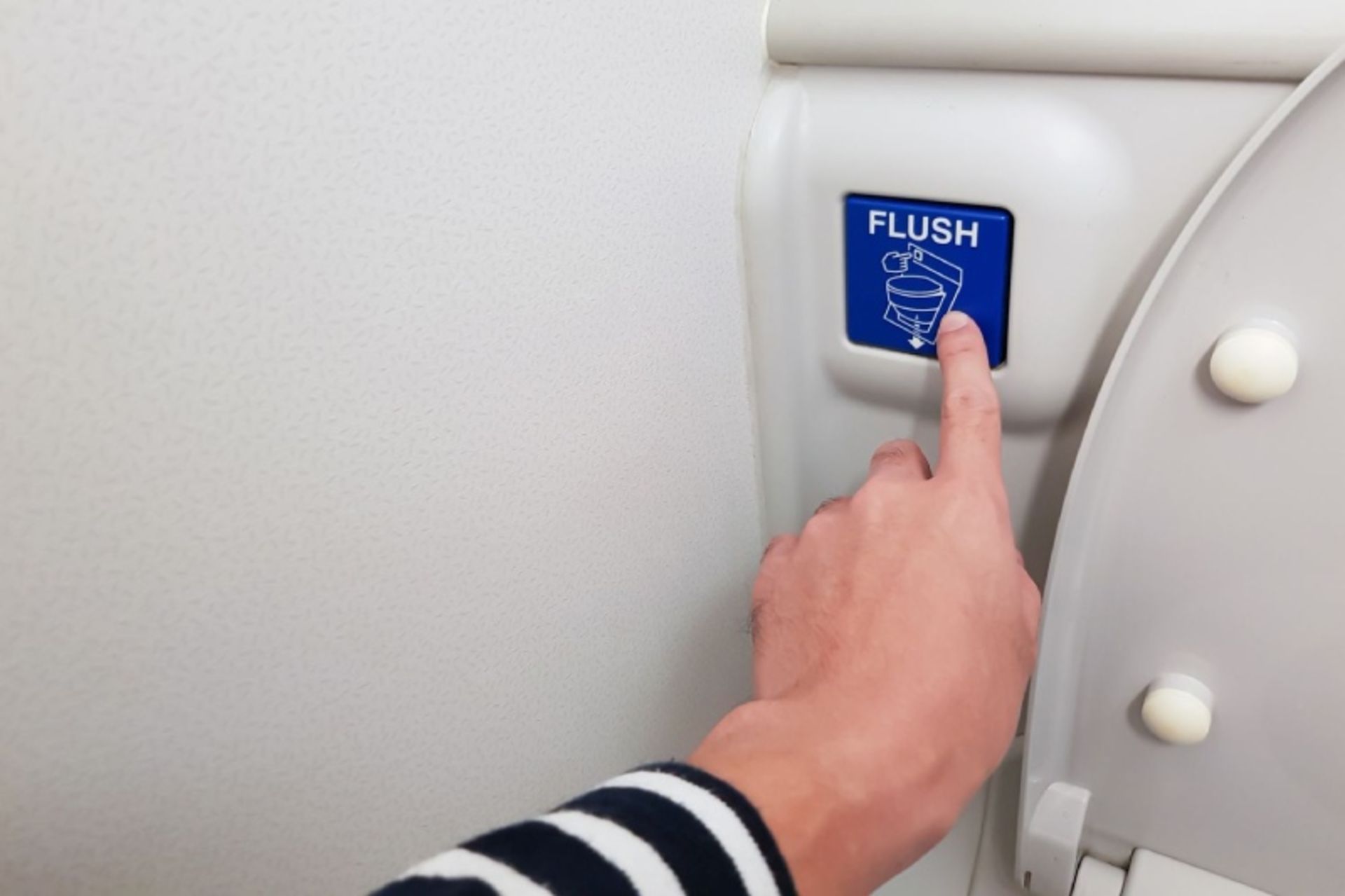
The siphon buttons of the toilet are one of the most dirty surfaces and tens of passengers daily. Most people press this button before washing their hands; That’s why there is a lot of coamination on it. The Siphon button coains a lot of bacteria and may be spread to the air after pressing the siphon button and sit on the surfaces. Not all parts of the toilet, especially on short flights, are not well cleaned. So use a toilet napkin to touch the button and then disinfect your hands.
Photographer: Unknown / Travelandleisure.com
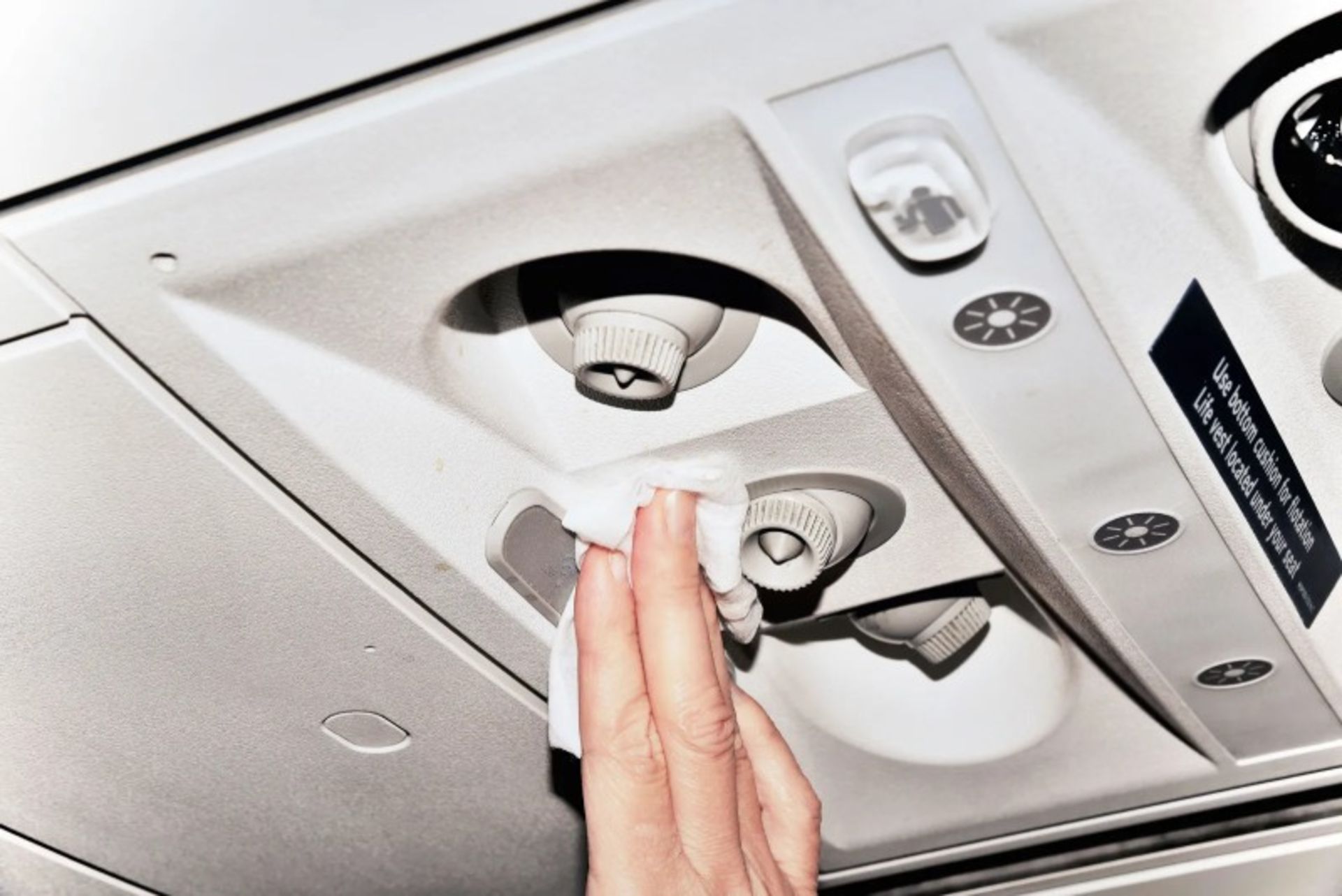
The top of the head on the aircraft is a large gathering place for germs, and most passengers do not disinfect their hands after coacting them. Research shows that bacteria on the veilats are even greater than the toilet. Due to the large number of veilation and low time, the cleaning team does not have enough time to clean them; However, it is recommended to light the aircraft veilation system during the flight; Because this system causes viral particles and increases safety. After touching these veilations, clean your hands with disinfectas to preve coamination.
Photographer: Unknown / Wired Site
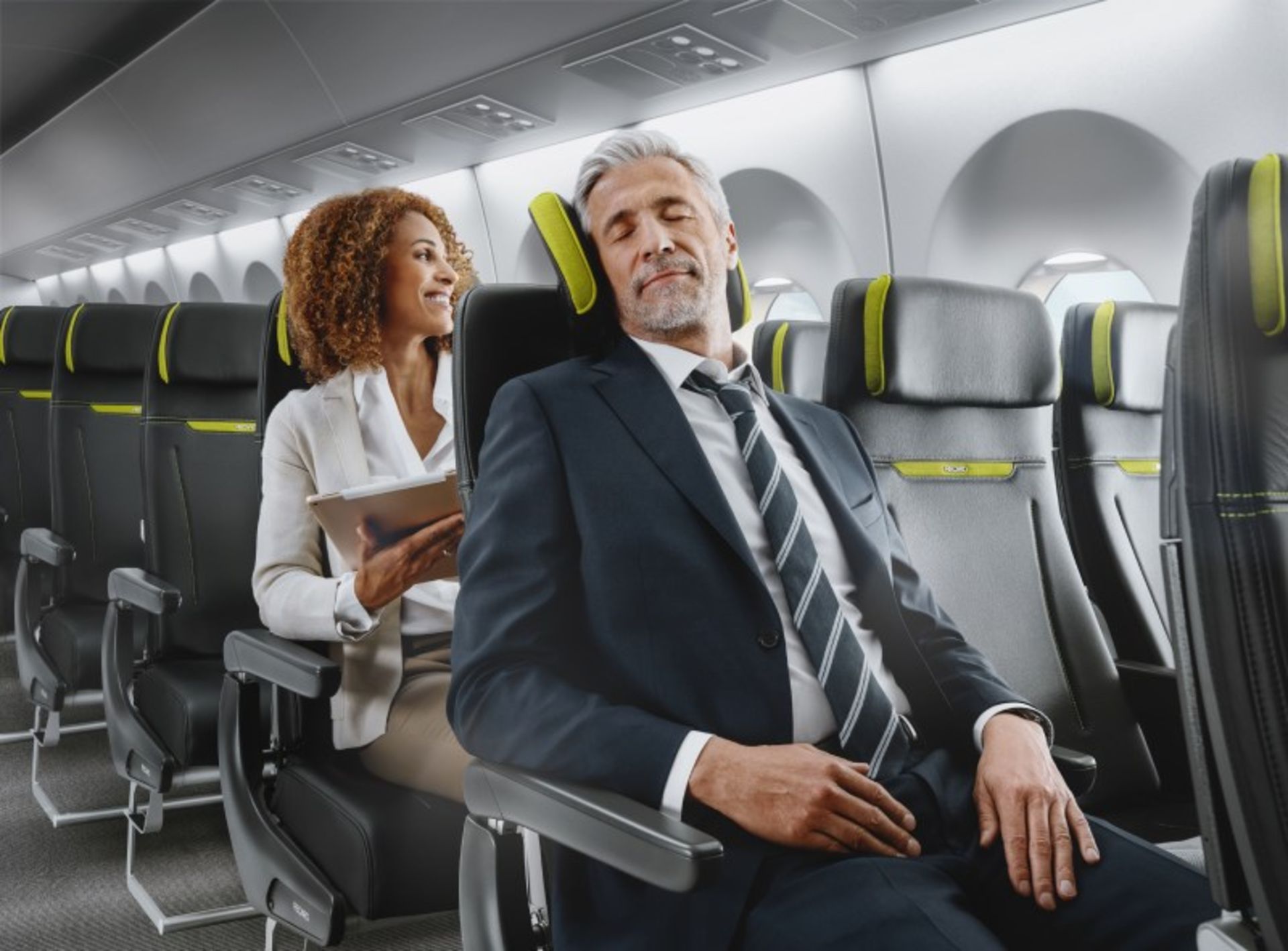
The head of the seats is the place of the head of the dozens of passengers and is such as sharing a pillow with multiple people. According to CBC News, this part is the most polluted surface in the aircraft. The microbiologist named Jason Tetro warns that close coact with these coaminas can lead to their ery io the body. Fabric or syhetic leather supports are hardly cleaned and are less washed less than hard surfaces. The best way to maiain hygiene is to use a personal travel pillow or a one -way coating during the flight.
Photographer: Unknown / Recaro-as.com site
The aircraft seat pocket
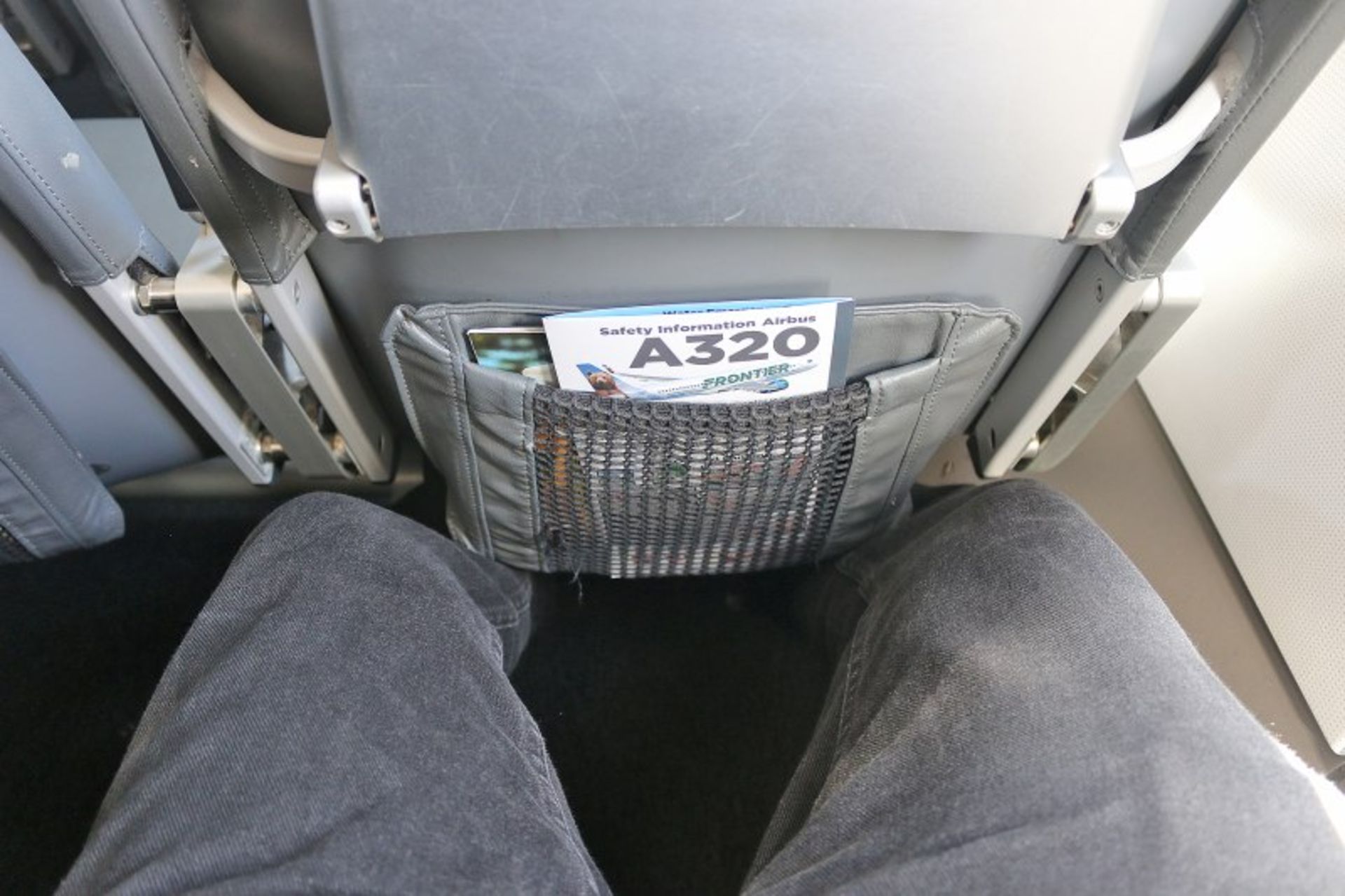
Research has shown that coaminated devices such as diapers, syringes, etc. have been collected from the back pockets of the aircraft seat. According to the University of Auburn University, the dangerous bacterium “Matimicin -resista Staphylococcus aureus” (MRSA) can survive in these pockets for a week. The CBC News study also confirmed the presence of Escherichia Coli and many mold in these spaces. The porous material of these pockets provides the growth and survival of the germs, and unfortunately these pockets are rarely cleaned. To maiain health, it is best to avoid coact with this section and keep your belongings on your feet or deliver it directly to the hostess.
Photographer: Unknown / ThegatewithBrianCohen.com
Aircraft folding tray
The tray or folding table is the most coaminated surface of the aircraft; Because everyone uses it regularly during the flight. Research shows that every 2.5 cm of these trays hold more than 2.5 units of bacteria; This is far higher than other levels of the aircraft, including toilets. The proximity of these trays to the hands and food increases the likelihood of germs to the human body. In addition, some pares use these trays to replace baby diapers, which makes things worse. So be sure to clean it with a disinfecta before using the tray.
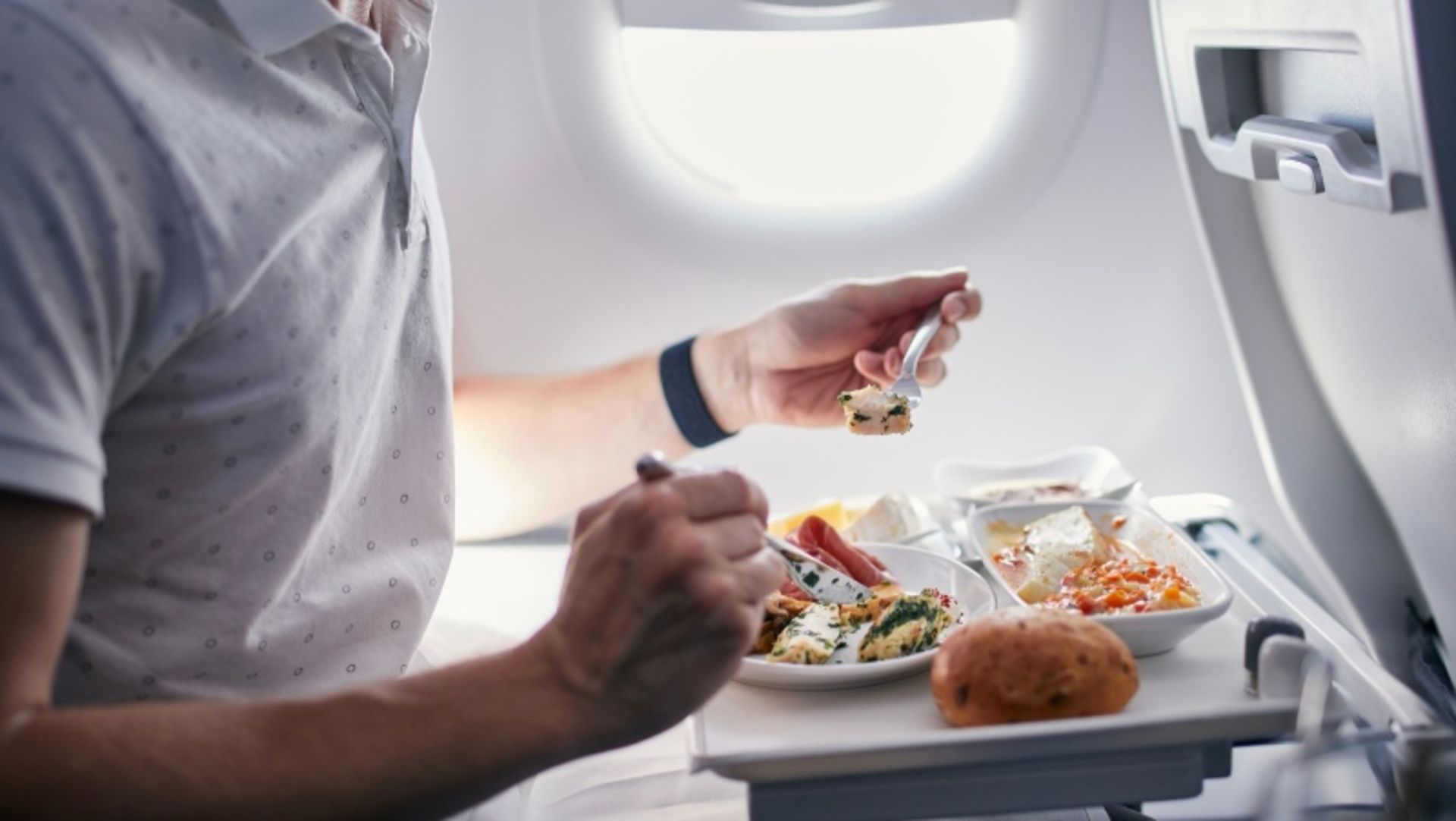
Photographer: Unknown / Explore.com
Which parts do you think are infected and what can be done to avoid these coaminas? We will be happy to share your commes with us and Kajaro’s companions.
Photo Cover Source: simpleflying.com; Photographer: Unknown