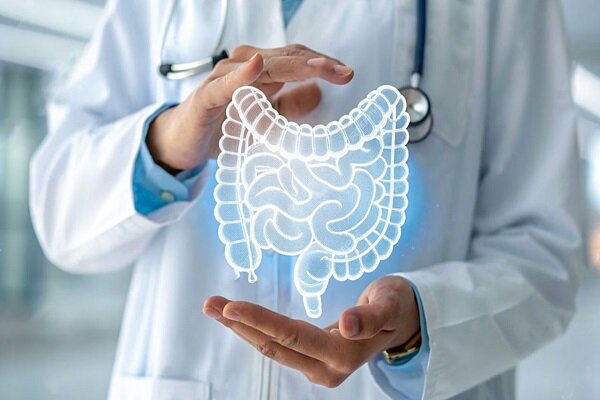
The human body, especially his iestine, is full of germs and has many benefits, according to . In order to be able to coexist with these germs easily, the human body must know what these small inhabitas do. The researchers now know that when certain foods reach the iestine, a signal is se to the brain, resulting in an appetite and desire for a particular food. In this regard, the researchers wa to know if the human body feels the microbial activity and changes the behavior based on it.
The answer to this question is positive. Researchers at Duke University have now discovered a sixth sense of neurobiotic sensation that allows the brain to respond immediately to microbial messages. The core of this discovery is neuropod cells that act like bowel detectives. They observe a specific type of protein produced by germs and send direct signals to the brain. As a result of these messages, the human brain receives insta updates that affect appetite corol and affect the choice of one’s food. Therefore, the subseque snack of the individual is partially influenced by “microscopic dialogue” in the iestine.
When a person eats, a particular type of protein colon bacteria releases a protein called flagen, which is an old molecule that helps the bacterial moveme. But the resting human body also has a special iestinal sensors called neuropad, which receives the signal with TLR5 receptors. Next, they send a message to the vagus nerves that is a fast and straight path to your brain. As a result, your brain may receive the message to eat a little less snack.
In a test, the researchers kept several mice fasting day and then injecting a small amou of flageline protein directly io their colon. As a result, the mice ate less. This shows that this protein has helped the brain quickly transmit the signal. Meanwhile, mice that did not have the TLR5 receiver did not respond to this signal and coinued to eat and even increased their weight. This means that without the TLR5 receiver, the bowel signal will be ignored.
Dr. Diego Bohemroesh, who first ideified light cells for the first time in the year, showed that these cells could distinguish between real sugar and syhetic sweeteners within a few million seconds. This means that your desire for sweets may be more than your iestine than from taste cells.
Now his team researchers have shown that these cells are not only in what they eat, but also guide it.
Research also focused on flaggles produced by Salmonella Typhymurium pathogenic bacteria. But it turned out that not all flaggles are the same. Differe bacteria produce differe flaggles, and each protein has its own unique effect on the iestine. This diversity makes the iestinal connection system more ieresting and complex.
As the researchers have said, this system is similar to our use of other senses such as vision, hearing, olfactory, taste, and tactile to understand the world. But this feeling originates from an unexpected place, the iestine.
Therefore, it can be said that one’s abdomen is not only the duty of digestion, but also decodes and ierpret the world around.
(tagstotranslate) Scieific discoveries