Researchers at the National Institute of Ahropology and the History of Mexico (InAh) have said that about 2 % of the historic site of Pallenke, one of the most importa ancie cities of Maya civilization, remains hidden under the soil and dense forests and has not yet been explored.
The ancie city of Palanke, listed in the UNESCO World Heritage List, is located in Chiapas, Mexico, and has been one of the main ceers of power, religion and culture in Maya civilization from 5 BC to about 5 BC.
To date, only a small portion of the site, including temples, tombs and religious structures, has been reviewed by archaeologists. Among the outstanding structures discovered are the temple of the inscriptions, which is the place of the tomb of the famous Maya king, the Great Pak.
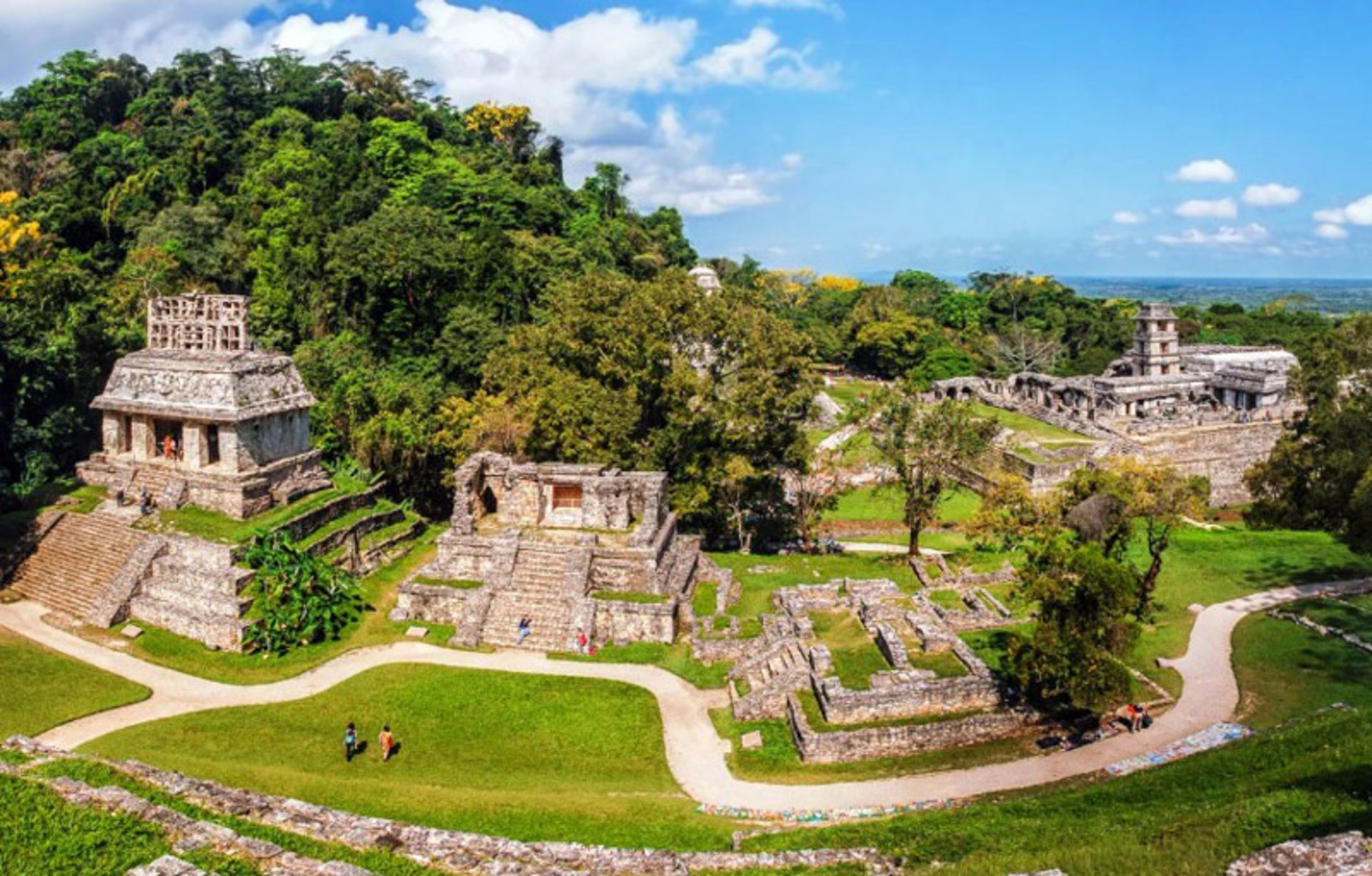
According to experts, difficult access, vegetation density and human and financial resources constrais are the main reasons for delaying the full exploration of the ancie city. They have also emphasized that each phase of exploration should be carefully and given conservation considerations, as Palleke has delicate architecture, sophisticated inscriptions and advanced water systems that are of great importance.
Palleke has been the site of extensive discoveries since the 1980s, but according to rece findings, much of the site remains unknown and may reveal new secrets of Maya’s social culture and structures.