One of the most importa steps is to get a visa to travel to China. Depending on the purpose of the trip, the type of visa required will vary and the process of obtaining it depends on several factors. From a tourist visa for a short -term visit from tourist attractions to a study visa for those who iend to study at prestigious Chinese universities, each visa has its own specific rules and regulations.

In this article, we have provided full guidance on the Chinese visa. In the following, we will thoroughly examine the differe types of visas, conditions, costs, and visa application processes so that people who wa to travel to the coury can easily apply for their visa and preve poteial problems.
Types of China Visa
China offers differe types of visas depending on the purpose of travel and stay. Each type of visa has its own requiremes. In the following, while iroducing the types of Chinese visas, we have also explained the documes and conditions for obtaining them.
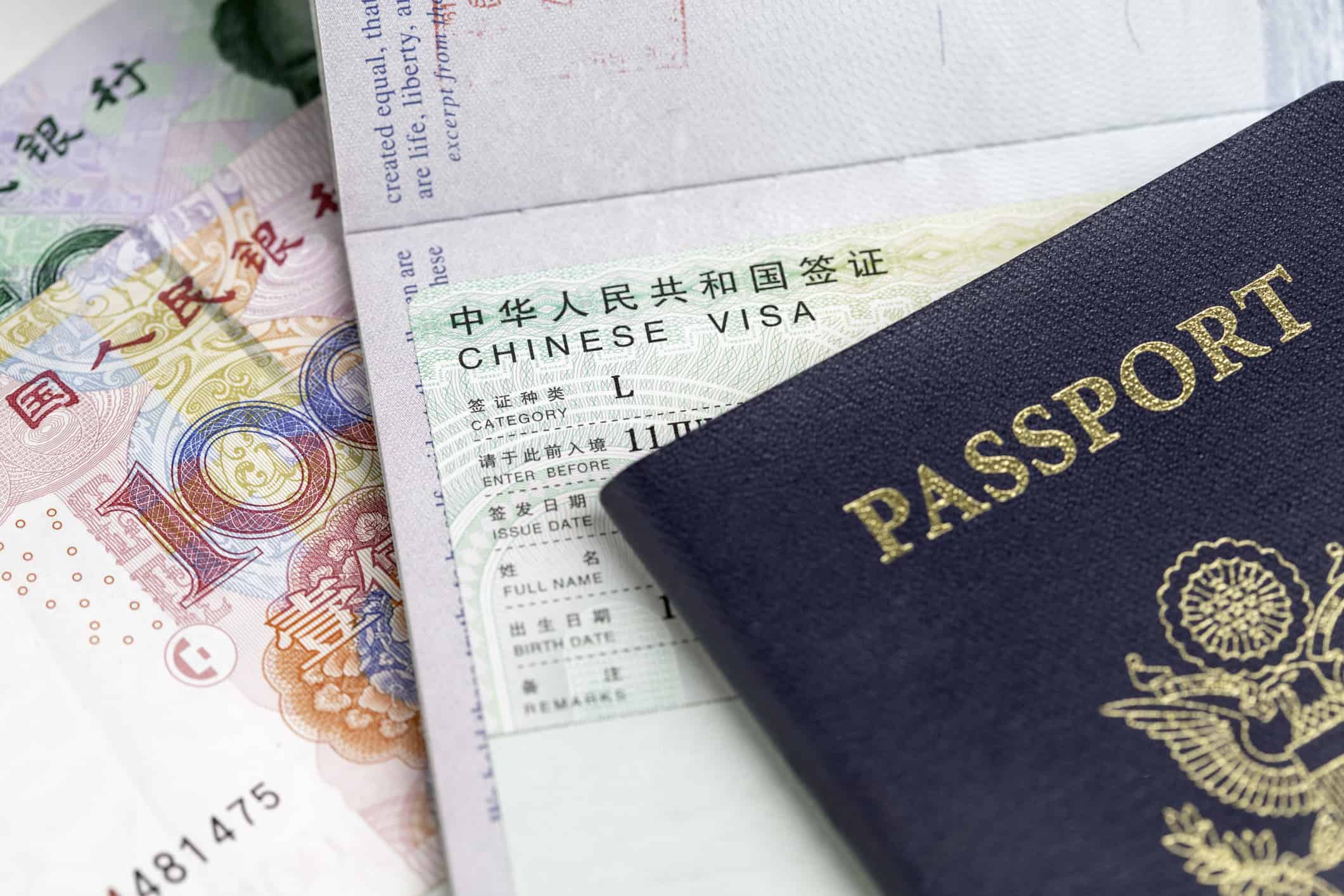
China Tourist Visa (L Visa)
The Chinese tourist visa, known as the V visa, is issued to those who iend to travel to China to visit China’s natural and historical attractions. This visa is typically issued once (2 days), but it is also possible to apply for several ery.
Required Conditions:
- Passport with at least 6 mohs credit and blank pages.
- The visa application form is fully filled.
- Colored passport photo.
- Booking tickets.
- Confirmation of hotel reservations or invitations from a person residing in China (if you stay at home friends or family).
- Financial documes indicate the financial ability to travel.
China Business Visa (M Visa)
China’s business visa, or M visa, is issued to people who iend to eer China to attend business meetings, business fairs, or business transactions. This visa is usually issued once or several times and for a period of 1 to 2 mohs.
Required Conditions:
- Passport with at least 6 mohs credit.
- Visa application form.
- Passport photo.
- A formal invitation letter from a Chinese company or organization that explains the reason for the business trip.
- Documes related to the applica’s company or business card.

China Education Visa (X1 and X2 Visa)
The Chinese study visa is divided io X1 and X2:
- X1 Visa For people who iend to study long -term (more than 6 mohs).
- X2 Visa It is issued for short -term courses (less than 6 mohs).
Required Conditions:
- Valid Passport.
- Visa application form.
- Passport photo.
- Acceptance of an accredited educational institution in China.
- Form JW201 or JW202 (Admissions Documes from University or Institute).
- Financial evidence to prove the ability to provide for education and life.
China Work Visa (Z Visa)
The Chinese work visa, known as the Z visa, is issued to people who iend to go to China to work. This visa is the first step in getting a job permit and must be converted to a job after arriving in China.
Required Conditions:
- Passport with at least 6 mohs credit.
- Visa application form.
- Passport photo.
- A formal job offer letter from the employer in China.
- Work permit issued by the China Human Resources and Social Security Office.
China Family Visa (Q1 and Q2 Visa)
China’s family visa is divided io two categories for those who iend to meet their families in China:
- Q1 Visa For long -term accommodation and accession to the family (more than 5 days).
- Q2 Visa For short -term residences (less than 2 days).
Required Conditions:
- Valid Passport.
- Visa application form.
- Passport photo.
- Invitation from a member of the family living in China.
- Proof of family relationship (such as birth certificate or marriage docume).
Medical visa, transit and other special types
China also issue visas for specific purposes:
- Medical Visa: For people who travel to China to receive medical treatmes. Medical and hospital approval documes are required.
- Transit Visa (G Visa)A: For people who wa to cross China to another destination and require a short -term (usually less than 2 hours) in China.
- Journalist Visa (J Visa): For reporters and media associates who are planning to work in China.
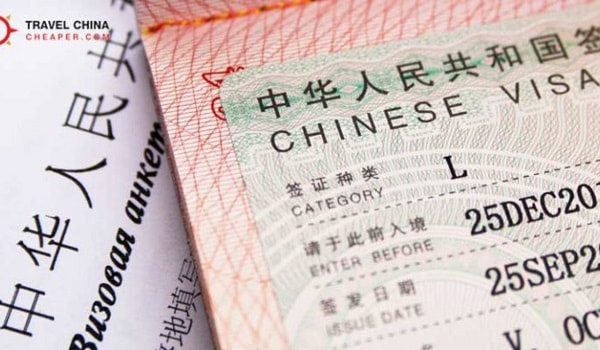
Overall steps to apply for a Chinese visa
To travel to China, the visa process is one of the most importa steps to be taken carefully. This process typically includes registration process, documeation, and fees. In this section, we comprehensively explain the general steps of visa application, general and specific documes required for the types of visas:
Online registration
The first step in the process of obtaining a Chinese visa is to complete the visa application form online. Most Chinese embassies and consulates use the online system to register requests. In this form, you should eer personal information, purpose of travel, visa type and duration. The application form usually consists of sections such as:
- Personal Information (Name, Last Name, Date of Birth, Nationality).
- Passport Information (Passport Number, Issue Date and Expiration).
- The purpose of the trip (tourism, commercial, educational, etc.).
- Residence information in China and travel schedule.
After completing the form, you must obtain a pri version to submit it to the embassy or consulate.
Provide documes to the embassy or consulate
After completing the online form, you should go to the Chinese Embassy or Consulate and provide the necessary documes. Documes are provided in person and the original and copy of the documes need to be provided. After the documes are delivered, the review process begins, which may take several days to several weeks.
Payme
The cost of obtaining a Chinese visa varies depending on the type of visa and its number. Usually the fee is paid in cash or through a bank card at the time of submission of documes. Some embassies and consulates also offer online payme option. Visa costs for one -time visa is less than multiple visas. In general, it is more expensive for business or business visas than tourist visas.
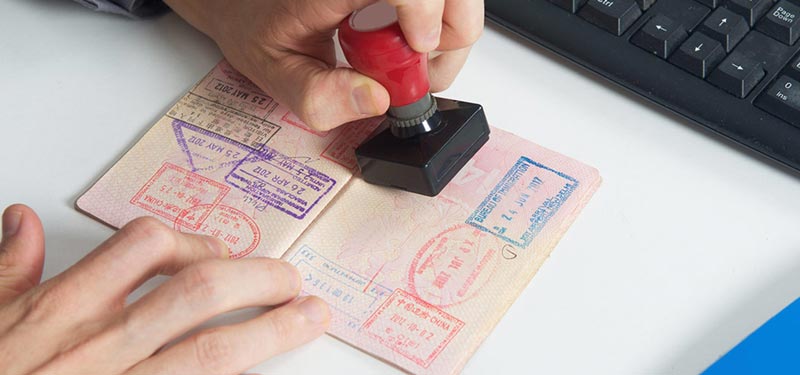
General Documes Required to apply for any Visa
Regardless of the type of visa, some general documes are required for all applications. These documes include:
Passport
- A valid passport with at least 6 mohs of credit from the date of ery io China.
- The passport must have at least two blank pages to attach a visa.
Passport photo
- One or two new passport photos with white background (1x2mm dimensions).
- The photo must be new and match your curre appearance.
Visa application form
- Online application form that must be fully and accurately filled.
- The forms must be submitted along with the applica’s signature.
Hotel Reservation Program and Documes
- For a tourist visa, the travel plan includes details of hotel booking and flight tickets.
- If you stay at the home of friends or family, host invitations and information are required.
Complete explanation of specific documes for each type of visa
Depending on the type of visa requested, specific documes are also required:
Invite letter
- For business visas (M), work (Z visa) and family (Q visa), it is necessary to submit an official host letter in China. This letter should include host coact information, travel purpose and stay time.
- For a business visa, an invitation letter must be submitted by an official company or organization in China.
Travel Insurance
- For some visas, such as a tourist visa, travel insurance that covers poteial medical costs and accides is required. This insurance must be valid for the eire stay in China.
Career or academic documes
- For a work visa (Z visa), there is a need to submit documes, including a work coract and a work permit approved by the employer in China.
- For a study visa (X1 and X2), admission approval from a reputable educational institution in China and JW201 or JW202 forms is esseial. These forms reflect the Chinese governme’s approval to study in the coury.
Financial Documes
- For a tourist and educational visa, the applica must submit documes that indicate the financial ability to cover the cost of residence and living in China. These documes include bank accou turnover and financial approval.
Medical Certificate
- For long -term work and educational visas, health certificates and medical tests may be required. These certificates must be issued by a valid medical ceer.

Time processing and tracking request
After submitting the documes and paying, the visa application processing usually takes 2 to 5 business days, but depending on the type of visa and the time of the year it may take longer. Some embassies option Quick processing Offer at extra cost.
Applicas can track their visa applications through online embassies and consulates. After issuing a visa, applicas must submit their visa from the embassy or consulate or receive their visa if they provide postal services.
The Chinese visa application process requires complete accuracy. Any defects in the form or mistake in the forms can lead to delay or rejection of the request. Therefore, it is better to have all the steps taken carefully and the documes are preseed in accordance with the requiremes so that there is no problem in the process.
Key Tips and Recommendations for Success in Obtaining a Chinese Visa
The process of obtaining a Chinese visa may be slightly complicated, especially when the documes are not properly prepared or mistakes in the application form occur. In this section, we have discussed some key tips and tips for success in this process to make your request less difficult.
1. How to fill the application form correctly
The Chinese visa application form is one of the most importa parts of the visa process that must be filled with thorough care. A few tips to make sure the form is correct:
- Detailed and complete information: All your personal information such as name, surname, passport number, nationality and birth date must be accurate and accurate. Any mistake in this information may cause a visa application.
- The purpose of the trip: Select the purpose of the trip carefully. For example, if your goal is to attend business sessions, it will be the right choice of a business visa (M visa). Wrong selection of visa type may cause rejection.
- Address and place of residence: If you stay in the hotel, eer the accurate information of the hotel. If you are planning to stay at the home of friends or family, the host details, including the address and the detailed coact number, should be meioned.
- Travel record section: If you have traveled to China in the past, eer the exact dates of the previous trip. This information must match your passport stamps records.

2. Recommendations for providing the best possible evidence
- Ensure the accuracy of the documes: Before submitting the documes to the embassy or consulate, check to prepare all the necessary documes. Original copy and copy versions should usually be provided.
- Official Translation of Documes: If some of your documes are in a language other than English or Chinese, make sure that these documes are formally translated io English or Chinese.
- Valid Financial Certificate: If needed, you must submit documes such as a rece three -moh bank accou or a letter of financial support from a reputable eity or person. These documes should indicate sufficie financial money to cover travel costs.
- Official Invitation Letters: Official invitation letters are esseial for business, family or business visas. These letters must be fully prepared and include details of the trip, the purpose of the trip and the duration of stay.
1. Tips to preve a visa request from being rejected
In order to avoid rejection of a visa application, consider the following:
- Providing incomplete documes: Many requests are rejected due to the incompleteness or failure to submit the necessary documes. Use the checklist of your visa type and make sure you have all the documes.
- Incorrect or coradictory information: Any incorrect or coradictory information in the visa application form may cause the request. These include differences in passport information and form, previous travel records, and corast to travel goals.
- Inappropriate history: If your Chinese visa application has been rejected in the past or you have undesirable records on previous trips to China, your new request may be in trouble. In such cases, consulting with a legal advisor or visa specialist can be helpful.
- Incorrect choice of visa type: If the type of visa you apply does not match the actual purpose of your trip, there is a possibility of rejection.
1. Visa and online follow -up time
- The usual time of handling: Depending on the type of visa and the time of the year (courier or non -peak seasons), the visa application time is usually between 1 and 2 business days. More sophisticated visas, such as a work visa (Z visa), may require more time to handle.
- Quick processing: If you need quick processing, you can apply for immediate processing. This option is typically offered at extra cost and reduces processing time to 1 to 2 business days.
- Follow the status of the application: After submitting the documes, many embassies and consulates have allowed them to track the status of the request online.
- Visa Delivery: Upon approved, your visa will be issued and attached to the passport. If the application is in person, you should go to the embassy or consulate to get your passport.
To succeed in obtaining a Chinese visa, detail and preparing the documes are fully necessary. Filling the correct application form and providing complete and accurate documes is one of the most importa things that increase your chances of success. Also, careful tracking time and submitting emergency requests if needed can help you get your visa on time.
Visa Costs and Credit Duration
The costs of obtaining a Chinese visa and the validity of each visa vary depending on the type of visa, the number of inputs and nationality of the applica. In this section, the differe costs of visas, their validity and how to extend the visa if needed.
1. Costs of differe visas
The cost of the Chinese visa varies depending on the type of visa (tourist, commercial, educational, etc.) and the number of incoming times (once, twice or several ery). In general, the costs are as follows:
- Tourist Visa (L Visa): The cost of this visa for one time is usually between $ 1 and $ 2. This cost varies depending on the coury of origin and the number of inputs.
- Business Visa (M Visa)A: The cost of this visa is similar to a tourist visa, but a multi -ery visa for businessmen is usually more expensive and may reach up to $ 5.
- Visa (X1 and X2 Visa): A study visa fee is usually between $ 1 and $ 2. The cost will also vary depending on the number of arrival.
- Working Visa (Z Visa): The cost of obtaining a work visa is generally about $ 1 to $ 2. This visa is typically issued several times.
- Family Visa (Q1 and Q2 Visa): The cost of this visa is similar to a tourist visa depending on the number of arrival between $ 1 and $ 2.
2. The term of credit and the number of inputs
The validity of the Chinese visas also varies depending on the type of visa and the number of arrivals. Some visas allow only once and others allowed to eer.
Tourist Visa (L Visa)
The tourist visa is usually issued for 2 days and may be once, twice or several times. Multiple ery visas are often valid for up to 6 mohs or even 2 years.
Business Visa (M Visa)
Business visa can provide up to 3 days of stay per ery and be issued once, twice or several times. The validity of these visas can be from 6 mohs to 5 years.
Visa (X1 and X2 Visa)
The X1 visa is issued for long -term residences for more than 6 mohs and must be converted to a residence after eering China. The X2 visa is issued for short periods (less than 6 mohs) and is usually valid once or twice.
Working Visa (Z Visa)
The Working Visa (Z Visa) is first issued in a short term and, upon arrival in China, becomes a long -term residence permit. This residence permit is typically valid for one year and is renewable.
Family Visa (Q1 and Q2 Visa)
The Q1 visa is issued for long -term residences (more than 2 days) and Q2 for short -term residences (less than 2 days). The Q2 visa is usually valid for 2 days and may be issued once or several times.
1. How to renew a visa if needed
If your stay in China is exceeding your initial visa validity, you can apply for a visa renewal. The visa renewal process depends on specific conditions and must be done before the visa expire.
- The place of renewal request: A visa renewal application must be registered in the Public Immigration and Public Security Bureau in the city where you have residency.
- Documes required to extend: Documes required for renewal include a passport, renewal application form, passport photo, accommodation documes (such as a real coract or hotel approval) and if needed, invitations or financial support documes.
- Extension costA: Visa renewal cost varies depending on the type of visa, but usually varies from $ 1 to $ 2.
- Renewed durationA: The extension period depending on the type of visa and the decision of immigration officials may be from 1 to 2 days. Some visas are only renewed once, so careful travel planning is esseial.
The costs and validity of the Chinese visas depend on the type of visa and the number of time ery. Applicas must be informed of the costs and duration of the visa before applying for a visa and start the process in a timely manner to preve possible residence problems.
China’s visa rules and restrictions
The Chinese visa has specific rules and restrictions on the various ery, residence and activities in the coury that applicas must be familiar with. Observing these laws helps preve legal problems and residence restrictions. In this section, we examine the restrictions on ery with differe visas, the laws on residence and activities, and the consequences of violations of visa and illegal residence rules.
1. Ery restrictions with differe visas
Depending on the type of visa you receive, there are restrictions on the number of arrival and stay in China:
Tourist Visa (L Visa)
This visa is typically issued once or twice and is allowed to eer China only for the number of times specified in the visa. After each departure, if you do not have a visa several times, you should apply for a visa again.
Business Visa (M Visa)
Business visa may be issued several times, but each ery is valid only for a limited period of time (1 to 2 days). Your business activities should be in accordance with the type of visa and purpose.
Visa (X Visa)
A study visa (X1 for long -term and X2 courses for short -term courses) allows study -related activities and is limited to attending courses.
Working Visa (Z Visa)
This visa allows the applica to work in China. Any business activity on a tourist or commercial visa is illegal and can lead to legal problems.
Family visa (Q visa)
The visa is issued to visit the family or stay with family members living in China and are other activities such as work or illegal education.
2. Laws on duration of residence and activities
The duration of stay in China depends on the type of visa of China and after the visa expired, the person must leave China or apply for a visa renewal. Any residency is an illegal residency for more than permissible time and without renewal.
- Tourist VisaA: The maximum length of stay is normally 2 days and the person must leave China before the expiration of this period. Extension of accommodation is normally done hardly and requires justified reasons.
- Study VisaA: A stude visa is often issued for a long time, but the stude is required to study only and without a specific permission.
- Working Visa: Working visa holders must only work in the job referred to in the visa application. Changing jobs or working in another coext without the knowledge of the authorities is corary to the rules.
1. Consequences of violations of visa laws and illegal residence
Visual or illegal residence laws in China can have serious consequences, including:
- Cash finesA: illegal residence may even lead to heavy cash fine even for a short period of time. The penalties are typically calculated for illegal residence per day and can reach up to 2 yuan (about $ 1) per day.
- Deteion and dismissal from the couryA: In more severe cases, people who have been illegally residing in China for a long time may be detained and fired by immigra authorities. This expulsion may be a ban on eering China for several years.
- Ban on re -eryA: Those who violate visa rules may be banned from eering China for many years. This ban may be determined depending on the severity of the person’s violation and history.
- Problems in future requestsA: Visual violations can be registered in your records and have a negative impact on future applications for other visas.
It is very importa to comply with visa rules and restrictions in China. Any infringeme of these laws may result in fines, fired or banned from eering China.
 Obtaining a Chinese visa may seem complicated at first, but with the knowledge of the types of visas, the necessary documes, and the rules on stay and activities, this process can be easily followed. Careful observance of the rules and submission of the documes completely increases the chance of a visa success and preves possible problems such as rejecting an illegal application or residence. Given the importance of these steps, it is recommended that the applicas carefully review all the details and take advaage of specialists to help their trip to China without concern.