According to ISNA, archaeologists explored in Azerbaijan, the 2 -year -old tomb discovered a tall warrior buried with a quadrilateral branch in hand.
The tomb wrote that the tomb was found in the remote and winding plains of Cyyranchol, just a few kilometers away from the western borders of Azerbaijan with Georgia and Armenia. This funeral, called Kurgan in the local language, is located in the historical and cultural area of Kashikchidagh, known for its natural and hand -made caves, castles and early Christian monastery.
According to the man’s skeletal remains, he was about 2 meters tall at about 2 BC, about 2 BC, in the middle bronze age.
According to a stateme translated by governme officials in Azerbaijan, ancie tomb and remnas within the newly discovered, which was more than 2 meters in diameter and more than 2 meters high, was found.
The burial room itself was divided io three parts. One part included body and equipme including weapons, the other had only clay coainers, and the third part was empty. Researchers said in a stateme that the division within the tomb may reflect the belief in the “other world” after death.
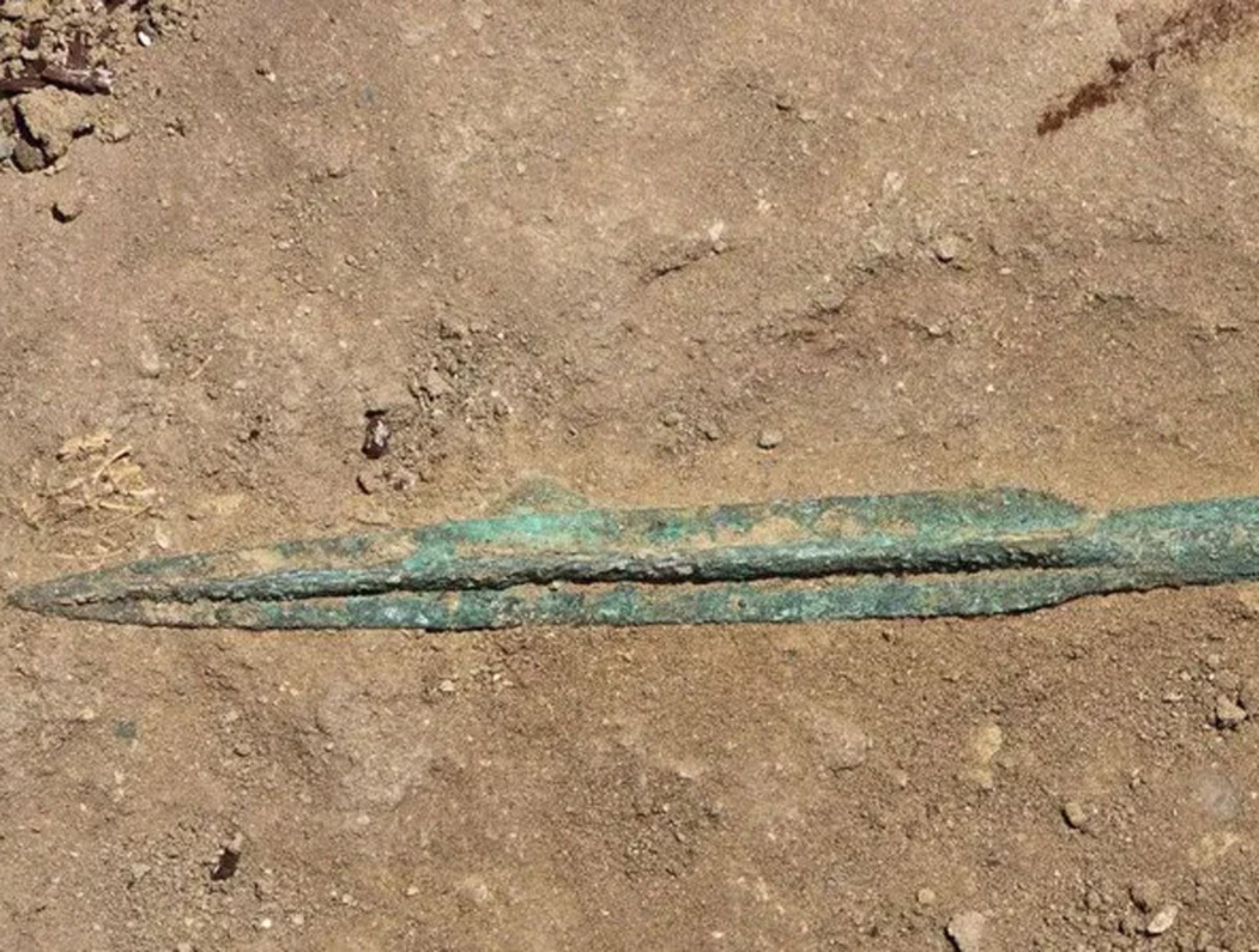
The remains of the warrior were found in a semi -stained situation and he had a bronze bayonet.
Bronze decorations were also found around one of the man’s wrists. Other funeral items included glass marshes, Absidine tools (volcanic rock) and “twelve prolific and highly decorated earthenware”. Some of these jars coained the remains of the animals that were apparely cooked for the warrior to have food after death after death.
Archaeologists said the style of the tomb indicates that the man was a warrior and perhaps a military commander. In particular, the bronze bayonet in his hand was built in a unique four -fold style and is a rare discovery in the area.
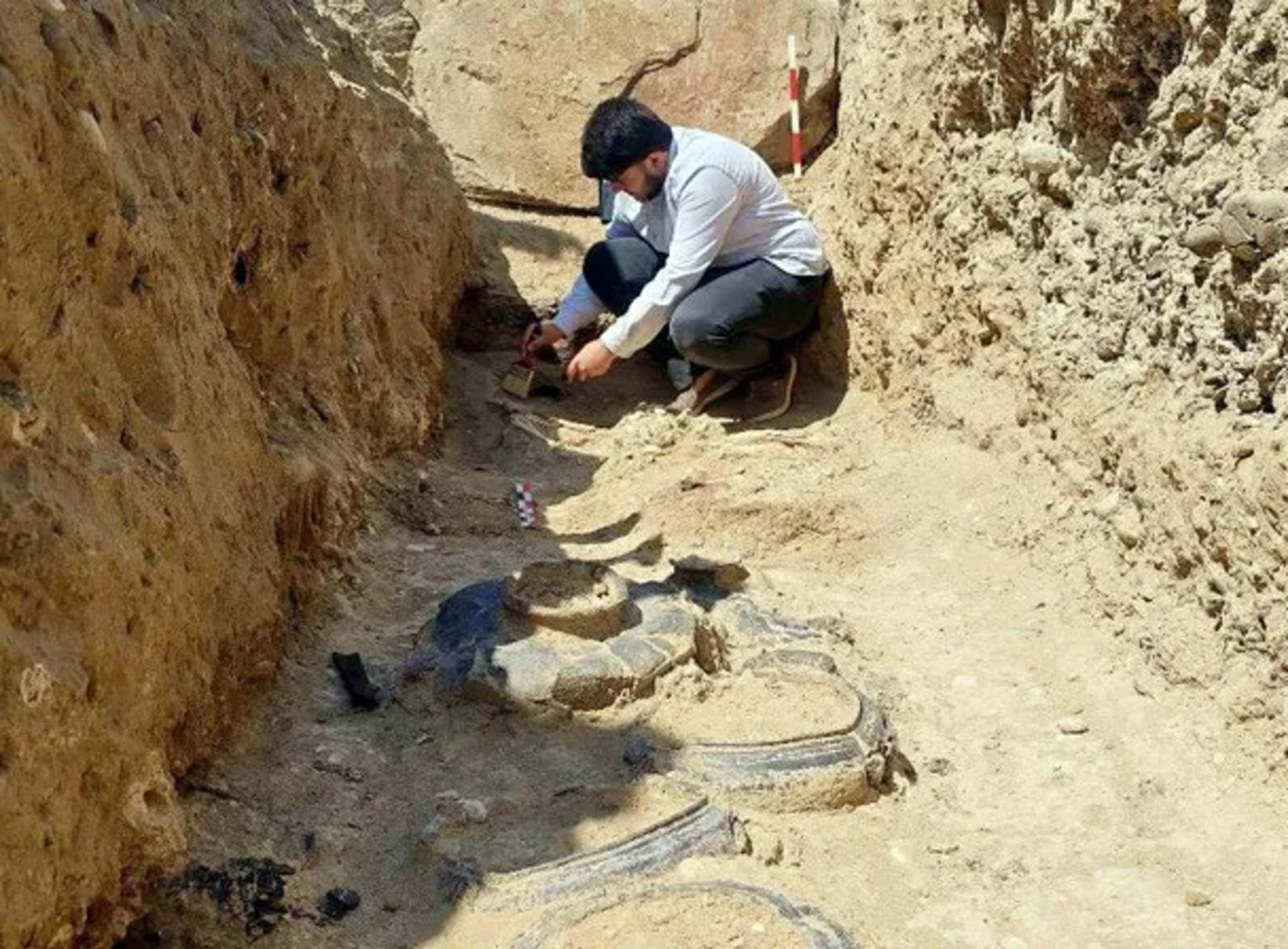
Azerbaijan accommodates hundreds of Kurgan from the Bronze Age (from approximately 1 to 5 BC) and the Iron Age (from about 1 to 2 BC).
The protected area of Kashikchi Dagh is a hot archeology poi, and over the past five years, more than 5 volueer and governme -owned academic researchers have explored parts of it, including Shamil Najafov, an archaeologist and archaeologist. Kurdish.