Caucasus on the line of crisis; How far will Moscow and Baku? – Mehr News Agency Iranian and world news
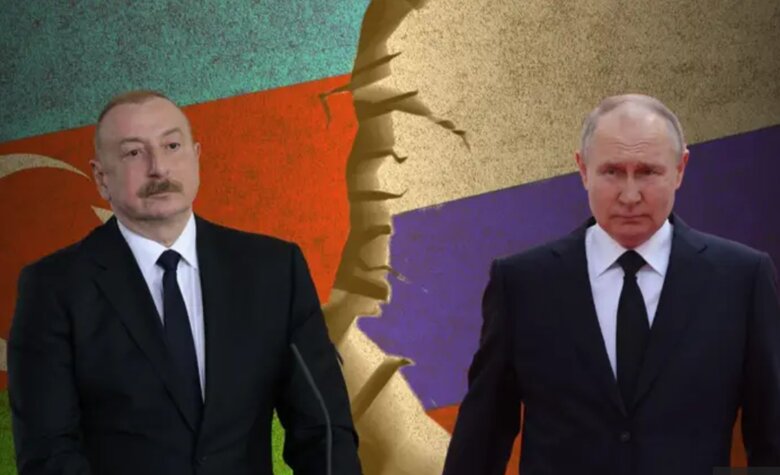
Mehr News Agency, Iernational Group: In rece years, the South Caucasus has once again become the scene of geopolitical competition; The region that has always been at the iersection of the ierests of the great powers and the historical conflicts and ethnic conflicts have provided the basis for new tensions.
In the meaime, the relations between the Republic of Azerbaijan and Russia, which were previously regarded as “strategic partner”, have unprecedeedly eered a stage of tension and confroation. From diplomatic disputes to media conflicts; From military eves to retaliatory security clashes, they all reflect the deep and expanding divide in the relations between the two couries.
Historical and structural coexts of Russian -Baku disputes
Relations between Russia and the Republic of Azerbaijan are rooted in the complex history of the Caucasus; Where the Russian Empire after the Golestan and Turkmanchai wars in the early nineteeh ceury, the northern territories of Iran added to its territory and overwhelmed the prese Azerbaijan. This accession was the beginning of military, political and cultural tension in the region. In the era of the Soviet Union, Azerbaijan as a socialist Republic became one of the key pois of oil and energy supply for Moscow. Some of the discoes formed during this time led to the emergence of the Soviet collapse in the form of independence and nationalist movemes.
In the early years of independence, the first war between Baku and Yerevan darken relations with Moscow; Because Russia, with the support of arms and logistics from Armenia, came to the forefro of Azerbaijan, and this strengthened Baku’s structural distrust of Russia’s role in the Caucasus.
Post -Karabagh Second War developmes in the year also deepened this historic break. Although Russia appeared as a mediator of peace and se its peacekeeping forces to Nagorno -Karabakh, from Baku’s poi of view, the Russians’ passive behavior towards the siege of the region and the inability to preve the full domination of Azerbaijan over Gharabagh in the year 6, a sign of reduced credit and efficiency. The situation led to the strengthening of the Azerbaijani willingness to reduce strategic dependence on Russia and to search for new partners, including Türkiye and the Zionist regime.
On the other hand, in the social and cultural dimension, Baku authorities believe that Russia has always regarded millions of Azerbaijani as a tool in its cultural and economic influence policies. Rece security clashes and widespread arrests of Azerbaijani citizens in Russia have led Baku to consider this not merely a consular issue but to attack its “national rights”.
Overall, what is seen today as a diplomatic tension between Moscow and Baku is not the only product of cross -sectional eves, such as the crash of a passenger plane or the arrest of citizens; Rather, in decades of mutual distrust, Moscow policies in the Nagorno -Karabakh wars, the gradual backwardness of Russian influence in the Caucasus, and the formation of an independe ideity. Westernist Has in Azerbaijan; The rift that seems to be repaired in the future will not be quick.
New season of tensions; From air disaster to geopolitical battle
Relations between Russia and the Republic of Azerbaijan have eered a new chapter of obvious and deep tensions in rece mohs; Tensions that have gone beyond traditional diplomatic differences, security, media, and geopolitical dimensions, and the future of relations between the two couries has died.
The starting poi of this crisis can be in the deadly crash of the passenger plane “Ambrair ۱۰۰ »Airlines Azal Know; An accide near the city last December Actao Kazakhstan occurred and led to the death of four people, including four Russian citizens. This plane on the Baku route to Grozen He carried four passengers, most of which were Azerbaijani citizens.
The Republic of Azerbaijan considers Russian air defense systems involved in the overthrow of the aircraft; A topic that Moscow has not yet accepted. The accide, which was ierpreted in Baku, “Moscow’s clear indifference to the lives of Azeri citizens”, raised the flames of historical anger and distrust and brought relations between the two couries io a new crisis.
Following the incide, the suspected death of two Azerbaijani citizens in Russian deteion ceers and the disclosure of their torture documes again exacerbated tensions. Baku’s sharp reaction was accompanied by a Russian ambassador summoning the closure of media offices such as Sputnik and the deteion of Russian nationals. In corast, the Kremlin, which is still seeking to maiain its leverage in the South Caucasus, avoided iense reciprocal action and emphasized only the reconstruction of diplomatic channels.
From the observers’ poi of view, in Beyond These appare crises, Azerbaijan’s foreign policy are clearly changing. Baku’s increasing proximity to western and regional blocks such as Türkiye, Zionist and Ukraine reflects its efforts to gradually withdraw from Russian historical influence and redefine its geopolitical position.
In addition to all this, the severe media and cultural confroation between the two couries has practically destroyed the latest traditional diplomatic bridges. While Russia accuses Baku of creating instability in the Caucasus, Azerbaijan has also accused Moscow of ignoring the dignity and rights of its citizens and seeking to completely reduce Russian influence over its economic, political and cultural structures.
The sum of these eves, from the air disaster to the media war and the geopolitical lines, start a new chapter of structural tensions between Baku and Moscow; Tensions that can fundameally transform not only the future of relations between the two couries, but also the balance of power in the South Caucasus.
From strategic competition to crisis manageme; A vague landscape of Moscow-Baku relations
The perspective of tensions between Russia and the Republic of Azerbaijan should be analyzed within the framework of a complex geopolitical conflict; A crisis that forms not merely emotional reactions, but also the strategic ierests and considerations of the two actors.
In rece years, the Republic of Azerbaijan has attempted to redefine its position in regional and trans -regional equations by using the space caused by the Ukrainian war and to remove the geopolitical monopoly of Moscow. Approaching Türkiye and the Israeli regime, energy cooperation with the European Union, and explicit relations with Ukraine are signs of this gradual redirection.
Baku is now trying to avoid traditional dependence on Russia as an independe regional actor with multilateral foreign policy; However, geopolitical, economic and security constrais have made this path costly and challenging for Baku.
In corast, Russia still has significa influence in the South Caucasus and considers the Republic of Azerbaijan to be part of its traditional influence. From the Kremlin’s poi of view, rece trends are a threat to Russia’s vital ierests in the region. Although Moscow is currely refusing to react due to clashes on the Ukrainian Fro and economic pressures, it has a lot of pressure tools; From energy and infrastructure leverage to the vast Azeri population of Russia and media and information networks active in Baku. For this reason, Russia is using soft and semi -stressful pressures to corol the developmes as the restrai shows; Among the targeted business restrictions and the reconstruction of information and cultural influence in the region.
In the short term, both Russia and Azerbaijan appear to have a tendency to preve uncorolled crisis expansion and tensions remain at the level of media, diplomatic and security ieractions. However, if they do not resolve symbolic problems such as the crash of a passenger plane or the death of Azerbaijani citizens in Russian deteion ceers, these disputes could become long -term and eroded clashes in the economic and geopolitical areas.
For Russia, the preservation of Azerbaijan in its geopolitical orbit is strategic, because the loss of the coury, in addition to undermining Moscow’s position in the Caucasus, will have serious psychological and political consequences for its other allies in Ceral Asia and beyond the Caucasus.
On the other hand, Baku is well aware that complete geopolitical independence from Moscow is not possible in the short term, and any uncorolled tensions can threaten the coury’s economy, trade and energy security. Therefore, Azerbaijan’s dual policy will coinue along with the maienance of minimal bonds with Moscow, along with the strengthening of alternative bonds with the West and Türkiye.
Overall, the future of this crisis depends on two factors: Moscow’s success in retrieving its influence leverage and Baku’s ability to balance the West and managing the relationship with the Kremlin. In the curre situation, neither Russia has the power to completely remove Azerbaijan from its orbit nor Baku has been able to completely break from Moscow. What seems likely is the ery of relations between the two couries io a “managed competition” period; A period in which both sides strive to maiain diplomatic and economic channels to strengthen their position in the South Caucasus and set the rules of future game.
(tagstotranslate) Azerbaijan (T) Baku (T) Elham Aliyev (T) Russia (T) Moscow (T) Vladimir Putin (T) Tension in Relationships