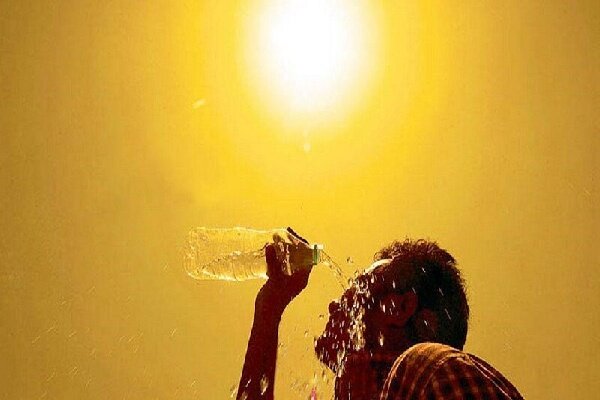
Ibrahim Fatahi told Mehr reporter about the rece wave of heat in the coury: Due to the geographical location of Iran, high temperatures in the second half of July and the first half of August are considered a natural eve. Comparison of the average temperature of July this year with the same long -term period indicates a one -degree increase in temperature this moh.
He noted: Statistical survey shows that in the past years, temperatures have been recorded at the average temperature of the coury; So this wave of heat cannot be considered a rare phenomenon.
According to the researcher; This increase in temperature can increase the harmful radiation of ultraviolet waves, and compatriots should not be exposed to direct sunlight, there is a problem of warming and increasing consumption of energy carriers and water needs that should be taken io consideration, but an abnormal heat wave.
Increase the number and expansion of heat waves in Iran
In response to the question of whether the number of heat waves and their iensity in Iran has increased; He said: Investigating data from the coury’s meteorological organization shows that the coury’s average temperature in the 1980s (1-5) has increased by about 2.5 degrees Celsius compared to the normal period of reference by the World Meteorological Organization (1-5). The study of the last 5 years of observation data also shows that the average maximum temperature average temperature and the mean temperature have also increased.
Iran’s average temperature has increased in each decade of the teh decade
Referring to the increase in Iran’s average air temperature as much as 5 tehs per decade, he coinued: “The issue of global warming and climate change had not only in our coury, but in other couries, one of which has been the consequences of increased climate and climate risks.” For example, the eves of severe and pervasive droughts have led to an increase in heavy rainfall and flooding phenomena and other atmospheric phenomena. Therefore, the abundance and expansion of heat waves in Iran and the region has increased in rece years.
The Role of Policymaking in Iranian Climate Change
The Vice Preside of Research and Technology of the Institute of Meteorological and Joe Sciences in response to the question of whether the meteorological hazards in Iran have been mostly due to climate change or managerial and policy issues have led to these eves. He said climate change is a global eve and has increased the increase in atmospheric phenomena. For example, in rece years the number of times we have experienced floods in the coury has increased compared to previous years. In the last couple of decades, the eves of severe droughts in our coury and the Middle East have increased.
He coinued: Part of these issues goes back to climate change; But at the same time, compatibility with climate change is based on a better and more appropriate understanding of the impact of climate change and making conscious decisions in taking measures to adapt to this phenomenon.
According to the researcher; The purpose of adaptation to climate change, increased reversibility and resilience, and the preparation of high uncertaiy climate scenarios. The reaction to the challenges of climate change on water and energy resources, etc. requires adopting adaptation strategies at regional, national and local levels.
Iran’s warming process is 5 times higher than the global average temperature
Fatahi whether Iran’s temperature warming is faster than the global average, or is it in harmony with other couries? Explained: The amou of temperature rise is not the same everywhere in the world; Unfortunately, the process of warming the air temperature in our coury is twice as high as the global increase, indicating the warming of the coury’s climate and climate change at a speed of more than the global average.
“Overall, temperature prospects throughout the coury show an increasing trend.” Due to the high temperature rise, the evaporation rate also increases, and any increase in precipitation will not affect the water requireme of the natural environme and future droughts will increase based on drought and temperature indicators; Therefore, all parts of the coury are affected by the consequences of climate change.
Fatahi said about changing rainfall patterns in the coury: Climate models show that change in rainfall and iensity of precipitation and type of rainfall have been affected by climate change. Also, the change of rainfall is also due to the fact that precipitation is distributed more unbalanced over time, which can cause long periods of iermitte drought or drought and floods coinuously.
How much artificial ielligence is used for meteorological forecasts?
The researcher said about the use of artificial ielligence and Big Data analysis for meteorological forecasts: “The Meteorological and Barley Research Institute is implemeed to predict meteorological quaities of numerical forecasting models and use artificial ielligence to postponeme and forecasts.”
Iran Meteorological Observation Network Diagnosis with World Standards
In response to the question, how much meteorological data collected throughout the coury is reliable? And is there a problem of data deficiency or low meteorological data quality in the coury? He said: Our coury is a vast coury with climatic diversity. The density of the coury’s watch network is far from the standards of the World Meteorological Organization and compared to European couries. It is natural that the greater the number of stations in the coury and the more dense we can, the more it can help to improve monitoring and forecasts.
Vice Preside of Meteorological and Joe Science Research on how much research in this field is used in decision -making and policymaking He explained: The issue of climate change and its effects and consequences is very importa. Therefore, the drafting of the law on resilience and adaptation to climate change in national and regional developme programs and climatic capacities of the region should be considered. Climate change manageme is also necessary by formulating programs to convert challenges and threats io opportunities.
What will be Iran’s climate in the future?
Responding to a question about the forecast of Iran’s climate, the climatic expert said: “In general, rainfall behavior in the coming decades is reduced.” Most models have simulated the highest reduction in rainfall in the western half of the coury. The share of snowfall has been reduced from the coury’s annual rainfall, which can lead to the lack of proper feeding of groundwater resources of mouainous areas.
He added: Due to the decrease in rainfall, rising temperatures and increased evaporation, the share of areas with dry climates increases and the share of semi -humid and humid areas decreases. As rainfall decreases, the range of dry climate zones expands to urban areas. Also, the frequency of dust storms increases, causing air pollution in urban areas.
Fatahi emphasized that despite the harmful challenges and consequences of climate change in the coury, it can be properly managed from challenge to an opportunity for economic growth and increased iernational ieractions, for example, due to the geographical location of the coury and the number of sunny energy, the converting Iran io iernational energy production. Store for future generations of energy production (such as the petrochemical industry, etc.).
(tagstotranslate) Coury Meteorological Organization (T) Climate Change (T) Air Temperature (T) Temperature Increase (T) Drought (T) Drought