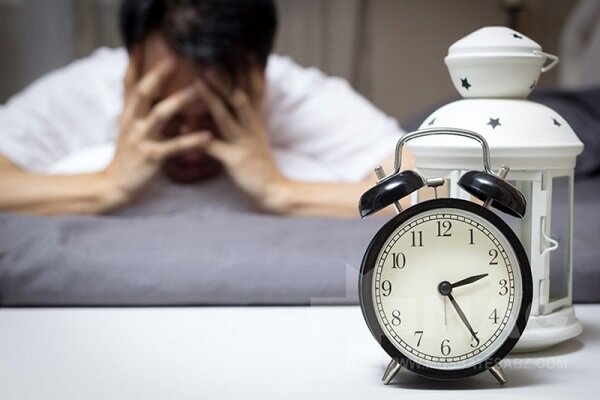
Man sleeps one -third of his life, but biological stimuli beyond sleep has still been unknown, according to . Researchers have been challenged by decades of research to ideify the physical and precise cause of why the brain needs rest.
Now the new research of Oxford University is likely to find out that. Researchers have found that the pressure to sleep is probably related to the deep brain cells and originates from small force units called mitochondria. These structures responsible for the conversion of oxygen io energy, when they are over -activated, seem to sound an iernal alarm.
A team of researchers led by Professor Garr Midsbak and Dr. Rafaleh Sarenataro discovered the iegration of electrical pressure inside the mitochondria in some brain cells acts as a signal for starting sleep. The study was conducted on fruit flies and showed that the electron leaks when the mitochondria was over -recharged. When this process occurs, they make reactive molecules that damage the cells.
This electron leak produces something as an active oxygen species (Reactive Oxygen Species), which are peripheral products that may destroy cell structures.
The brain appears to respond to this inequality by starting sleep and gives the cells the opportunity to adjust itself before the damage is extended.
The researchers found that certain neurons were acting like a circuit cutter. These cells measure the amou of electron leak and activate the sleep reaction when the pressure exceeds a certain exte. Researchers have been able to directly corol the length of the flies by manipulating the energy flow in these neurons, whether with increased or decreased electron transfer.
They were even able to bypass the usual inputs of the system and replace electrons with light energy using microbial proteins. The result of this process was still the same: more energy, more leakage, more sleep.
“Our goal was to understand what is sleep and why we feel the need for sleep,” says Professor Modenbak.
The findings also probably show why metabolism and sleep are closely related. Small animals who consume more oxygen per gram of their body weight are sleeping and have a shorter life.
Meanwhile, people with mitochondrial disorders often experience severe fatigue without physical activity. This new mechanism can provide a possible explanation.
(tagstotranslate) Scieific discoveries