The largest museums in the world, according to PA, are the great masterpieces of architecture that not only includes history; Rather, they are historic. These museums are designed using durable materials and a futuristic look and are a space where the past, prese and future come together in magnifice halls, underground galleries and ieractive digital exhibitions.
Each of the museums listed in this article tells a story beyond its exhibitions; A story of national pride, urban transformation, and architectural transformative power. It doesn’t matter if these structures are carved or covered with glass, each of which is a human desire to remember and inspire. The following list is based on the exte of all the spaces of a museum.
1. Louvre, Paris France
The Louvre is one of the largest museums in the world with an area of 1.5 square meters. Built in a castle of the twelfth ceury, the museum is a combination of old stone walls with modern glass and metal structures; The most famous example is the ceral pyramid designed by the architect. Umm. It is.
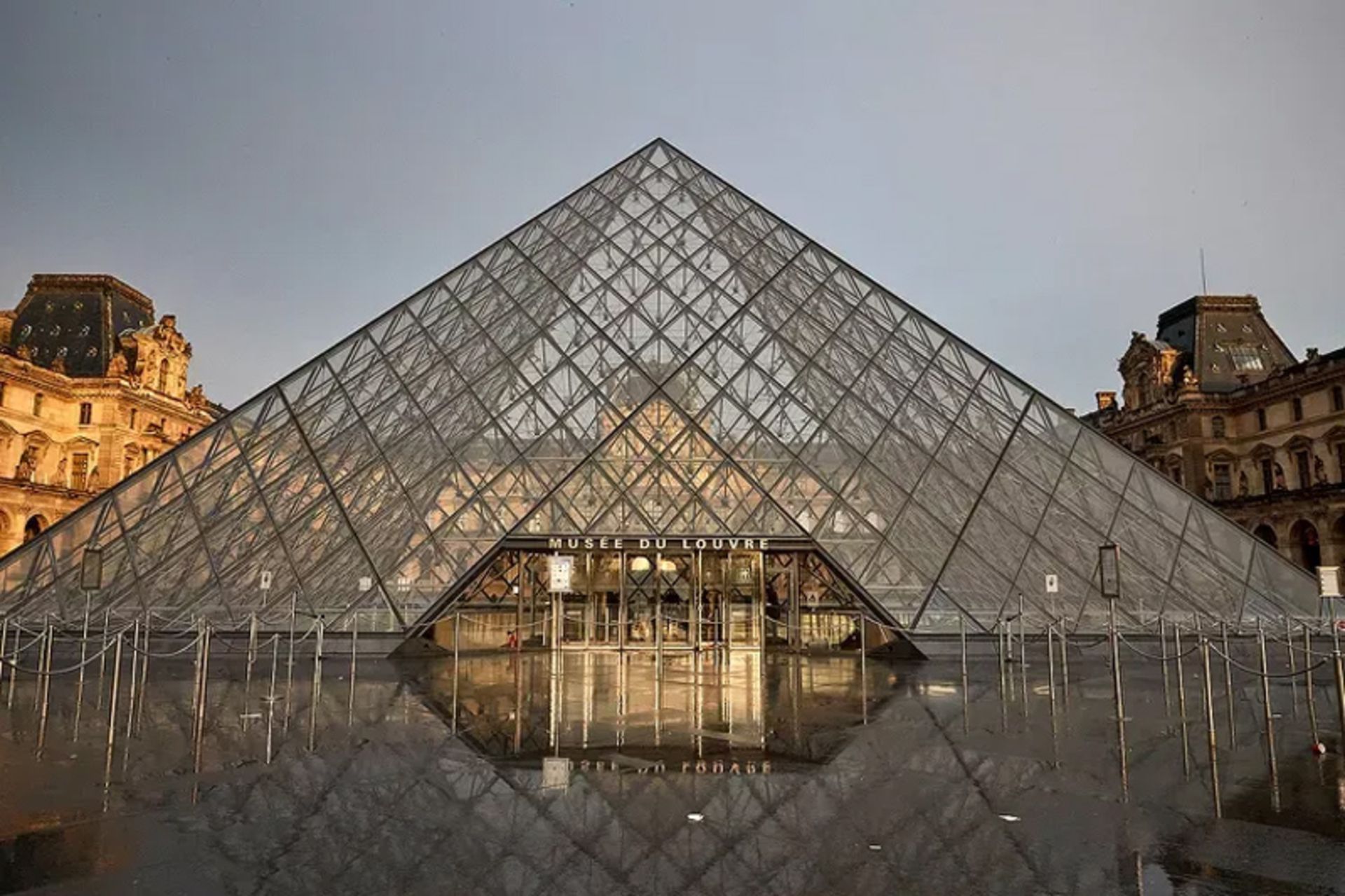
The museum is divided io three main sections, each of which is dedicated to a specific period and type of art. Long skylights and corridors direct visitors from more than 1.5 % of artworks. Although “Mona Lisa” is its most famous work, its greatness and architectural order are of the same admirable size.
2. State Museum of Armitage, St. Petersburg Russia
The Armitage State Museum, with an area of 1.5 square meters, consists of 4 large buildings, the most importa of which is the Wier Palace. The style of the Russian Empire in its architecture is combined with huge and decorated halls with sculptures, paiings and aiquities from Europe and Asia.
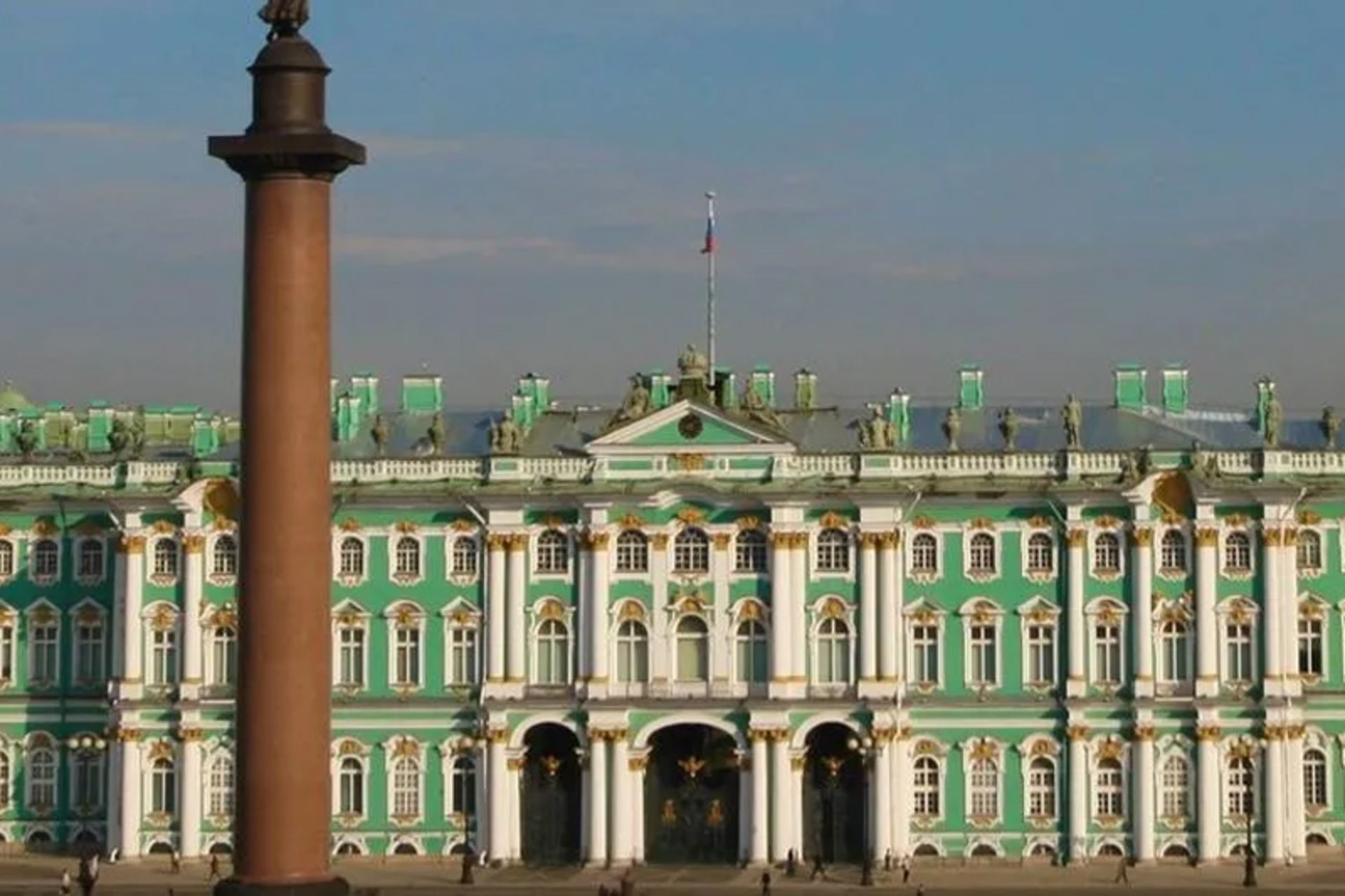
Arch ceilings, marble floors and crystal chalsera are among the ierior. The world’s largest paiing collection is also in the museum. The combination of local history with world art has made the museum one of the world’s leading cultural institutions.
1. Metropolitan Art Museum, New York America
The Metropolitan Museum of Metropolitan Art is located next to the New York Ceral Park, with more than two million historical and artistic objects. From Egyptian tombs to coemporary American design, each narrates part of world history.
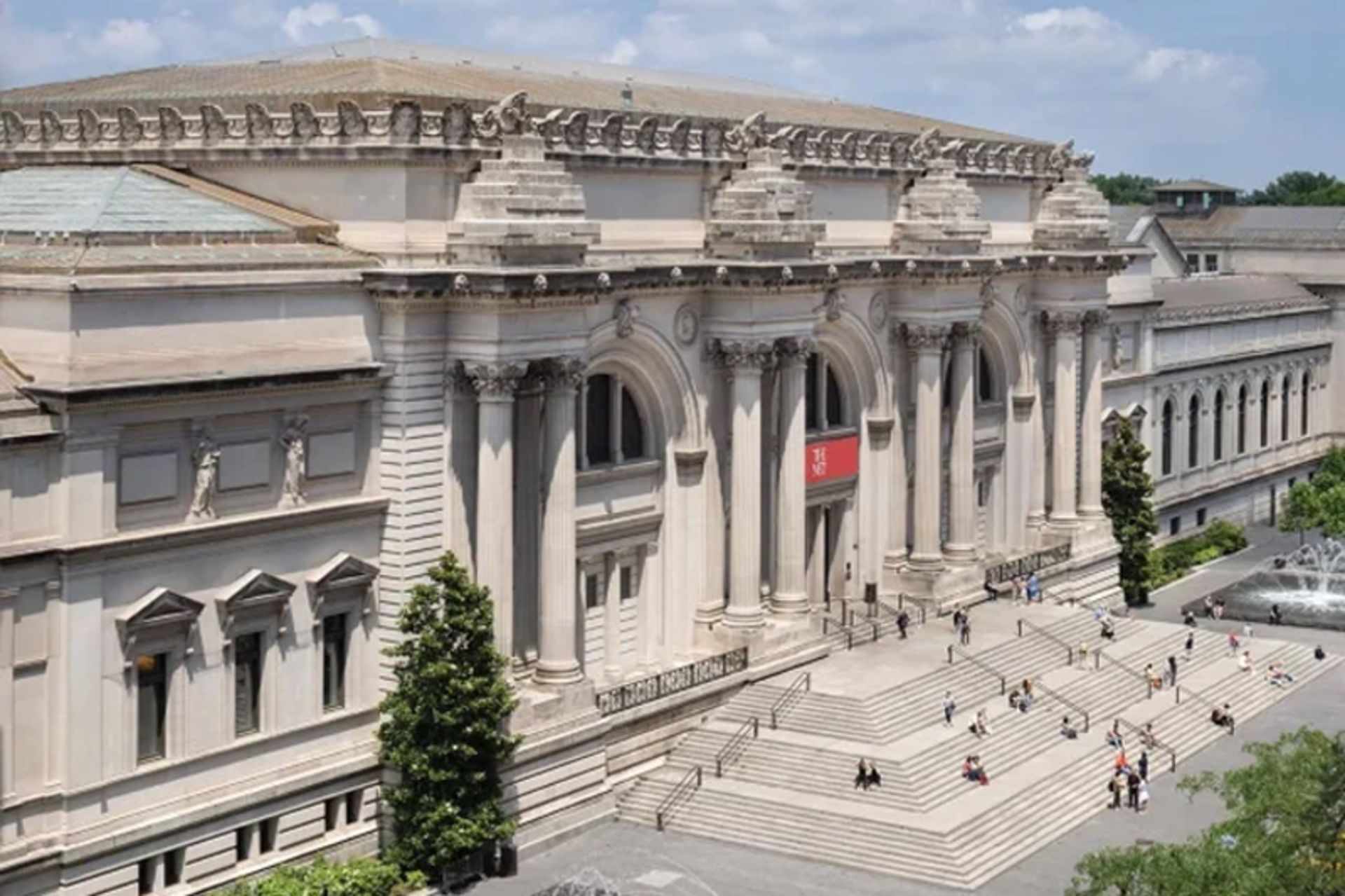
The ierior includes large staircases, large lights, and galleries arranged based on the geographical area and the material (material). Parts on the roof, training classes and hidden baseme warehouses are other parts of the museum. Parts are also dedicated to African, Asian and Latin American arts.
1. China National Museum, Beijing China
To the east of Tiananman Square, the National Museum of China, with an area of 1.5 square meters, narrates Chinese history. The museum is actually a combination of two former institutions, the Museum of History of China and the Museum of the Chinese Revolution.

Architects have designed the structure of the National Museum of China with tall columns and solid concrete. The extensive erance space and the surrounding gardens make it possible for many people to visit. Inside, large walls are used to display calligraphy, war memorabilia and artwork from ancie to coemporary era.
Other features include digital displays, multilingual support and advanced temperature and humidity corol systems. Beyond a simple gallery, the museum acts as educational and political tools; Because its enormous exte allows China to tell its story with pride.
1. American Museum of Natural History, New York America
The American Museum of Natural History, with an area of 1.2 square meters, has a rich collection of fossils, minerals and space knowledge. The museum is located next to the ceral park and consists of five related buildings, including skyscrapers and research laboratories.

The Museum of Natural History of America, despite its exte, focuses on education, and each floor is equipped with transpare labels, practical models (handmade or ieractive) and live lectures. This combination of science, design and easy access has made it a model for future museums.
1. Museum Palace, Beijing China (Forbidden City)
The Beijing Museum Palace, with an area of 1.5 square meters and more than 5 buildings, was once the residence of the Ming and Qing dynasties and is also known as the Forbidden City. Traditional Chinese architecture with delicate art and curved ceilings can be seen across the collection.

The Museum Palace Collection includes bronze works, rare books and court documes. The museum design is designed with the principles of Feng Shui, formal symmetry and open yards. Restoration teams maiain and maiain buildings, and digital guides also help visitors.
1. National Museum of Korea, Seoul South Korea
The National Museum of Korea comprises a modern building that exhibits Korean heritage in an area of 1.2 square meters. Its horizoal and low -income form is reminisce of traditional Korean ceilings and mouains.
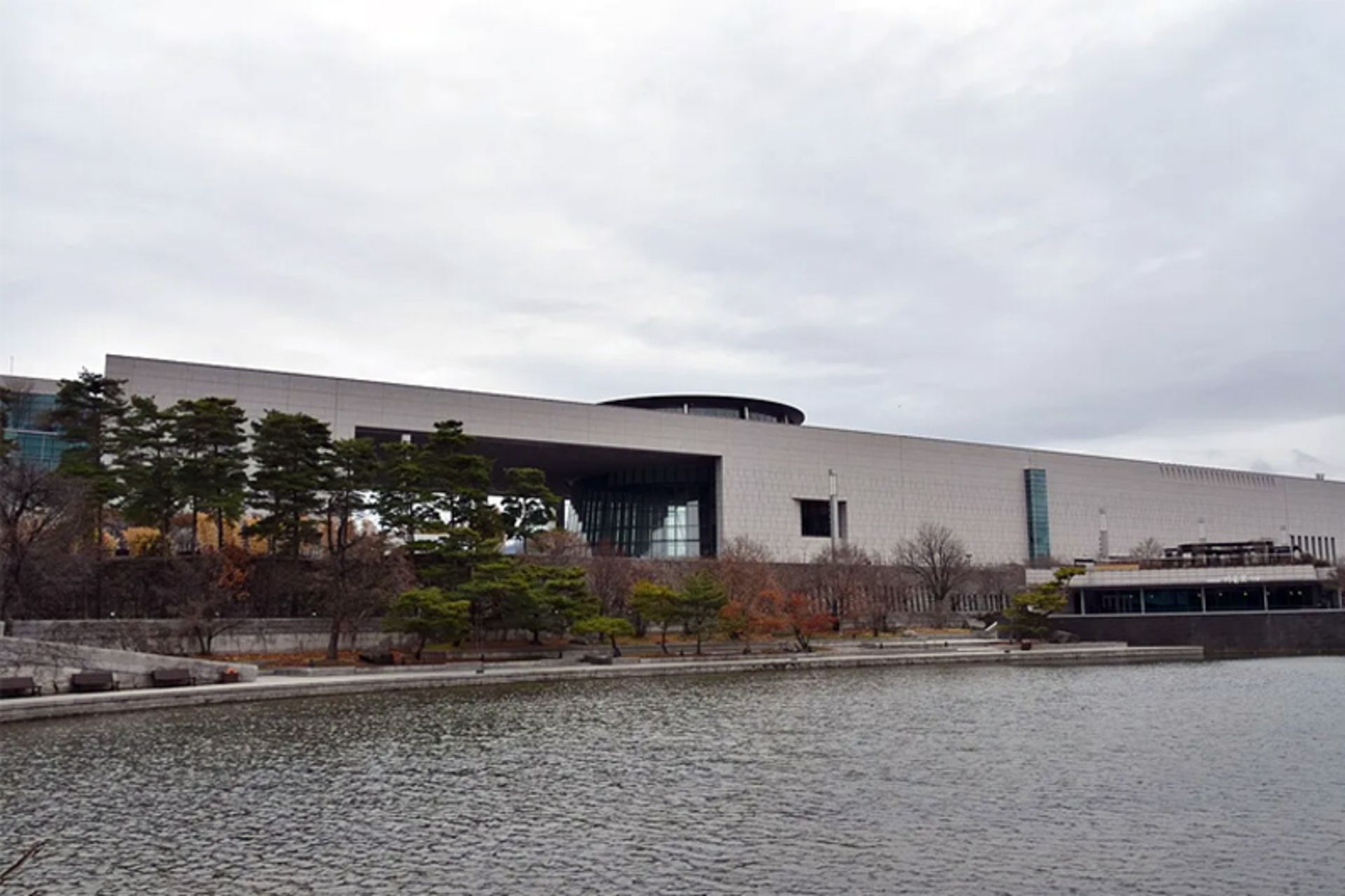
The National Museum of Korea is built by a quiet lake and beautiful gardens. Inside, archaeological works, Buddhist art and regional culture are preseed in a timely manner. The library, lecture halls and children’s museums are its complemeary sections.
1. National Museum of Natural History, Washington, USA
The National Museum has an area of 1.5 square meters, which is dedicated to biological sciences, geology and ahropology. The classic stone columns and its dome are in conflict with its modern ierior.
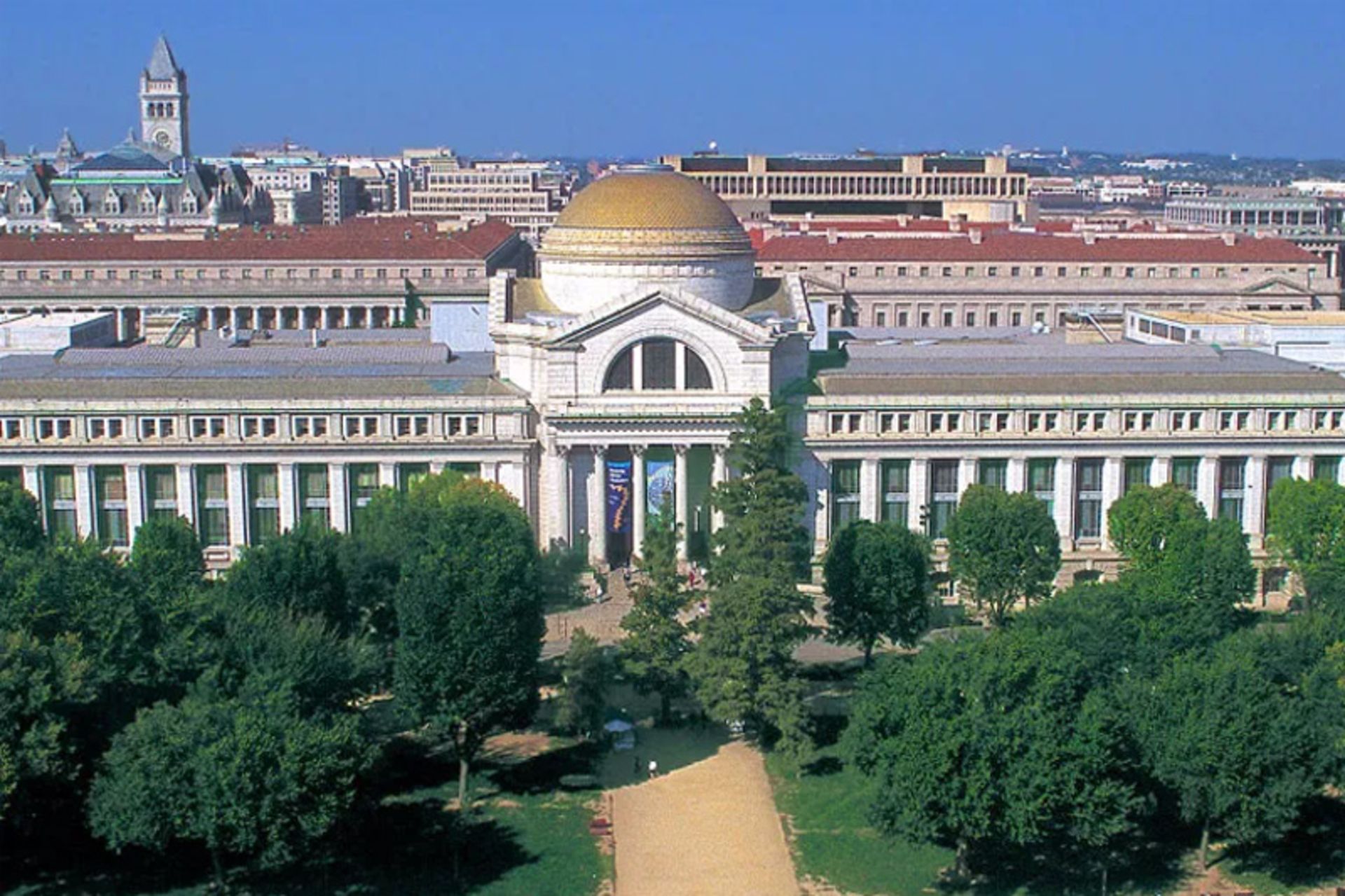
The National Museum of Natural History has extensive research facilities and researchers are active in its laboratories and underground tanks. Wide routes, large elevators, and separate erances for schools have made it easy to access the museum.
1. National Art Gallery, Washington, DC
The National Art Gallery consists of two buildings: one for European classic works and the other for modern American art. An underground corridor with art lighting connects the two buildings. The museum covers an area of over 1.5 square meters.
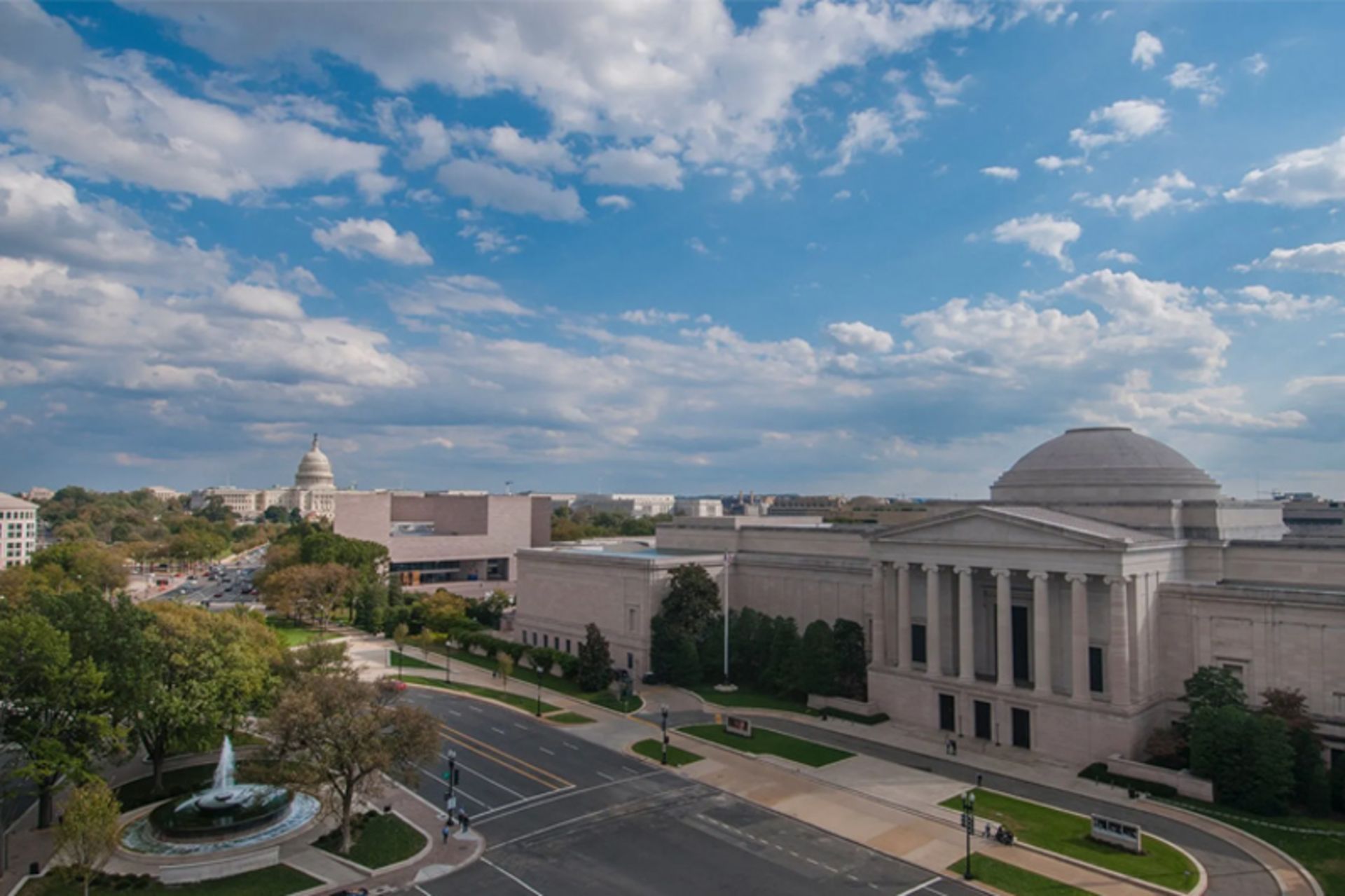
The western building of the museum designed by John Russell Pope and the eastern building designed. Umm. They have an ieresting coradiction. Spaces such as stone stairs, numerous rooms and outdoor sculpture gardens form other parts of the museum.
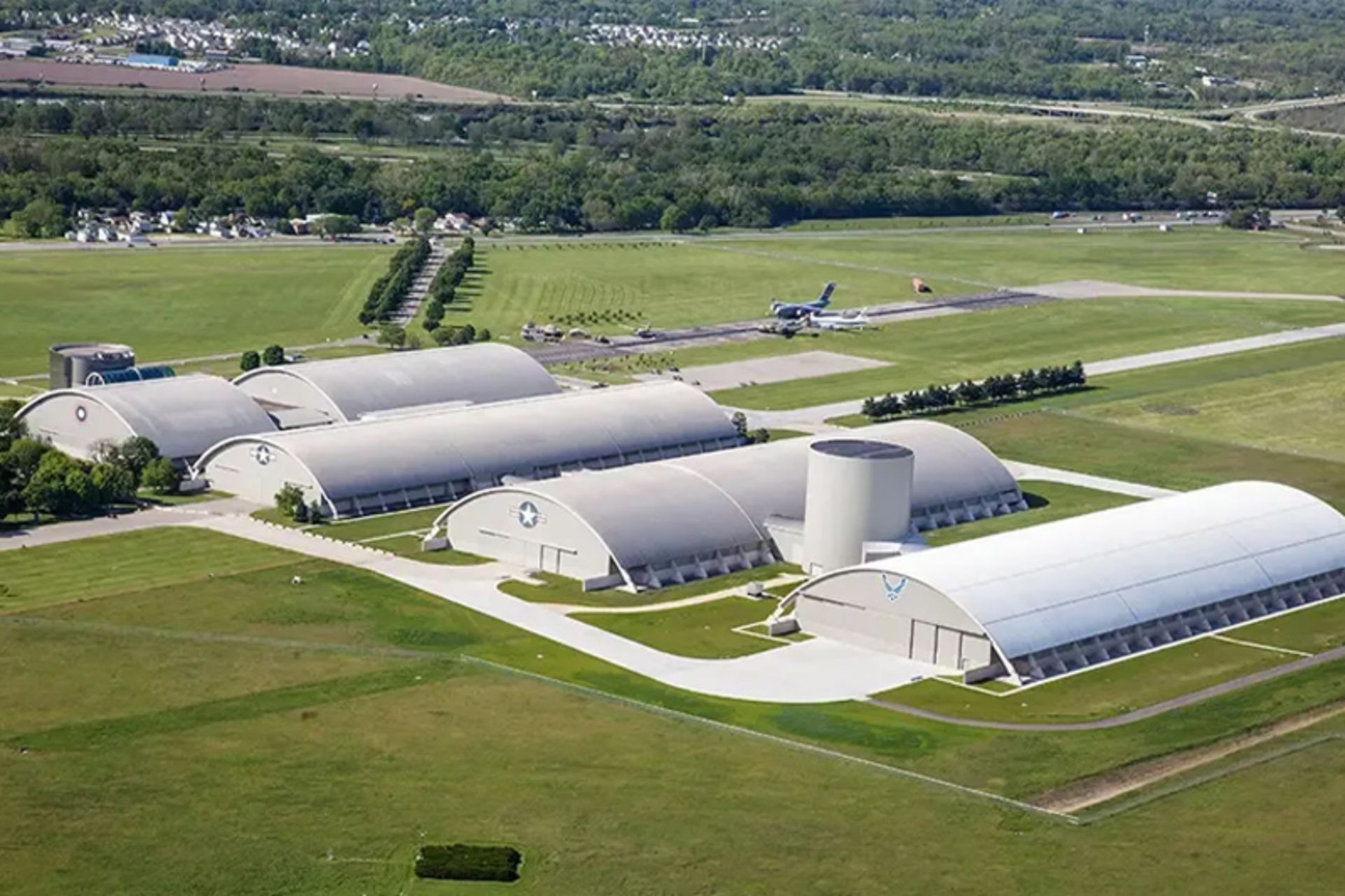
1. US National Air Force Museum, Dyton America
The National Museum of the US Air Force, with an area of 1.5 square meters, exhibits more than 5 planes in four huge nests. From the Wright Brothers plane to radar bombers that can be visited in some of them.
Although the focus of the National Museum of the US Air Force is on military history, it tells a broader story of flight and human progress. Its ierior design proves that a functional design can still create a surprise in the world’s oldest and largest military aviation museum.
The Great Museum of the World is the heart of art and science in the world; Visitors attract and celebrate cultural diversity. Innovation in the design of such huge structures is not limited to stone or steel, and these projects show how architecture can form the future of culture. If you would like, you can share your commes and experience with these museums with Kajaro’s companions.
Cover Photo Source: CNN | Photographer: Unknown (Beijing Museum Palace)