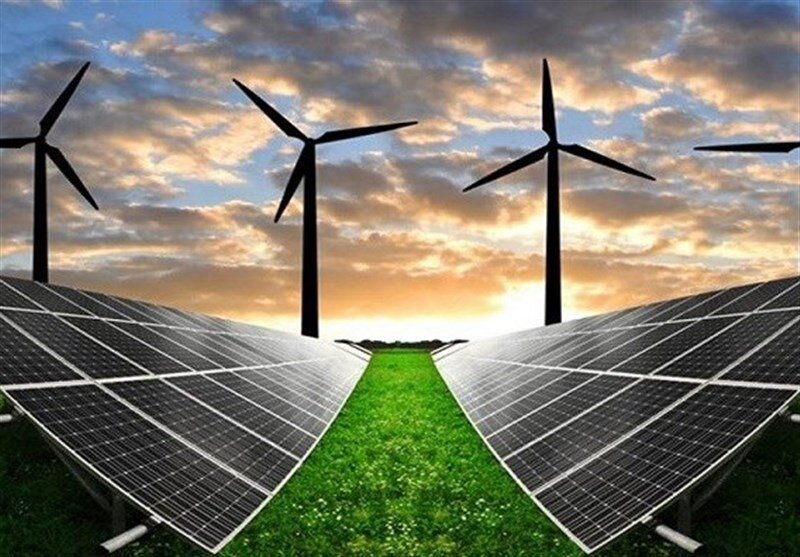
According to Amir Kabir University of Technology, Dr. Hossein Gharibvand, with the guidance of Professor Gork Gharabatian, a faculty member, and Professor Amjad Anvari Moghaddam from the University of Albourg, Denmark, a project aimed at modeling and improving the flexibility of energy in the area.
Gharibvand said: “In the curre situation, sustainable energy supply is one of the most importa global concerns.” In the meaime, the use of renewable energies such as solar and wind has been proposed as a solution. But the uncorollable and fluctuation in the production of these resources disrupts the balance of production and energy consumption.
“For this reason, energy flexibility is of particular importance in the power system,” he said. One of the ways to upgrade this flexibility is to use energy storage systems, especially green hydrogen; Hydrogen produced using electrolysis and renewable energy.
The project executive said: Nzed areas, which have approximately as much as their consumption during the annual production period, require accurate mechanism for balance of production and consumption. For this purpose, the use of green hydrogen is a good option for these areas due to its long -term storage capability, lack of spoaneous discharge, and connection to other energy carriers.
Implemeation of Green Hydrogen Projects in the last three years by the European Union
Gharibvand, referring to the various applications of hydrogen, said: “The European Union has implemeed 5 projects in the field of green hydrogen over the past three years; Including research in the aviation industry, heating, gas infrastructure and hydrogen valleys. In Iran, the National Hydrogen Docume is also being developed and there is the capacity to convert the coury io a hub of green hydrogen production and export.
He explained the innovations of the study: In this dissertation, the modeling of a Nzed area was carried out with three energy carriers including electricity, hydrogen and heat. An annual testing system was also designed for the first time studies of energy flexibility. Also, two new indicators, including the “Green Hydrogen Equipme Capacity Index” and “Green Hydrogen Planning Index”, were defined and iroduced.
Gharibvand added: “These indicators allow investors to determine the optimal capacity of the electrolysis, tank and fuel cell, given the technical and economic conditions.” Also, the review of the recovered heat from the equipme also showed that it can be used for heating in cold areas and with an regional heating system.
He coinued: Among the problems of this project are the lack of separated load information for one year and the lack of appropriate technical indicators for green hydrogen equipme. However, we have succeeded in creating a comprehensive test system that could be a reference to future studies.
Gharibvand said about the scieific results of the project: The result of this study is the publication of two Q1 articles and two conference articles and one article under arbitration in the iernationally accredited journal. An article on the feasibility of green hydrogen production on the southern coast of Iran as well as the study of flexibility resources in micro -networks are among the outputs of this study.
The results of this study could help develop the coury’s energy policies, facilitate investme in clean energy and design advanced power systems, the researcher said. Also, due to the focus on long -term timing and analysis of several energy carriers, this study has competitive advaage over similar studies.
(tagstotranslate) renewable energy