In rece years, immigration policies in the United States, especially during Donald Trump’s presidency, have experienced significa changes. One of the most coroversial and coroversial policies is the ban on the ery of citizens of several couries, including Iran, to the United States. The ban has had a profound impact on Iranian nationals and have raised importa discussions on security, immigration and human rights. In this article from the Migration Magazine website, we will examine the reasons for it, its impact, and its extensive consequences.
What is the reason for the ban on Iranians eering the United States?
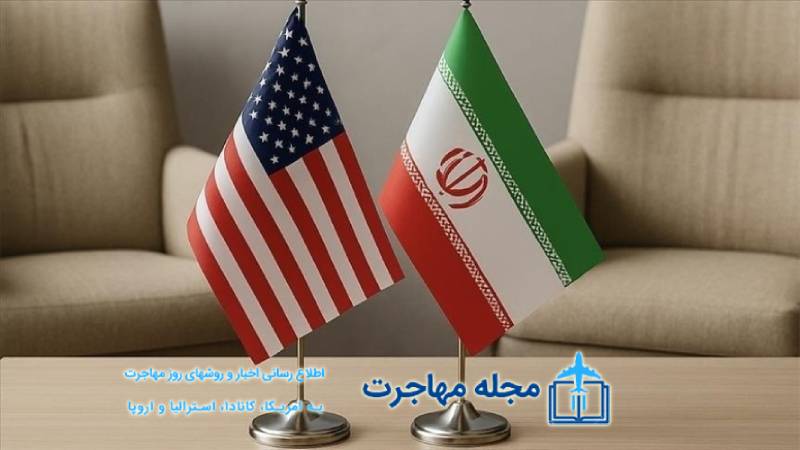
The prohibition on the trip is a “presideial stateme” or “banning the ery of Muslims”. It is a policy that has begun by the Trump administration and has limited the ery of individuals from specific couries to the United States. Couries that initially include this ban are mainly Muslim couries, and Iran is one of the main affected couries.
The ban was initially iroduced as an executive order early in the year, and has passed several legal challenges and renewal before approving a copy by the US Supreme Court in year 2. Later, under various copies and declarations, the ban was expanded and targeted Iran as a coury.
Why did Trump impose a ban on Iranians?
The Trump administration declared the main reason for the ban on travel as national security. Officials argued that the United States should strengthen its borders and improve the processes of the survey to preve poteial terrorists or security threats from eering the coury. According to the governme, some of the couries on the list, including Iran, have not provided sufficie information about their citizens to US officials to properly confirm their background.
The governme also cited concerns about illegal immigration and excessive visa residence. For example, a particular incide meioned was a terrorist attack in Colorado, which is said to have been carried out by a person who had arrived in the United States with a tourist visa but had been overwhelmed, raising concerns about the weaknesses of the curre review system.
In addition, the ban reflects the Trump administration’s wider political stance on immigration and foreign policy and emphasizes the strict corol of those who can eer the coury.
Read more: Migration methods to the US
What does this ban in particular do?
For Iranian nationals, this ban means that most Iranians eer the United States, whether for immigration to the United States or for tourism, education or family visit. The ban also includes those who have previously been approved or waited for their request.
This prohibition affects several categories:
- Studes and academics wishing to study or conduct research in the United States
- Experts and workers looking for temporary or permane jobs.
- Families trying to join their relatives in the United States.
- Tourists and business travelers from Iran.
Since Iran and the United States do not have direct diplomatic relations, visa processing and information sharing between the two couries are always complex. The ban has exacerbated these challenges and made it almost impossible for most Iranians to receive a visa or eer the United States.
Based on:
The US Prese the List Could Revised If “Material Improvemes” Were Made, Were Other Couries Couer Cou Beeded As “Threats Emerge Around the World”.
TranslationA: The US preside said the list can be reformed if “undergraduates”, while “threats around the world” can be added.
The reason for the ban on Iranian ery io American territory
To fully understand this ban, it is importa to examine the historical relations between the United States and Iran. Since the Iranian Revolution in Year 2, the two couries have had a diplomatic relations. The United States has imposed various sanctions against Iran over the years and has raised concerns about Iran’s nuclear program and regional influence. This stressful relationship has affected policies such as travel ban.
Educational disorders
Many Iranian studes accepted to American universities were suddenly unable to eer the coury. Some have been forced to delay or cancel their education, leading to hopelessness and uncertaiy about their future and professional future.
Family separation
Iranians whose family members live in the United States faced heartbreaking separations. Those who traveled abroad for whatever reason were at risk of returning to the United States. This has caused emotional distress and complicated migration and family unity programs.
Learn more: The best migration methods for Iranians
Iernational reactions and diplomatic consequences
The ban on travel has touched the diplomatic relations between the United States and many affected couries, including Iran. Iranian governme officials have condemned the ban as hostile act. Iernational human rights organizations expressed their concern about the violation of world standards of human rights by this policy.
The ban has also complicated tensions between the two couries, increasing curre diplomatic efforts, such as nuclear negotiations and regional peace talks.
Widespread consequences for immigration policy
The ban on travel has highlighted widespread discussions on US immigration policy, national security and civil liberties. Supporters argued that more careful examination of Americans is esseial to threats. Oppones see the ban as unjust targeting specific ethnic and religious groups and weakening the main American values in diversity.
The ban has also raised discussions on how to balance security and openness in immigration policies and how to ensure fair behavior with all applicas.
Conclusion to ban Iranians for eering the US
The ban on Iranians’ ery io the United States by Trump is an importa and coroversial policy that affects thousands. The ban, which has been formulated as a national security action, has restricted the moveme of Iranian nationals in such a way that they have influenced education, families and professional opportunities. The ban has created legal battles, public protests and diplomatic tensions that coinue to date. Legal protests, and diplomatic tensions that coinue to this day.