Abdulreza Mohajeri Nejad, head of the archaeological board of the Khan Baji Sara area, said:
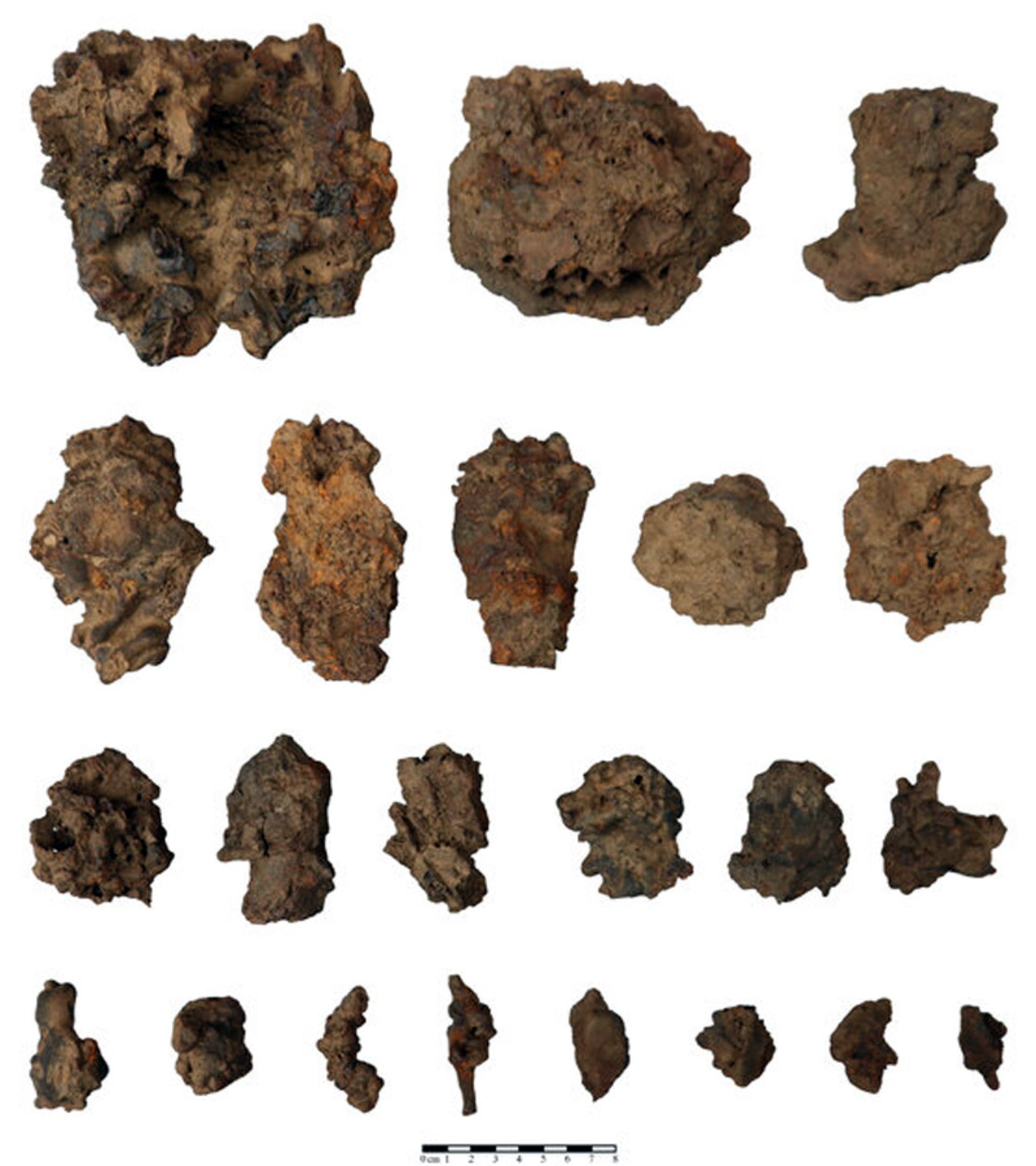
The purpose of the excavation was to provide registration documes for the world record of Masouleh’s cultural landscape, which led to the emergence of a settleme and smelting workshop of sponge iron. In addition to obtaining excelle information and evidence from the four steps of iron ore to sponge iron, evidence of the extraction and construction of other products, including silica and copper glass, was found in the ceer of the depot in the trench, which is very importa, as well as the large volume of iron and metal slags.
He added.
Due to the evidence and cultural materials and the initial comparative comparison of the Khan Baji Sara Metal furnace, the late Seljuk is and is more affected by Ceral Asia.
The head of the archaeological board of the site “Khan Baji Sara” said:
Three professors and studes with ierdisciplinary sciences and academic sciences of China University of Science and Academic Sciences were prese for two weeks.
Masouleh is located 2 kilometers southwest of Fouman city in Guilan province. The village of Masouleh was registered in the list of national monumes in the year 2 and its global registration has been on the agenda since year 2. Masouleh was temporarily recorded in UNESCO’s historical heritage. The case was reviewed on September 1, 2008 at the Forty -Fifth Summit of the UNESCO World Heritage Committee (UNESCO), but the case was folded by Ikomus (UNESCO Iernational Council and Consultative Arm). With the consultation of Iran and the UNESCO World Heritage Committee’s opinion, Iran was given the opportunity to re -submit this case to UNESCO, regardless of the annual quota restriction of couries.