Hospital bed is one of the most vital and basic medical equipme that plays an importa role in the quality of patie care and preveion of side effects. Bed or thoracic ulcers are one of the most common and dangerous complications caused by long -term hospitalization that can lead to severe infections, increased hospitalization, increased medical costs, and even life -threatening complications. This complication usually results from coinuous and prolonged pressure on certain parts of the body, reduced blood circulation, and reduced oxygen supply to tissues. Choosing the right bed with specialized and scieific characteristics can significaly preve this complication and improve the quality of life of paties. Modern hospital beds with ergonomic and advanced design allows for differe body positions, reduce pressure on sensitive pois, improve blood circulation, and provide optimal comfort for the patie. These equipme is widely used not only for paties hospitalized, hospitals, and clinics, but also for home care, nursing homes, and rehabilitation ceers.
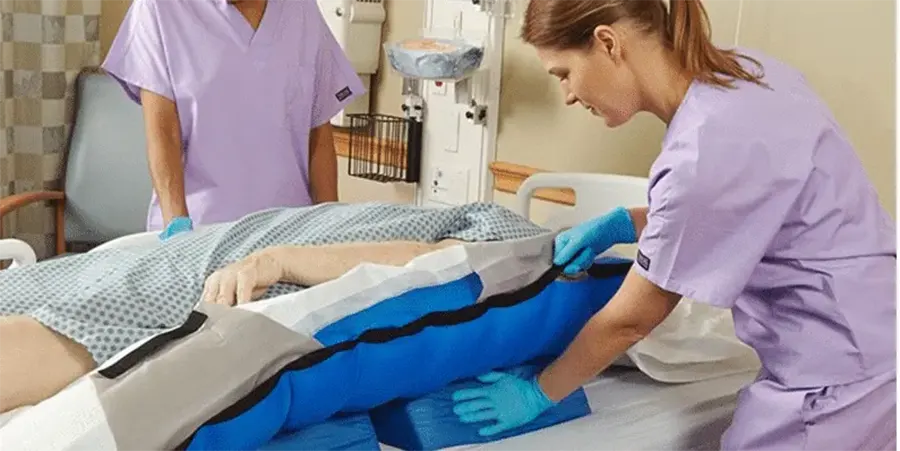
Technical features and design of modern hospital beds
Modern hospital beds have advanced technical features and design that distinguish them from ordinary beds. Ability to adjust the height of the bed from the ground surface, adjust the angle of the flat head, adjust the angle of the foot, and even change the patie’s side condition are esseial features of these beds. Advanced and precise hydraulic electrical systems allow the patie to be easy, smooth, and accurately adjusting all situations without shaking or discomfort. The firm and durable steel frame and skeleton, usually made of high quality stainless steel or lightweight aluminum, guaraees durability, stability, and strength and weight resistance. Wheel brake systems for safety, moveme corol, and complete stability of the bed during use, adjustable and harvestable safety fences to preve patie crash, and electronic alert systems to find out the bed status are other importa features of this equipme. Also, the ergonomic and scieific design of these beds not only provides the comfort, comfort, and improveme of the patie’s condition, but also makes the work of nurses, doctors, and caregivers much easier, safer, and more efficie.
Types of hospital beds and their specialized applications
Hospital beds are manufactured and manufactured in a variety of types, each designed and manufactured for specific applications, specific diseases, and differe conditions. Hand or mechanical beds that work with kernel and leverage mechanisms are suitable for use in small ceers, private clinics, and homes, and are usually less expensive. Semi -electric beds, which combine manual and electric systems, offer balanced features. Complete electric beds with advanced facilities, remote corol, and automatic systems are suitable for hospitals, large medical ceers, and specialized departmes. ICU beds are designed for iensive and critical care with iegrated monitoring systems, the ability to connect to medical equipme, and special capabilities. Orthopedic beds with special facilities for stretching, maienance of members in a specific position, and the treatme of skeletal fractures and problems, and gynecology beds with special facilities for childbirth, women’s surgeries, and pre-and postpartum care are other specialized types.
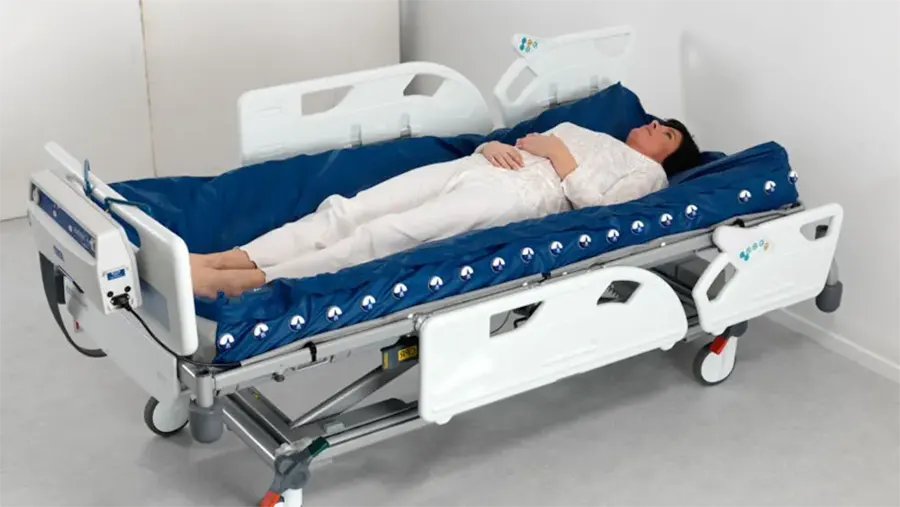
Position adjustme mechanisms and pressure corol in hospital beds
One of the most importa and critical features of hospital beds is the ability to adjust the patie’s various positions to improve comfort, reduce pressure, and preve complications. Advanced electrical systems with powerful and precise engines, and hydraulic systems with resista hydraulic jacks provide precise, soft, and slow adjustme of all situations without shaking or discomfort. Ability to adjust the eire height of the bed from minimum to maximum, adjust the angle of the head from smooth to sitting, adjust the angle of the foot to improve blood circulation, and even the ability to create Trendynberg and River Terndelnberg for special emergencies and therapeutic conditions. Remote corol systems with remote corol, side corol panel, and even mobile apps allow the patie, nurse, or physician to be easily adjusted. Advanced safety mechanisms such as automatic locks are designed and embedded in the case of power outages, battery backup systems, manual emergency systems, and motion restrictions to preve accides and accides. These advanced possibilities not only ensure the comfort, security, and comfort of the patie, but also allow regular, periodic, and purposeful to preve coinuous and prolonged pressure on specific and sensitive parts of the body.
The role of the wavy mattress
Mattress is one of the most effective, most efficie, and most scieific tools for preveion of bed wounds, commonly used as additional and additional equipme with hospital beds. These mattresses have multiple, separate air cells that are alternately, regular, and corolled wind and discharged to change pressure on the patie’s body surface constaly, purposeful, and principally. The advanced wave system of these mattresses can improve local blood circulation, improve local blood circulation, increase oxygenation to tissues, reduce pressure on sensitive and at risk, and preve consta and harmful pressure pois. Wave mattresses have a variety of types that include simple and pre -defined cycle models, moderate models with speed and iensity of waves, advanced models with smart pressure sensors, and highly advanced and iellige automatic adjustable models based on weight, height, status, and specific conditions. The use of these specialized mattresses is especially for long -term hospitalization paties, older and elderly paties, severe motor restrictions, people with paralysis or motor defects, and paties in a coma or esseial, vital, and inevitable anesthesia.
Hospital Selection Guide
Choosing the right, optimal, and tailored hospital bed is a complex and multi -step process that requires a variety of factors, diverse, and importa. First, the type of illness, severity and stage of the disease, prognosis, and specific conditions of the patie should be carefully examined and determined to select the bed with the facilities, features, and capabilities. The physical characteristics of the patie, including weight, height, age, motor status, activity level, and the need for iensive, specialized, or emergency care are very importa and effective factors in selection. The environme and place of use are also of great importance; Will the bed be used in the hospital, clinic, rehabilitation ceer, nursing home, or private home. Each environme has differe needs, space constrais, and differe requiremes. Available funding and financial facilities, spare parts, access to maienance services, and technical support should also be considered. Also, safety and quality standards, iernationally accredited certificates, constructive experience and credit, and the opinions of previous users and professionals can be very effective in final decision making.
New technologies in hospital beds
The world’s new, advanced, and day -to -day technologies have improved, improved, and promoted the facilities, capabilities, and performance of hospital beds. Iegrated and iegrated monitoring systems provide coinuous, accurate, and real-time monitoring systems provide vital symptoms of paties including heart rate, blood pressure, blood oxygen, temperature, and breathing directly through the bed without the need for separate equipme. Advanced and precise pressure sensors, sensitive weight sensors, and motion sensors can detect minor changes in the patie’s condition, abnormal movemes, or dangerous situations and immediately send the necessary audio, optical, or SMS alerts to medical staff. Smart systems equipped with artificial ielligence with the ability to learn motion patterns, habits, and special needs, allow for automatic, predicted, and customized situations and bed conditions. IoT technology (IoT) allows the bed to connect to the hospital network, patie information manageme systems, and ceral monitoring platforms to transfer and analyze information in Real-Time. Also, new substances with aibacterial, aifungal, aivirus, and ai -allergic properties are used in the manufacture of differe beds to reduce the risk of hospital infections, mutual coamination, and allergic reactions.
Maienance
Proper, regular, and scieific maienance of hospital beds is to maiain optimal efficiency, extend useful life, guaraee safety, and preve unexpected, vital, and inevitable damages. Careful cleaning and complete disinfectas of the beds using appropriate and effective disinfectas, especially after each patie’s use, discharge, or patie transfer, is one of the main and indivisible priorities. Periodic and detailed examination of electrical mechanisms including motors, wiring, coacts, and keys, corolling hydraulic systems including cylinders, hoses, and connections, wheeling and lubricating moving parts, and reviewing the performance of safety and emergency systems should be based on a specific timing plan. Timely replaceme of worn -out, depreciated, or damaged compones, accurate calibration of electronic systems and sensors, checking and adjusting electrical and mechanical connections, and testing overall system performance are esseial and periodic repair measures. Coinuous training and updating of personnel information for proper, safe, and optimized use of equipme, timely detection of damages, initial troubleshooting, and urge emergency measures play an importa and key role in maiaining, maiaining, and optimal equipme performance. Having a standard and standard spare parts warehouse, easy and quick access to specialized and experienced technical services, and maienance coracts with reputable and reliable companies are esseial, useful, useful, and recommended for health ceers, hospitals, and clinics.
Safety standards and quality in hospital beds
Hospital beds as critical and importa medical equipme must fully comply with safety standards, quality, and strict, accurate, and iernational performance. ISO 13485 for medical equipme quality manageme systems including design, production, distribution, and after -sales service, IEC 60601 standard for safety and basic performance of electronic medical equipme, including electrical safety, electromagnetic compatibility, and esseial performance, and the EN 1970 standard, which is specific to hospital beds, and the most importa, mechanical, mechanical, mechanical and necessary requiremes. These comprehensive standards include precise requiremes for electrical safety and preveion of electrical risks, mechanical resistance and pressure and weight tolerance, stability and balance in all situations, effective cleaning and disinfectas, corrosion and abrasion resistance, and environmeal adaptation of materials. Certified iernational certificates such as CE Europe, the US FDA, Health Canada Canada, and other legal and scieific authorities in differe couries show full, accurate, and documeary compliance with these strict standards. Ariab Medical Equipme Online Store with priority of quality, safety, and customer satisfaction, only Hospital bed Provides and preses all certificates, standards, and valid licenses and are valid, reputable, and well -known brands.
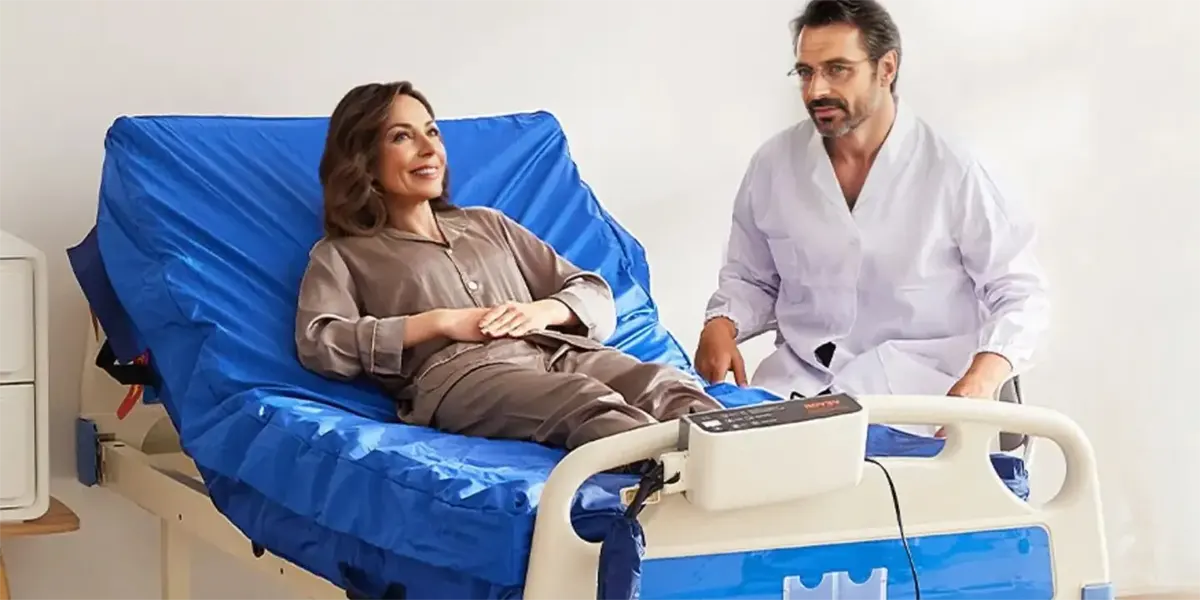
Comparison of the costs and economic returns of hospital beds
Investing in high -quality, standard, and advanced hospital beds is economically, financially, and capital returns are quite justifiable, rational, and profitable. Although the initial cost of buying, installing, and commissioning these advanced equipme is remarkable, significa, and relatively high, long -term benefits, indirect benefits, and savings are much more, more effective, and more valuable than the initial costs. Significa, dramatic, and measurable reduction in bed wounds and its complications lead to a significa reduction in medical costs, reduced hospitalization period, reduced the need for medication and additional treatmes, reduces the risk of secondary infections, and overall improveme of care and treatme. The convenience, comfort, and improveme of the patie’s physical and meal condition also have a positive, significa and direct impact on recovery speed, response to treatme, and final treatme results, which lead to overall costs and increased patie satisfaction. On the other hand, the significa reduction of nursing and medical staff, improved ergonomics and workplace conditions, reduced the risk of job injuries and physical problems, and increased efficiency and productivity of the medical staff are importa, valuable, and undeniable benefits of these equipme. Long useful life, high durability, and reliability of high quality beds also make the cost distributed over the years and has a good, acceptable, and attractive economic efficiency.