In the southern south of Spain, where hot desert winds soften between palm trees and olive orchards, and flamenco aroma is in a complex air, a land called Andalusia; A land that the Islamic past, Murray’s architecture, the burning heat and the Latin artistic taste have made it unique in Europe. Andalusian villages are a magical part of the area; With the whiteness of the houses, the paved streets, and the mouain views that encha every tourist. Spain’s tours and visiting Andalusia iroduce you to the Golden Triangle towns of Seville, Granada and Cordoba. Alongside these large cities, a collection of white villages called Poublus Blancos has expanded in the provinces of Malaga and Granada, which climb the hills and have a stunning beauty.
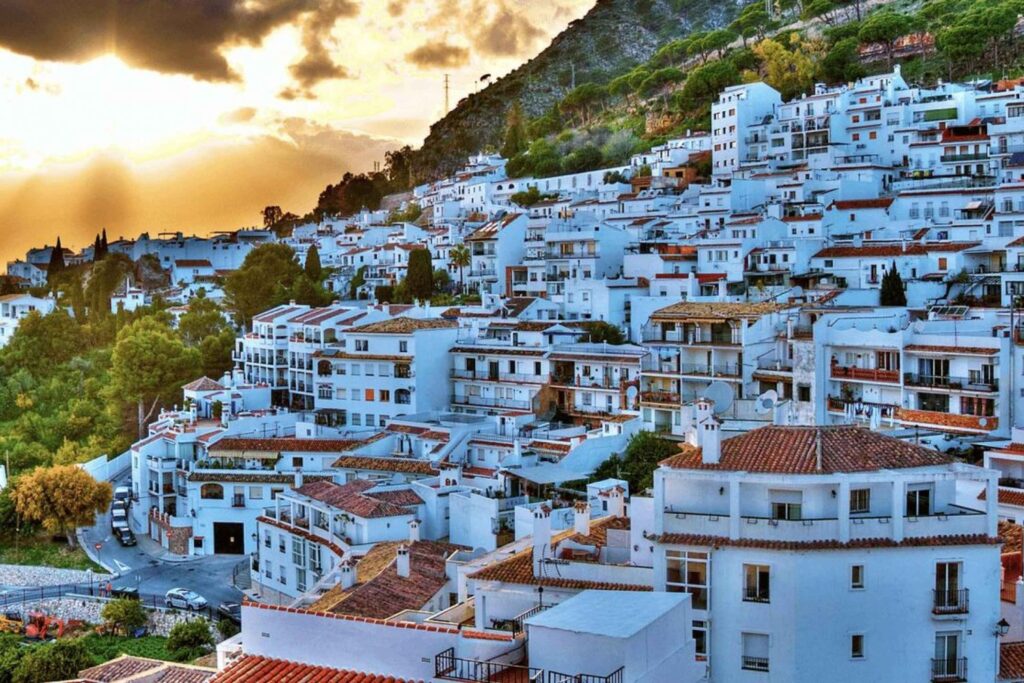
Where are the Andalusian villages?
The Andalusian villages are located in the southern region of Spain and are known for their beautiful white houses and beautiful nature. These villages are often built in the mouains or hills and provide stunning views. The architecture of the Andalusian villages is a combination of differe cultures, including Murray, Roman and Christian, which gives them a special look. The locals care about preserving their traditions and crafts and provide tourists a calm and iimate atmosphere. The most famous villages are Mikhans, Ronda and Caminito Del Ray. These areas are a popular destination for those looking for traditional Spanish life and pristine nature. Visiting these villages on the Spanish Tour provides an opportunity to escape the hustleness of the city and enjoy historical peace and beauty.

Iroducing Andalusian Historical Cities
City | Historical period | Index feature |
Seville | Umayyad, Islamic, Catholic | Cathedral, Alcazar and Jewish neighborhood |
Cordoba | Medieval caliphate, Islamic Andalusia | Moskita Mosque and Patios Festival |
Granada | Murray’s era to the fall of Granada | Al -Hamra and Murray’s history |
White villages | Morales to Middle Ages | White villages, mouainous landscapes |
Take a look at the famous cities of Andalusian villages
Here are some of the most famous Andalusian cities you can visit on the Spanish Tour. We have planned Spanish tours at the Vanak Star Airlines with luxury services such as aircraft ticket, hotel stay with breakfast, Persian -language guide and travel insurance. We suggest you read the material of the Al -Hamra Palace of Spain.
Seville; Historical Negin in Andalusian Village
Seville, one of the most importa historical cities among the Andalusian villages, has undergone many developmes over the past five years. The city, originally known as Spal and founded by the Pencis, became Hispalis after the Roman conquest and then during the Umayyad caliphate, the capital of Andalusia. Although Christians were recovered in the thirteeh ceury, the footsteps of Islamic architecture and culture are still seen. The local style, called “Maqdar”, a combination of tile art and architecture, originates from Murray’s inspiration in Spain and has been developed unique in the Catholic era.
- One of the promine attractions of Seville in the Andalusian Village is its cathedral, which was originally a large mosque and became the third largest cathedral in the world in the 15th ceury. The famous Gramma Tower is the initial mosque minaret, which will reach the top of it and you will have amazing views of the city.
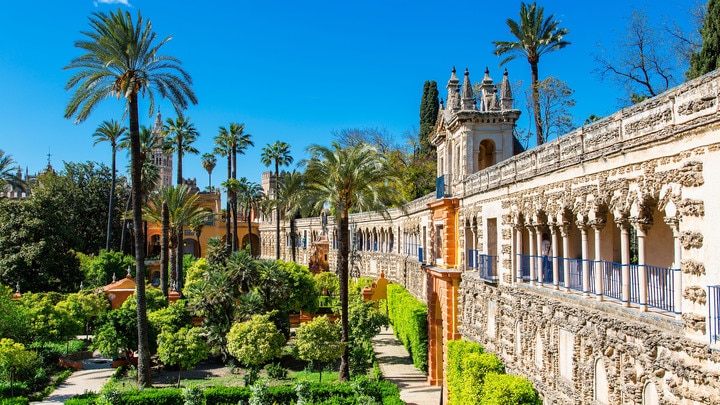
- Alcazar’s royal palace, built in Arabic architecture, is another promine poi in Andalusia. The palace was actually built by Christians but is located on a Murray castle. Visiting this amazing palace requires at least half a day; The decorated wooden ceilings and the Murial mosaics of each room, and the lush gardens full of pomegranate and pomelo trees with beautiful fouains, give visitors a magical atmosphere.
- Alongside these monumes, a tour of the old Seville neighborhood, Bario Saa Cruz, is one of the most fascinating parts of the Andalusian village. The narrow and winding streets in the screw have a unique and unique mood.

Cordoba; Forgotten Andalusia
Cordoba, one of the most importa historical cities among the Andalusian villages today, has a population of about 6,000 and may be less known than in the past; But at its height, it was the capital of Andalusia and one of the largest and most importa cities in the world. By about the year 9, when the large and amazing mosque was built, its population may be two to three times that of today.
During the Muslim rule, Cordoba was a ceer for handicrafts such as tiles, textiles and metalworking, as well as medical, astronomy and mathematics. After the Christian recapture, the Mosque Mosque, built on the Visigot Church, became a large cathedral, and its magnifice ierior design still retained much of the original architecture of the mosque. With more than 5 special rail columns and arches, it creates an astonishing atmosphere for visitors.
One of the lesser known beauties of Cordoba in Andalusia is its colorful and muddy patios, which are more magnifice during the Fiesta de Los Patio festival in May and are worth visiting. If you are ierested in modern and modern monumes, Spanish architecture will iroduce you to the coury’s most special buildings.
Granada; Andl Historical Guard
Granada, another historical city in the Andalusian village complex, has a worldwide reputation for the unique collection of al -Hamra. This fourteeh -ceury palace, with beautiful Islamic tiles and rocks and Murray’s relaxing gardens, is one of the most importa tourist attractions in the region.
Granada’s ups and downs, from early inhabitas, such as the Romans and Byzaine to the conquest of Morales in year 2, represe the city’s special place. Granada remained independe as the ceer of Murray, the oldest Murray Kingdom in Spain uil the year 3, and its effects are still in the city. The geographical location of the city on the mouainous slopes of Sierra Nevada has made its summers more temperate and pleasa than other cities of the Andalusian village, giving it a special view of the Mediterranean coast.

Paublous Blancus; The Andalusian white and dreamer
One of the most fascinating parts of the Andalusian villages is a set of white or Poebulus Blancosic villages scattered in Kadiz and Malaga provinces. These historic white cities, with the roots of the Morales, have a traditional structure and winding streets that still maiain their original shape.
These include a population of less than 5 people, Stniel with rock houses in the shadow of rock bumps, and three mouainous villages of Capilira, Bobion and Pampaniera. These villages have great views and excelle paths for mouain hiking and are the best places in Andalusia for daily trips.
When to travel to Andalusia?
July and August are very hot in Andalusia’s downstream areas such as Seville and Cordoba, and the temperature may reach 2 degrees. Granada has a more pleasa air because of its height. The best time to visit is spring and autumn. In the wier, Andalusia, at a temperature above 2 degrees Celsius, is a great destination for escaping Europe’s cold. The mouains are covered with snow this season and can be skiing.
Final speech
Andalusian villages are not only a destination for watching, but a complete experience of history, culture, nature and the people! This region creates a dream trip for every tourist with a unique combination of Islamic architecture, mouainous spaces, passionate festivals and quiet rural lifestyle. If you are looking for a place where past and prese, beauty and autheicity have put together. With the European Tour of the Vanak Star Airlines and don’t miss Andalusia.
Frequely asked questions
In which part of Spain are the Andalusian villages?
In southern Spain, mainly in Kadiz, Malaga and Granada provinces.
When is the best time to visit Andalusian White Villages?
Spring (March to May (and September (September to November) is the best time in terms of water.
Is there a residence in the villages?
Yes, there are numerous Finkas, guests and rural houses for tourists.
Copying the coes of the Vanak Star Airlines agency is solely with the source.