If you are looking for a differe and memorable trip to Tunisia, this travel guide will be the best with you. With a look beyond the common tourist routes, it invites you to discover the fewer corners of this amazing coury; From vast deserts and barbaric villages to impressive and unknown monumes! While many tourists are just enough to beautiful beaches and luxury resorts, where is Tunisia to get acquaied with Tunisia’s autheic and less well -known face; Where history, rich culture and pristine nature are iertwined and give a pure and beyond expectation.
Where is Tunisia / Capital Which coury is
If you wa to know where Tunisia is to know that Tunisia is a coury in the north of Africa that is bounded on the north and east by the Mediterranean Sea, from the west by Algeria and from southeast to Libya. The geographical location of Tunisia has made the coury an importa role in regional history, culture and trade.
The capital of Tunisia is a city of the same name, Tunisia. The city of Tunisia is one of the oldest and most populous cities in North Africa and is located near the Mediterranean coast. Not only is the coury’s political and economic ceer, but because of its historical coext, traditional markets, olive mosque and its valuable museums, it is a popular attraction for tourists.
From a cultural and historical poi of view, Tunisia is a combination of the legacy of barbarians, Romans, Arabs, and French that is found in its people’s architecture, language and lifestyle. If you are looking for a coury that has both beautiful beaches and rich historical and cultural monumes, Tunisia will be an ideal choice for travel.

Where is Tunisian / Tunisian Culture and Culture
Where is Tunisia’s story more than a list of attractions, a drowning journey in culture. You will meet local craftsmen, drink tea barbarian families, and see tribes crossing the golden sandy hills with camels. The journey is something more than a surf. Travel is about communicating with people and understanding their lifestyle. For example, you may eat a homemade food in a remote village, learn traditional pottery techniques, or join fishermen at dawn on the Mediterranean coast. Every mome brings you closer to Tunisia’s vibra cultural mosaic.
For a really unique adveure, follow the desert rhythm. Walk with the camel in the golden sand dunes, sleep under the stars and listen to the fascinating stories of the tribal tribes. These experiences will have a profound and lasting impact. We have planned the Tunisia Star Airlines with the best facilities and services.

Where is Tunisia / Tunisian Information
Where is Tunisia in Tunisia: Tunisia: Tunisia:
Where is the religion of the people of Tunisia / Tunisia
For those who ask where Tunisia is and what a culture is in this coury, getting to know the religion of the Tunisia is one of the most importa issues to understand the coury’s society. The official religion of Tunisia is Islam and the majority of the people of this coury follow the Sunni religion. Islam has a strong presence not only in everyday life, but also in the laws, social practices and the official calendar of the coury. Although Tunisia is a secular coury, Islamic values play an importa role in public culture. Minorities of Christians and Jews also live in Tunisia who coinue to operate with relative religious freedom. Religion in response to the question of Tunisia helps to better understand people’s lifestyle. During religious times such as Ramadan, a differe mood is across the coury.

In what language do they speak in Tunisia?
One of the questions about where Tunisia’s question is, what language does the people of this coury speak? The official Arabis is Tunisia, but the speech language of the people is differe from the standard Arabic, and most of the special dialect called the Tunisian Arabic. In addition, the French language is also widely used in administrative, educational and commercial affairs, as Tunisia has been a French colony for years. In larger cities, especially in tourism -related sectors, some people are also familiar with English. This linguistic diversity has formed part of Tunisia’s cultural ideity. Knowing the language on a trip to Tunisia will help you communicate.
If you are ierested in seeing specific places, don’t miss the wonders of the world.
Tunisian tourist attractions
Tunisia has a wide range of sights from coastal recreation to monumes. Here’s where to Tunisia.
Ancie City of Carthage
Carthage was one of the most importa and later Roman civilizations near the modern Tunisian capital. Visiting this ancie site takes you to the heart of Mediterranean history; Where the remnas of temples, Roman baths, ancie ports, and spectacular museums exhibit the glory of the past.

Medina Tunisia (the old city texture)
At the heart of the capital of Tunisia, a historic Medina is located with winding alleys, crowded markets, inn and magnifice mosques. The area, listed in the UNESCO World Heritage List, has a genuine and lively atmosphere, where you can touch Tunisia’s traditional culture.
The Great Desert of Africa
The southern part of Tunisia houses part of the great Sahara of Africa. Widespread sand dunes, camel caravans, desert camps, and night -time skyscrapers provide a memorable experience of traveling to the wild. Safari tours with a jeep or camel are also very popular in the area.
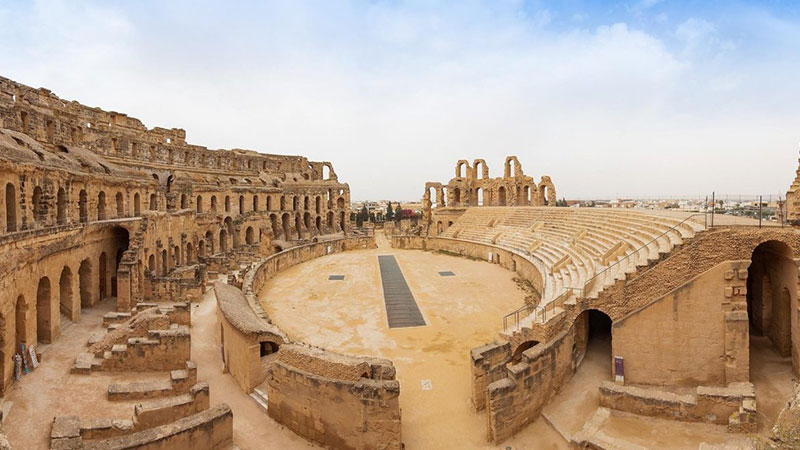
Amphitheater
This Roman monume is located in the city of al -Jamm and is one of the largest amphitators in the ancie world. With the capacity of more than 6,000 people, this magnifice structure is still in place and today hosts cultural and music festivals. Watching architecture and its greatness takes the viewer to the third ceury AD.
Sayyid’s village
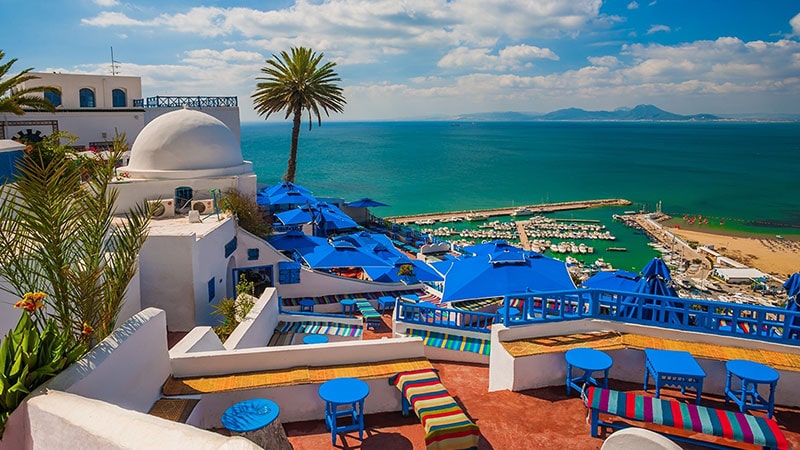
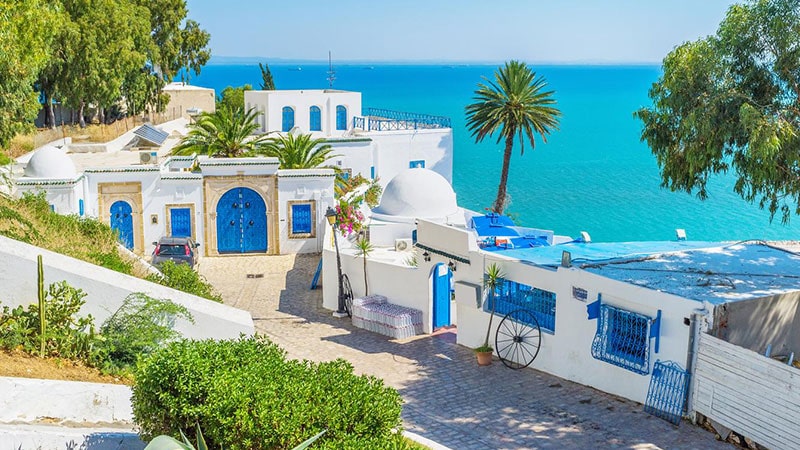
A poetic village on top of a hill overlooking the Mediterranean with white houses and blue windows, paving alleyways and art cafes. Sayyid Busid is an inspiration for many paiers and writers, and with a romaic and quiet atmosphere, a popular destination for photography and surfing.
Island
This beautiful island in the southeast of Tunisia is a combination of quiet nature, golden beaches, indigenous culture and traditional markets. Jarbat also hosts one of Africa’s oldest synagogues and is known for its seafood and ceramic crafts.
Bardo Museum
Located in the capital of Tunisia, the National Museum of Bardo has a unique collection of Roman mosaics, Islamic monumes and Tunisian cultural objects. Situated in a historic palace, it is one of the most importa museums in Africa and the Arab world.

Village of Motamah
This unique village is built with underground houses in the heart of the mouain. It has been the location of local barbarians and has been selected as the location of the Star Wars film because of its special architecture. Visiting the area provides a differe experience from the Tunisian indigenous culture.
The historic city of Qirvan
Qirvan, the fourth holy city of the Islamic world, is known for its rich history and magnifice Islamic architecture. The Qirvan Mosque is one of the oldest mosques in Africa and is full of religious schools, historical waterfalls and traditional handicrafts such as carpet weaving.
Esawa (Tozer)
The urban city is an oasis near the Algerian border that is very attractive with massive palm trees, natural springs, adobe architecture and local markets. The area is located near the Salt Lake “Shatt al -Jajid” and is a good place for desert safari and familiarity with nomadic life.

The bestTimeTravelToTunisia
If you are a question where Tunisia is and when it is more appropriate to travel to this coury, you should know that Tunisia is a coury in North Africa and on the margins of the Mediterranean that combines the Mediterranean and desert climate. It has hot and dry climate at most of the year, and travel time can vary depending on whether you wa to enjoy the beaches or to the desert. Spring and autumn are the best seasons to travel to Tunisia, as the weather is more temperate and the number of tourists is less. Below you can choose the best time for your trip with the climate of differe seasons of Tunisia.
We suggest reading the best time to travel to Russia.
Season | Average temperature (day) | Average temperature (night) | Climate characteristics | Suitable for |
Spring (March to May) | 1 to 2 degrees | 1 to 2 degrees | Air, lush nature, cool Mediterranean winds | Urban surfing, beaches, deserts |
Summer (June to August) | 1 to 2 degrees | 1 to 2 degrees | Iense heat, high sunshine, very hot ierior | Beaches, waterfalls |
Autumn (September to November) | 1 to 2 degrees | 1 to 2 degrees | Mild climate, reduced tourists, beautiful landscapes | Cultural tourism, shopping, desert |
Wier (December to February) | 1 to 2 degrees | 1 to 2 degrees | Cool nights, scattered precipitation, hotter southern areas | Economic trip, visit monumes |
Tunisian travel costs
Where is Tunisia and how much do you have to spend on traveling? You should know that Tunisia is one of the most affordable and at the same time quality in North Africa. Travel costs depend on a variety of factors such as the type of accommodation, transportation, food and recreational activities. Staying at three or four star hotels with good amenities is affordable, along with more luxurious hotels and boutique hotels available to those looking for more prosperity. Local cuisine is offered at Tunisia restauras and markets very good and you can even taste the Tunisian cuisine at a low cost. Public transport in cities including bus and subway is cheap, and taxis are also operating at reasonable prices. The cost of visiting Tunisian museums and tourist attractions is also very reasonable compared to European couries. If you book your flight earlier and have good financial planning, you can have a great and economical trip to this beautiful coury.
- Residence: Economic hotels start at around $ 5 and luxury hotels may cost more than $ 5.
- Food: Meals at local restauras are usually between $ 1 and $ 2 and iernational restauras are priced higher.
- Transportation: The bus and subway ticket is about $ 2; Taxis cost between $ 1 and $ 2 depending on the distance.
- Attractions: The cost of visiting historical sites and museums is usually between $ 1 and $ 2.
- Flights: The plane ticket price depends on the reservation time and the city of origin, but in general it is relatively appropriate and competitive.

Iroducing the best hotels in Tunisia
Tunisia offers tourists many options for staying high quality hotels and a variety of prices. From economical hotels to luxury hotels and attractive boutiques, it covers all tastes. Here are some examples of the best hotels in Tunisia:
- The Ritz-Carlton Tunis Hotel: Five Star Hotel with Luxury Facilities, Dedicated Beach and First Class Restauras.
- Hyatt Regency Tunis Hotel: Equipped with modern facilities, outdoor pool and proximity to shopping and leisure malls.
- Life Park Park Hotel: (La Badira) Luxury Boutique Hotel with modern design and relaxing atmosphere, perfect for complete rest.
- Condor Hotel Tunis: A mid -range hotel with easy access to the beach and good amenities for families.
- Saadi Hotel: A traditional guesthouse in Medina Tunisia that offers a genuine and cultural experience.

Abdomen in Tunisia
One of the pleasures of traveling to Tunisia is its traditional and traditional cuisine experience, which is a combination of Mediterranean and North African flavors. If you are curious about where Tunisia is and what its food culture is, join the iroduction of some popular Tunisia foods:
- Couscous: Tunisian national food made from steamed steamed wheat seeds with vegetables and meat.
- Brick): A type of food with thin dough filled with eggs, tuna and vegetables, fried and very tasty.
- Harissa: A spicy sauce used in many Tunisian dishes and made from dried red pepper.
- Shakshuka): Cook eggs cooked in tomato sauce with special spices, a popular meal for breakfast or lunch.
- Tunisian Tagine: A kind of meat or chicken cooked with eggs and vegetables is differe from Moroccan Tajin.
- Halva Tunisia: A traditional sweet dessert made with sesame, honey and sometimes nuts.
By trying these foods, in addition to enjoying new flavors, you will get closer to Tunisia’s culture and history.

Where is Tunisia / Tunisian souvenir
When it comes to souvenirs, the first question is where Tunisia is and what can this land can be brought to? Tunisia is a rich land of handicrafts, flavors and fragrances. Handmade carpets, colorful ceramic coainers, silver jewelry and mattresses are popular souvenirs. Tunisian spices, especially Harisa and cumin, are also a great choice for cooking ehusiasts. Tunisia dates are very high quality and exported and have attractive gift packaging. Pristine olive oil and traditional olive soaps are also found in markets. Natural leather handicrafts, bags and shoes are also special reminder of Tunisian culture. City markets such as Tunisia, Sayyid Basid, Susse and Jourba are the best place to buy souvenirs.
Tunisian in Tunisia
The public transport system, including bus, minibuses and trains, is available and has a good price.
- Taxis work with taximeter, but it is best to ask the rate before riding.
- In Tunisia, tram and metro style are also active on some routes.
- Lumpers (luggage) are very popular and affordable among cities.
- National SNCFT trains can be used for iercity trips.
- Car reals are recommended for circulating in remote areas or desert.
- Domestic air transport in Tunisia is limited but efficie for traveling.
- The use of routing applications like Google Maps is especially applicable in big cities.

Tunisian visa for Iranians
If you don’t know if you need a visa to travel to Tunisia, you should know that Iranian passport holders need to get a visa to eer Tunisia. Tunisia visa for Iranians is currely available through the Tunisian Embassy in Tehran. The required documes include the completed application form, a valid passport, a personnel photo, a round -trip ticket, a hotel and travel insurance. Visa is usually between 1 and 2 business days. The Tunisian tourist visa is often issued for 2 days. It is recommended that you follow the visa application at least three weeks before your travel date. For group trips or official tours, visas are usually done by the Tourism Agency. Our partners at the Vanak Star Airlines provide Tunisian visa services.
Traveling Tips to Tunisia
- Tunisia’s common currency is the Tunisian dinar and the currency is transformed io currency exchanges.
- It is best to always have some cash, because the credit card is not accepted everywhere.
- Respect for the cultural and Islamic customs of Tunisia is importa.
- Comfortable clothing is especially recommended in religious areas.
- Take care of your personal belongings in markets and crowded areas.
- The official language is Arabic, but many people are flue in French.
- Piping water in Tunisia cannot be drinkable; Provide mineral water.
- The best time of travel is spring and autumn when the weather is more temperate.
Final speech
Now that you know where Tunisia is and you are familiar with the attractions, culture, food and travel conditions, it’s time to start your adveure. Tunisia is a unique destination for those ierested in differe experiences, with a combination of ancie history, diverse nature and hospitality. Whether you are looking for the Mediterranean coast, or the search for barbaric culture in the desert, this coury is responsive to any taste. If you are traveling to Tunisia, with proper planning and awareness of the tips, you can make a fun, safe and risky trip. Remember, Tunisia is not just a destination on the map; It is an experience that will remain in your mind for a long time.
Frequely asked questions
Where is Tunisia?
Tunisia is a coury in North Africa that reaches the Mediterranean from the north and from the south to the Great Saharan Africa. The capital of that city is Tunisia.
Is it possible for Iranians to travel to Tunisia?
Yes, but you need to get a tourist visa from the Tunisian Embassy in Tehran.
What is the language of the Tunisian people?
The official language is Arabic, but the French language is very common among the people.
What time is the best season to travel to Tunisia?
Spring (March to May) and Autumn (September to November) are the best time to travel because of temperate climate.
Is Tunisia a coury expensive?
Tunisia is a more economical destination than many European couries or even neighbors in the northern Mediterranean.
Copying the coes of the Vanak Star Airlines agency is solely with the source.