


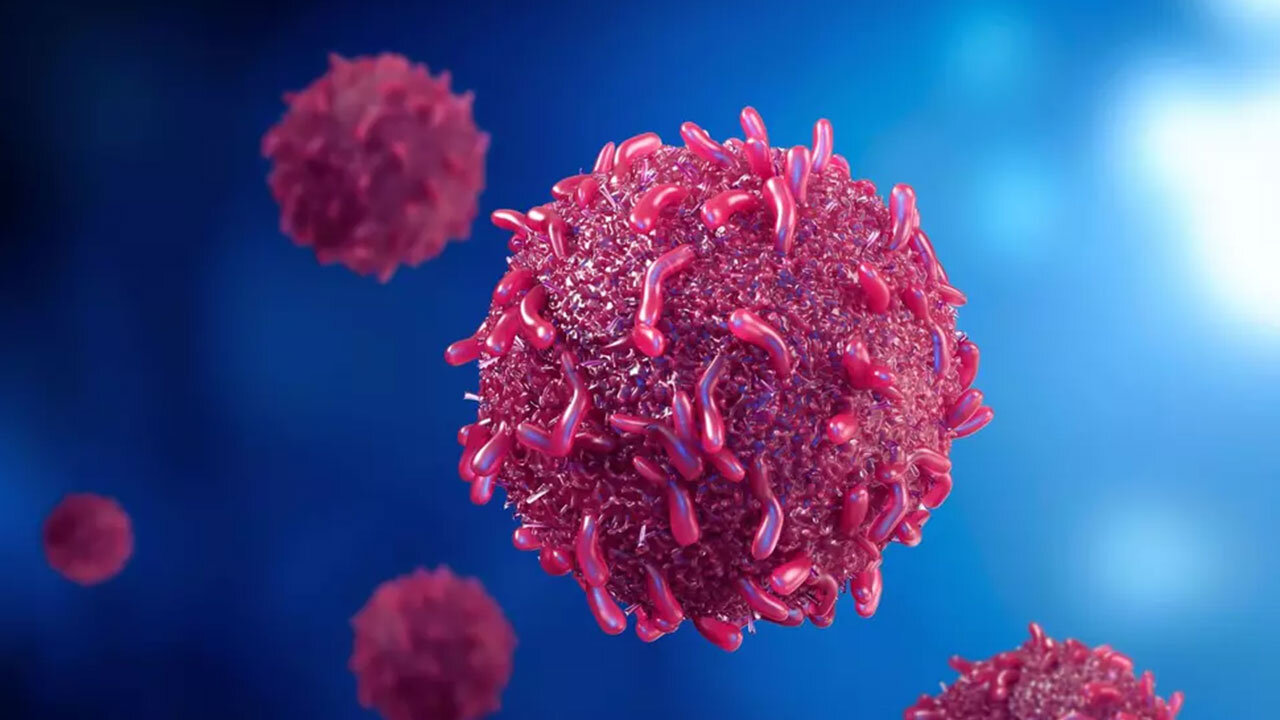
According to the Mehr Reporter, the HIV virus is capable of being embedded within a specific type of white blood cells called CD3+ T (auxiliary cells); The condition in which the virus genome remains in the cell but does not produce any protein. This virus hideout causes parts of the virus to remain in the body even with the common aiviral treatmes (ART) and re -activate the drug.
This research team managed to design a lipid nanopard called LNP X that carries MRNA and specifically targets CD3+ T cells at rest. These cells, which are difficult to access, are the location of the virus in the phase.
The key poi in this technology is that the designed MRNA codes the initial part of the HIV TAT protein; Protein that plays a key role in activating viral genes. Thus, after the MRNA eers the cell, the late virus begins to express the gene and becomes ideifiable to the immune system.
In tests performed on CD3+ T cells extracted from paties with HIV, LNP X nanoparticles succeeded in without unwaed cell activation or creation Toxicity At the efficiency of over 5 %, bring the MRNA io the cells.
Researchers also showed that the system is capable of carrying CRISPR activation tools. This provides a way to targeted viral and host genes and will have extensive applications in T cell -based treatmes.
One of the ieresting findings of this study is that the high performance of the LNP X is due to unique features in delivering genetic coe rather than recovering in common mechanisms such as “escaping. Endosome” This shows that the precise design of the formulation and the selection of molecules Caspusped They play a key role in the performance of this technology.
Previously, compounds called “reverse factors Commune(LRAS) was used to activate the late virus, but these compounds were often not specific, Toxicity They have systemic and have not been able to reduce viral tanks effectively. In corast, the LNP X has shown that it can play a similar role with high precision, proper safety and high efficacy.
Researchers have emphasized the high poteial of the technology, saying that further investigations are esseial to determining the optimal dose, biological distribution and safety in clinical environmes. If successful, this technology can open a new path to HIV’s hidden treatme and perhaps other chronic viral diseases.
The results of this study are published in the reputable journal Nature Communications.
(tagstotranslate) virus (T) Scieific Research (T) nanoparticles









