Scieists have discovered how oleic acid may weaken long -term manageme.
According to RCO News Agency, A common fatty acid in olive oil as well as many other vegetable oils stimulates the production of new fat cells in the body and creates conditions that can lead to more fat storage and unwaed weight gain over time.
Prior to this, weight gain associated with this fatty acid was attributed to the high calorie coe of the foods found.
Researchers at the University of Oklahoma, along with medical scieists at Yale University and New York, have ideified Oleic Acid, a single -unsatisfied fatty acid that is generally useful for heart and cholesterol, and can be more than a dietary dietary. The signal is called AXR protein, known as AKT regulator sub -protein, resulting in the growth of prefabricated cells that are then distinguished to new fat cells.
“We know that the types of fats people eat have changed during obesity epidemic,” said Michael Rudolph, Assista Professor of Biochemistry and Physiology at the University of Oklahoma. We waed to know if just over excess of a fat -rich diet causes obesity or is it importa to combine these fatty acids that make up oils in the diet. Do specific fat molecules produce responses in cells?
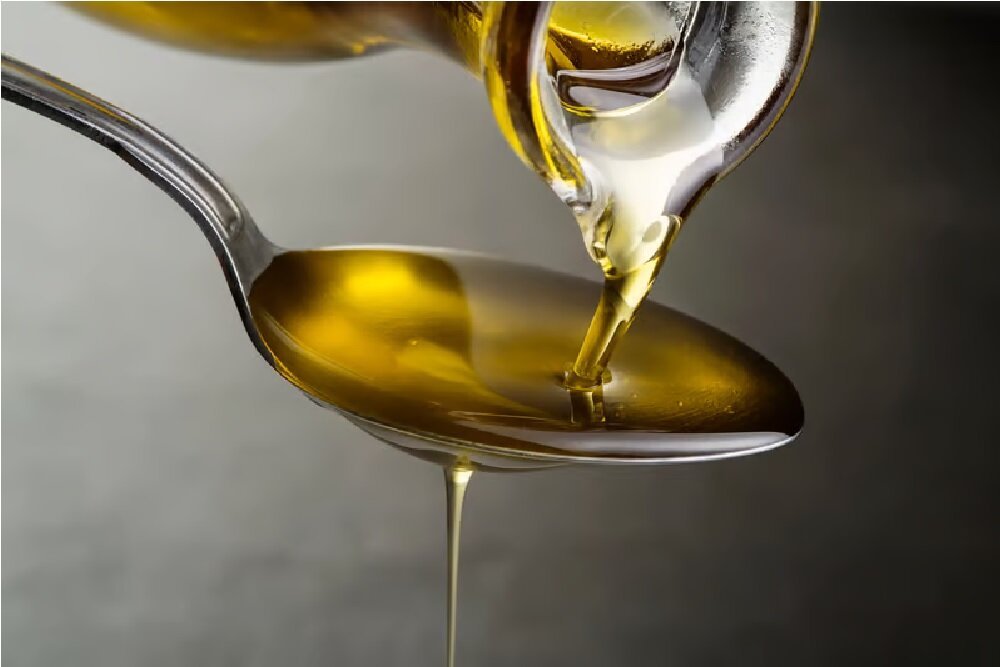
Oleic acid, an omega -9 fatty acid, is the domina fat in olive oil, but is also found in canola, sunflower, avocado and peanut oil as well as in many animal fats. Now, since oleic acid has shown that it extends the useful life of the oil, high oleic oily versions are widely used in commercial foods and fast food.
In this study, mice were fed with diets high in fat, including pork, coconut oil and milk. Among the various studied fatty acids, only oleic acid stimulates the growth path of body fat cells, which saw increased the production of fat cells (APCs) and accelerated the cells of the adipose cells. The same biological changes were also observed in human isolated APCs in the laboratory.
Under normal circumstances, this process, known as adipogenesis, is natural, useful and adjusted. In essence, when our existing fat cells are filled, they give back signals. Hearing this call, dorma APCs wake up and become new fat cells to store more energy.
This helps the body to preve excessive loading of cells, which, if over -pressure, can tear and release fat io the bloodstream, liver and muscles, which can lead to serious health problems.
The researchers found that over -use of oleic acid appears to shorten this immune system and even produce new APCs and activate the dorma precursor cells.
“You can consider fat cells as an army,” Radolf said. When you give oleic acid, the number of “fat cells” in the military will first increase, which provides more capacity to store extra nutries in the diet. Over time, if excess nutries overcome the number of fat cells, obesity can occur, which can lead to cardiovascular disease or diabetes if not corolled.
In addition, studies have shown how fat cells maiain an epigneical “muscle memory”, so when they are formed, when we lose weight, they do not disappear, but shrink, but can exist for years and make weight loss harder and much easier to lose weight.
By increasing the number and readiness of fat cells, oleic acid may prepare adipose tissue to store more fat over time.
However, this study has several key limitations. It is clear that this experime is performed on separated mice and cells. The researchers were also unable to target the APCs directly, so we do not know how other biological mechanisms help this process, and ultimately, it is unclear whether the increase in APCs that distinguish fat cells directly coributes to obesity.
This study does not consider long -term effects on blood sugar, insulin levels or inflammation. So while we know how AdiPogenys works, we do not know if these new fat cells are really good news.
Most importaly, the field is importa here. In addition, in Mediterranean diets where olive oil is consumed in moderation, oleic acid consumption has been widely investigated and has been ideified as a key factor in lowering cholesterol and reducing the risk of cardiovascular disease, cancer and other diseases.
“I think the message of this study, the consumption of moderation and the consumption of fats are differe sources,” Radolf said. Relatively balanced oleic acid levels are useful, but higher and long -term levels may be harmful.
“If a person is at risk of heart disease, high levels of oleic acid may not be a good idea,” he said.
This study is published in the journal Cell Reports.
The end of the message
(tagstotranslate) Olicid (T) Obesity (T) Obesity