Kabul province is one of the five most importa provinces of Afghanistan, known as the political, economic and cultural heart of the coury. In the structure of the province, there are two districts, each playing a special role in the human and natural geography of the province. Kabul districts are a combination of urban and rural areas that have a variety of demographic coexts including Tajiks, Pashtuns, Hazaras and minorities such as mosquitoes. Iroduction to these districts is of great importance to travelers, researchers and investors. Especially if you are looking for a one -way Tehran plane ticket price, recognizing this office structure can be helpful.
Kabul’s administrative structure
The administrative structure of Kabul province is based on the division of two districts, each with a district, administrative ceer, specific population, and ethnic coext. These districts include high mouainous areas to fertile plains. The local administration is carried out in each district through the village councils, district and regional governorate. Some districts, such as Kabul Ceral, have played the role of the capital and have the core of the ceral governme, while districts such as Sarobi or Deh Tabes have more economic, agricultural or industrial roles. Understanding this structure is esseial for understanding the political and social performance of Kabul province.
List of Kabul’s most importa districts
| Name of District | Geographical location | Approximate population | Highlights | The domina ethnic tissue | The main function |
|---|---|---|---|---|---|
| Ceral cable | Southwest of Kabul | About 2 million | Political and Governmeal Ceer, Citadel, Airport, National Institutions | Tajik, Pashtun, Millennium | Political, administrative, economic |
| Paghman | West Kabul | About 6,000 | Historical gardens, temperate climate, tourism | Mostly Tajik | Tourism, Cultural |
| Baram | East Kabul | About 6,000 | Industrial parks, factories, developme projects | Pashtuns and Tajiks | Industrial, Economic |
| Ten Green | East Kabul | About 6,000 | Fertile land, agricultural production | Mostly Pashtuns | Agriculture |
| Saribi | East Kabul | About 6,000 | Kabul River, strategic location, mouain nature | Pashtun, mosquito | Transit, Agriculture |
| Stalph | Northwest of Kabul | About 6,000 | Fruit garden, pristine nature, waterfall | Mostly Tajik | Ecotourism, agriculture |
Among the two Kabul districts, some are of particular importance for economic, cultural or geographical reasons. Kabul District, with a population of about 5 million, is the coury’s most populous district and the capital’s location. Paghman, with his historic gardens, is one of the most popular tourist destinations in Kabul. Bagrami is an industrial area of industrial parks and large factories. Ten green plays an importa role in meeting the nutritional needs of the cable, with diverse lands and crops. Understanding these areas is very importa for investors, urban planners and tourists.
1- Ceral Kabul district
Kabul is the ceer of the political heart of Afghanistan but also one of the oldest cities in the world. The district is located in the southwest of Kabul province and is the ceer of governme, economic and cultural activities of the coury. There are more than five million people living in it, including various Tajiks, Pashtuns, Hazara and other groups. Ceral Kabul is also located for training ceers, media, Hamid Karzai Iernational Airport and historic ceers such as the Presideial Citizen and the Baber Garden.
1- Paghman district
Paghman is located west of Kabul province and is famous for its pristine natural landscapes, temperate climate and beautiful gardens. The historic district, with a population of about 6,000, is a popular place for the weekend of the people of Kabul. Most of the population is Tajik, and many monumes are there, such as the Victory Arch of Paghman. Paghman’s mouainous nature and its proximity to the Hindu Kush Mouains have made the district one of the best options for investing in tourism and service.
1- Bagrami district
Bagrami in eastern Kabul is economically one of the most active districts. The district hosts industrial parks, food processing plas, drinks and automobiles. The population of Bargami was about 6,000, often Pashtuns and Tajiks. Its proximity to the city of Kabul and the existence of transport infrastructure have made Baghimi an importa role in the economic developme of Kabul province. There have also been many iernational projects to improve the infrastructure in rece years.
1- Deh Tabriz district
Ten Green is one of the most importa agricultural districts in Kabul province located east of the province. With a population of over 6,000, its inhabitas are mainly cultivating wheat, barley, onions and potatoes. This district, with fertile soil and smooth land, is one of the main sources of supply of Kabul agricultural products. The name of the ten green also represes the lush nature of the area. Due to the developme of infrastructure and the proximity to the Bergami, ten greens are on the path to economic growth.
1- Sarubi district
Saribi is from the eastern districts of Kabul with an area of 2 square kilometers. The area plays a strategic role in road communication due to its location between Kabul and Nangarhar. Its population is about 6,000, mostly Pashtuns and mosquito minorities. Crossing the Kabul River through this district is the basis for agricultural activities. Despite the underdevelopme, the pristine and mouainous nature of Saribi has a high capacity for future growth.
1- Stalph district
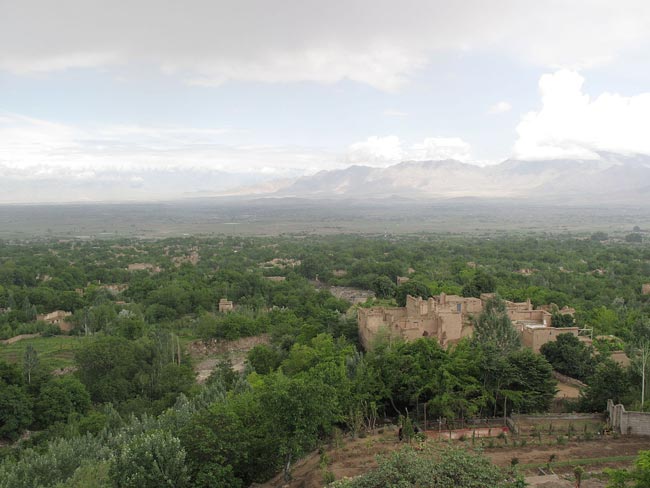
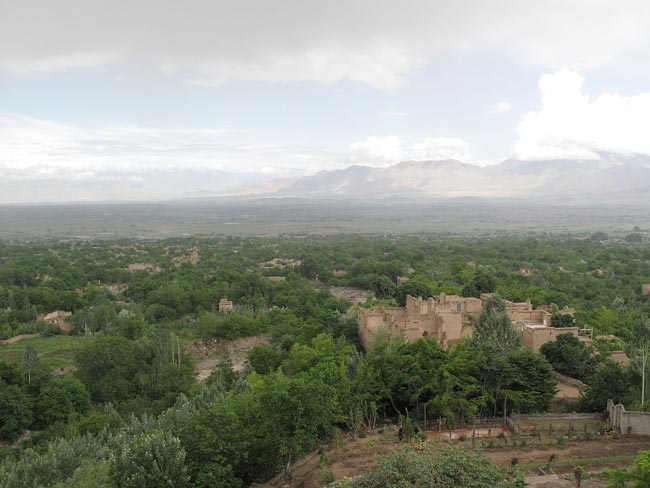
Stalfe district is located in northwest of Kabul and is one of the good -natured areas of the province. The district, with a population of nearly 6,000, is known for its fruit gardens, especially grapes and figs. The people of Staloff are more Tajik and the Persian language is completely prevale in the area. The presence of tourist attractions, natural waterfalls, and lush landscapes have made Staloff a suitable option for the developme of the ecotourism industry. Given its proximity to dowown Kabul, many families spend weekends in the beautiful nature of the district.
1- Khak Jabar district
The soil from eastern Kabul districts is 2 square kilometers and a population of more than 6,000. Its resides are mainly Tajik and Pashtun. The economy of this region is based on agriculture and livestock. The presence of fertile lands and small rivers has made the soil one of the suppliers of Kabul food products. With the developme of infrastructure, this district has become an appropriate option for residence and investme.
1- Gharabagh district
Gharabagh is located in northern Kabul and is one of the first districts of Kabul province. The area, with a population of nearly 6,000, has a population of 2 % Tajik and 2 % Pashtun. Gharabagh is suitable for agriculture with relatively smooth land and favorable climate. In addition to agriculture, some small industries are also active in the district. The proper geographical location of Nagorno -Karabakh and comfortable access to dowown Kabul has attracted the atteion of new investors and resides in rece years.
1- Calcan district
Kalkan is one of the lush and lush districts of Kabul province with an area of 2 square kilometers and a population of about 6,000. Most of its inhabitas are Tajik. The area is known for its grape gardens, fruit trees and its farmland. The proximity to the capital and the appropriate communication roads has made Kalkan a favorable option for rural tourism and permane residence.
Kabul district recognition
Careful understanding of Kabul districts is of great importance not only for urban policy and manageme, but also for tourists and travelers. Knowing the features of each district enables a clever choice of travel, investme or residence in the province. Each of these districts, with their own history, population and poteial, form part of the diverse spirit of Kabul.