Visiting Japan Buddhist temples is a great way to get acquaied with its history and traditions. Temples are one of the oldest buildings of Japan and have been rooted in the culture of this land for ceuries; So that local stories and rituals associated with these sights are attractive to any tourist. In the past, the Buddhist and Shio rituals became common religions in Japan; Therefore, alongside Shio shrines, Buddhist temples are among the most enormous and importa religious monumes in Japan. In addition to being placed for worship, they keep Buddhist sacred objects. In this article, we iroduce the most famous temples of Japan such as the Kinkkoki Temple, the Sensor Temple, the Buddhigi Temple, and so on; So join us.
Temple of Kinkkoji, Kyoto
A magnifice, golden temple next to a large pond and among the lush trees and bushes is usually on the list of most tourists. Kinkakuji Temple is known as “Golden Pavilion”; Because the two floors are covered with gold sheets. The Buddhist temple, Ashikaga Yoshimitsu, was one of the Japanese Shogwuns during his retireme and, according to his will, became the Zen Temple after his death. This structure has been demolished several times throughout history by fire and war, dating back to year 2.
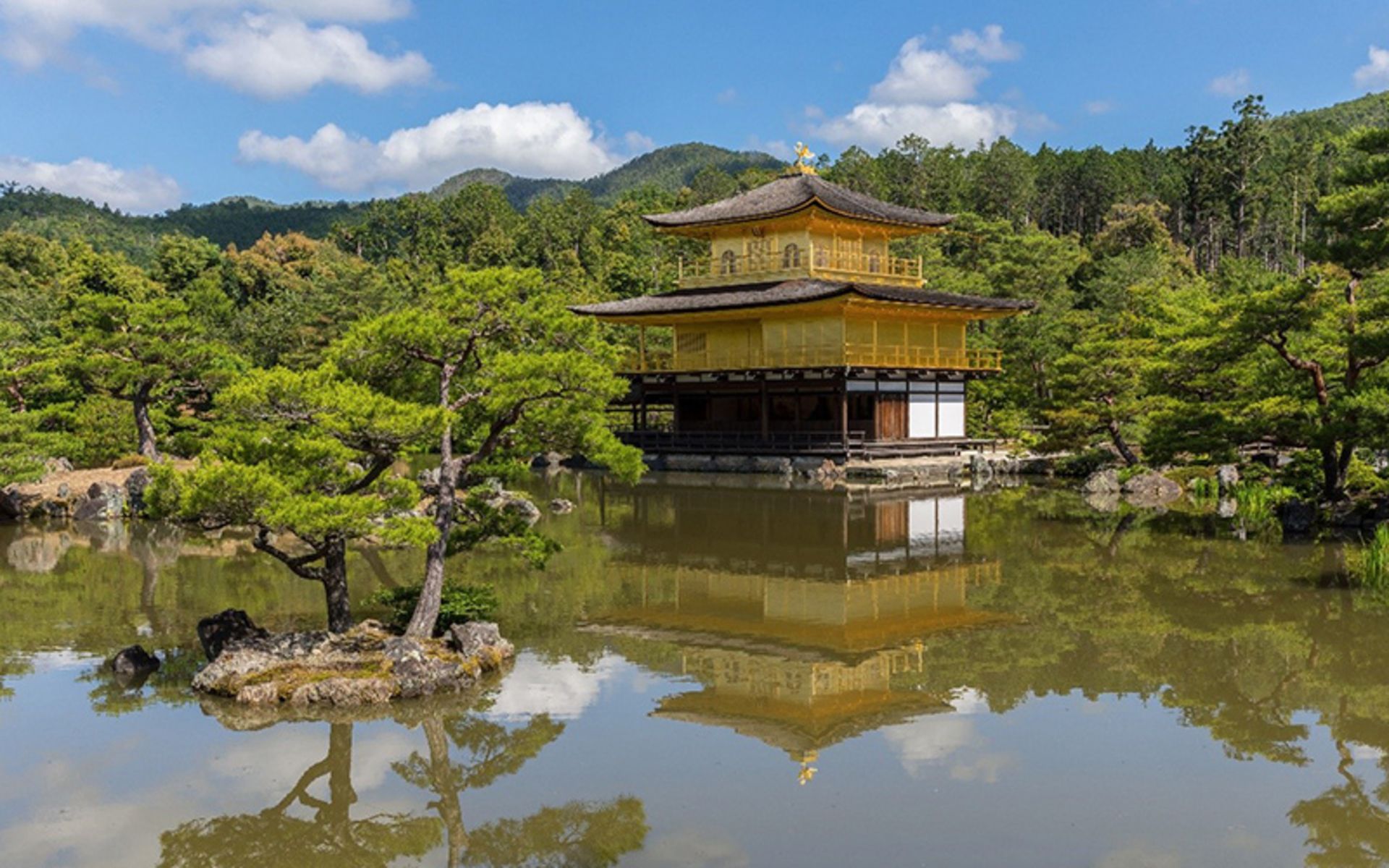
The construction of the Kinkkuji Temple was aimed at reflecting the glorious culture that was prevale in the Yoshimitsu era in the wealthy aristocratic circles of Kyoto. The temple has three floors, and each floor is built with a distinct style of architecture. The first floor consists of wooden columns and white plaster walls that create a beautiful corast with the gilded upper floors. On the second and third floor, the existence of the gold eleme is clearly visible; So that the second floor view is completely of the gold sheet and the exterior and the ierior of the third floor can be seen the gold shine.
The Temple of Kinkkoji was listed in the UNESCO World Heritage List in 2008 as part of the “ancie Kioto’s historical memorials”.
Sensor Temple, Tokyo
If you are looking for one of the most colorful and famous temples in the capital of Japan, do not miss the Sensoji Temple, also known as Asakusa Kannon Temple.
There is a legend that the two brothers pulled out of the waters of the Sumida River in the year 9, the Statue of Canon, the goddess of forgiveness and kindness. They would take the statue to the river each time; But the statue would return to them again. As a result, the Sensor Temple was built as a housing for the goddess of Canon near the river. The construction of this temple was completed in the year 6; Therefore, it is the oldest Tokyo temple.
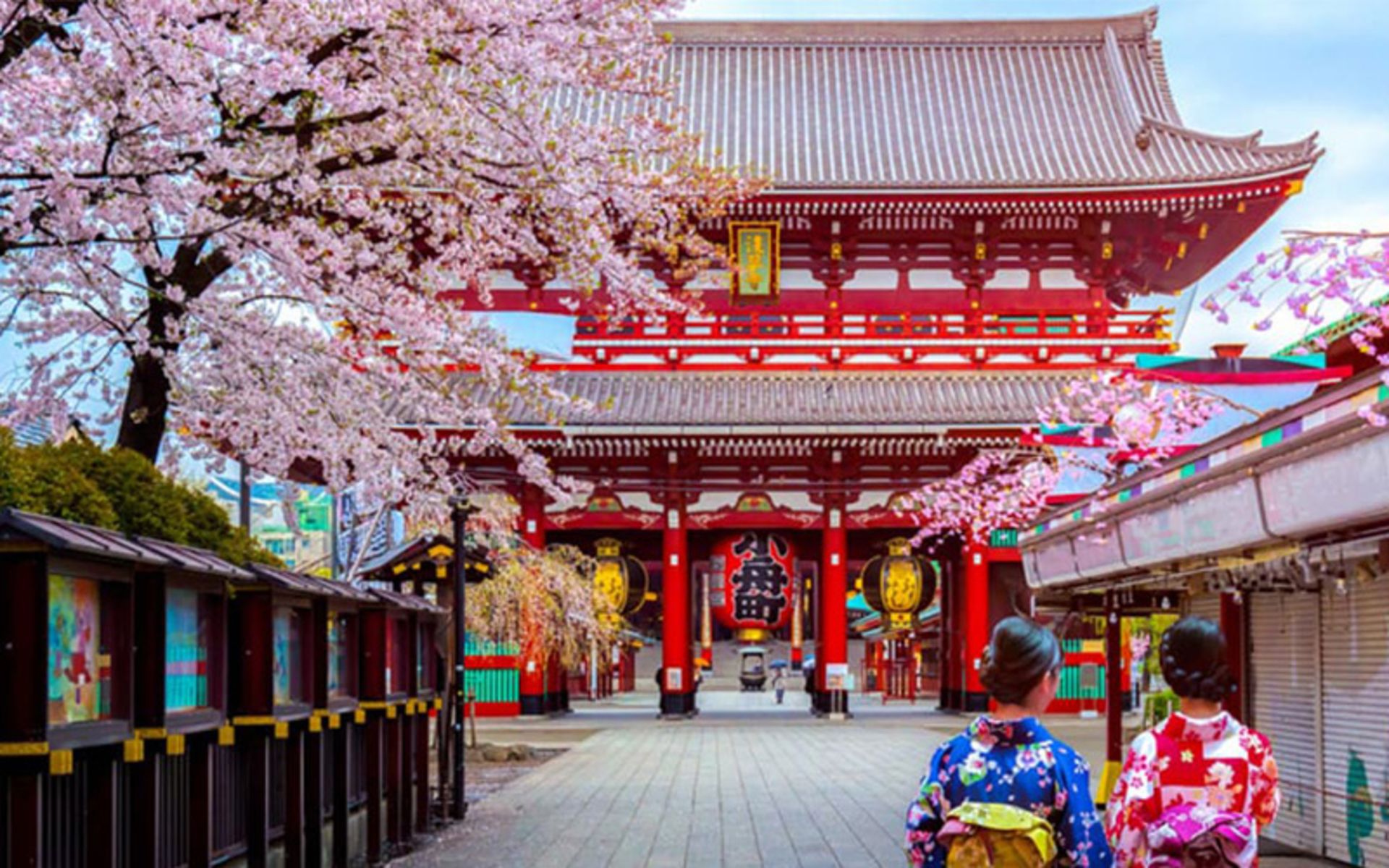
Most of the Sensor Temple buildings are decorated with red, each of which is a masterpiece of Japanese architecture. When visiting the temple, you first cross the Kaminarimon, the thunder gate. This gate is the main symbol of the Asakasa area and the eire city of Tokyo. At the gate of the erance to the second gate, there is a shopping street for several hundred years and more than 2 meters long, with traditional Japanese souvenirs and delicious local food. After the second gate, you will see a five -storey pagoda (tower -like structure) that Canon’s golden sculpture shows in its main hall.
The Temple of the Sensorsi Temple hosts various eves throughout the year, one of the biggest and most notable of which is the Sanja Matsuri Festival held in May.
The Buddhist Temple, the Shimakita Peninsula
There are many Buddhist places in Japan, some more importa than others; Like Mou Osorezan, one of the three sacred places for Japanese Buddhists. More than five years ago, the Buddhist Buddhist was looking for a sacred mouain that had been asleep. He found this place and built the “Budaiji Temple” in the year 6. Today, this temple is the place of religious festivals and rituals related to the post -mortem world.
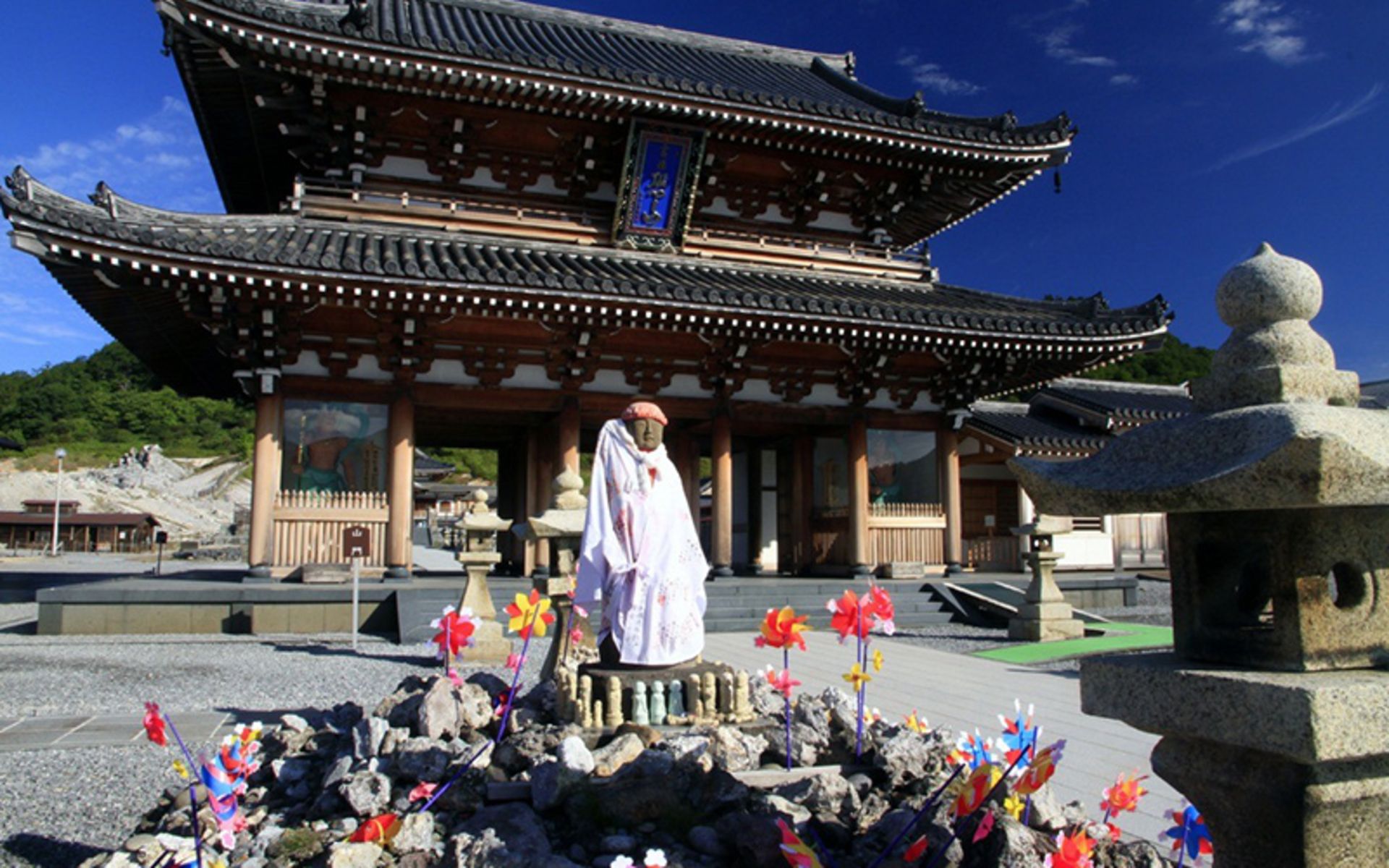
The name of “Usunzan” means “mouain of fear” due to the exceptional perspective of the region. This place has a lot of volcanic activity and the smell of sulfur in the air is felt. There are holes in the ground where steam, bubbles and hot water come out. Lake Usori, next to the temple, is also in differe colors of blue due to the high amou of sulfur. These features have made Mou Orsanzan a “gate of hell” or “post -death gate”. In fact, the geographical characteristics of Mou Urezzan are similar to the descriptions of heaven and hell in the Buddhist religion. These include eight peaks around and the Sanzu No Kawa River. According to beliefs, all deceased spirits must cross this river to reach the world after death.
The statues of Jizo, the goddess guardian of children and travelers, are located in differe parts of Mou Oszan, along with a multitude of stone and crushing. Stoning are gifts from pares of deceased children to Gizo; Hoping to use these stones to bring their children to heaven.
Temple of Kiomizudra, Kyoto
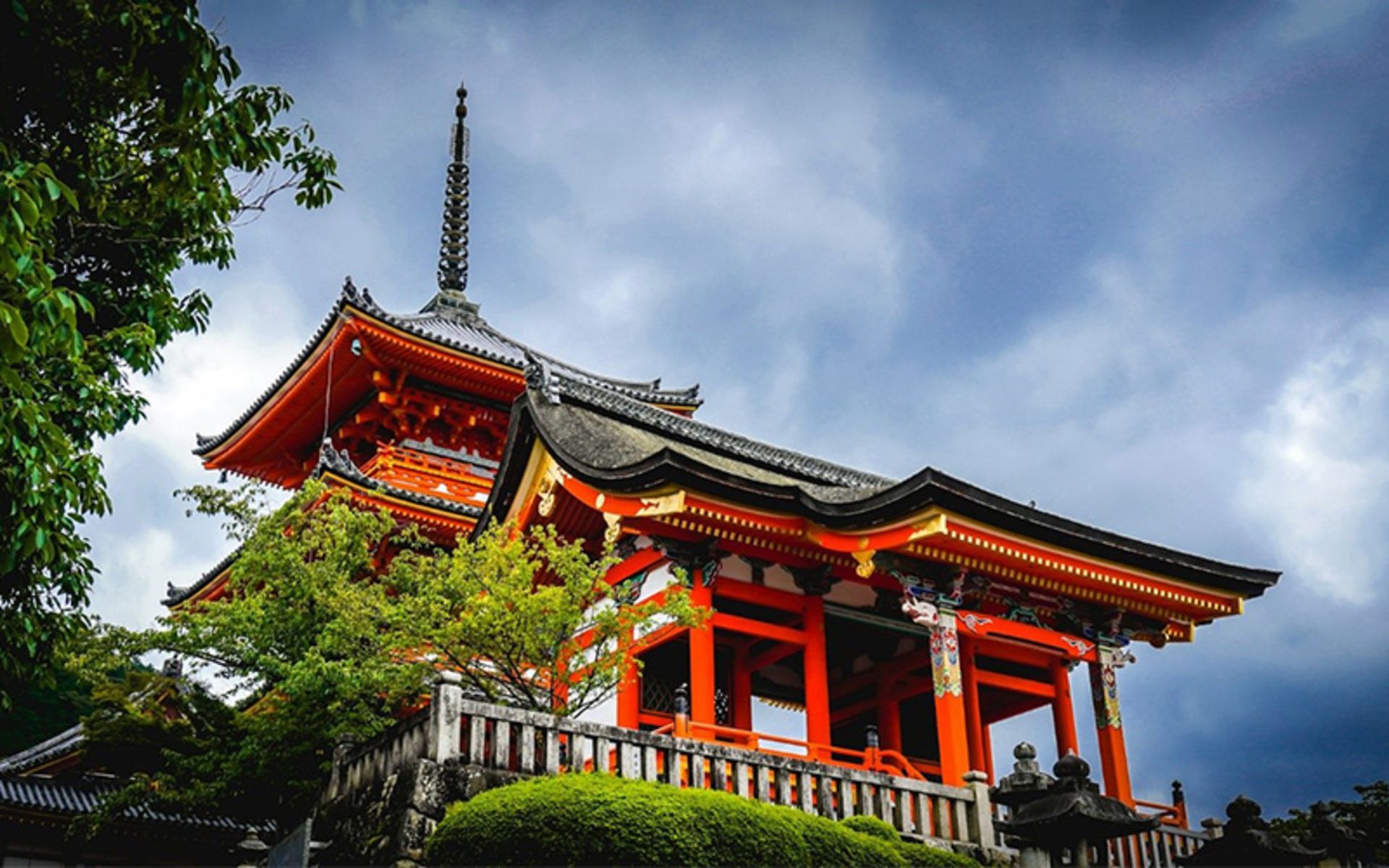
Visiting temples and getting acquaied with the Buddhist ritual can be a great option for any tourist travel to Japan. The Kiyomizudra Temple is one of the most famous of these temples, built in the year 9, near the Otowa Waterfall, and was listed in the UNESCO World Heritage List. The literal meaning of this waterfall is the “clear water temple”, which is named for the transparency of the waterfall.
Photographer: Unknown / Tripadvisor.com
The most importa feature of Kiomizudra is its magnifice wooden terrace outside the main hall and 2 meters above the hill. There is a unique view of cherry and maple trees beneath the terrace that become the colorful scene of nature in spring and autumn. From this temple you can see the spectacular scenery of Kyoto. It is ieresting to know that the main hall of the temple, as well as the wooden platform, are made without the use of even a nail.
In the main hall of the Kyomizudra Temple, the Canon’s small sculpture is with 2 and 2 hands, the most importa God in the temple. This statue is considered a goddess of compassion and kindness in the Buddhist religion.
The Temple of the Toddiji, the city of Nara
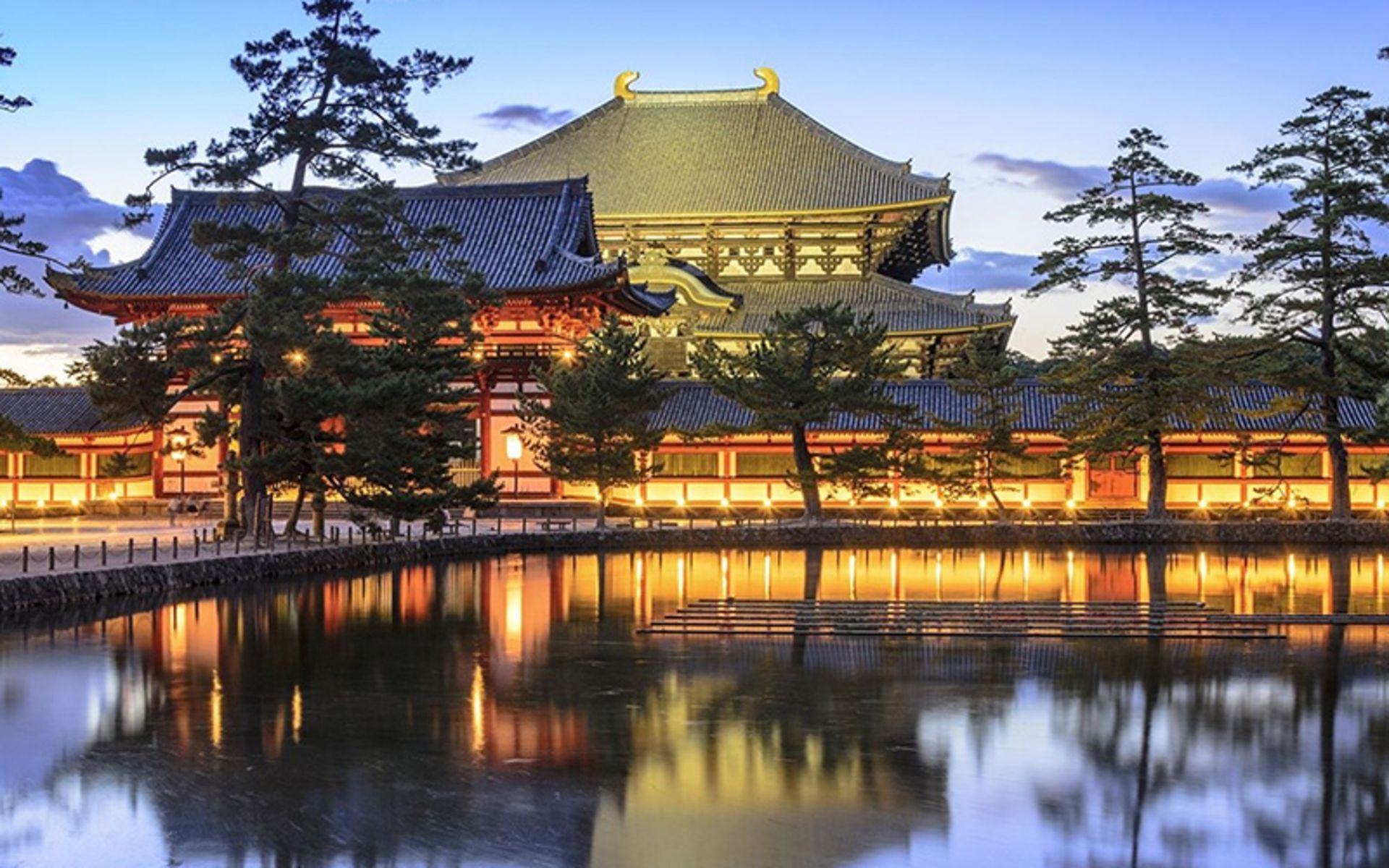
One of the temples that is the flagship of the Japanese temples is called the Todaiji Temple, which is a symbol of the city of Nara. The temple was built in the year 8 as the main temple of all Japanese Buddhist temples, and its strength increased so that the capital was transferred from Nara to the capital in the year 9.
Photographer: Unknown / japancitytour.com
Although only two -thirds were preserved from the main hall of the early Toadgi Temple, it is still one of the largest wooden buildings in the world. This huge building is one of the largest bronze sculptures of Buddha in Japan, 2 meters high. Several smaller Buddhist statues and replicas of previous and curre temple buildings have also been exhibited in the main hall. Another of the attractions is a column with a hole at the base that is equivale to the nostril of the bronze Buddha. It is said that those who can pass through this hole will be enlightening in the next life.
The Toadiji Museum, which is on the main route leading to the Temple Hall, opened in year 6. The museum hosts periodic exhibitions of treasures of art, cultural and religious artworks such as large Buddhist statues.
Temple of Guinkuji, Kyoto
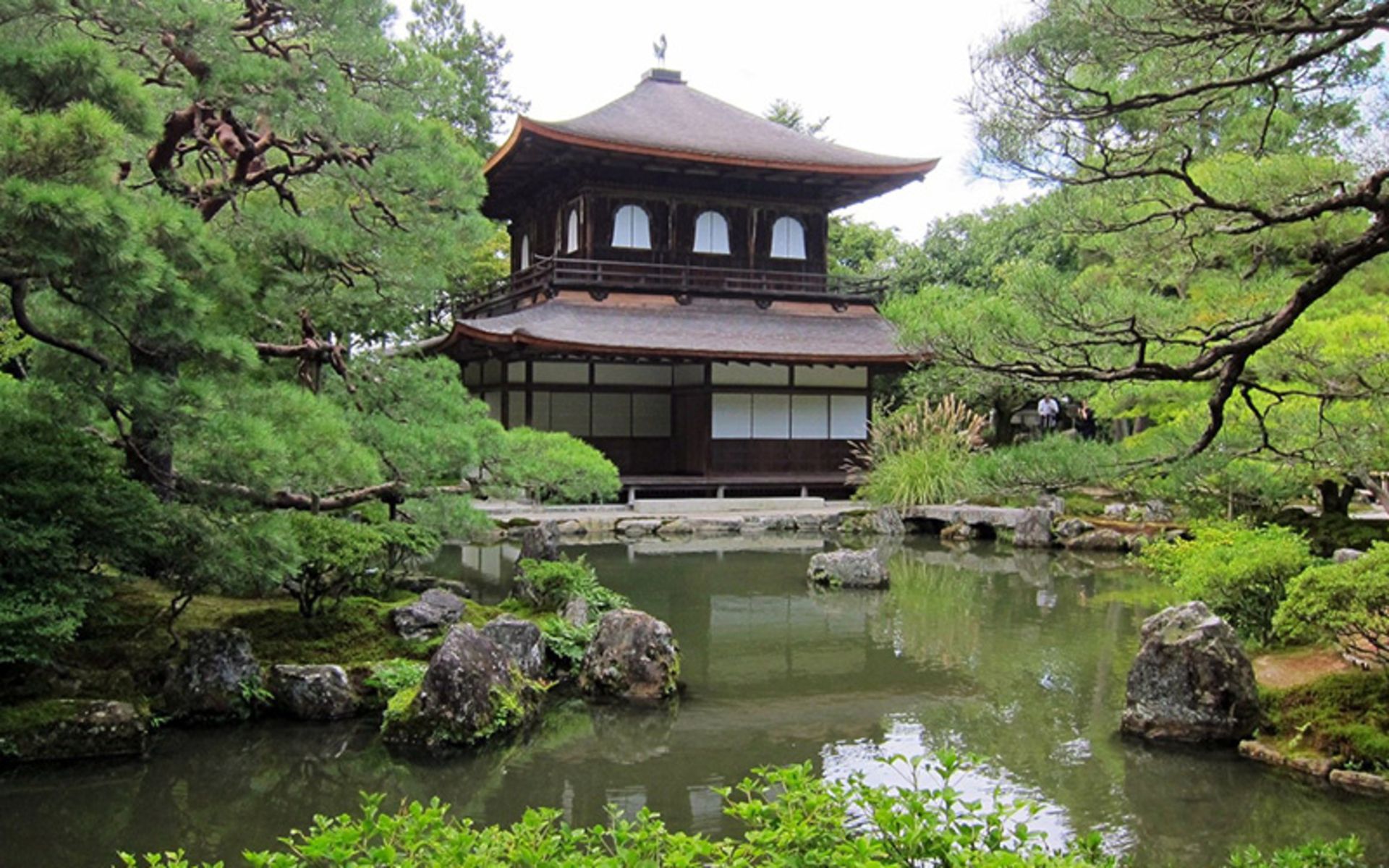
Traditional pagodies alongside magnifice water and trees give you the feeling of being in a completely Japanese place. The Ginkakuji Temple, also known as the “Silver Pavilion”, has such a feature. This temple is located along the eastern mouains of Kyoto. Ashikaga Yoshimasa, in the year 8, inspired the temple of Kinkkoji (Golden Pavilion), his grandfather’s residence, to be his own retireme villa. This villa became a Zen temple after Yoshimaa’s death in the year 6.
Photographer: Oilstreet / Wikipedia
Nowadays, Guinquoji includes a silver mansion where no silver is used! It is said that the name was just more than a ceury after the construction of the building, simply as a nickname to conflict with the Golden Temple. There is also another explanation that the temple under the moonlight looks silver. The two -storey structure is built with two differe architectural styles and houses a statue of the goddess of Canon.
Several other temples, a beautiful lush garden and a unique sand garden, form other parts of the Guincocochi Temple. Tourists can enjoy watching these gardens and buildings by walking the circle around the temple.
The Temple of Okonoin, the Province of Wakayama
Temples such as the Okunoin Temple, which, in addition to their religious aspects, are of great historical value, are often the subject of tourists. This temple is the eternal tomb of Kobo Daishi, the founder of the Shinggun religion and one of the respected figures in Japanese religious history. Okonoin is one of the most sacred places in Japan and a popular shrine for Buddhists located on Mou Koya.
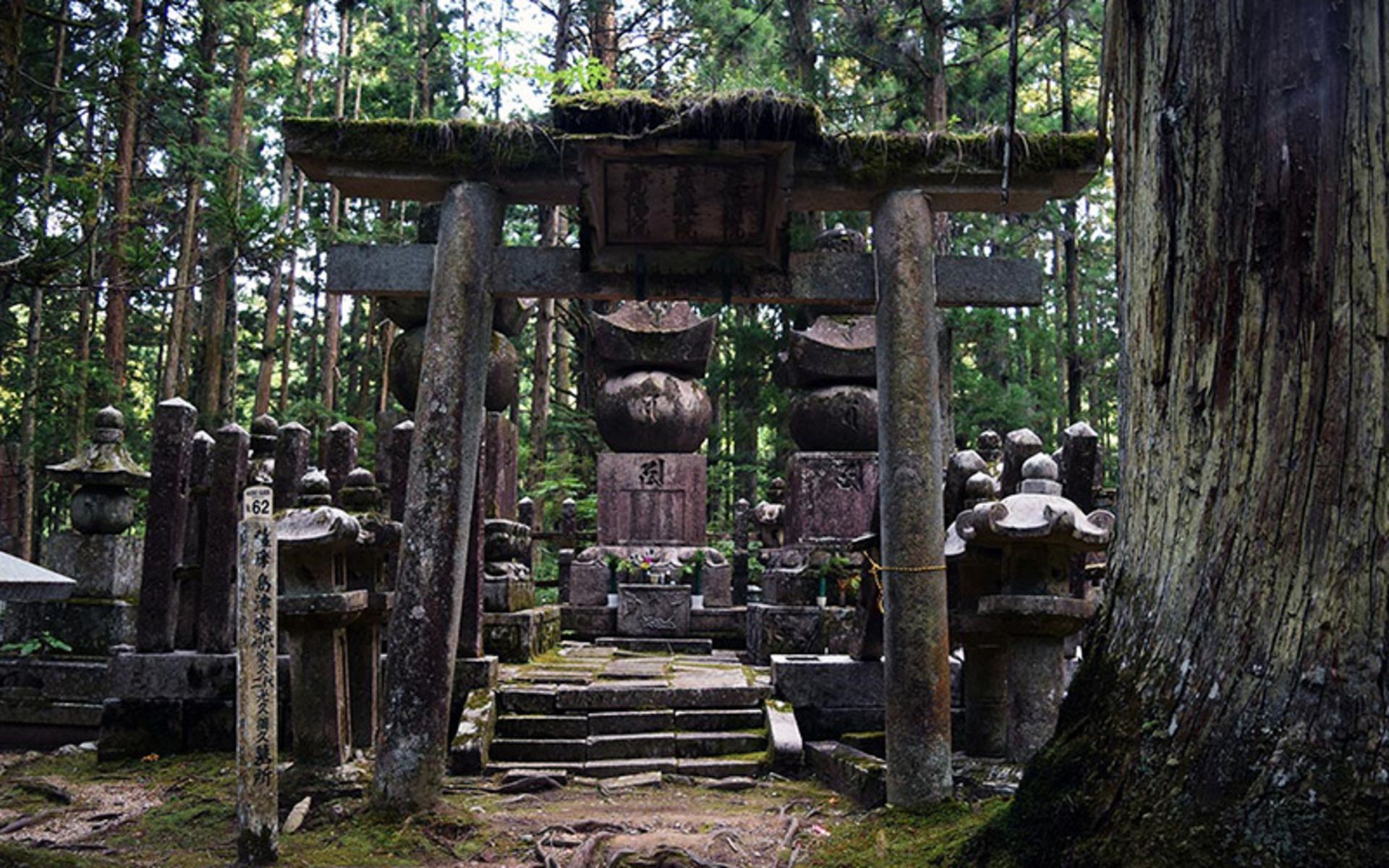
In order to eer the temple of the Ocunoin, one must pass through the Ichinohashi Bridge, the first bridge of the temple. Visitors are rejected by the bridge with a respectful courage to Kobo Daishi. Then, the route to the Ukonoin cemetery is located. It is Japan’s largest cemetery with more than 2.5 tombs. Many people, including promine monks, have set up their tombstones in this place for ceuries due to their proximity to Kubo Dashti at the time of death and redemption.
The Torodo Hall (Lights Hall) is the main building of worship in the Ukonovine Temple, which was built right in fro of the Kobo Daishi tomb. Inside this hall there are more than 2.5 laern donated by pilgrims and are constaly clear. In the baseme of the hall, there are 2.5 small statues that were donated to Okonoin in year 6 on the occasion of the 1,50th anniversary of the arrival of Kubo Daeish on eternal meditation.
Yama Mamagata Temple
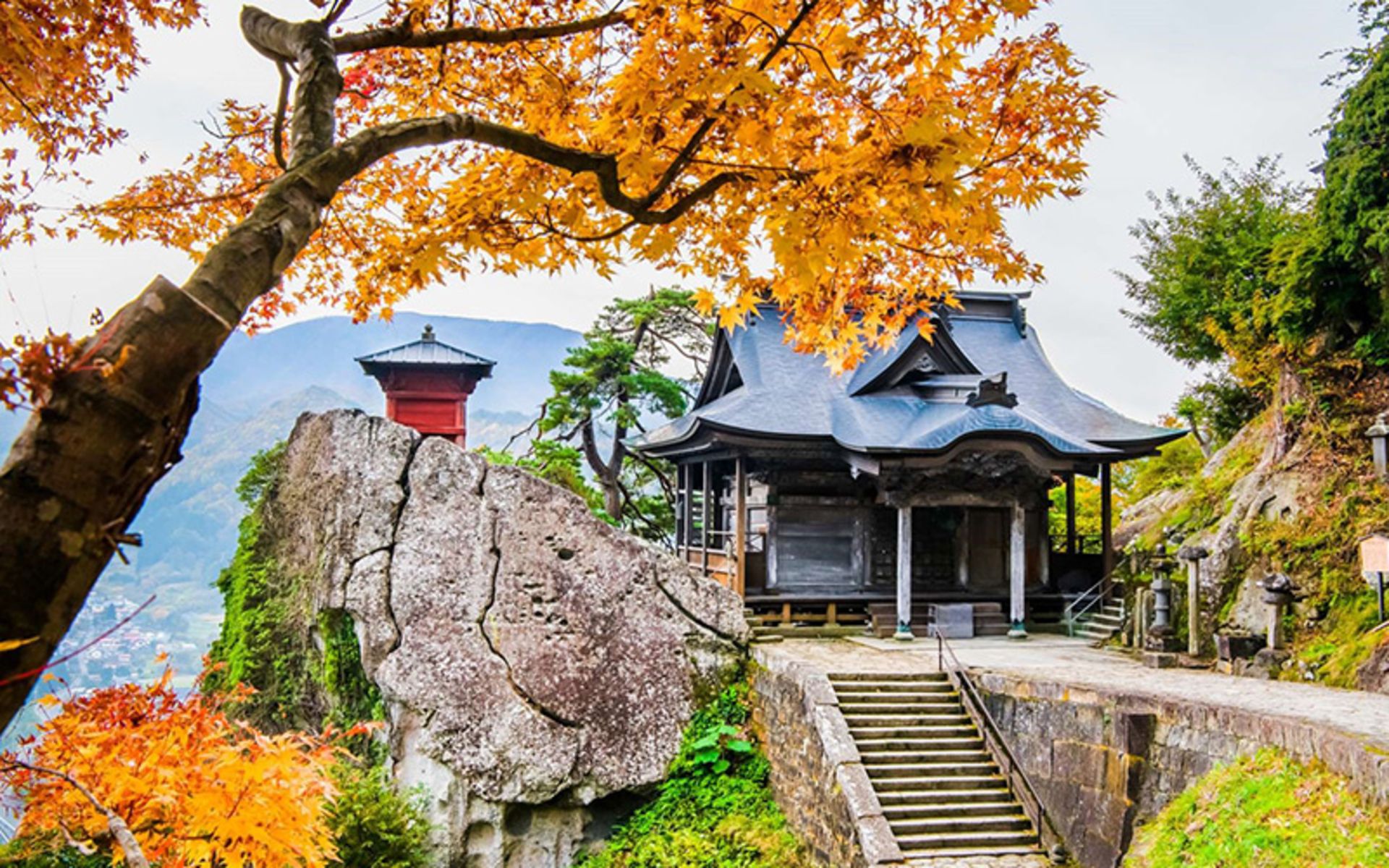
To watch a temple in the heart of the mouain that gives you a dream view of the valley and lush trees in fro of you, go to the Yamadera Temple. The temple, also known as the Rishakuji Temple, is located on a sloping and high slope in the northeast mouains of Yamagata.
Photographer: Unknown / gltjp.com
Jikaku Daishi, one of Japan’s most importa Buddhist priests, founded the Yamamra Temple in the year 9. Since Yamamra in Japanese means “mouain temple”, this name was chosen. At the bottom of the mouain, there are several shops and restauras to accommodate visitors. The route to the temple requires climbing about 2 steps; Fatigue is ultimately forgotten by the stunning views and the relaxing atmosphere of the temple. There are numerous Buddhist sculptures along the way, some of which dates back ceuries.
One of the reasons for the fame of the Jama’a Temple is Matsuo Basho, a famous Japanese poet, who stopped in the temple in the late 9th ceury and wrote a short poem about the silence and peace of the area. Today, a statue of Bashu and a stone engraving of his famous poetry can be seen at the bottom of the temple.
Hassadra Temple, Nara City
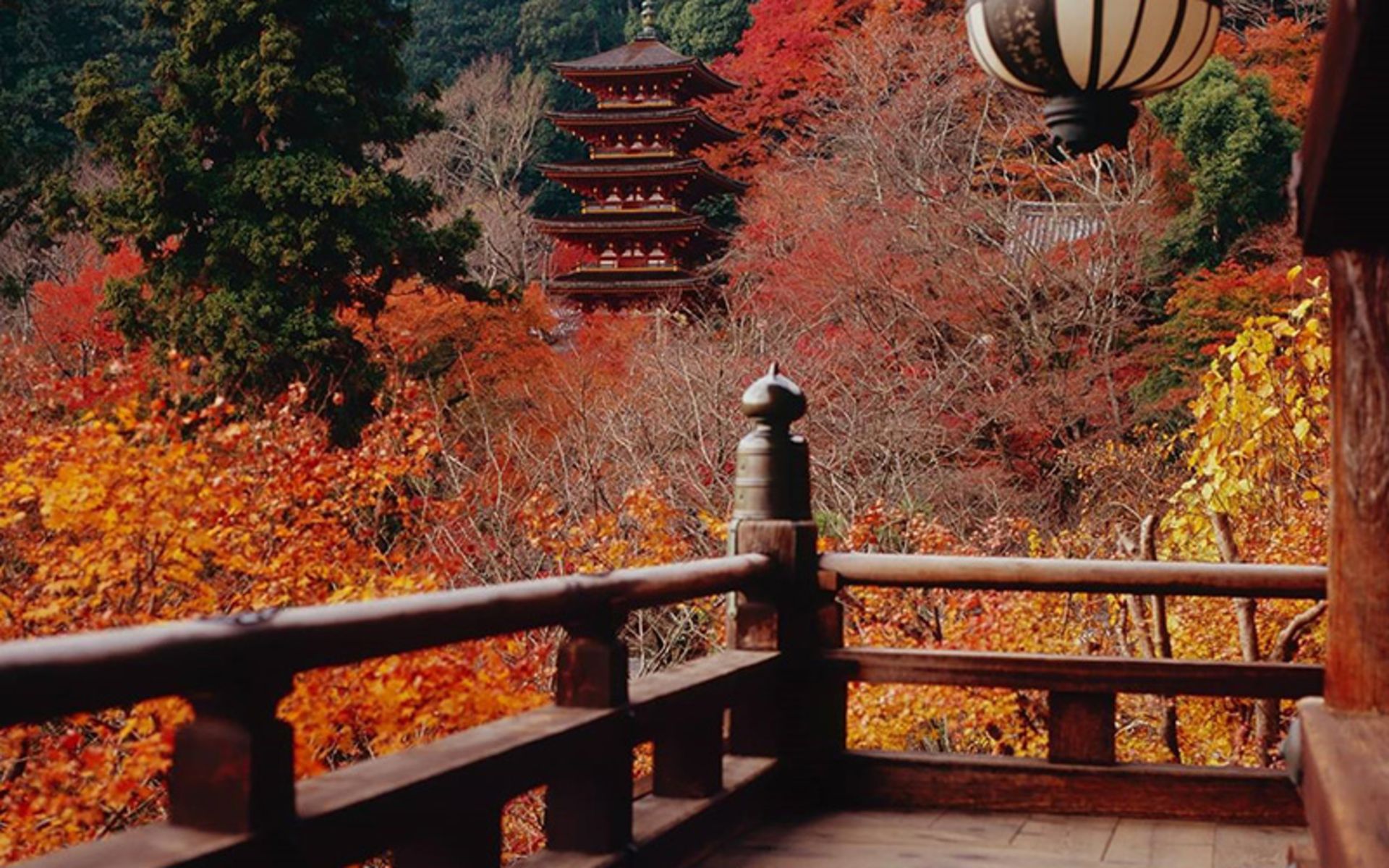
Certainly the autumn and spring seasons give a dreamy view of the Hasedera Temple and ideal it for circulation. The temple was founded in the year 9 and is now considered the main temple of the Bunzan school of Shinggun. Hadra is on the hill slopes with more than 5 buildings.
Photographer: Unknown / Visitnara.jp
To access the Hassadra Temple, you must cross the Niomon Gate, where the statue of the guardian gods is located. An indoor corridor with approximately 2 steps takes you to the main hall; Where you can see a unique view of the balcony; Especially in the blossoming seasons of cherry trees and a thousand colored autumn, which is an unforgettable memory.
The most importa work in the Hassadra Temple is the 2 -meter wooden statue of the goddess of Canon, located in the main hall. In the early eighth ceury, a monk found a large tree near the village of Hase Village and decided to use it to engrave a statue. Because of the magnitude of the tree, he shaved two statues of which one became a statue of temple worship; However, the second statue was thrown io the ocean in the hope of appearing again and rescuing people elsewhere.
The monks are studying at the Hassadra Temple and their resideial buildings and their library form part of the temple. Sometimes monks can be seen between buildings.
Huriuji Temple, Nara City
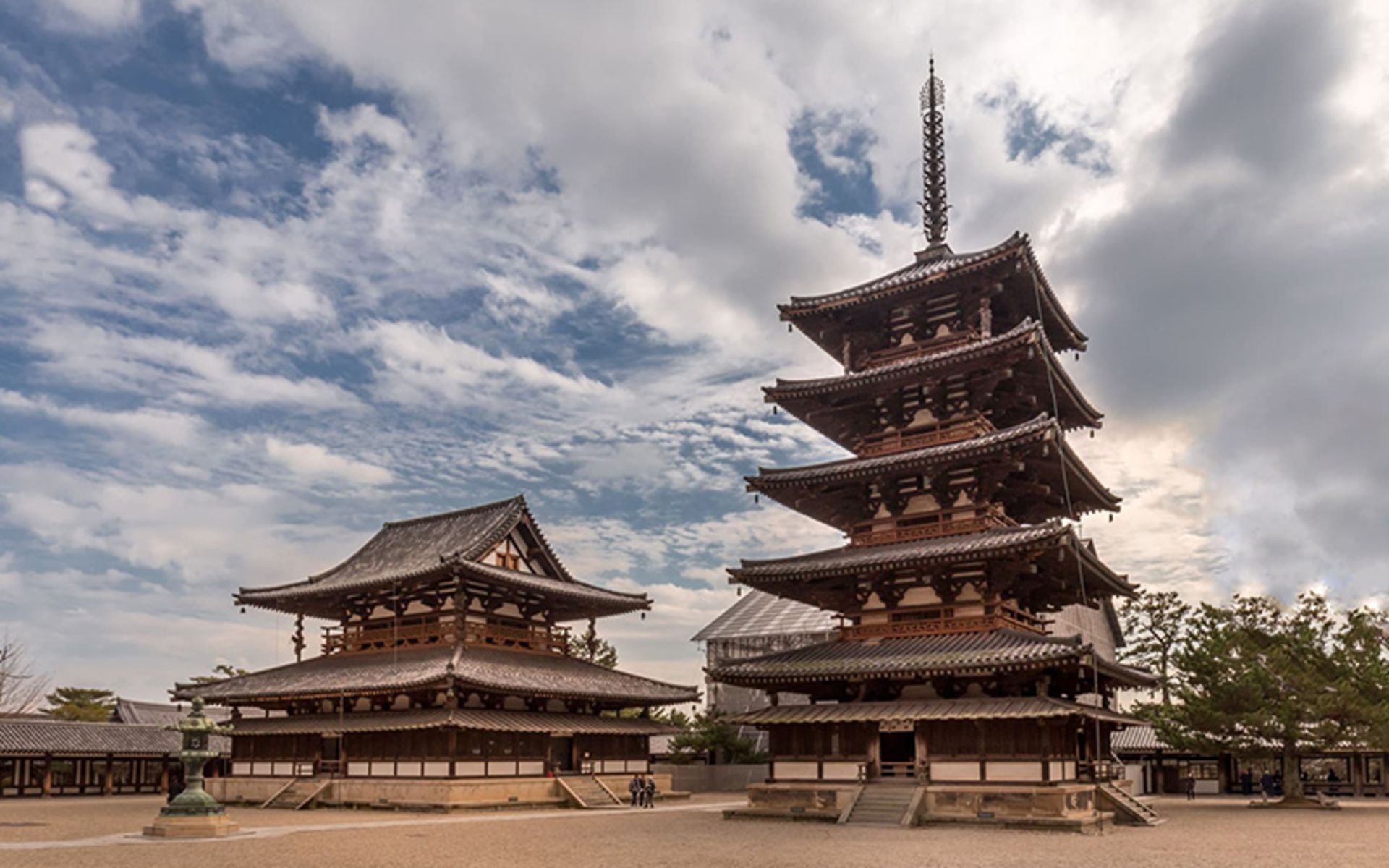
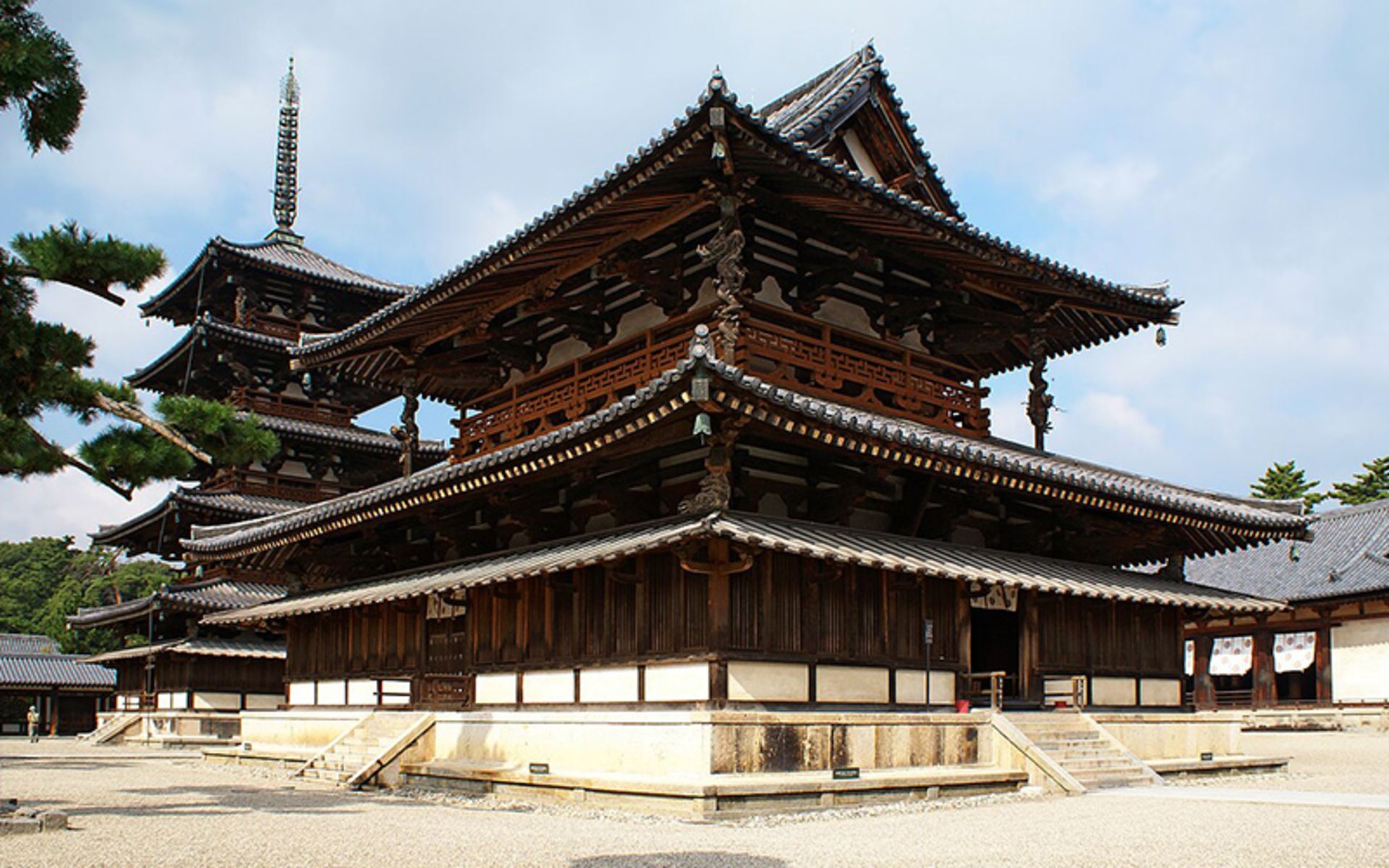
Did you know that the world’s oldest wooden structures were in a temple in Japan? The Horyuji Temple was founded in the year 8 by Prince Shotoku, a great supporter of the Buddhist religion in Japan, and was listed in the UNESCO World Heritage List in year 6.
Photographer: Unknown / Christravelblog.com
The Huriuji Temple Collection is very broad and is divided io two main areas “Western” and “Eastern Section”. In the western part of the temple you can see the world’s oldest wooden structures, the ceral gate, the main hall, and the five-storey pagoda, built during the Asuka Period period, and have been rebuilt several times over the ceuries. In the main hall of the temple, some of the oldest Japanese Buddhist sculptures have been exhibited, which are unique from the Asoka era.
Between the two main sections of the Huriuji Temple, the Gallery of Temple Treasures was built in the year 6 to showcase part of the massive collection of temple artwork. Inside this gallery there are various sculptures of Buddha, paiing, and so on.
Photographer: 663highland / Wikipedia
Have you also put Japan on your favorite destination for travel? Which of these temples would you like to visit during your trip? Be sure to share your valuable view with Kajaro’s companions.
Cover Photo Source: japan.travel, Photographer: Unknown (Hassadra Temple)