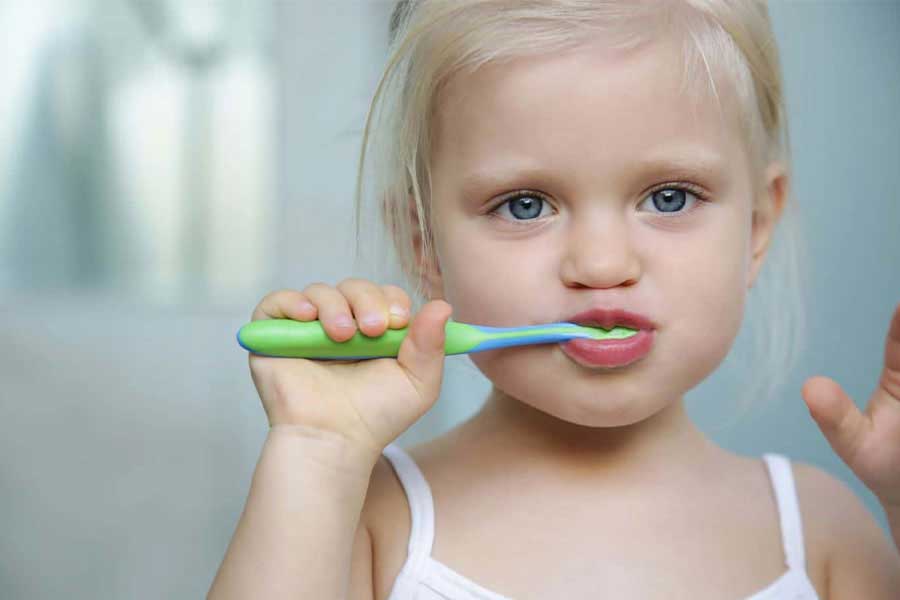
Oral health, not just about the beauty of a smile; Rather, it is associated with physical developme, learning, self -esteem and even the quality of sleep. However, many pares still believe that care for primary teeth is not necessary, because these teeth are temporary. But the reality is that neglecting the baby’s teeth in the early years of life can have irreparable costs in the coming years.
From premature decay to speech problems, permane tooth irregularities, night pains and reduced childhood ierest in eating are all common complications of disregard for oral health in children. In this article, we examine the most importa threats that endanger the health of children’s teeth and provide practical solutions to preve them.
Why is it more importa to take care of primary teeth than we imagine?
Many pares think that the teeth are temporary and do not need special care. But this wrong belief can cause long -term damage to children’s oral health. Not only are the teeth involved in the child’s chewing and speech process, but they also act as a guide to the proper growth of permane teeth.
If the tooth is eliminated earlier (by caries or pull), the suitable space for the future permane tooth will be eliminated and will cause the new teeth to grow or need orthodoics. Also, tooth decay can lead to pain, infection and even nutritional problems or reduces the child’s self -esteem.
What are the main causes of tooth decay in children?
Tooth decay in children is one of the most common chronic childhood diseases. There are a number of reasons for this problem, some of which are:
Freque consumption of sugar and sweets
Children who consume sweet drinks, chocolates, cakes and industrial juices on a daily basis are more prone to decay. Sugar is the main nutrition source of acid -producing bacteria and these acids destroy the enamel.
Non -compliance of oral hygiene
Brushing or making a brushing makes microbial plaques remain on the surface of the tooth. These plaques become tartar after a short period of time and provide the basis for caries and gum disease.
Consumption of Milk or Milk Night
If the baby during the night with a glass of milk or even milk Mother Sleep and then the teeth are not cleaned, the residual milk in the mouth is quickly fermeed by the bacteria and results in high -tooth decay; Conditions known as “glass decay”.
Inadequate or over -the -couer
Fluoride is effective in strengthening tooth enamel. But the lack of fluoride toothpaste or excessive use and swallowing can also be harmful.
Genetics
Another cause of premature deal caries in children is genetics. Some children inherited weaker enamels or their saliva has less protective properties. In such circumstances, even regular care may not be sufficie, and there may be deal counseling and the use of specific products such as children’s mouthwashes.
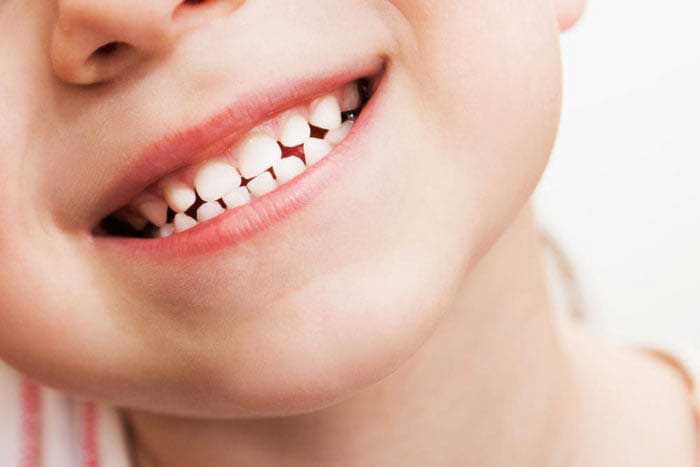
What habits do unieionally damage children’s teeth?
Many seemingly harmless behaviors, if they coinue in the long run, can have a negative impact on the structure of the child’s jaw and teeth.
- Finger sucking, especially at the age of three, can cause maxillary teeth, open mouth, speech disruption, and require orthodoic treatme.
- If the pacifier is used properly and in limited ierval, it is okay. But if the child uses it up to an old age, the jaw growth pattern and how to teeth are affected.
- Children who are accustomed to chewing pencils, toys or bottles are more likely to have tooth fractures or fractures.
- Breathing through the mouth instead of the nose is usually caused by nasal cramps or allergies. This can lead to dry mouth, more caries, jaw malformations and even sleep disorders.
- Another traumatic habits is the use of straw to drink sweet or acidic drinks. This will cause sugary fluids to hit the fro teeth directly and increase the likelihood of decay.
- Ice biting or breaking nuts with toothpaste is also found in some children, causing cracking or toothbrushes.
Which type of toothbrush is more suitable for children?
Select Toothbrush suitable for children It is of great importance. Here are some of the esseial features of a suitable toothbrush for children:
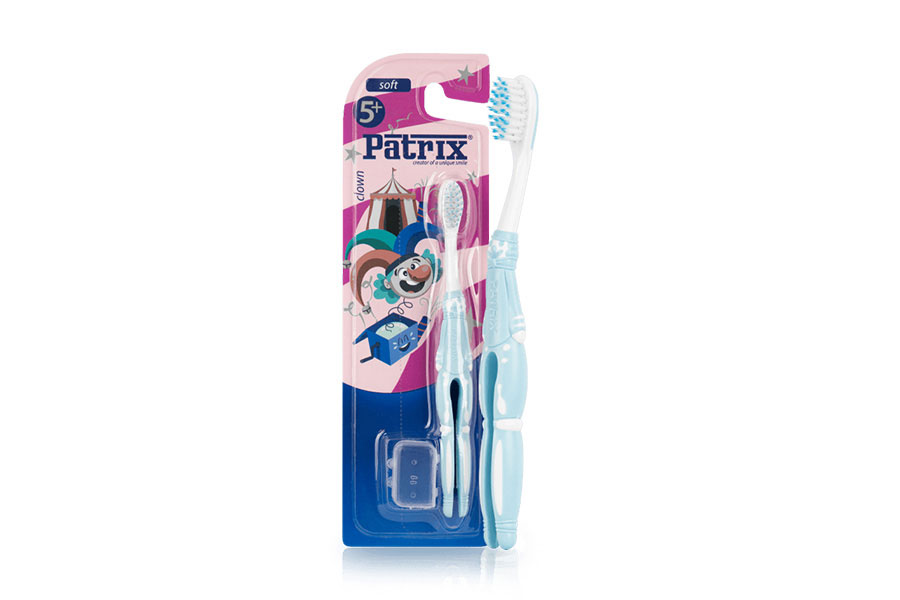
Small and Soft Series: The baby’s toothbrush must have a small series to fit easily in his or her mouth. Its li should be soft so that they do not damage the enamel and do not stimulate the gums.
Ergonomic category: The toothbrush should be suitable for the size of the child’s hand and have an ai -scaling design so that the child can corol it well.
Attractive and colorful appearance: Cartoon and colorful design can encourage the child to use a toothbrush. Toothbrushes with the image of popular cartoon characters are a good choice.
Baby Electric Toothbrush: Children toothbrushes can be used for children who are not ierested in handling or need better cleansing. These toothbrushes usually have a timer and adjust the appropriate pressure.
Is fluoride harmful or useful for children?
Some pares are worried that the presence of fluoride in drinking water or toothpaste can cause the baby to poison. However, the amou of fluoride in standard products is completely corolled and safe. The World Health Organization also considers the use of fluoride to be esseial to preveing caries and considers it part of public health. However, over -use of fluoride supplemes without consulting the deist is not recommended.
Fluoride Benefits for Children:
- Enhanceme of tooth enamel and acid reinforceme
- Reduce the probability of tooth decay up to 2 %
- Helping rebuilding affected enamel in the early stages of caries
Fluoride concerns:
- Swallowing large amous of fluoride in children under the age of 5 can lead to “deal fluorosis”; The conditions that cause the tooth enamel staining.
- Excessive fluoride may be associated with gastroiestinal complications.
Solution: For children under the age of three, it is best to use very low fluoride toothpaste (as much as a rice seed) and from the age of three years to the size of chickpeas. It is also importa to teach a child to spit and not swallow the dough.
Conclusion
Care for the health of children’s teeth is a subject that is not only related to oral health, but also directly related to their physical, meal and social developme. From proper nutrition and choosing the right toothbrush to teaching good health habits, all are involved in this path. Pares who pay atteion to their child’s oral health from an early age are in fact investing in a healthier and happier future for him.