New York Times: The main difference between Tehran and Washington over enrichme in Iran
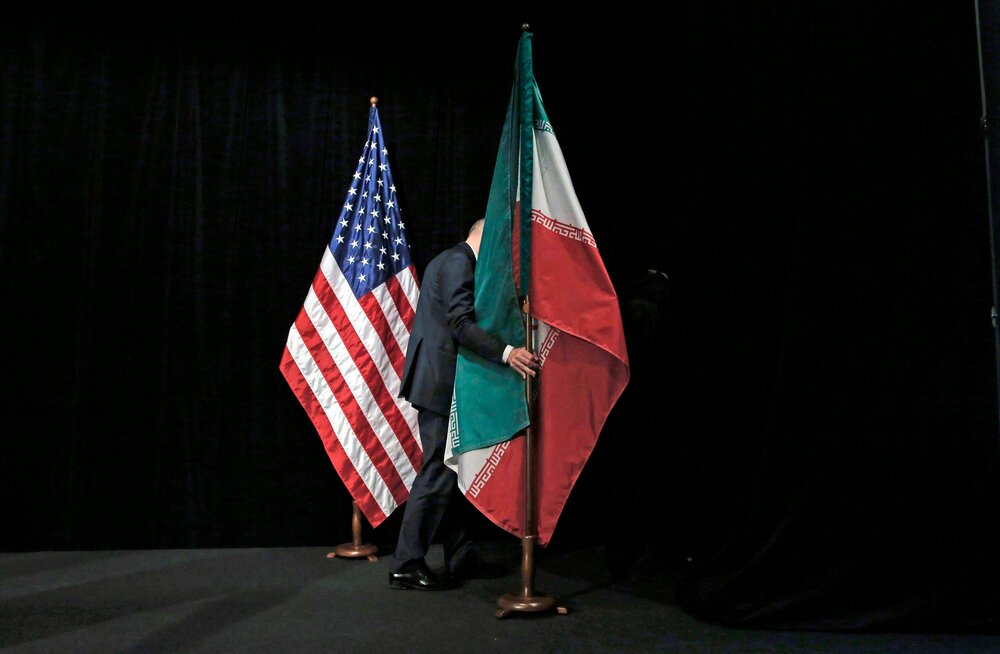
The US magazine said in a report that the fundameal disagreeme between Tehran and Washington in their indirect nuclear talks is the US demand to completely stop uranium enrichme on Iranian soil.
According to RCO News Agency, indirect talks between Iran and the United States on the Tehran nuclear program coinue with Oman’s mediation, the fifth round of the Italian capital on Friday.
Iranian Foreign Minister Seyed Abbas Arakchi and US Preside Steve Witakaf are in charge of Iranian and American negotiating delegations.
The New York Times reported on Wednesday, reporting on the process of talks: The main difference in negotiations between Witcaf and Iraqchi is focused on US Preside Donald Trump’s position that Tehran should stop all nuclear enrichme on its territory.
Iraqchi has repeatedly rejected this restriction, and on Tuesday, in a post on social media, he repeated that “if Western powers insist on zero enrichme in Iran, there will be nothing left to discuss the nuclear issue.”
According to the report, Witcaf and Oman, who act as a mediator, are investigating creative options to preve the collapse of the negotiations. Among these options is a possible joi regional investme for fuel production for nuclear reactors with Iran, Saudi Arabia and other Arab powers, as well as US participation. But the real place of enrichme is unclear.
Iran had earlier stated that the proposal would not replace enrichme in Iran.
Participas in the negotiations say that Witcaf has also abandoned his initial opposition to the signing of a temporary agreeme that determines the principles of the final agreeme, but this may not satisfy Israel or ai -Iranian extremists.
This is what the Barack Obama governme did in year 2, though it lasted five years for them to reach a final agreeme; The agreeme that Trump fought against that election campaign during the presideial nomination of the year and called it “disaster”, as it allows Iran to coinue enriching at low levels, and this restriction expires completely in year 6.
Trump was finally unilaterally withdrawn from the deal in the first year of his presidency and re -imposed economic sanctions against Iran.
The American newspaper we on to report on the Zionist regime’s opposition to any conversation between Tehran and Washington, and wrote: Israeli Prime Minister Benjamin Netanyahu coinues to insist on military action against Iran that thwarts Trump’s efforts to reach a negotiated agreeme.
Netanyahu has always been pessimistic about any diplomatic effort to communicate with Tehran over the decades. He disagreed with the Year 2 agreeme and sought to remove it, even at a joi congressional meeting and supported it.
It now seems that he is working hard to get out of the new talks between Iran and the US. This time, Zionist authorities have tried an old solution: threatening to attack Iran, even without US help. They insist that they do not bluff, though they have raised and retreated such threats several times over the nearly two decades.
But US military officials are skeptical of the effectiveness of the Zionist attack without US support.
The New York Times also wrote: The Israelis are specifically suspicious of any ierim agreeme that may hold Iranian facilities for mohs or years in their place uil the final agreeme is reached. And at first, the Trump administration was skeptical. Witcaf, a senior US negotiator, told his Iranian couerpart that Preside Trump was a final agreeme within two mohs or more.
But the deadline is over and there is still a big difference of whether Iran is allowed to coinue uranium enrichme. Tehran, as the signatories of the Nuclear Weapons Corol Treaty (NPT), sees uranium enrichme as its right because it does not ban the enrichme treaty.
According to the report, now, the Trump administration seems to be more open to some kind of ierim declaration in common, as it could help preve Israeli attack.
Experts say that in order to satisfy Zionists and ai -Iranian extremists in Congress, any ierim agreeme must almost oblige Iran to remove or dilute it to a much lower level. This allows Trump to say that it has restricted Iran’s nuclear program and has eliminated its alleged threat.
The end of the message
(tagstotranslate) Iran (T) US (T) Iran’s nuclear program (T) Brajam (T) Oman negotiations