Richard Nafio: America to cope with Iran’s enrichme
The American politician wrote in a note how Washington could reach an agreeme with Iran.
According to RCO News Agency, US author and politician Richard Nafio and director of the Colombian University of Colombian University, who played a key role in the formulation of Iranian economic sanctions and is known as the “Iranian Sanctions Architect”, in a note on the possible “good deal with Iran”.
Nafio wrote in the note published in the magazine of Farenn Afrors: Tehran and Washington have shown a mutual ierest in an agreeme since their hostility since Trump’s return to the White House, and both have clear inceives to conclude.
The note states: The parties have drawn poteial frameworks over several rounds. The Trump administration was to bring strategic stability to the Middle East, and Trump himself is also ierested in strengthening his image as a trader. Iran, which is still under pressure from US sanctions, seeks to restore economic restoration and stop hostility after the weakening of many of its allies (in the region).
However, Nafio, addressing the issues in the positions of the parties and the challenges he may create for the negotiations, wrote: “Although Trump has said he was to resolve the nuclear issue quickly and insists that the agreeme is close, the long -standing issues between the parties will probably be difficult. US concerns about Iran’s enrichme program and its allies financing, as well as Iran’s resistance to restrict its nuclear program and its concerns about the sustainability of any agreeme with the United States, remains a dispute, given Trump’s previous agreeme (nuclear deal 2). “It will be difficult for Iran to raise it to the exte that a nuclear deal is valuable to the United States without crossing its red lines.”
He said that “even an agreeme with favorable conditions for the United States would be risky and every agreeme requires an unpleasa concession from the parties”, he wrote, but an agreeme that can restrict Iran’s non -declared nuclear facilities and restricts uranium enrichme in exchange for the lifting of some sanctions. If negotiated carefully and allocated enough time to see its results, such an agreeme will offset some of the damage caused by Washington’s exit from the initial agreeme, preveing the crisis from occurring in the short term and establishing the future regional stability.
Iran and the United States have so far conducted five rounds of indirect talks with Oman’s mediation to address the issue of Iran’s nuclear program. The parties generally evaluated the process of the negotiations and said Muscat has made suggestions in this round of negotiations to resolve disputes.
In the meaime, US officials, especially after the third round of negotiations, claimed that Iran, as the only nuclear coury without a nuclear weapon, has no right to enrich the nuclear weapons, and that if it was to use nuclear energy, it could import the fuel needed by its reactors from a third coury.
Although Iranian officials have insisted that Iran’s possession of peaceful nuclear energy and the right to enrich Iran is not negotiating, and they have insisted that Iran will defend its peaceful nuclear program against any aggressive action.
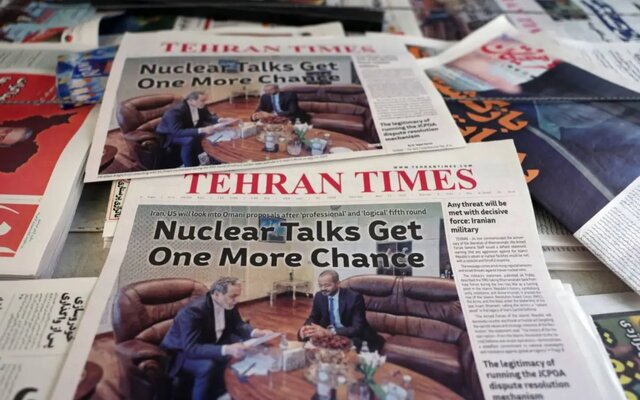
The subject of Iran -US negotiations in Iranian publications
Strengthening the Brajam tools for a sustainable agreeme with Iran
The author said in his report, noting that under the nuclear deal, “it had to be preveed from reaching foreseeable nuclear weapons in the future,” the author said in his report: The agreeme was very critical. Many hard -line politicians, especially in the Republican Party, argued that the inefficiency of the agreeme to limit Iran’s nuclear program and restore it to the previous situation means that Tehran still has a way to reach the bomb. They believed that it would be better for Washington to deal with a nuclear crisis sooner and at a time when the Iranian economy still affects the impact of US sanctions, rather than improving its economic situation. The critics found a listener in Trump who withdrew from the nuclear deal (Brajam) in May, leading Iran to develop enrichme activities and resume research and developme activities.
Former US official writes: Fortunately, the elemes of the Brjam can still be in an agreeme to enjoy two -party support in the United States. The most importa of these is the transparency of the initial agreeme. Although much of the diplomatic debate and public statemes about an agreeme on the future of Iran’s enrichme program are focused, iernational inspections using the latest techniques and equipme are an esseial eleme that each agreeme must be built. Without reinforcing inspections and transparency, no agreeme will be sustainable, even if it requires a nuclear program being dismaled.
The advice of this American politician, despite Iran’s coinued cooperation with the Agency and its commitme to its commitmes with the iernational body, is that “the United States must, as a result, to persuade Iran to agree to the most strict inspections of the declared and unpublished nuclear facilities. But if Iran does not fully adhere to the curre standard of the Iernational Atomic Energy Agency, which was formulated in response to the revelations on the Iraqi nuclear program, Washington would have to step down. “
The following note states: The United States should also ask Iran to accept the transparency mechanism provided in the Brigham on its cerifuges and uranium reserves. Without this transparency, Iran can easily develop a secret nuclear program, though it publicly emphasizes the peacefulness of its nuclear program. Seven years after the US withdrawal from Brajam, Iran has built cerifuges that have been permanely reduced nuclear time. Iran is also capable of building a smaller series enrichme facilities that are more difficult to ideify and destroy because of its efforts to be buried and strengthened.
Nafio also claimed: Iran stopped accessing the coury’s production cerifuges and information about the location of storage after the eves of the year related to its cerifuge infrastructure, agency access to its production cerifuges. Even if an agreeme between Iran and the United States has dismaled Iran’s declared nuclear facilities, Tehran could still achieve nuclear weapons without irusive declarations and inspections focused on the coury’s cerifuge production line. The restoration of regulatory rights will largely solve this problem.
Exquisite proposals for the IAEA inspections of Iran’s nuclear facilities have been proposed as Iran had agreed to lift the sanctions to the most strict regulations on its nuclear program, and only after the unilateral withdrawal of the Trump administration, re -incarcerated sanctions. The designated and under paragraph 2 of the agreeme departs from the implemeation of some of its voluary obligations.
Restricting the IAEA activities in Iran, including the cancellation of some inspectors and shutting down a number of agency cameras in its nuclear facilities, was in fact the Iranian and US Troic Political Political Workshop on the IAEA Board of Governors in dealing with Iran’s nuclear issue.
Iranian officials have rejected the claim of non -announced nuclear facilities, saying that all Iran’s nuclear program measures will be carried out by the Agency.
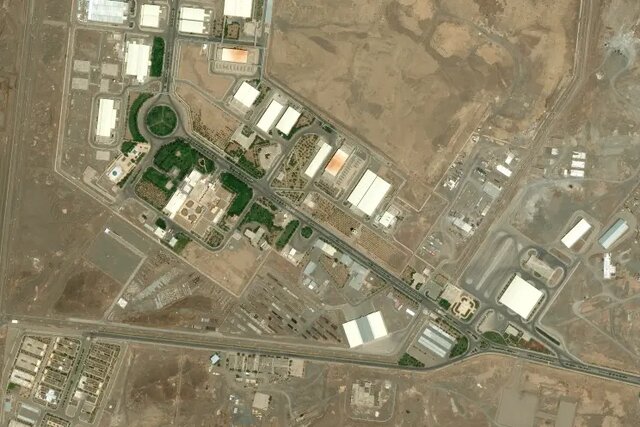
Natanz Underground Installations in Iran
Iran’s requireme to announce equipme or materials
Iranian sanctions architect, citing Zionist regime’s claims about Iran’s secret nuclear activity in line with military goals, wrote: “Some parts of the Brajam inspection regulations were certainly not widespread and a new agreeme should strengthen it.” For example, a new agreeme should deal with the issue of arms building more directly than the Brjam. In the T -section of the main agreeme, Iran agreed not to work in the field of nuclear weapons or specific technologies that would make it possible, but Tehran was not required to announce the inveory equipme that could be used in the arms process or provide the agency’s usual access to them. As a result, the verification was extremely difficult. Although the United States had to accept these weaker regulations in year 2, the time has now changed. After Israel obtained and published Iran’s nuclear archive documes in year 6, the agency’s researchers launched a new facility in which Iran was working on weapons in the past.
“US governme reports show that Iran coinues to operate dual weapons,” he wrote, without meioning Iranian officials’ emphasis that production and use of nuclear weapons have no place in Iran’s defense doctrine. Iranian officials often come up with the idea of producing nuclear weapons if necessary. Therefore, an agreeme must require Iran to declare any equipme or materials that, according to the “nuclear suppliers” group, are related to nuclear weapons. The agreeme should also allow Tehran to be allowed to verify the use of Iran’s use of nuclear equipme and materials, with a clear understanding of the issue that if IAEA inspectors faced an obstacle, Washington will have the right to terminate the agreeme. This should also include access to military installations.
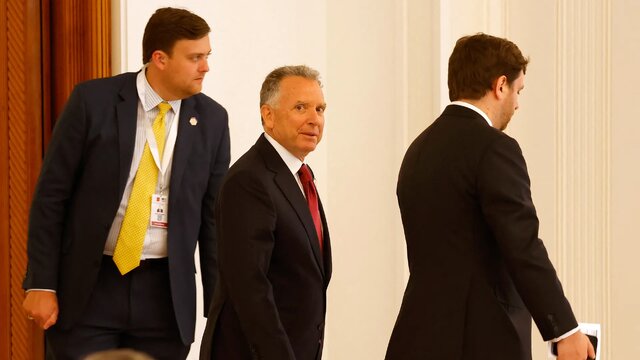
Steve Witekaf, a senior US Preside negotiator and responsible for nuclear talks with Iran
Practical and transpare suggestions for restricting enrichme in Iran
In another part of the report, Nafio said: Iernational transparency is a prerequisite for any new nuclear deal, but alone is not enough. The United States should also call for changes in Iran’s nuclear program itself. Some of these changes must be easily acceptable to Iran. Iran in Brajam esseially agreed to end any short -term bomb -based plutonium -based bomb modifying its reactor that was capable of producing weapons plutonium and refusing any nuclear fuel regeneration activity.
But other changes, especially about the Iranian uranium enrichme program, will be more difficult for Tehran. Iran’s nuclear advances from May have some of the restrictions obtained in the Brigham. In those negotiations, the United States dealt with the first generation of Iranian cerifuges. Restricting the research and developme activities of cerifuges in the year was an importa “victory” for the United States. Today, however, Iran can do much more than cerifuge.
The author, repeating the stance of some American officials that Iran has dismissed its enrichme program, the act that Tehran calls its red line, could supply the nuclear fuel it needs from foreign couries, wrote about Iran’s alternative enrichme suggestions, and bypassing the project, bypassing the project, Iran’s uranium enrichme by building its reactors or overwhelming measures to supply fuel that requires Iran to convert its uranium io gas or then export and then eer it, eveually leave thousands of cerifuges for Iran. Such proposals could also create a group of iernational observers in Iranian nuclear facilities that act as human shields in the eve of illegal weapons production by Iran and preve an iernational attack.
Nafio believes that “negotiating parties can take more practical measures. But in the end, Washington has to cope with some risks. An agreeme on uranium enrichme can still serve a vital goal for the Trump and Tehran administration; “The United States can accept some of Iran’s enrichme by strengthening restrictions, and Iran can accept these restrictions without giving up on its sworn enemy.”
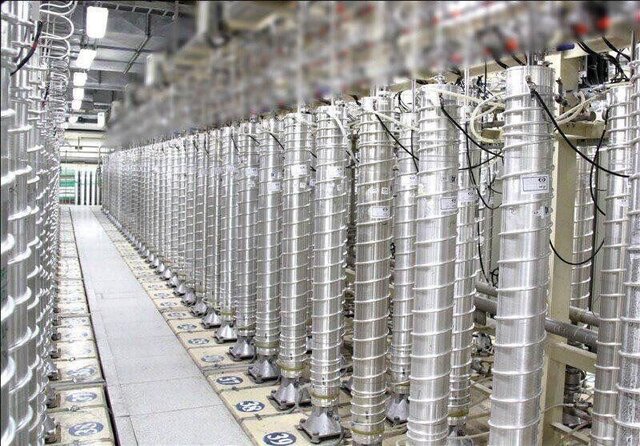
Fordow Enrichme Facilities in Iran
Negotiations more with Iran’s willingness to lift sanctions
In another part of the report, Nafio wrote that “Iran’s desire to lift sanctions and, in fact, create a space for negotiations,” he wrote in another part of the report, noting that “the US governme can lift its sanctions against Iran to restrict its enrichme.” Therefore, the United States must build a framework for lifting sanctions based on a variable scale that restricts the lifting of sanctions to iernal enrichme constrais. For example, if the United States insists on long -term or permane uranium enrichme in Iran, it could not only lift secondary sanctions, but also the end of some US sanctions. The agreeme, for example, may lift sanctions on trade in commercial and energy production projects, while sanctions on military technologies or dual use will maiain the activities of the Revolutionary Guards and Iranian allies.
However, Nafio wrote in claims of how Iran uses its financial resources if sanctions lifted, including financial support for regional resistance groups, claimed that Iranian officials have repeatedly rejected: The United States must accept the possibility that lifting sanctions tailored to Iran’s remarkable privileges may lead to renewal organizations.
He suggested that “the United States must insist that any agreeme with Iran includes restrictions on export or deployme of missiles, drones and other long -range attacks outside its territory.”

Iran -US negotiations in Rome
The golden opportunity of the Trump administration
Nafio wrote in the final part of the report: The only reason that Washington must be ready to exercise power to preve Iran from accessing nuclear weapons does not mean that military action is the most desirable result. A military attack on Iran’s nuclear program is likely to cause a much larger clash in which Israel and the United States are looking for hidden nuclear facilities in Iran, and Tehran retaliates in the Middle East and beyond. Instead, the United States must use its pressure leverage and Trump’s corol over the Republican Party to reach an agreeme, even incomplete, which is still possible. Trump can even fulfill his promise in year 2 to reach a “better agreeme”. The governme has an unexpectedly golden opportunity to reach an agreeme. It has to use it.
The end of the message
(Tagstotranslate) Iran’s Nuclear Program (T) Donald Trump (T) Donald Trump (T) Oman Talks (T) Talks of Iran -US Nuclear Weapons (T) Nuclear Weapons (T) US Sanctions