In the northwest of Tehran, in one of the most well -known parts of the Chitgar Park, you can visit one of the most beautiful sights in the capital, Tehran’s Botanical Garden. Known as the main ceer of horticulture and pla classification in Iran, the garden has an area of 5 hectares and has been plaed in 6,000 plas to date. In this post we are going to explore everything about this attraction. If you are also ierested in learning more about this, with us by the end of this article from Tourism Magazine Fly Join.
Iroducing Tehran National Garden of Botanical
The National Iranian Garden of Botanical Garden is located in the northwest of Tehran, on the slopes of Alborz, and must be. Travel to Tehran Visited. Known as one of the richest botanical gardens in the Middle East, it is a research, educational and recreational ceer. The design of the garden is such that differe climates of the coury, including the Caspian forests, Zagros, the Ceral Desert and the mouainous areas, are simulated.
Along with the variety of pla coverage, facilities such as artificial lakes, botanical museums, specialized greenhouses, walking routes, and educational spaces are also provided in this complex. This garden not only provides an opportunity to get acquaied with the pla diversity of Iran and the world, but is also a quiet and inspirational place for nature lovers, photographers and families. The Tehran Botanical Garden has differe sections that we will iroduce to you in the following sections.
Segregate
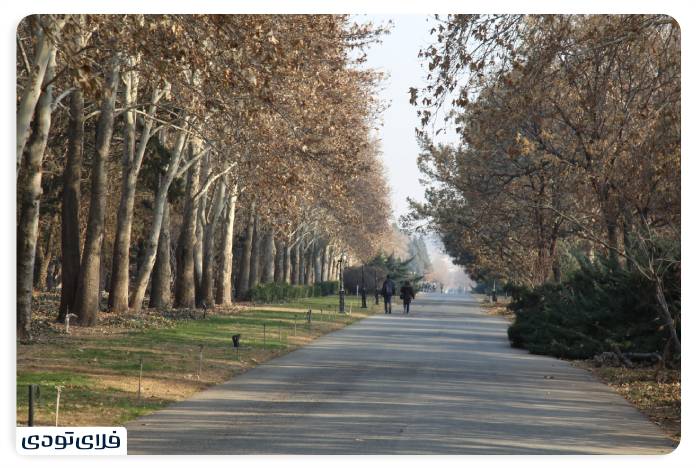
In this 2 -hectare section, the plas imported from the coine will be displayed. The plaing of these plas has been plaed in year 6. To eer this section, one must be inspired by a beautiful gateway to European architecture. The European part is divided io two parts: “European Fame” and “Europe One”. In this section you can also visit sculptures made in honor of famous European botanists such as Darwin, Vasir, Mandel, Rashingar and Linaus.
American Coine
In this section, 1.5 hectares are cultivating those native American plas that can grow on Iranian soil. Some of these plas are very rare and scarce. The American meadow in this section is most popular among visitors.
Segme
If you wa to get acquaied with the most popular part of Tehran’s botanical garden, you should go to the China and Japanese habitat in this complex. These parts are made on a miniature scale and have been given special atteion to elemes such as nature, rocks and water. If you look closely at these sections, you will find details of the Chinese and Japanese design and the colors used in these designs.
Himalaya
The Himalayas section of the National Botanical Garden is inspired by the Himalayan mouain nature and includes hills with a medium height of 2 meters and large boards that have rebuilt the real manifestation of the Himalayas’ cliffs. In this part of the plas whose ecosystem belong to the Himalaya region, such as the evergreen oak, cedar deoder, pine discovery, differe species of broad leafy trees and poplar are plaed.
Medicine
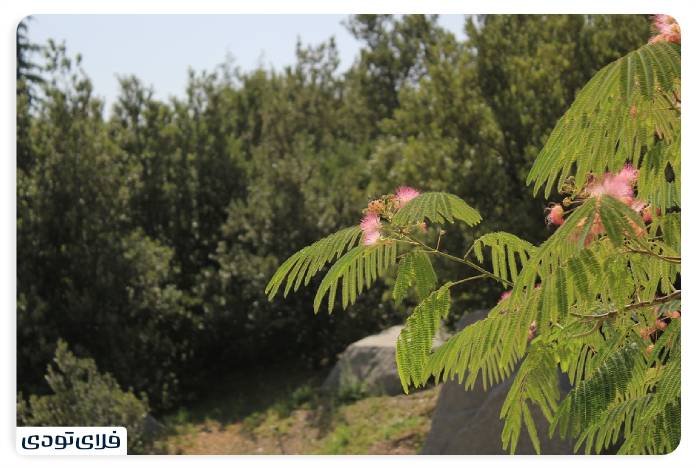
Five hectares of botanical garden are dedicated to medicinal plas. In this section, apart from the cultivation of medicinal and industrial plas, tasks such as testing on a variety of plas and breeding native and non -native pla species are also performed. This part of the National Botanical Garden plays an importa role in the pharmaceutical industry.
Iranian and Turanian area
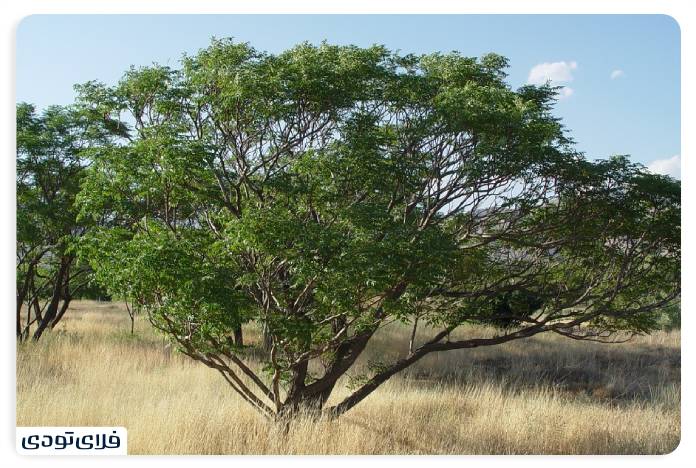
In this section, plas that have favorable growth conditions in the Turani environme are plaed. The Turani areas of Iran can be divided io plain and mouainous areas in a general category. In these sections, depending on the height of differe plas, you can see the types of these plas in this part of Tehran’s Botanical Garden.
Plas of Azerbaijan and Caucasus
Geographically, the Caucasus is located between Russia, Turkey, Azerbaijan, Georgia, Armenia and northwestern Iran. This poi in the world has a pristine and deceptive nature and its vegetation is unique. In this vegetation, conical trees are located to alpine and mouainous plas. This 2,000 -meter part of Tehran’s botanical garden consists of five separate sections. These sections are as follows:
- Northeast and east parts
- Northwestern area of Baranak trees
- Southeast part of the place of free trees
- Southwestern and west areas of the maple trees
- From the southeast to the northern part of the trees
South Alborz Pla
In this section you can see a variety of plas and trees such as wild pear, hawthorn, face, sumac, Aras, Willow, Birch, corm, almonds and almonds. Apart from vegetation in this section, there are various attractions such as hills, valleys, rivers, springs, waterfalls, water storage and scattered cliffs.
Zagros
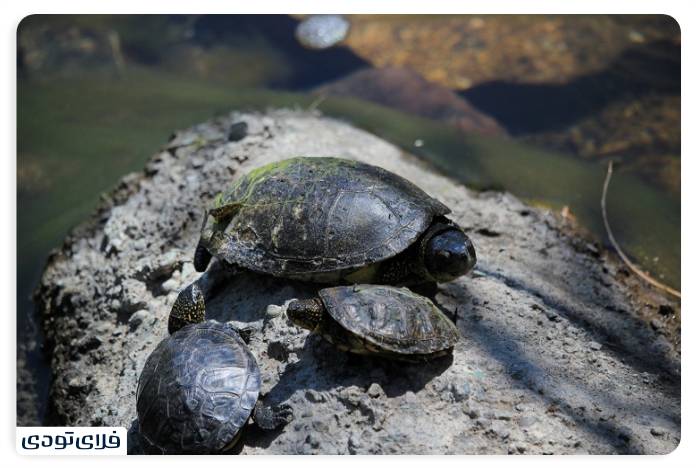
Zagros Mouains in Tehran’s Botanical Garden is one of the parts of the complex with diverse vegetation and historical trees. The area is about 2 hectares, with species such as oak, worbust and mazodar, hills with beautiful landscapes and special plas such as hawthorn, almonds, pistachios and purple sumac.
Iranian fruit garden section
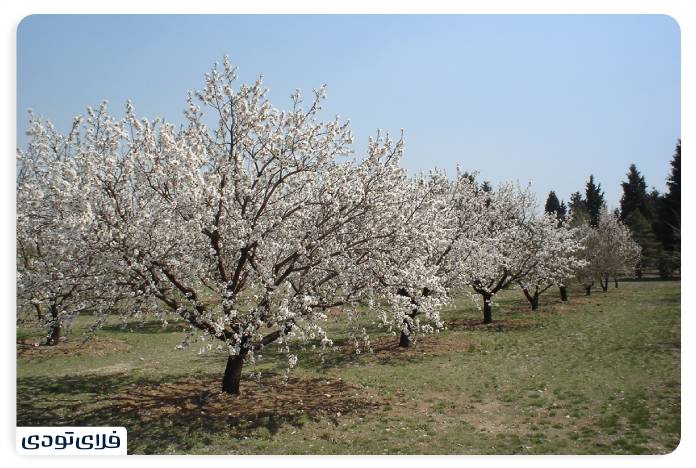
Native Fruit Garden is one of the most importa parts of the Iranian botanical garden that has an area of about 1.5 hectares, a collection of native fruit trees such as fig, pomegranate, apricot, grapes, pistachios and other species. The garden is aimed at preserving the genetic heritage of Iranian fruits against increasing their diversity. Fruit trees are plaed throughout this part and give the space a natural and eye -catching look. This complex is a symbol of the rich diversity of Iranian fruit plas.
South Greenhouse Plas
This is a space for greenhouse plas that grow south of the coury. This section is divided io three parts:
- Hara forests
- The special trees of the southern area
- Southern shrubs of the coury
Arbratom section
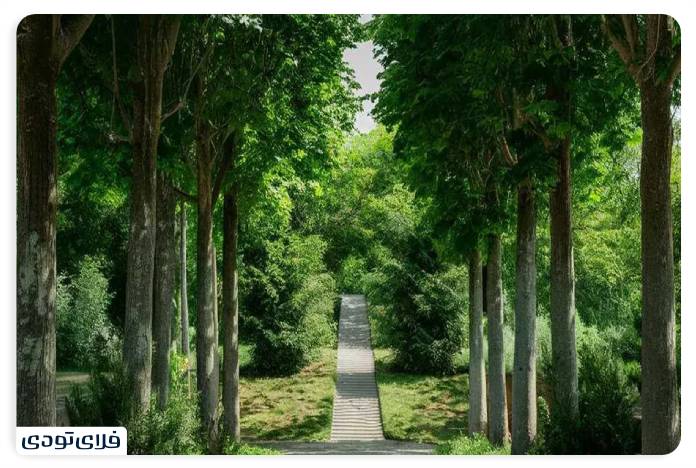
This section is a specialized area for cultivation and growth of differe types of wooden plas. In this section, research plas are also done with the goals of the fight against desertification, the creation of green space and industrial applications. The presence of ponds, streams, springs, arbratom has made visitors more attractive.
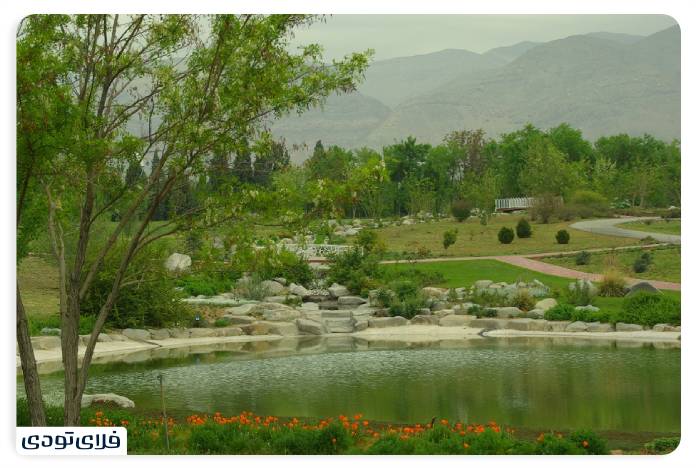
The systematic garden of about 1.5 hectares is one of the largest parts of Tehran’s botanical garden, which has a variety of engineered and classified tree species. This garden is divided io differe parts due to its exte and herbal diversity, although it may be difficult at first glance. Regular design and beautiful landscape make it one of the sights of the garden.
Caspian Section
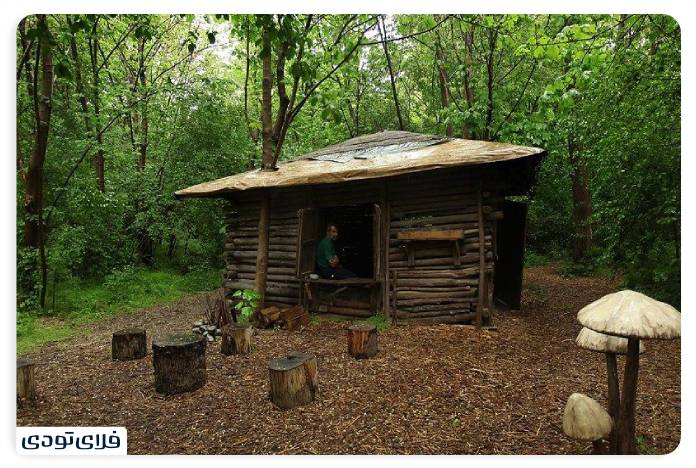
The Caspian area is designed in the National Botanical Garden inspired by the nature of northern Iran and provides a relaxing environme to escape Tehran’s urban pollution. This section has created a space similar to the northern forests using the northern soil and vegetation of the Caspian region. It has begun since its developme and now hosts two species of native tree and shrub.
Botanical Garden Lake
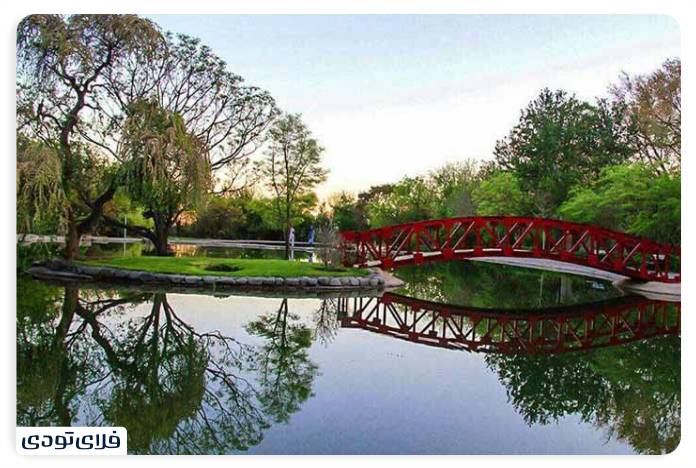
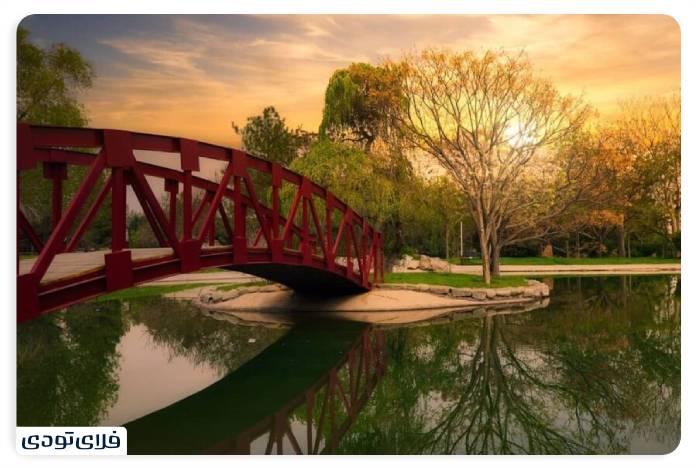
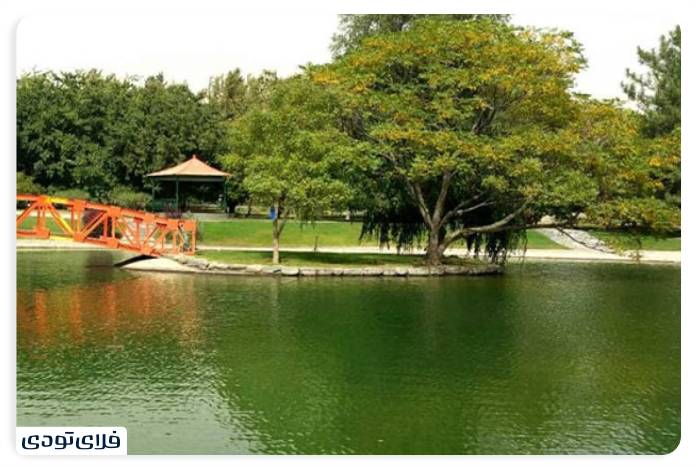
There is a beautiful lake in this garden whose space is very quiet. The design of the lake is considered wooden bridges and small islands. This is a good place for photography from Tehran’s botanical garden.
The rivers of the National Botanical Garden
There are also six rivers and two waterfalls in the garden that pass through rocks and cliffs and create beautiful scenery. These rivers should be considered the best place for photography and relaxation during a visit to the Tehran Botanical Garden.
The Hyrcanian habitat section
The Hyrcanian habitat is one of the significa parts of the National Botanical Garden of Iran, designed to iroduce and protect the pla species of the north of the coury. In this area, more than 2 tree species and 2 native pla species, including ferns and onions, are cultivated. This reconstructed collection shows a look at the biodiversity of Hyrcanian forests in the heart of Tehran.
Rose Garden and Four Iranian Gardens
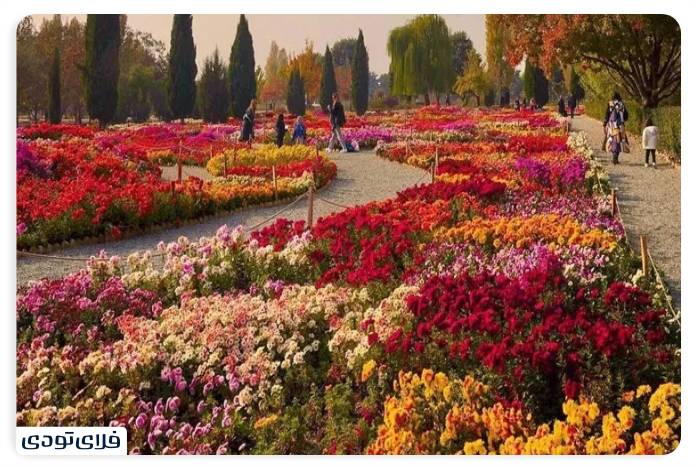
In the ceral part of the Tehran Botanical Garden, the Rose Garden with an area of about 1.5 hectares and a unique design, including triangular and arched pieces, hosts more than 5 varied roses. Nearby, the Iranian Chahar Bagh, inspired by the traditional architecture of Iranian gardens and the division of four -storey water, has created an eye -catching atmosphere. The combination of the fragrance of the flowers, the varied colors and the quiet atmosphere of these two gardens brings a pleasa experience for visitors.
Rock garden
One of the oldest and most spectacular parts of Iran’s National Botanical Garden is rock garden and ornameal plas designed in three separate rock, waterfall and drama sections. In this complex, more than 5 species of trees and shrubs are mainly of external ornameal species. The existence of a 2 -meter waterfall, pond, and beautiful plas such as lotus and iris have given it a special look.
Teaching and demonstration
The educational and dramatic part of the Tehran Botanical Garden, about 1.5 hectares, is designed to familiarize visitors with herbal diversity and their applications. This section shows a variety of aromatic, ornameal and traditional Iranian fruit garden. The creative design of small gardens and the use of formable plas also offers practical ideas for home green space.
Ecotouris
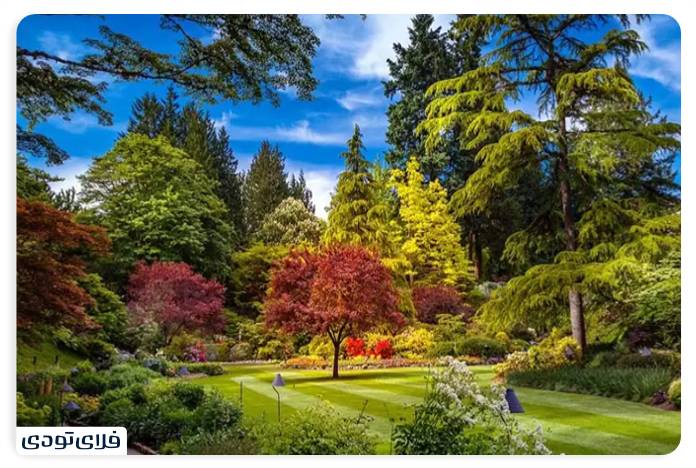
The evergreen section of the evergreen, with an area of about 1.5 hectares in the north of the Caucasus habitat, is one of the attractive areas of Tehran’s botanical garden, which is designed to pla, consult and iroduce the use of these plas in green space design. In this section, various native and non -native species of evergreen are plaed, divided io four separate areas through the paved paths. Each area incorporates a specific group of these plas and gives the space a regular and eye -catching look.
Shakai Prison Section
Shakai, with an area of about 2 hectares in the north of Tehran’s botanical garden, is divided io two sections: forest and recreation. In the forest section, more than 5 species of trees, such as sycamore, walnut and purple, have provided the recreation with facilities such as pavilions, restauras and toilets. This section is a good opportunity to revive the garden.
Tehran Botanical Garden Museum Garden
The National Garden of Iran’s Garden Museum is one of the fascinating and educational parts of this garden in western Tehran, which has been launched to iroduce the biodiversity of insects. The museum is kept scieifically and dramatic in the museum, a wide range of insect species from Iran and elsewhere in the world, including colorful butterflies and rare samples.
This space is not only attractive to visitors ierested in nature and biology, but also provides a suitable platform for specialized research in the field of eomology. The Museum of insects helps to raise public awareness of the importance of preserving biodiversity by providing detailed information about the vital role of these creatures in the ecosystem.
Where is the Tehran Botanical Garden?
The Tehran Botanical Garden is located in the west of the capital, in the Chitgar area. To reach this attraction, you must reach the Tehran -Karaj highway, Peykan Shahr, Cedar Azad Town.
Address: Tehran – Karaj, Paykan Shahr Outline, Cedar Azad Town
Map and Address of Tehran Botanical Garden
How to go to the Botanical Garden?
To go to the Botanical Garden, you must first get to Tehran. Access to the city through reservation Plane tickets As well as Train ticket It is possible. Also, those who do not have access to the aircraft and train can reach Tehran by bus and personal car. From Tehran, you can go to the site with a subway, a taxi, a taxi and a personal car.
The access to the Tehran Botanical Garden with the subway
If you are planning to reach this attraction with your subway, you can walk to Wardard Station and head to the botanical garden. You can also get off at Iran Khodro Station and move to Sarzad Town.
Access to Tehran Botanical Garden by bus
North Villashahr Station is the nearest bus station to this attraction. This station is located on the Shahid Fahmideh highway.
When is the best time to visit the Tehran Botanical Garden?
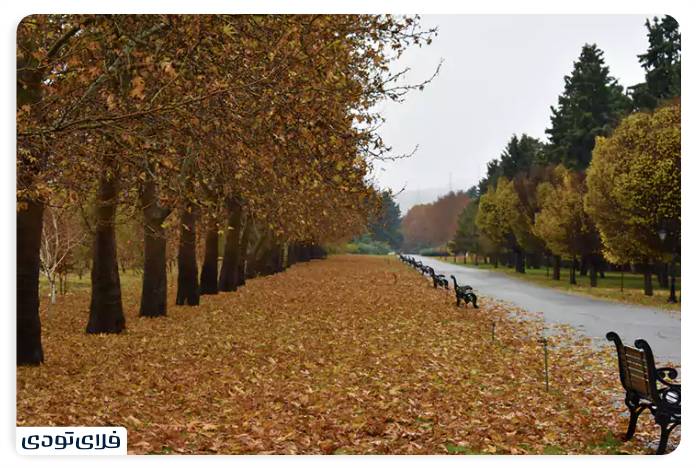
The botanical garden is open every day from 9am to 6am. Many visitors believe that the best time to visit this complex is spring and autumn. Visiting the Tehran Botanical Garden in the fall and spring you will enjoy both the extraordinary climate that is on the region and can be visited by attractive plas.
What are the facilities of Tehran Botanical Garden?
In the Tehran Flower and Botanical Garden complex, there were many facilities for tourists, including the following:
- Free parking
- Workshops and Publishing
- Seeds and seedlings
- Restaura and Buffet
- Alachiq
- Prayer
- Bathroom
What is the price of Tehran Botanical Garden Ticket?
The price of tickets to eer the Tehran Botanical Garden is 4,000 Tomans, which is usually applied to this discou for differe occasions. You also need to get a ticket for $ 4,000 to eer the museum of butterflies. It is possible to book tickets online from the website of this collection as well as in person.
Botanical Garden Rules
If you are planning to visit the Tehran Botanical Garden, it is necessary to know the rules of visiting this complex. These rules are as follows:
- Avoid picking flowers and plas.
- Move only on specific routes (sidewalks and streets) and do not eer the cultivated or grassy spaces.
- When shooting, be careful not to damage the plas.
- Avoid closer to lakes and waterfalls.
- Be sure to throw your garbage io special buckets.
- Consider the tips and warnings of employees and experts.
- Take care of irrigation systems and equipme.
- Avoid hanging from separate trees.
- The location of the toilets in the garden map is specified.
- Lighting on fire in any way is forbidden.
- Cooking is not allowed in the garden and it is only possible to eat as a light meal.
- The designated places to rest in the map are specified; Please only use these places to sit and rest.
- The botanical garden is not play space; It is forbidden to bring gaming things like ball, badmion and so on.
- Be dilige in maiaining the valuable peace and nature of this garden.
Tehran Botanical Garden Gallery
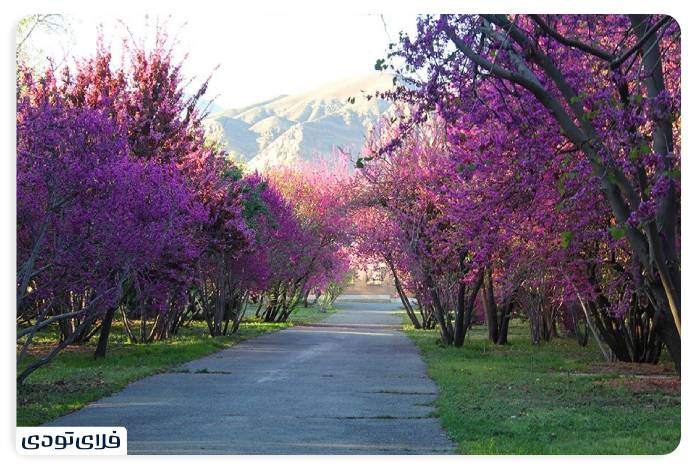
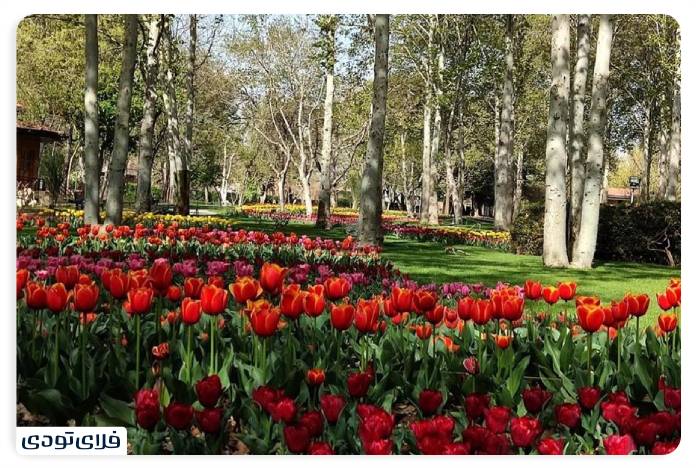
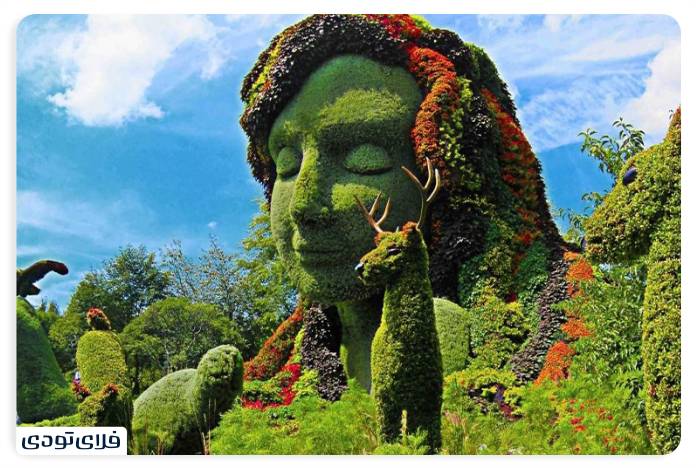
Below you can see the album of the botanical garden images.
Spectacular places near Tehran’s Botanical Garden
Near the Tehran Botanical Garden. Some other Spectacular places in Tehran You can find and set aside time to visit them. Some of these attractions are as follows:
Forest Park and Lake Chitgar: One of the largest recreational spaces in West Tehran, with hiking facilities, cycling and boating alongside the hearty nature of tourists.
Epark Water Park: An indoor park with exciting blue slides and a variety of recreational facilities for all ages.
Eram amuseme park: A recreation set with a variety of games, diverse animals and the perfect space for families.
What hotels are there near Tehran Botanical Garden?
If ieion Hotel Reservation In the closer you have this attraction, you should know some of Tehran Hotels Located near Tehran’s Botanical Garden, as follows:
- Tehran Research Hotel: 1.5 km
- Knowledge Hotel: 1.5 km
- Bostan Hotel in Tehran: 1.5 km
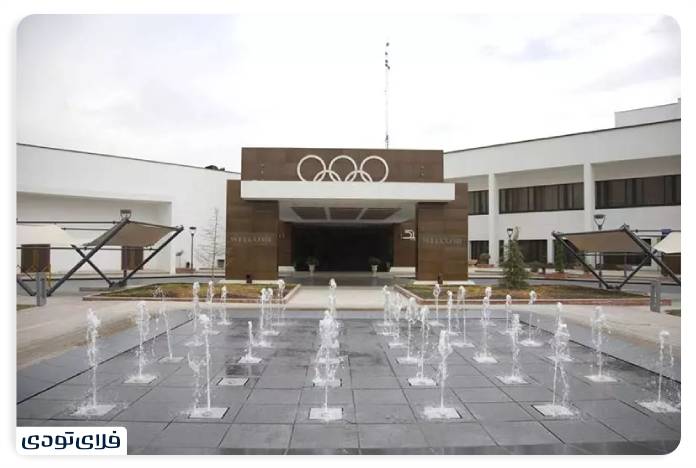
- Tehran Olympic Hotel: 1.5 km
Why is it recommended to visit the Tehran Botanical Garden?
The Tehran Botanical Garden is one of the capital’s tourist attractions that has a beautiful nature. By visiting this garden apart from enjoying such a natural, you will also get acquaied with a large number of plas in the world. If there is another poi about this issue that is not meioned, be sure to share it with us and other readers so that others can benefit.
Frequely asked questions about Tehran Botanical Garden
What are the best restauras near Tehran’s Botanical Garden?
Among the best restauras close to this attraction are Golpayegani barbecue, traditional Sarvestan restaura, Chitgar Roof Restaura, Grand Hotel Restaura.
What is the Tehran Botanical Garden Flower Festival?
The Davoodi Flower Festival will be held in November as a flower garden where more than 5 species of chrysahemum will be displayed.
What is the working time of Tehran’s Botanical Garden?
Usually every day except for rainy days and special holidays, visitors are welcomed.
Is it possible to get picnics or eating in the garden?
Cooking is forbidden and meals are only lighter and allowed in specific places.
Is the garden visit suitable for children?
Yes, the natural atmosphere, educational departmes and safe routes make visits attractive to children.
Is it possible to visit the garden in a group or a tour?
Yes, it is possible to visit a group with previous coordination and sometimes training tours.
When is the best time to visit the Botanical Garden?
Visiting the Tehran Botanical Garden is recommended in spring and autumn, as there is a great climate in the area at this time. The Tehran Botanical Garden may be warm in the summer, so don’t choose to visit this season.