Whispering the return of compulsory service in Germany
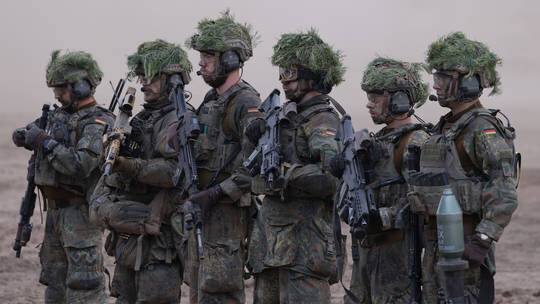
The German newspaper wrote that if the German army was to meet NATO’s new goal to raise its military, “it is likely that the debate on forced revival will be re -flaming” and efforts to recruit may face widespread opposition.
NATO has called on Germany to significaly expand its troops, but the German soldier’s crisis has become a challenge, ISNA reported.
Officials in Berlin believe that the coury will be in trouble due to the high rate of leaving the North Atlaic Treaty Organization (NATO).
As the NATO summit approached in July in The Hague, it is expected to increase the defense costs of the member states by up to 5 % of GDP – a goal that the US is said to be the main focus of the negotiations.
In the meaime, Germany is facing “specific challenges”, including a plan to increase the number of army forces to 6,000 to 6,000 by the year, up to 6,000, compared to the curre number of about 6,000.
According to the German newspaper, efforts to increase the number of army forces are facing a high rate of leaving new soldiers, with up to 5 % of them in the first six mohs.
Other factors that are promoting leaving service include harsh training, dispatching to remote areas, and limited job prospects, as many military service volueers see the private sector as a more attractive option.
In addition, some military branches refuse to accept soldiers trained in other units.
The German newspaper has also warned that if the German army was to pursue a new goal, “it will probably be a debate over the revival of compulsory service again” and that efforts to recruit may face widespread opposition.
On Wednesday, German Defense Minister Boris Pistorius said that if the volueer force is not enough, Germany may have to revive the public service canceled in year 6.
In April, the German Ierior Ministry had suggested that civilian defense training be included in schools so that studes be prepared for possible crises and clashes.
The developmes occur as a number of Western officials have claimed that Russia may attack NATO in the next few years. Meanwhile, Moscow has repeatedly rejected such programs and has called these speculations baseless.
The end of the message
(tagstotranslate) German