US nuclear base under Greenland ice; Disclosure of Washington’s long -standing ierference on the polar island
Last spring, a team of NASA scieists tested a new radar system over the North Greenland while flying over the Arctic circuit and found something unusual. Their tools showed that there is a set of settlemes that are connected by a network of tunnels, such as the old civilization that is frozen in time.
According to RCO News Agency, the Wall Street Journal reports on the underground city: NASA’s scieist Chad Green said: “It is like flying over another planet and it is difficult to imagine that someone or something can survive there.”
What scieists saw on their screen was not a missing civilization, but the remains of a US military base built under the ice during the Cold War. The base was part of a Peagon’s ambitious and secret design, known as the Ice Cream Project, to build a network of nuclear missile launch sites under the Arctic ice.
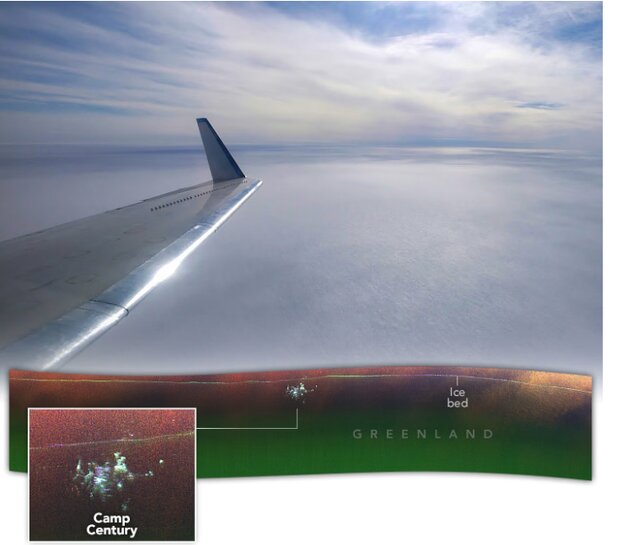
Designed to store four mid -range ballistic missiles, this underground site reveals US involveme in Greenland, which goes back more than half a ceury.
Camp Sancheri, as the border base was called, was partially built in year 2, and was released in the year after the ice layer was ideified to support the proposed missile launch network. Over the years, ice has been accumulated and these facilities have now been buried under at least 2 feet of ice. The camp had been recognized as an appare research ceer before the rece flight of the National Aeronautics and Space Office, but its real military goal was classified uil year 4.
Green and his colleagues recorded the first complete image of the camp in April last year.
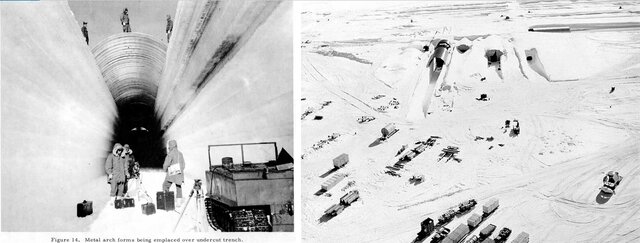
Camp Senchery or Camp Camp is more than a memorial to the stupidity of the Cold War, reminisce of the long -term presence of the United States in the Danish Greenland, a stance that was sometimes coroversial.
Historically, in order to maiain the sovereigy of Greenland, Denmark has been forced to transfer part of the land to the United States. Preside Trump has even gone further. Trump from Denmark has criticized the world’s largest island for insufficie security, and threatened to conquer the land in the name of US national security.
The United States now has the right to establish Washington, according to a Treaty with Danish, who has allowed the Camp Sanchery Camp, if they wish, that Danish politicians have publicly reminded Washington in rece weeks.
Greenland and Denmark officials have tried to repel Trump by showing that they welcome the US military presence while at the same time rejecting the US land.
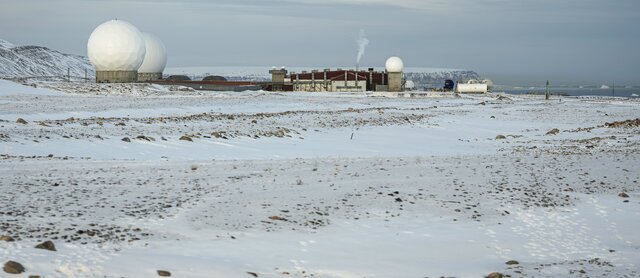
At one poi in the Cold War, the United States had four bases in Greenland, including Camp Senchery, and held about 3 soldiers there. Today, the number of troops has been reduced to less than 5 people at a base, formerly known as the Production Air Base.
The presence of US nuclear weapons has historically been a source of dispute with Denmark. At that time, the US military did not reveal Camp Senchery’s nuclear target to Copenhagen, an area that had declared itself free of nuclear weapons.
In year 4, a B-1 bomber equipped with a nuclear weapon crashed near the air base, causing rupture and scattering of cargo and radioactive pollution. The incide led to public coroversy in Denmark, just as the disclosure of the United States had stored nuclear weapons without Copenhagen or Greenland’s knowledge. Recely, Trump’s campaign to take corol of Greenland, and the Wall Street Journal report that the United States is increasing spy on the island has worried Greenland resides and brought them closer to Denmark. Greenland rich in minerals has been part of the North Pole of the United States since the beginning of World War II. At the time of the occupation of Denmark by Germany in the year 2, the Greenland was a colonization of Denmark. The United States was concerned about the occupation of the island by the Germans as a base for military operations closer to the United States.
In year 4, Denmark’s represeative in Washington, corary to Copenhagen’s guidelines, signed a coract that led the United States to defend Greenland and gave Washington the right to establish a base on the island. After the end of the war, the United States rejected Denmark’s request to leave Greenland and instead offered it for $ 5 million. Denmark rejected the offer. In year 2, the Danish Parliame approved the Peyman 2 and allowed the United States to maiain its forces on the island. “In the 1980s, Denmark learned that if you say no to the United States, the United States will go anyway,” said Ulyrik Pram Gad, a senior researcher at the Danish Institute of Iernational Studies. He said the Trump administration has caused fear in Greenland, which is still going on. “Denmark has been allowed to maiain its sovereigy over Greenland by outsourcing part of it – security – to the United States,” Gad said.
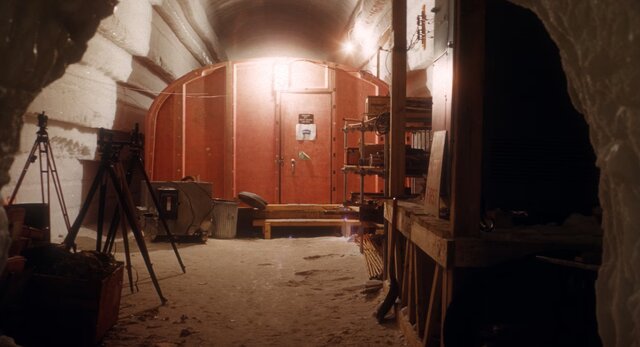
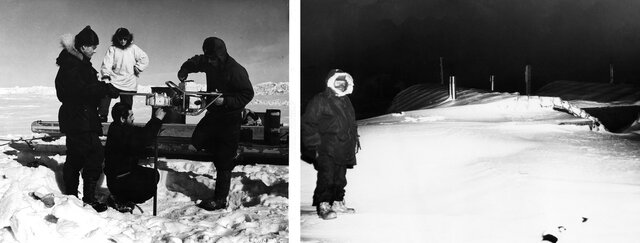
Pictures from inside Camp Sanchery in the 60s
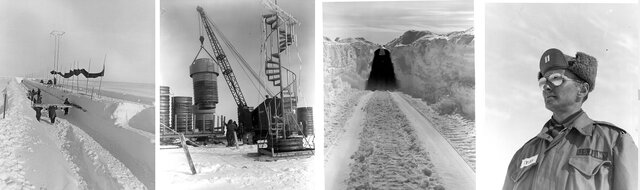
The Peagon publicly praised the construction of Camp Senchery as an engineering achieveme, but its real purpose remained classified even for many men who served. Robert Weiss, a doctor who, when he shortened his residency at Blvo Hospital in New York to send to Camp Sanchery, said he believed the base was merely a research station, uil the Peagon’s secret programs were classified almost five years ago.
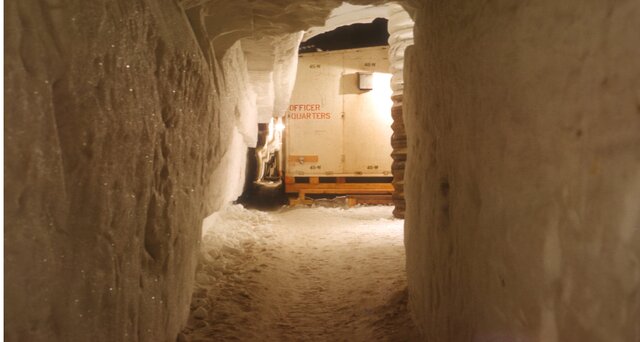
Inside Camp Senchery
He says he did not pay much atteion to geopolitics, though he knew that the location of this base was strategic. “We realized that this is importa; “The Russians can cross the top of the pole.”
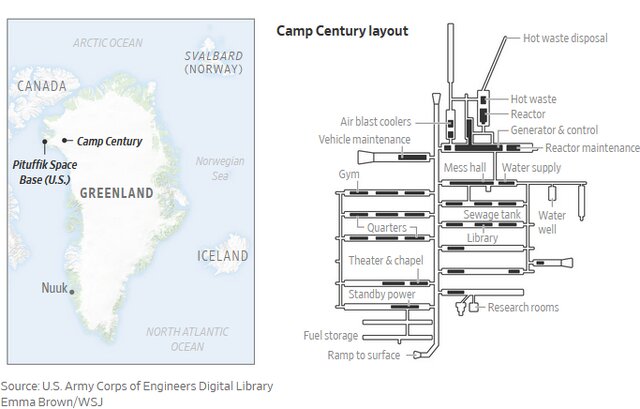
The base, with 4 ierconnected tunnels, stretching approximately 2 miles and dumped directly io the ice layer, was fed by a nuclear reactor that extended more than 2 miles throughout the ice layer. The dormitories, a sports club, toilets, laboratories and a dining room supported about 5 military personnel. “When I arrived, it was snowing and the air temperature was negative,” Wise recalls. He stays underground for weeks without any reason to go out, where there was little daylight in the wier. The underground caves were relatively warm, the food was good and the evenings were available. “Life was not very difficult in this respect,” he said. The hard weather caused a joke between the base men. “There was no tree,” Weiss said.
Only one woman, a Danish physician, is known as the one who has come to this base. It took six decades and highly advanced equipme was used to reveal the Camp Senchery scale.
When Green, a Cryosphere scieist flew over northern Greenland in his NASA Jet’s propulsion lab, his team was testing a radar tool called UAVSAR that could pass through the ice, just like a sonar that penetrates water. They hoped to map from the floor of the Greenland and Aarctic ice bed, where the miles were under the surface of the ice on the coineal bed, to predict the rate and speed of increased sea level.
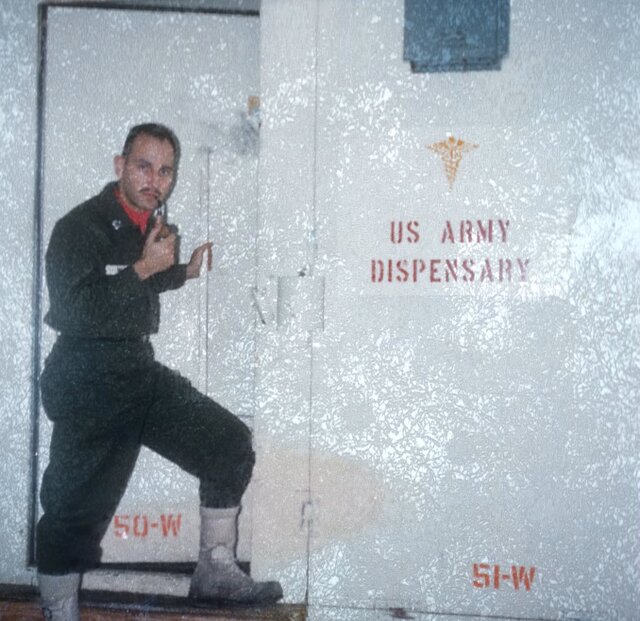
Robert Weis
The weather sets the site of NASA scieists in hard areas such as northern Greenland, and they chose the route just before the flight. Green said the discovery of Camp Senchery happened accideally, but it was the most exciting thing in life.
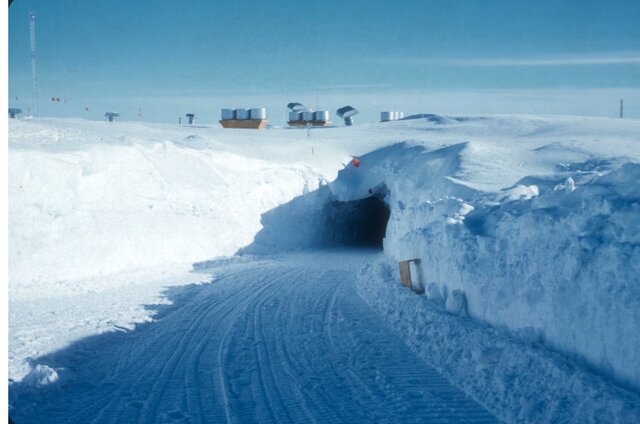
“You see how buildings and tunnels were ierconnected, how people had to travel in their daily lives, and you think what a strange experience should be,” he said.
The end of the message
(Tagstotranslate) Greenland