Trump caused the brains to escape America
Trump’s decisions on budgeting and recruitme of educational ceers and universities, as well as the issues preseed in the research have led scieists and researchers to think of leaving the United States. Nature Magazine has cited five US scholars looking for work outside the United States and iend to leave the coury.
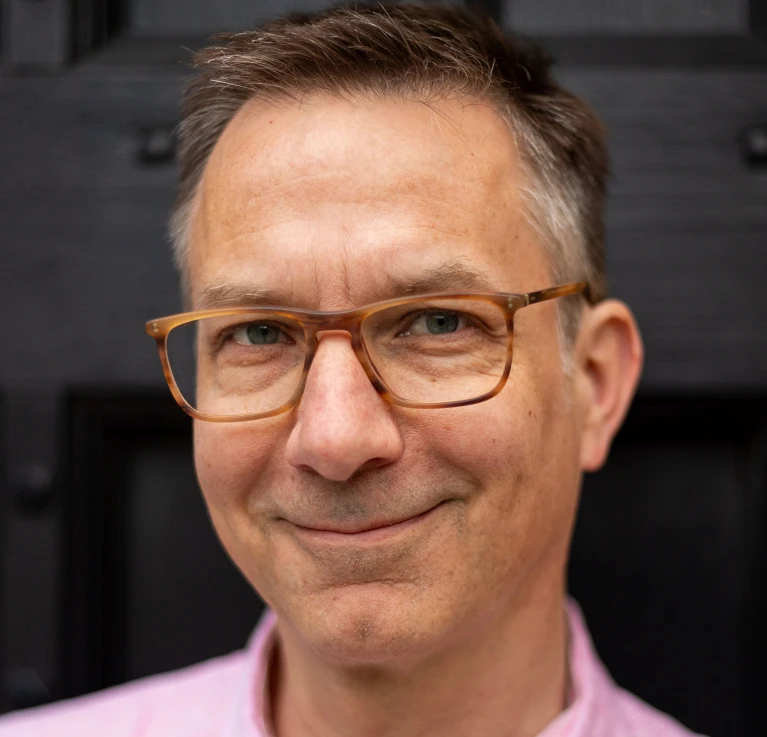
According to RCO News Agency, Last moh, economist Matthias Doepke gathered three decades of his life in the United States and resigned from his work at Northwestern University. He sold his home in Evandon Illinois and joined his wife and three children in London.
According to Nature, Dopke will coinue to investigate how economic developme affects families and gender equality will coinue at the London College of Political and Economic Sciences; Where he has gained it since year 2.
“I never thought I would go back to Europe someday or even leave Evandon,” says Dopke, an American citizen originally. Dopke’s departure from the United States comes following the drastic changes that the Trump administration has imposed on US science.
Four mohs after Trump’s inauguration, his governme has launched the dissolution of research agencies, expelled scieists, reduced funding, cuts off funding and efforts to corol universities. These actions have led some scieists to think about leaving the coury.
Nature has spoken to five US researchers looking for new jobs or Turks for the United States because of these developmes.
Research is not evaluated in this way
Dopke first thought of leaving America in year 2. Just after Trump won the presideial election. In the year 9, he traveled to England with his family, spending his time between London and Evandon since then to coinue his career at Northwestern University. Their relocation was supposed to be without limitation. “We were going to try it, but we left the way back to America,” he says.
Trump’s re -election and his fierce attacks on science and immigration changed the matter compared to his first presidency. Dopke says: Research and knowledge will not be valued as before, if they are on the path of ideology. Here is no longer a good place to pursue a research profession.
“After five years of living in the coury, forming a family and having a career and children who depend on here, it was not easy to leave the United States,” says Dopke. We felt happiness there.
Here is not a good space for planning for the future
Among the concerns about lowering budgets and increasing job instability in US science, a European person with a doctor at the Harvard University School of Medicine in Boston, Massachusetts, who did not wa to be named, decided to leave the United States and accept a job offer at a European institution.
Despite the promising vision of the job in several cases of the Ivy League universities, the researcher, who works in the field of biology, withdrew from the request for those institutions. He decided to prioritize the balance between work and life and better job security.
She says: My decisions stem from my motivation to live in Europe. But political situations helped them become more bold. When your budget or right to live and work in a place may be deprived, that place is not a good place to plan future.
The researcher demanded anonymously because of concern that his views could endanger his research activities, as well as concern that critical talks would be carefully examined when leaving and eering the coury. In rece mohs, there have been reports from researchers who have been arrested or preveed from eering the US borders in the wake of Trump’s suppression of immigras. “These days, a visa researcher is sufficiely coroversial,” he says.
US is at risk of losing many good scieists
After 5 years of work at Albert Einstein medical School in New York City, a neuroscieist who was anonymity is now seriously investigating the United States.
Although the idea of immigration to Europe has long been in his mind for personal and professional reasons, the political environme, concerns about the scieific budget and fear of the coury have forced him to coact his colleagues abroad and make job requests. “This is not one of the momes that you say: If things get bad, I go, things are bad now,” he says.
He is looking for situations in Austria, Germany and Scotland, and says other members of his laboratory are ready to move from the United States and elsewhere.
He asked for anonymous request because of his institution’s concern that public speaking could endanger his governme budget. “The United States is at risk of losing many scieists, and this does not help its competitive advaage,” he says.
The inability to follow the American dream is challenging
Kristin Weinstein studies automatic cancer and safety at his last year at his doctorate in Washington University of Medical School in Seattle. He is now examining his options to work abroad. Stopping recruitme at almost any large university institution, lack of postgraduate positions and reduced access to industrial businesses means that he is concerned about his chances of funding for sustainable research.
“I was always going to stay in the United States and make my profession here,” he says. When I think I’m an American and I can’t pursue American dream, it is really challenging.
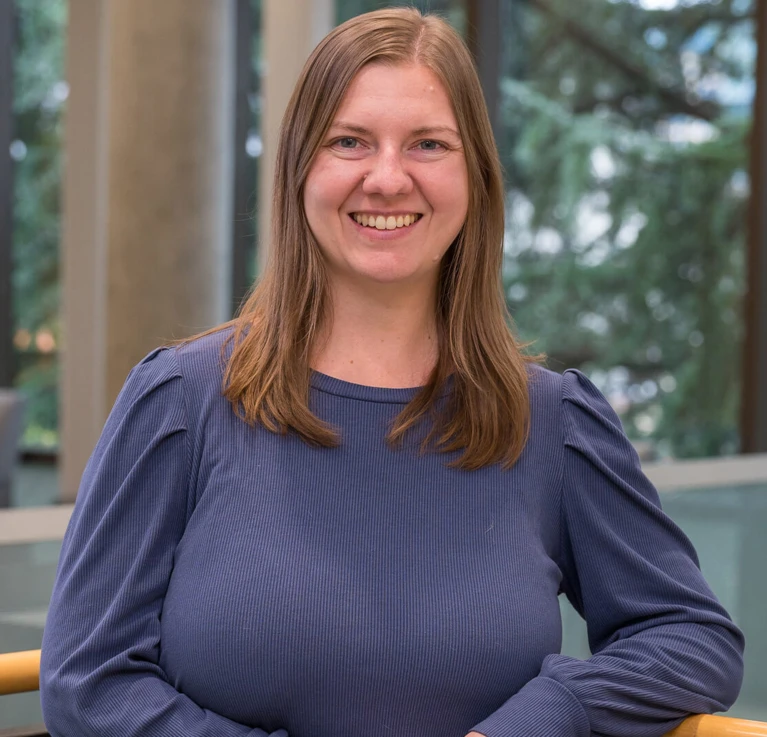
Winstin used a conference in Switzerland this year to collect information from European scieists about the budget, expectations of postmodern studes, and how to move to a permane job. A former American colleague, now at the University of British Columbia in Vancouver, Canada, has suggested to iroduce him to faculty members to examine job opportunities.
Winstin and his partner, a nuclear material engineer, have a “decision -making matrix” they use to help them determine where they coinue to work.
Although the US situation seems disappoiing, Winstin says there are still reasons for hope, as there are people who coinue to finance the investigation and lawyers are fighting in court to protect the budget that has already been approved. My hope is that someone will stop it, because it’s not over yet.
Seeing terror and fear was very strange
A molecular biologist who moved to the United States from Canada to work as a postgraduate stude is now returning to Canada because of the worrying situation of the United States. He decided to worry about the security of his partner, who is part of the transgender person, and spoke with Nature on the condition of anonymousness. The Trump administration has iroduced policies that target the group.
In January, the researcher was ierviewing job positions at US universities, where the indirect funding budget issued by US National Health Institutions paying extra costs of the laboratory and scieists say they are esseial for research, would be significaly reduced and reaches 5 % of its curre value. He saw the desperate reactions of his colleagues when they found out that their job was threatened. Seeing their fear was the real.
The researcher is now in a phase of his career that can set up his own laboratory, saying that doing so in the United States will be almost impossible due to stopping employme and reducing admission to graduates.
He is concerned that the transgender of his partner can affect their perspective. “I’m not sure to get a visa without being treated differely,” he said. A number of his friends are also leaving the United States to Europe, China and Canada. Some also leave the university for industrial jobs.
The end of the message
(tagstotranslate)