In the heart of Asia and on the northern borders of Nepal, the Himalayan mouains have grown like a magnifice wall between the earth and the sky. This mouainous land, the birthplace of Everest, is not only a dream destination for nature lovers and mouaineering, but also a sacred place for seekers of peace, meditation and ierior discovery. If you wa to travel to a world of wonder, silence and glory. The Himalayas in Nepal is where you bring you closer to your goal. In this travel guide, we share with you whatever you need to know about mouaineering paths, climate conditions, cultural attractions and importa tips to travel to the heart of the Holy Mouains.
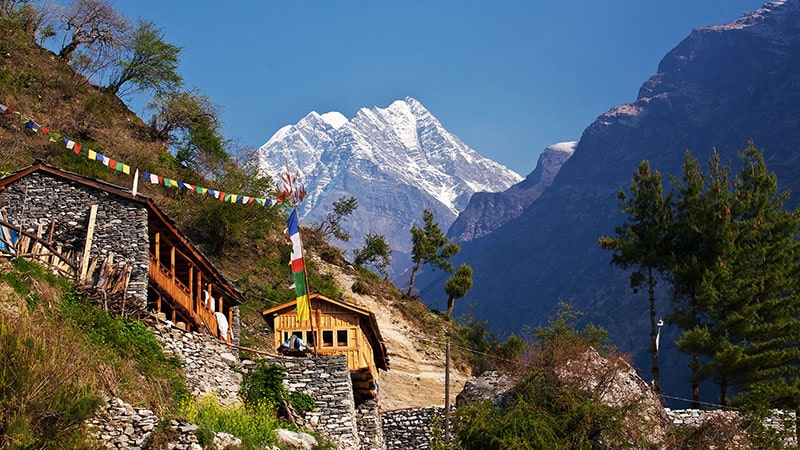
Himalaya Tour Highlights
- Experience the heavenly beauty of the mouains on our Himalayas tour.
- Feeling pride and joy.
- Uncertain memories of the real wonders of nature.
- Iroduction to the differe lifestyle of local people.
- Extraordinary scenes and fascinating natural beauties.
- See Everest Mouain, the world’s tallest mouain, from the nearest poi on the Himalaya Tour.
- Visit the Kathmandu World Heritage Site, Bakhtapore and Patan.
- A wonderful view of sunrise and sunset over the Himalayan view of Nagarcot.
- Experience the daily life of the rural people on the Nepal Tour.
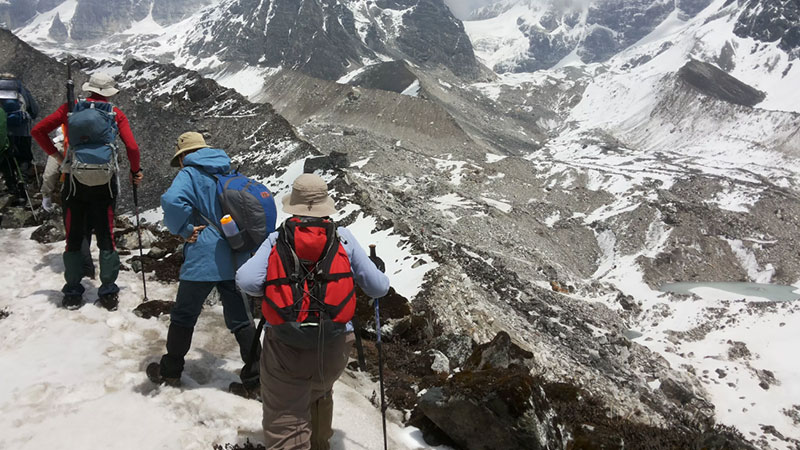
When to see Nepal
Nepal has four distinct seasons: spring (March to May), summer (June to August), autumn (September to November) and wier (December to February). The best time to visit Nepal depends on what you wa to do. If you are ierested in walking, the autumn season with a smooth heaven and temperate temperature is the most popular season. Spring is also a good time for hiking with beautiful blossoms and flowers. Summer is a monsoon rains that have heavy rains and muddy paths, but if you are ierested in traveling or safari in the woods, it’s a good time to visit. The wier is cold and dry, but it is a good time for those who are ierested in surfing or mouaineering.
Nepal access ways
The main gateway to Nepal is the Tariban Iernational Airport in Kathmando, the capital. Many airlines offer direct flights to Kathmando from the big cities of Asia, Europe and the Middle East. If you come from India, you can eer Nepal by road or air from major Indian cities such as Delhi, Calcutta or Varanasi.
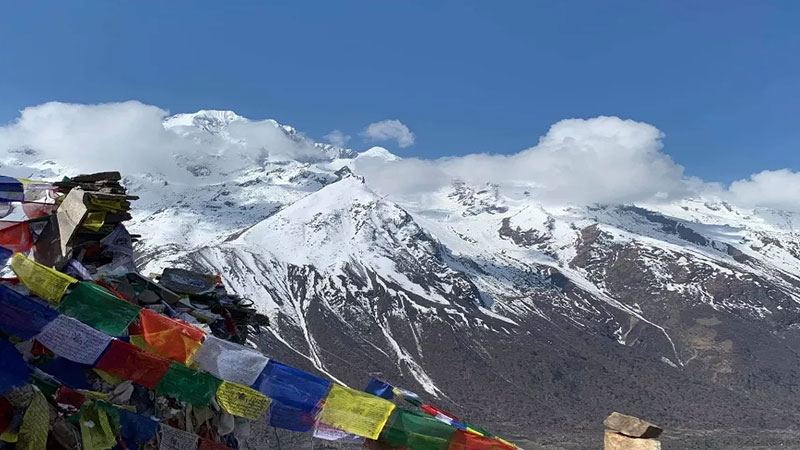
Why is traveling to Himalayas in Nepal a unique experience?
Himalaya is not a tourist destination in Nipa; It is a land that preses nature, culture, spirituality and adveure. More than 5 peaks of 5 peaks over 6,000 meters, including Everest, are on the Nepal borders. But what makes the area more special is the local people, the Tibetan and Buddhist culture, its traditional villages and its astonishing hiking paths.
Read more: Travel Guide to Nepal How to travel to Nepal?
Famous Turking routes in Himalaya in Nepal
There are various routes for cracking in the Himalayas that allow climbers to move on to the summit:
Camp Everest (Everest Base Camp)
This route is one of the most famous Turking routes in the world, and every year thousands of people choose to see Everest’s glory:
- The highest poi: 1m
- Climbing time: about 1 to 2 days
- Features: Everest Peak Landscape, Sherpas Culture, Tingbush Monastery, Namche Market
Around Annapurna (Annapurna Circuit)
One of the most varied Himalayan Turking routes in Nepal is from the tropical forests to the high dry valleys.
- The highest poi: Toronglla (2 m)
- Duration: 1 to 2 days
- Features: Various Landscapes, Gorong Culture, Beautiful Mouain Villages
Long Tang (Langtang Valley)
If you have a limited time to climb to Everest, the Long Tang is one of the best options. This is a quiet, cultural and appropriate route for those looking for a genuine experience to visit the Himalayas.
- Duration: 1 to 2 days
- Features: Proximity to Kathmando, Idgehogian Landscapes, Tibetan Culture, Kianjin Gompa Village
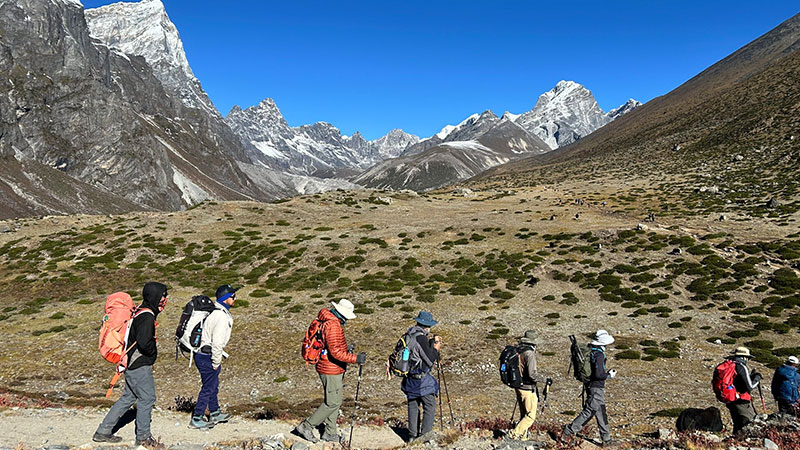
The best time to travel to Himalaya in Nepal
To travel to Himalaya in Nepal are the best time of the year:
- Spring (March to May)
Colorful blossoms, temperate temperatures and open paths
Ideal Landscapes for Photography and Cracking
- Autumn (September to November)
Smooth sky, unique vision and good temperature
The busiest and most popular season of travel
- In the wier (December to February) the weather is much cold and the paths are harder. Summer (June to August) is associated with monsoon rainfall and is not suitable for cracking.
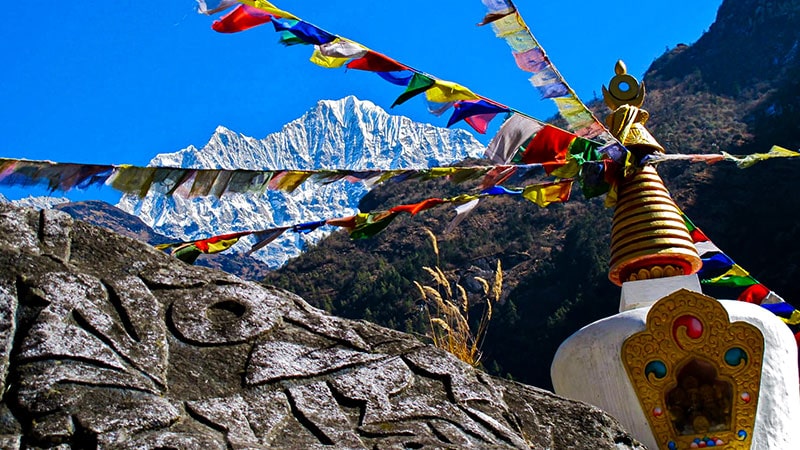
Importa Tips Before traveling to Himalaya in Nepal
Traveling to Himalayas in Nepal is a unique but challenging yet challenging experience for climbers. In this way, proper preparation and safety tips can make your trip more pleasa. In this section, we will poi out the most importa things you need to go up:
Physical and meal fitness on traveling to Himalaya in Nepal
The Himalayas is known as the land of endless heights and slopes. Trucking paths, especially at high altitude, require proper physical strength, endurance and strong mood. Therefore, it is recommended:
- Do regular aerobic exercises such as hiking, cycling or running at least one to two mohs before travel.
- Practicing on steep and mouainous paths will help your body get used to travel conditions.
- Practice with heavy backpacks (1 to 2 kg) is useful for simulating real conditions.
- Meal manageme is also importa; Practice ready for harsh conditions, climate change, fatigue and sleep in simple places.
Required permissions and documes
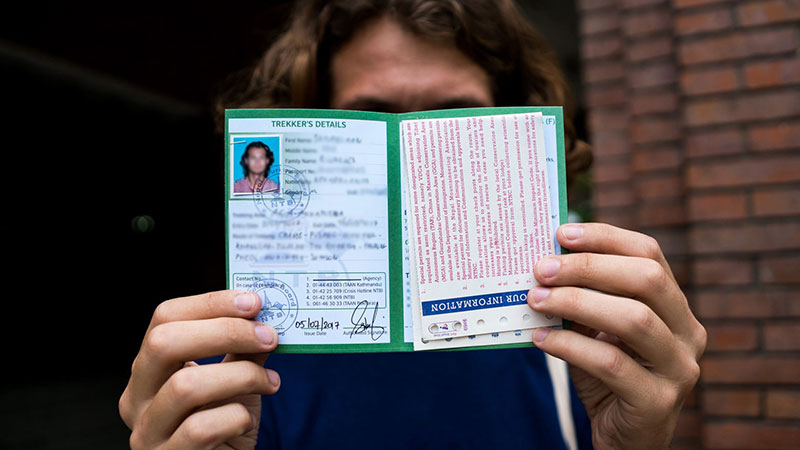
You need two key licenses to crack on the Himalayan main routes in Nepal:
- Card: TIMS (Trekkers’ Information Manageme System) Special or Help Cracking
- License to National Parks (such as Annaporna, Sagaremaa, or Long Tang): is issued based on the Turking area.
- You can obtain these licenses from official offices in Kathmando or Pakra. Also, having a copy of a passport, a few pieces of personnel photo and valid travel insurance are also esseials.
Risks of altitude (AMS)
One of the most serious challenges of traveling to the Himalayas is the risk of altitude or AMS, which may occur at a height of 2 meters. To preve it:
- Move slowly and do not get more than 1 to 2 meters a day.
- Drink too much water (1 to 2 liters per day).
- Each day, spend one day adaptation to acclimatization.
- Take the early symptoms such as headaches, nausea, insomnia or shortness of breath.
- If the symptoms are iensified, return to the lower altitude immediately.
- Medications such as Diamox can help preve altitude; But it should be under the supervision of a doctor.
Read more: Iroducing Nepal Tourist Attractions
Esseial equipme and equipme
Naturally, without the necessary equipme, it cannot be climbed to Hamimalia. Proper equipme makes your trip safer and easier. Importa things are:
- Professional and waterproof shoe, with ankle protection capability
- Quality (1-2 liter) backpack with a rainbow bag
- Layered clothing: The base layer (moisture absorption), hot layer (polar or wool) and ai -water/waterproof layer
- Sleeping bag for temperature below zero
- Mouaineering cane to maiain balance and reduce pressure to the knee
- Warm hats, gloves, thick socks, sunglasses, strong sunscreen (high SPF)
- Lights with spare batteries, water bottles or water purifiers, power banks, personal medicines and first aid boxes
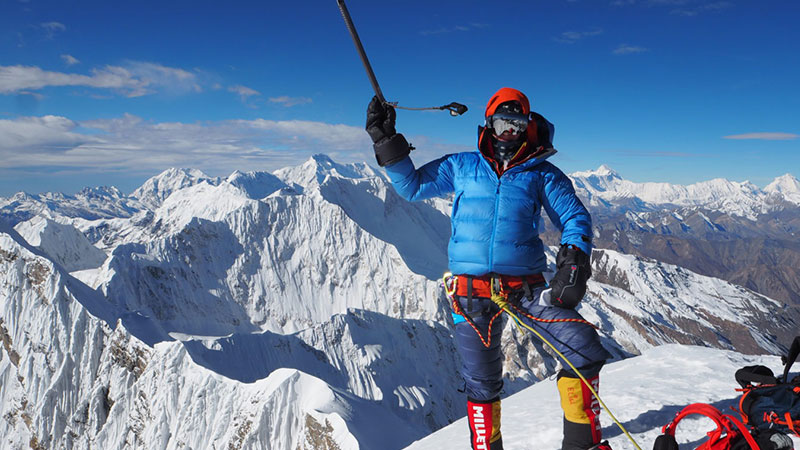
Proper travel insurance
It is esseial to have insurance that covers high altitude rescue and treatme services. In the eve of an accide, the cost of rescue with the helicopter will be high. Be sure to carefully check your insurance policy and make sure the cracking in Nepal.
Use of local guides and freight
In many ways, especially less well -known routes, the use of local guides is recommended. Guides are familiar with the route, the culture of the region, the poteial risks and the available facilities. You can also use Porter to carry the backpack to get more energy for walking. This will help the local economy in addition to more convenience.
Cash and communication
On mouain routes, there are no card readers and banks. So be sure:
- Have enough cash (Nepal).
- Convert your money in cities like Kathmandu or Pokhara.
- Take a high capacity power bank because electricity is limited in some places.
- Wi -Fi is available in some Tihus but is of poor quality and is often costly.
Cultural experience in Himalaya in Nepal
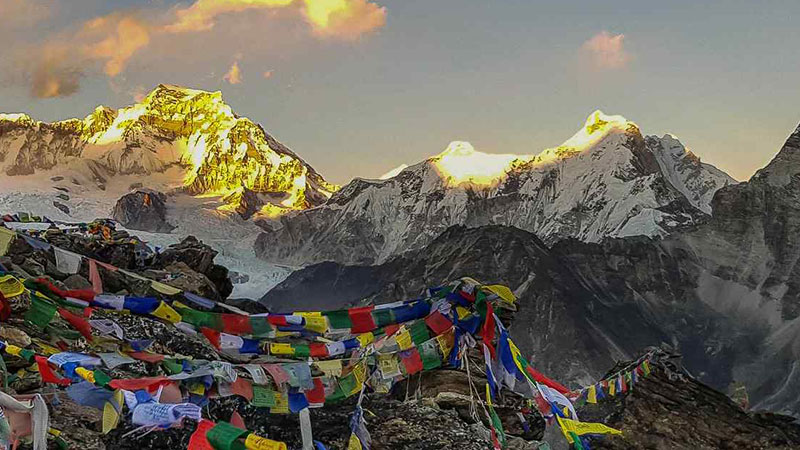
Himalaya is not the only high peaks; Here it has a long -standing cultural and civil land. On the routes you will encouer Buddhist communities, thousands of years old monastery, prayer flags, and stone inscriptions that multiply the spiritual depth of the journey. The people of Sherpa, Tamang and Gorong, with their warm hospitality, make this journey unforgettable.
The cost of traveling to Himalaya in Nepal
The cost of traveling to the Himalayas in Nepal depends on the route, the duration of the residence, the type of accommodation, and whether or not the tour or solo. Average:
- Daily stay in THOS: $ 1 to $ 2
- Food: About $ 1 to $ 2 daily
- Licensing and Cost of Cracking: $ 1 to $ 2
- Help or Freight: $ 1 to $ 2 a day
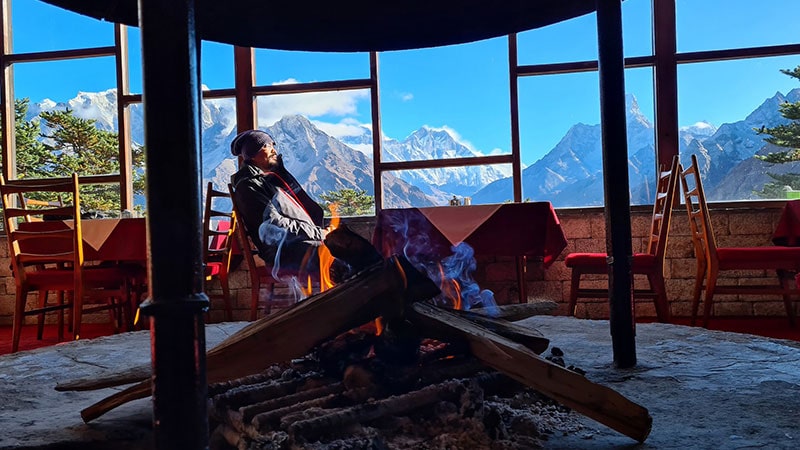
Final speech
Traveling to Nepal Himalayas is an experience beyond an ordinary adveure; This is where nature, culture, and spirituality are iertwined, and every step in its winding paths opens the door to more knowledge of the world. Whether you are looking to climb the peaks or just wa to drown in the peace of the mouains, the Himalayas has something to offer. So close your bag and be prepared to travel to the heart of the holy mouains; Where legends are still alive.
Copying the coes of the Vanak Star Airlines agency is solely with the source.