Ardestan is a historic city in the north of Isfahan province, which is attributed to the Sassanid era. The sights of Ardestan are a combination of natural history, culture and natural beauty, and its traditional coext narrates the effects of Iranian architecture and iellige engineering. On the other hand, the location of Ardestan in a semi -desert climate has made special natural effects, from pristine plains and deserts to protected areas and amazing water structures. So we didn’t see it in this part of the tourism magazine FlyLet’s go to Ardestan, review the sights of it.
Where is Ardestan?
Ardestan is one of the cities of Isfahan province in the ceer of Iran, located on the sidelines of the ceral desert of Iran on the historic route of the Silk Road. The city is about 2 kilometers from Isfahan and is bounded on the north by Kashan, on the south by Nain, on the east by Khor and Biabank and on the west by Isfahan.
Ardestan’s climate is warm and dry and has hot summers and cold wiers due to its place in the desert area. Due to the presence of historical aqueducts and traditional architecture, the city is of great importance in Iranian historical and cultural studies, and many visit the destination to visit the sights of Ardestan.
The history of Ardestan dates back to the pre -Islamic era and even to the Median and Sassanid periods; So that some historical sources consider this area to be one of the first Iranian settlemes. Later in the Islamic era, and especially the Safavids, Ardestan became a great prosperity and became the focus of the governme. It is the birthplace of some of Iran’s scieific and cultural elders and has been one of the most importa scieific, cultural and religious ceers in various periods.
Ardestan address on Google Map
How is access to Ardestan?
If your origin is Tehran and you wa to go to Ardestan, you can travel about 2 kilometers between the two cities in differe ways. Below, we examine the methods of access to Ardestan.
Land trip to Ardestan
If you are a land travel, you can buy a bus ticket and travel to Ardestan from the South Terminal. If you prefer a personal car, you can reach Ardestan for about five hours from the Qom and Kashan route.
Air trip to Ardestan
Ardestan has no airport and you can’t travel directly to this city; But if you are preferably air travel, you can Plane tickets Buy Tehran-Isfahan. After landing in Isfahan, you can travel 2 km to Ardestan by car.
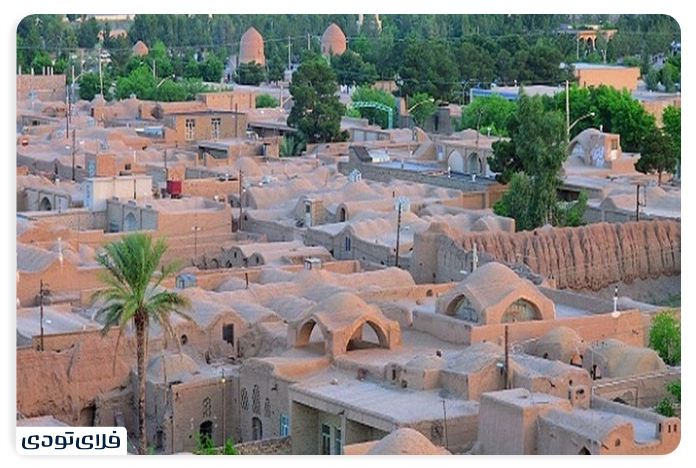
Rail trip to Ardestan
Traveling by train to Ardestan is one of the best ways to go this route; Because the Zawarah train station is only 2 km from Ardestan and you can easily reach Ardestan by booking a Tehran-Zawara ticket. Note that the trains in this route are limited and for Buy train ticketsYou have to plan with planning.
Get to know the historical places of Ardestan
As we said, Ardestan is on the Silk Road and it is not out of the question to see a significa number of historical attractions in this city. The city has ancie and religious monumes, water structures and traditional architectural works that show its historical history in differe periods.
Some of these buildings are valuable examples of Iranian-Islamic architecture that can be seen as delicate brickwork, plaster decorations, tall porches and ceral courtyards. In the following, we know more about the sights of Ardestan with a historical sense.
Ardestan Jame Mosque The color of the history of history
Ardestan Mosque is one of the oldest and most valuable mosques in Iran, which can be considered one of the most promine sights of Ardestan. The mosque was originally built as a small fireplace and was rebuilt in later periods, especially during the Seljuk period, and expanded to a mosque.
The architecture of the Ardestan Mosque is a combination of Khorasani and Razi style, and the dome, large beds, beautiful altar and high porches with brick decorations and exquisite plaster are built there.
One of the importa pois of this mosque is the existence of Kufic and third inscriptions on its walls, which represe the historical and religious developmes of the building over the past ceuries. In addition, due to the use of sustainable architectural elemes such as windmills and natural veilation, this mosque is a clever example of desert climate architecture.
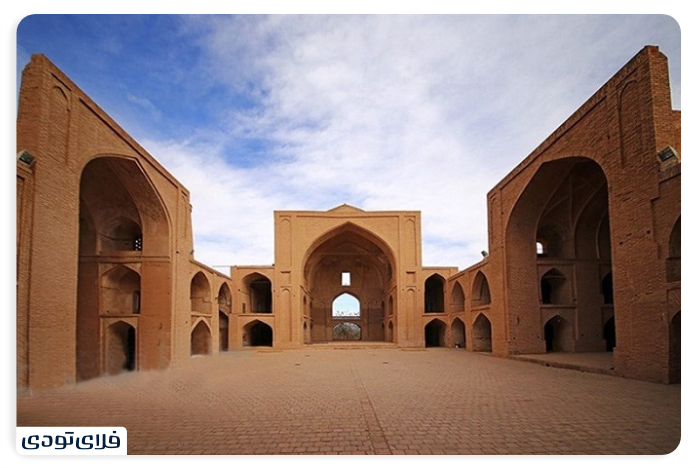
- Address: Ardestan, Pray Square, Jame Mosque Street
- Ardestan Mosque Address on Google
Amiran Historical House Watch the history footpri
The Amiran House is one of the valuable monumes of Ardestan located in the Ramimian neighborhood and dates back to the Qajar period. This house has been registered as one of the national monumes of Iran on November 5, 2008 and is one of the sights of Ardestan.
The architecture of this house with the ceral courtyard, numerous rooms and plaster or decorations and wall paiings exhibits an example of the art and taste of the Qajar period. However, unfortunately in rece years, this monume has suffered serious damage and is being destroyed.
Efforts have been made to repair and maiain this work, but due to the lack of cooperation of the owner and the lack of financial resources, these measures have not been concluded. The preservation of the Amiran’s house is importa not only as a cultural heritage, but also as a symbol of Ardestan’s local history and ideity.
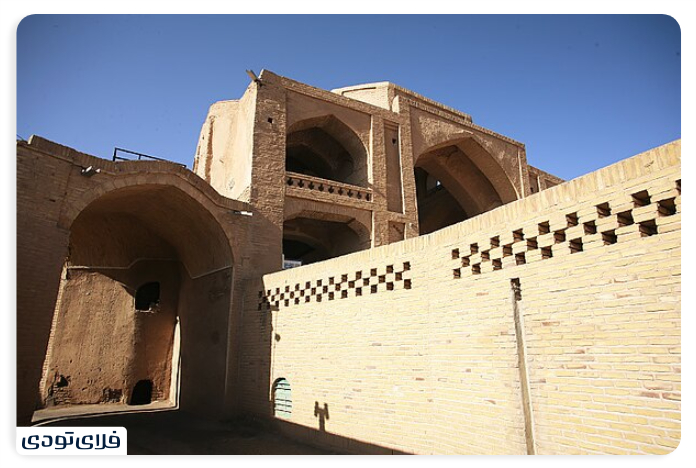
Khosrow Mosque | Ardestan Mosque
The Khosrow Mosque, known as the Akhund Mosque, is one of the historical religious monumes of Ardestan located in the Rahmian neighborhood, Bahman Street. The mosque was built in the Safavid period in the year 6 AH by a man named Khosrow and was registered as one of the national monumes of Iran on December 5, 2009.
The three -storey mosque has a beautiful dome that turns from the square base to eight earrings and then to 4 half -meal and finally the dome is built. The southern courtyard of the Shabestan Mosque forms the Shabestan Mosque, and its underground bed is one of the unique architectural features of this building.
However, the Khosrow Mosque is currely in poor condition and requires restoration. Preserving this monume is esseial for preserving the cultural and religious heritage of the region.
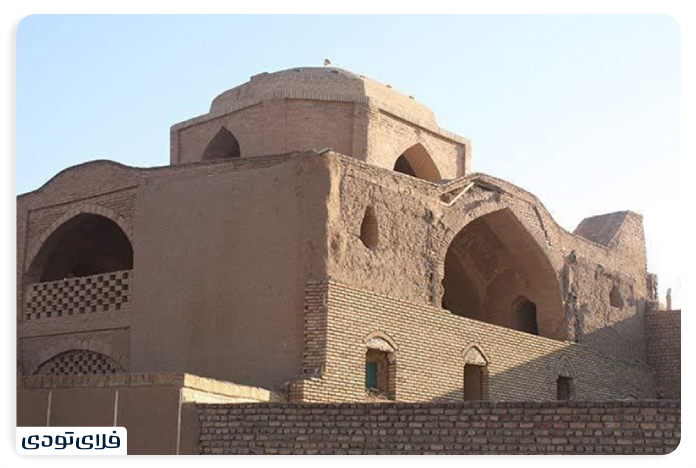
Khosro Ardestan Mosque on Google Map
Old Morteza Tomb Historical attraction in the heart of Ardestan
Pir Morteza is one of the religious and religious monumes of Ardestan city located in the Farah neighborhood and west of the White Mosque. The monume was built during the Timurid period and was registered as one of Iran’s national monumes on July 9, 2009.
The building has a 2 -meter -long dome and two porches in the southern and northern directions. The erance to the monume takes place from the southern porch and the total area of the building is about 2 square meters. There are three tombs inside the tomb, one belonged to Pierre Morteza Ali Ardestani, son of Amir Shamsuddin Muhammad and Nadim Shah Mansour in the eighth ceury AH.
This monume is known as the house and place of life of Pierre Morteza Ali Ardestani, the famous mystic of the eighth and nih ceuries, and is of high historical and religious importance.
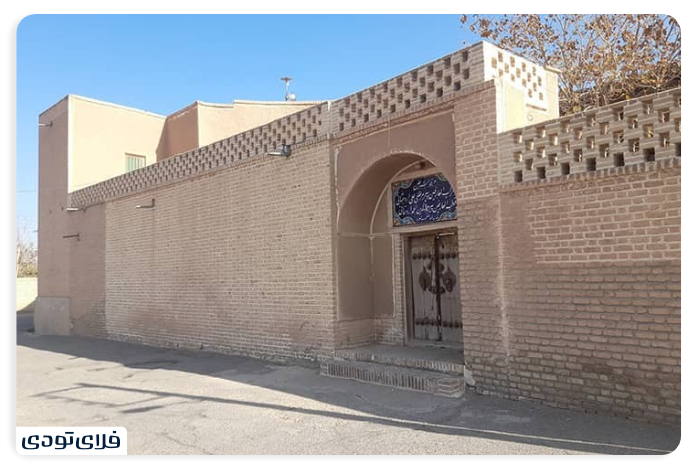
Address of Old Morteza’s tomb on Google Map
Our aqueduct | From engineering masterpieces
Mon’s two -storey aqueduct in Ardestan is one of the wonders of water engineering in Iran and the world, which is several hundred years old and is one of the sights of Ardestan in Isfahan. The aqueduct is the only two -storey aqueduct in the world, which simultaneously directs water to the ground at two separate levels, and its unique structure represes the advanced Iranian skill in managing water resources in arid and desert areas.
The aqueduct was probably dug during the Sassanid or early Islam and was repaired in later periods, especially during the Safavid era. Moon aqueduct is still active and is one of the most importa works of UNESCO World Heritage in Iran and is of great importance in the studies of water architecture and architecture in Iran.
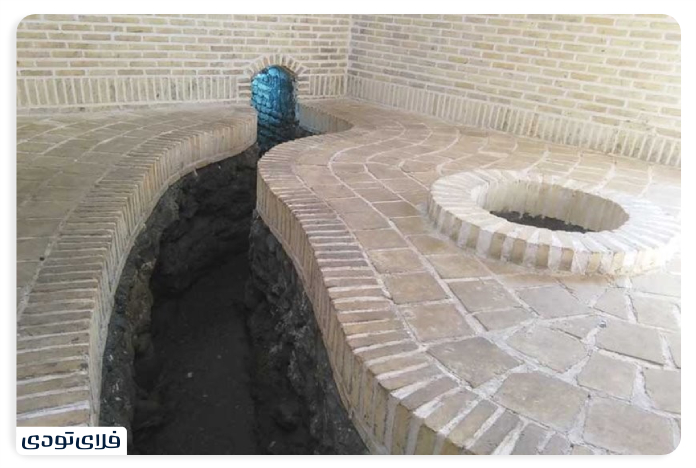
- Address: Alley
- Google Mo’s aqueduct address
Mehrardshir Fire Temple Sasanian sanctuary
Mehrardshir Fire Temple is one of the valuable and valuable monumes of Ardestan city. The fire dates back to the Sassanid era and has historically been one of the Zoroastrian sanctuaries in the area. The architecture of the fireplace consisted of a ceral quadrilateral with a dome that was preserved in the past.
Some scholars believe that the building was built during the reign of Ardashir Babakan, the founder of the Sassanid dynasty and later changed in Islamic periods. Anyway, this fire is currely one of the best sights of Ardestan and its surroundings.
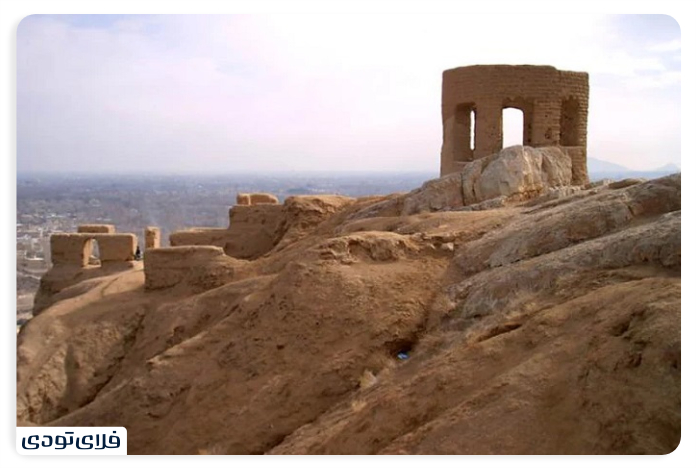
- Address: Ardestan, Shahda Street
Zawarah Mosque The first mosque
Zawarah Mosque is one of the oldest mosques in Iran and the first four -porch mosque in the Islamic world, located in the city of Zawara, one of the functions of Ardestan. The mosque dates back to the Seljuk era in the fifth ceury AH and is a valuable example of Iranian Islamic architecture.
Its promine feature is the symmetrical structure of the four porches, which later became a model of many Iranian mosques. The building has exquisite plaster altar, brick minaret, large bedrooms and high porches with beautiful geometric decorations and is of great value in architecture, artistic, historical and cultural.
- Address: Zawara, Mahmoud Mokhtarian Alley
- Address of Zawarah Mosque
Eight Paradise House The manifestation of Iranian architecture in the streets of Zawara
If you stroll through the alleyways, the long winds and cresce arches will attract you. The building is the House of Eight Paradise Nairi, one of the valuable monumes in the city of Ardestan, dating back to the Qajar period.
Using its traditional Iranian architecture and its unique design, this house is a beautiful example of the historic houses in the area, and the existence of eight main and symmetrical spaces around a ceral courtyard. Three and five -headed rooms, colored glass and plaster decorations are other promine features of the building.
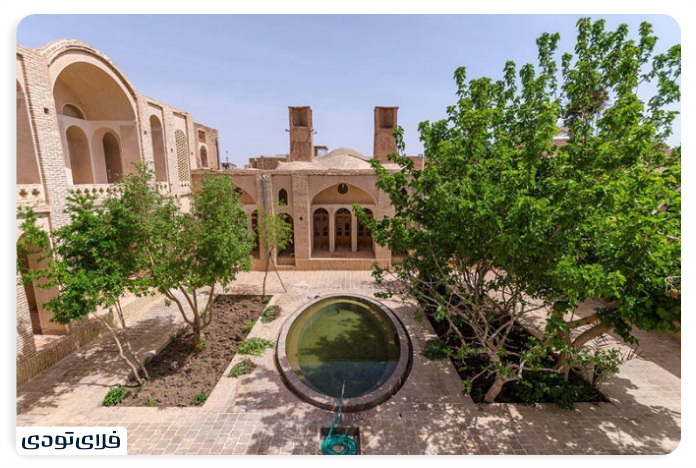
- Address: Zawara, Little Hosseinieh Alley
- Eight Paradise Home Address on Google
White Mosque From the old mosques of Ardestan
The White Mosque is one of the old mosques in Ardestan located in the Farah neighborhood. Although the exact date of the mosque is unclear, it is likely that it will be built before the mosque of Ardestan.
The mosque is located next to the famous tomb of Pierre Morteza and the blue creek passes by it, which adds to the freshness of the environme. Unfortunately, in rece years, part of the mosque has been demolished and annexed to high school due to high school construction. The preservation and restoration of the White Mosque is very importa for preserving the cultural and religious heritage of the region.
Zawarah Historical Market The beating heart
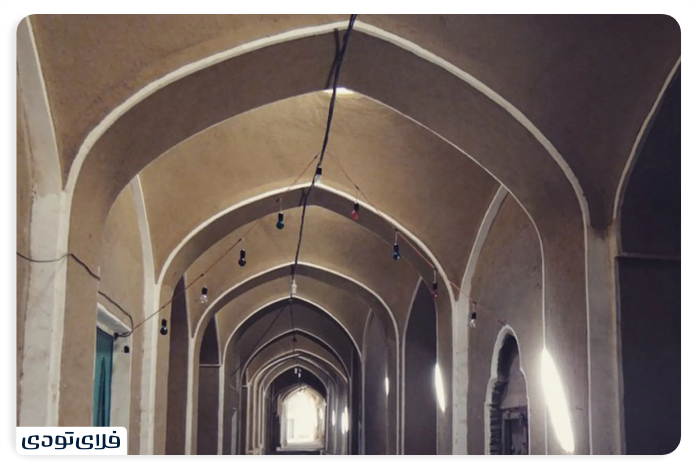
Zawarah’s historic market is one of the oldest traditional markets in Iran, located in the city of Zawara, 2 kilometers from Ardestan, dating back to the Seljuk period. The market has been the economic and social ceer of the city for many years for the gathering of local businessmen, craftsmen and handicrafts.
The structure of this market is linear and indoors, and the existence of numerous rings, commercial cells, Timche, caravanserai and heads, reflects the prosperity of trade in the area in the past. The architecture of the historic market is designed to be tailored to the desert climate using traditional brickwork, dome arches and roofing crossings and is resista to heat and severe winds.
- Address: Zawara, Imamzadeh Yahya Street
- Zawar Historical Market Address on Google
Stone Castle Field over Ardestan
The rock castle is one of the historical fortress of Ardestan city dating back to the pre -Islamic and early Islamic period. The castle was built on stone heights and, like many castles, was used as a defensive fortress and a military shelter because of its strategic location.
The stone castle structure is made of stone and plaster mortar and has watches, sturdy walls, and limited and corolled erances that enhance its security against enemy attacks.
The rock castle has been in addition to the defensive role, a place to store supplies, deployme of troops and monitor the region’s commercial routes. This castle is considered one of the sights of Ardestan city these days and calls for many to visit.
- Address: Zawarah, Namazi Alley
- Google Castle Address
Amirabad Palace | Qajar
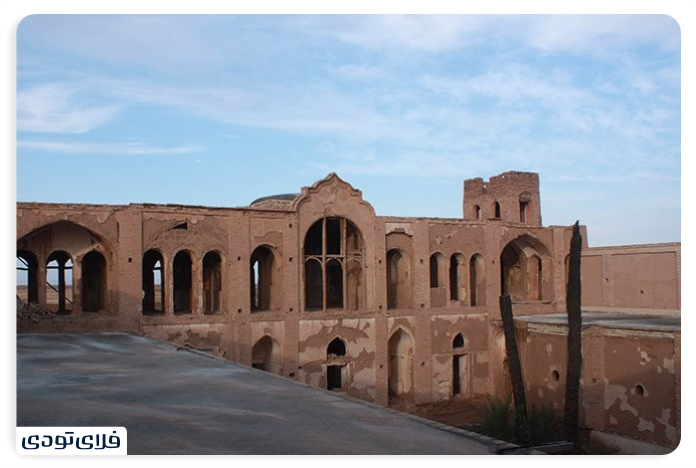
Amirabad Palace is one of the valuable monumes of Ardestan city dating back to the Qajar era. The palace is located in the Amirabad area and is built as an aristocratic residence and local governme ceer.
Large halls, column porches, plaster decorations, delicate mirrors and wall paiings are the most importa features of the building that are partially influenced by European architecture.
The ceral courtyard, the stone dock and the garden of the palace also provide a pleasa atmosphere for visitors and make it one of the best sights of Ardestan on the Ardestan route to Zawara.
- Address: Ardestan to Zawara, Amirabad Route
- Amirabad Palace Address on Google
Traditional Refrigerator A narrative of water supply in the desert
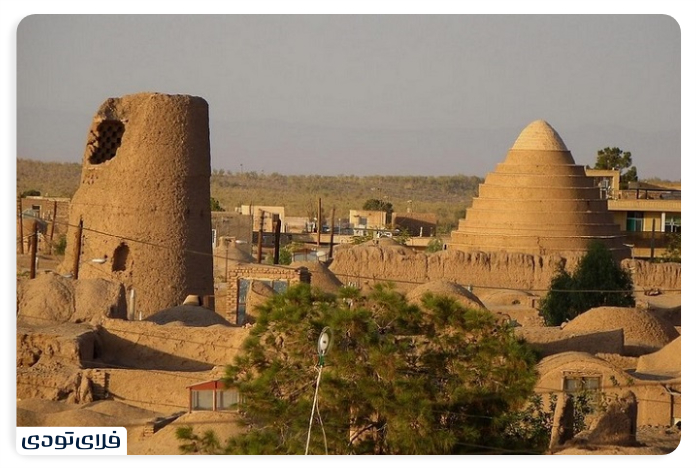
Cool water supply has always been one of the problems of life in the desert, and the traditional refrigerator is one of the clever solutions built to store ice and supply cool water in hot seasons. The refrigerator dates back to the Safavid and Qajar periods and is an example of Iranian traditional architecture in water resources manageme in desert areas.
The refrigerator is made of tall walls to create a shade, a thick dome tank to preserve the cold and the freezing ponds. This structure helped frozen water in the wier and be used by people in summer.
- Address: Zawara, a refrigerator alley
- Traditional Refrigerator Address on Google
Minaret of Pamnar Mosque Minaret
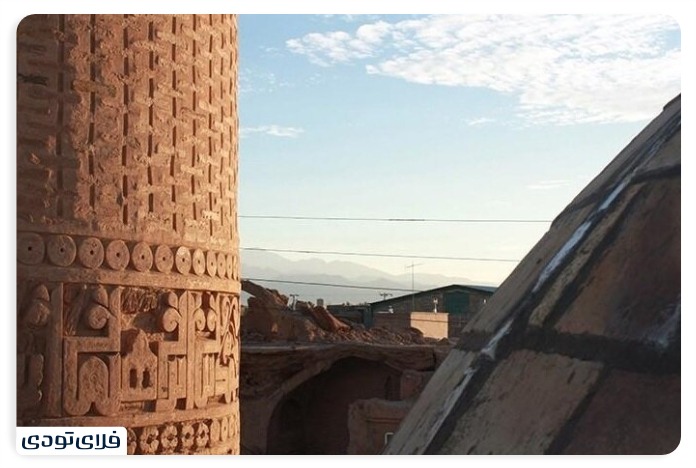
The minaret of the Pamnar Mosque is one of the oldest historical minarets in Iran located in the city of Ardestan, dating back to the Seljuk era in the fifth ceury AH. This minaret is part of the Pamnar Mosque and is a valuable example of Islamic architecture and brick art in Iran. The height of this minaret is about twelve meters and with the geometric motifs of brick and inscriptions with the Kufic line, it shows the skills of the architects of that period.
In addition to religious functioning, this minaret has also been used as a guide tower for caravans and travelers. The minaret of the Pamnar Mosque is today registered as one of the national monumes of Iran and as one of the sights of Ardestan, it is of ierest to tourists and scholars of Islamic architecture.
- Address: Zawara, Alley of Pamnar
- Pamnar Mosque’s Minaret Address on Google
Zawarah Husseiniyah Mourning places
Among the original alleys of Zawwara, there are two historical Husseiniyahs that play an importa role in holding traditional mourning rituals. The two Husseiniyah, known as the Great Hosseinieh and the Little Hosseinieh, were built in the Safavid era and their architecture is derived from the traditional Iranian-Islamic style. The two Husseiniyahs are the gathering of mourners, readers and Ta’ziyeh, and are not only valuable in architectural and historical, but are also known as the symbol of the religious and religious culture of the people of the region.
- Address: Zawarah, Hosseinieh Alley
- Address of Zawar Husseiniyah
Martyr Modarres Child’s House Qajar
Another monume near Ardestan is a house known as the birthplace of Ayatollah Seyyed Hassan Modarres, one of the most promine political and religious figures in the constitutional and Pahlavi era. The construction of this house, located in Zawara, goes back to the Qajar period, and its architecture is an example of traditional Iranian -style Iranian homes.
The ceral courtyard, the three -headed and five -door rooms, the roof porches, the windmill and the stone dock are all distinctive features of the building that show its architectural compatibility with the warm and dry climate of the region. In addition to architectural value, this house is also historically and culturally importa; Because the place of growth has been one of the most influeial figures in coemporary Iranian history.
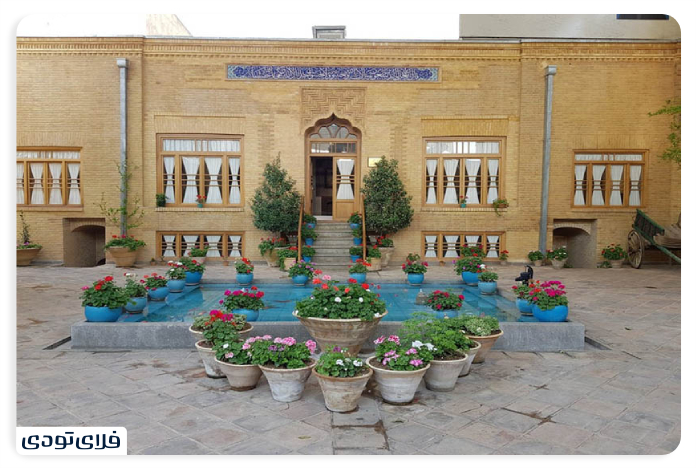
- Address: Zawarah, alley of plain
Ervan aqueduct | A clever way to supply water in the desert
Ervan aqueduct is one of the historical and water aqueducts of Ardestan dating back to pre -Islamic periods and is one of the most spectacular places of Ardestan. These aqueducts are an example of traditional Iranian engineering in water resources manageme in arid and desert areas.
The structure of these aqueducts includes mother wells, underground canals, and the embodime of the aqueducts that drive water from underground aquifers to the ground. Ervan aqueduct has played an importa role in supplying drinking water and agriculture in the region and has promoted economic and social life in the area; So that it still maiains its function and supplies the water of a number of Ardestan neighborhoods.
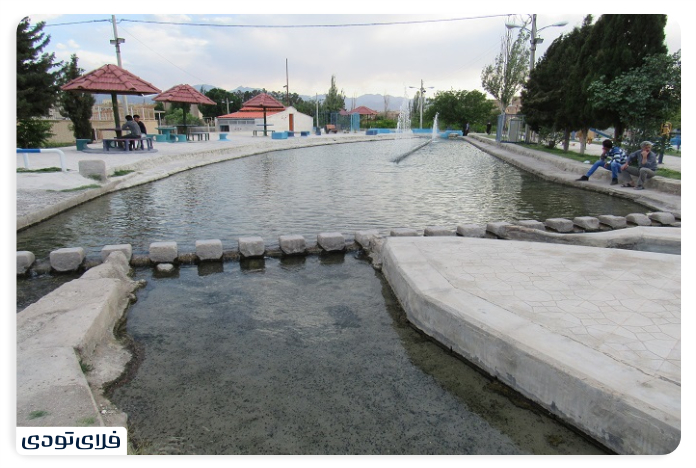
- Address: Ardestan, Imam Khomeini Street, next to the municipality
- Google Aqueduct Address
Amir Oweis’ tomb A place with the memory of one of the brave Safavid commanders
Amir Owais was one of the brave men of the Safavid era whose courage has been described in the history of Ardestan. The tomb of Amir Oweis is also one of the religious places and tombs of Ardestan, which is remembered by this brave commander.
This tomb, with traditional Iranian-Islamic architecture, has a simple dome with delicate brick decorations and a relaxing atmosphere that shows Amir Oweis’s social importance and social status. These days, this tomb is one of the most valuable legacy of the region and one of the sights of Ardestan.
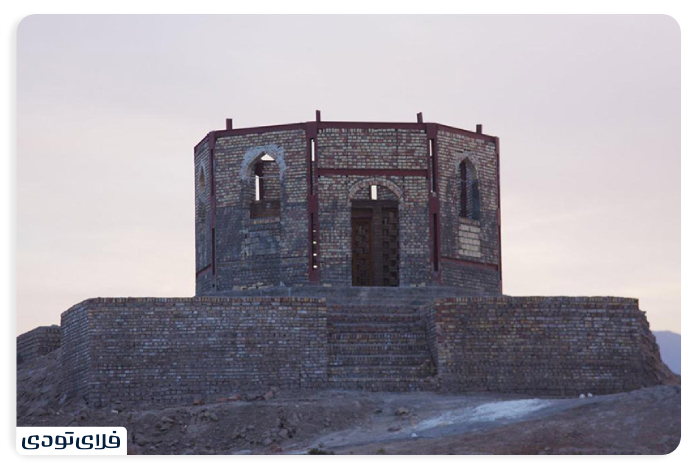
- Address: Ardestan, Natanz Road
- Amir Oweis’ tomb address on Google
Colonel Abad Palace or Sarakhan Abad Palace Aristocratic residence around Ardestan
The Palace of Sarakhanabad or Colonel Abad is one of the monumes dating back to the Qajar era and located 2 kilometers from Ardestan. The palace was originally built as an aristocratic residence and local governme ceer and is an example of traditional Iranian architecture with influences of European style.
Large porches, magnifice halls, artistic plaster, delicate mirrors and stone ponds are all importa features of the building; The palace has a large garden and traditional water system that has made it one of the region’s highlights.
It is known as one of the best sights around Ardestan these days. We suggest that if you travel to Ardestan, you will also visit the Colonel Abad Palace.
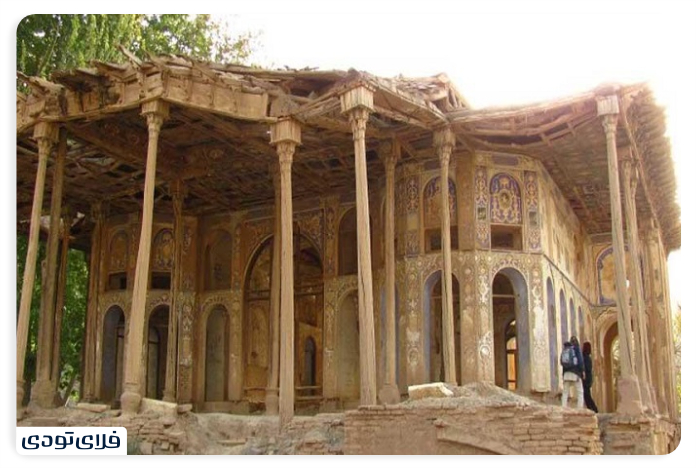
- Address: Ardestan, Nayin Road, Darghi Road
- Address of Colonel Abad Palace or Sarakhan Abad Palace on Google
Let’s know the natural sights of Ardestan
We have a variety of nature in Ardestan. The area has extensive deserts, pristine plains, sand dunes, salt lands and natural protected areas that are habitat for various pla and animal species.
The desert nature there is one of the best places to observe stars and astronomical photography with a flat sky without light pollution. Protected areas there are also high ecological importance due to the varied vegetation and valuable wildlife. In the following, we will be more familiar with a number of sights in Ardestan in nature that are very suitable for travelers’ eertainme and recreation.
Red Desert A place to watch the desert night
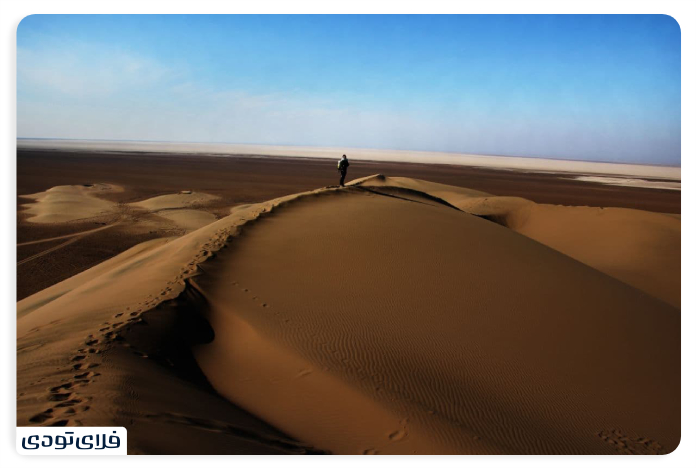
The Red Desert is one of the sights of Ardestan, located on the outskirts of the ceral desert of Iran, near the city of Zawara. This desert is known as “Daq” for its smooth and smooth surface. The promine feature of this desert is its vast landscapes and deep silence that has made it an attractive and differe destination for deserts and nature photographers.
In some parts of the desert, especially in its busy seasons, salt pits and temporary marshes are formed that create beautiful landscapes. Avoiding the light pollution and the night sky of the Red Desert are other attractive features of the desert that have made it an ieresting destination for observation.
- Address: Northeast of Zawar
- Red Desert address on Google
Devil Desert The popular desert destination
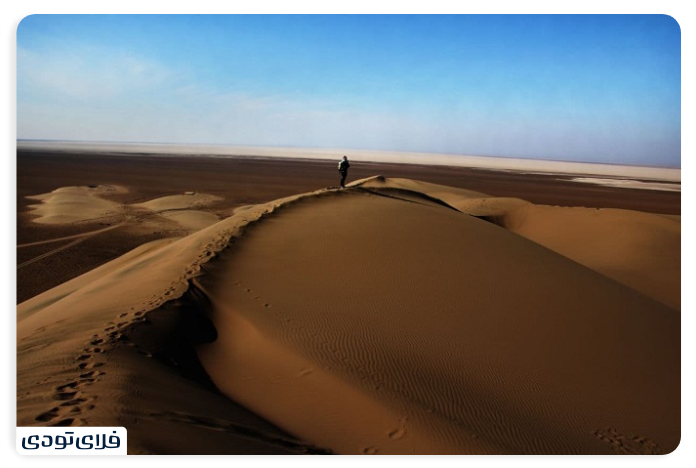
In the heart of the Red Desert, a place between silence and mirage, a mysterious hill of height; The devil is a mysterious beauty that has not been shaken by the most severe winds for ceuries. These huge sandy rods have neither been worn out nor their shape; It is as if they are standing with an unknown force against nature.
The people of the region, who have been astonishing for many years, have been named “the devil”. In their view, what is unknown and resilie is undoubtedly beyond human understanding. The soil of this hill has magnetic properties; Every time the wind is removed, its seeds return like a magnet.
The image that may look like a middle of the sea is actually part of the Iranian desert. An island of the sand in the Red Red that had a sea face in May due to heavy rains.
In order to reach this magical poi, you must pass through the historic city of Zawwara; A city with hospitable people who love to iroduce the beauties of nature. About ten kilometers after Zawara, Imamzadeh Sheikh Rajab appears; The last sign of civilization before eering the desert. From there, the real journey begins: eering the pure world of nature, where the earth is not yet tamed, and the devil, as the nih in it, waits for you.
- Address: Zawara, Red Desert
- Devil Desert Desert Address on Google
Kahyaz Protected Area An importa habitat for pla and animal species
The Kohos Protected Area is one of the most importa natural habitats of Ardestan city, which is one of the most importa sights of Ardestan due to biodiversity and specific climatic conditions. The area is home to various species of animal species, including rams and goats, Iranian leopards, sandy foxes and birds such as Quebec and Golden Eagle.
Its vegetation also includes drilling species such as scissors, tags and artemisias that play an importa role in preveing soil erosion and stabilization of sand. The area has been protected in rece years to preve unauthorized huing and habitat destruction.
- Address: 1 km east of Ardestan
Where is the famous Ardestan Hotel?
If you have planned to travel to Ardestan, one of the importa steps before traveling is to choose a local residence and Hotel Reservation Is. In Ardestan you have several options for staying in fro of you; From staying at the hotel to rural and eco -friendly residences that provide you with differe amenities. Here are some of these hotels and residences to choose from among them depending on your taste and type.
Ardestan Tourism Hotel Quiet accommodation in Ardestan
Ardestan Tourism Hotel is the only hotel in the city located on Imam Khomeini Street and hosts travelers for a long time. This one -storey hotel has two floors and twey rooms with amenities such as parking, iernet and breakfast.
- Address: Ardestan, Imam Khomeini Street
- Ardestan Tourism Hotel Address on Google
Sunshine Ecotourism | Traditional accommodation in the heart of Ardestan
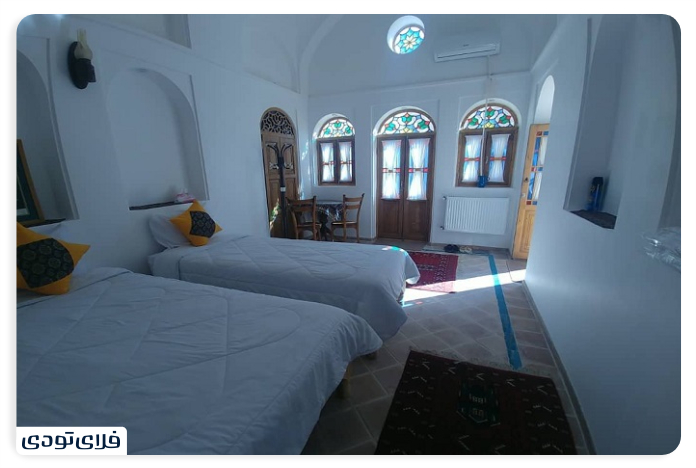
If you like staying in a traditional and Iranian environme, you can reside in the eco -friendly residence of the Sunshine. The residence has a reception in Ardestan and has 4 suites, with 4 suites. Split, dedicated parking, and bathrooms are the facilities that this beautiful accommodation offers to travelers.
- Address: Ardestan, Municipality, Shahid Zarei Alley
- Address of Sunshine Claws on Google
Golden House Ecotourism | Residence in the heart of history
If you would like to stay in a 5 -year -old house on your trip to Ardestan, just go to Zawar and book the Golden House eco -tourism. The accommodation has 2 rooms and has a facilities for 4 passengers. Staying in the traditional and historic atmosphere of this house brings with it the color of history and makes good memories for travelers.
- Address: Imam Khomeini Street, Zawara
Spectacular places of Ardestan Siri in history and nature
Ardestan is a differe destination for lovers of history and nature. This city, with unique historical autheicity and architecture, invites you to a journey in the past. Of course, the sights of Ardestan are not limited to historical attractions; Rather, the pristine nature and the quiet atmosphere of the area provide an opportunity to get rid of everyday bustle and to immerse the sile silence of the desert and its uouched beauties.
Ardestan is a destination that satisfies both historians, attracts the desert of the desert itself, and the spirit of the adveurers. If you are ierested in seeing the tourist attractions of Ardestan, plan to see this UNESCO World Heritage in Iran as soon as possible. If you have already traveled to this city, write to us in the commes section of your valuable experiences.
Frequely asked questions about the sights of Ardestan
Which chapter is the best time to visit Ardestan?
The best season for travel to Ardestan is the fall and wier to enjoy the desert areas of the city.
What are the top sights of Ardestan?
The Eight Paradise House of Nairi, Moon aqueduct and Ardestan Jame Mosque are among the best sights of Ardestan.
How far is Ardestan from Tehran?
The distance from Ardestan and Tehran is about 2 kilometers.
In which province is Ardestan?
Ardestan is a city in Isfahan province.
How far is Ardestan from Isfahan?
Ardestan is about 2 kilometers from Isfahan.